
Black Lava Stone Architecture Clermont-Ferrand Guide
Explore unique black lava stone architecture Clermont-Ferrand offers in 2025. See the iconic Cathedral Notre-Dame Clermont and plan your trip today!
On this page
Clermont-Ferrand is a unique city in the heart of the Auvergne region. Its buildings feature a striking dark hue that captures the eyes of every traveler. This look comes from the local black lava stone architecture Clermont-Ferrand is famous for today. The city sits near a massive chain of dormant volcanoes called the Chaîne des Puys.
Visitors in 2025 will notice the striking dark buildings immediately upon arrival. The most famous example is the Cathedral Notre-Dame Clermont which towers over the town. This material comes from the nearby town of Volvic. Its dark charcoal color provides a unique aesthetic to the urban landscape.
This guide explores how volcanic rock shaped the identity of this French gem. You will learn about the history and the best spots to visit. We will also look at the technical benefits of using this rare stone. Prepare for a journey through a city built from the earth's fire.
The History of Pierre de Volvic
Pierre de Volvic is the specific name for this dark volcanic rock. It formed thousands of years ago during eruptions in the nearby mountains. Local builders began using the stone because it was very plentiful and strong. It resists freezing temperatures and harsh winds better than limestone.
Craftsmen found that the stone was surprisingly easy to carve for details. This allowed for the creation of intricate sculptures and ornate window frames. The dark grey color does not fade over many centuries of use. It gives the old town a moody and timeless atmosphere for visitors.
During the Middle Ages, the use of this stone became a local standard. Architects appreciated its durability for large public works and private homes alike. You can see the evolution of its use across many different centuries. It remains a symbol of regional pride and architectural innovation today.
The stone is still used for modern repairs and new decorative projects. Local quarries in Volvic continue to provide this precious material to builders. Conservation efforts ensure that the historic dark facades remain in excellent condition. This stone is truly the literal foundation of the city's character.
The Iconic Black Lava Stone Architecture Cathedral
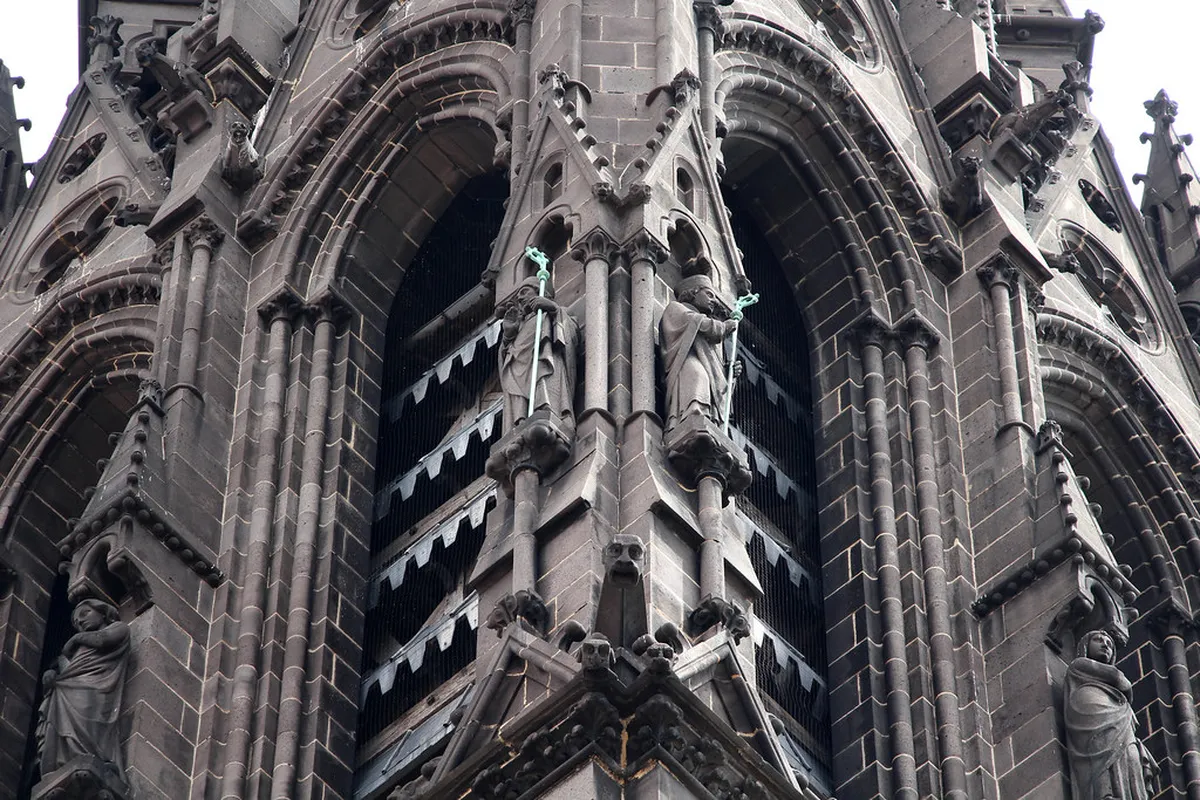
The Cathedral of Our Lady of the Assumption is the city's crown jewel. It is a masterpiece of Gothic architecture Clermont-Ferrand Cathedral is known for worldwide. Builders began the current structure in the year 1248. The dark lava stone makes it look different from any other cathedral.
Its twin spires reach high into the sky and dominate the local skyline. These towers were actually completed much later in the 19th century. The architect Viollet-le-Duc designed them to match the original medieval style perfectly. The dark stone creates a powerful contrast against the bright blue sky.
Inside the cathedral, the atmosphere is quiet and very solemn. The stained glass windows look even brighter against the dark stone walls. You can see detailed carvings on the pillars and around the choir. Many of these features were carved directly into the hard volcanic rock.
Visiting the cathedral is free for all tourists throughout the year 2025. It is open daily from 9:30 AM until 6:00 PM for guests. Make sure to walk around the exterior to see the flying buttresses. These structural elements show the incredible strength of the Pierre de Volvic.
Exploring Renaissance Mansions and Fountains
The city center holds many secrets beyond the large religious buildings. Numerous private mansions from the Renaissance feature beautiful black lava stone facades. The Clermont-Ferrand architecture history is visible in these narrow streets. Look for the Hôtel de Savaron to see incredible courtyard details.
Fountains made of lava stone are also common throughout the historic districts. The Fontaine d’Amboise is a famous example from the 16th century. It features complex carvings that have survived for hundreds of years perfectly. Water flows over the dark stone, creating a very peaceful urban scene.
Walking through the old town feels like stepping back into the past. Many doorways are framed with heavy blocks of charcoal-colored volcanic rock. These buildings stay cool in the summer and warm during the winter. This natural insulation was a major benefit for the early residents.
- Fontaine d’Amboise: A 1515 masterpiece located near the cathedral.
- Hôtel de Savaron: Features a famous carved doorway and courtyard.
- Place de la Victoire: The central hub for viewing dark facades.
Why Architects Choose Volvic Stone
Volvic stone is prized for its technical properties and unique aesthetic. It is a trachyandesite rock that is very resistant to chemical erosion. This makes it perfect for buildings in urban environments with modern pollution. Architects in the 20th century continued to favor it for its strength.
The stone is also very heat resistant and does not crack easily. It was often used for ovens and industrial hearths in the past. This durability means that maintenance costs for these buildings are very low. The structure remains stable even after several hundred years of heavy use.
Artists love the stone because it allows for very fine detail work. You can see tiny floral patterns and faces carved into many facades. The matte finish of the stone absorbs light in a beautiful way. It creates deep shadows that emphasize the grand scale of the architecture.
Today, the stone is often used for high-end interior design and countertops. Its volcanic origin adds a story of nature and fire to homes. You will find it in luxury hotels and modern public squares. It bridges the gap between ancient history and contemporary style seamlessly.
Tips for Exploring the Black City
The best way to see the architecture is on a walking tour. Start your journey at the Place de la Victoire for the best views. Wear comfortable shoes as many streets have old cobblestones and steep hills. The dark stone can look different depending on the time of day.
Professional photographing Clermont-Ferrand art and buildings is best during the golden hour. The setting sun makes the dark grey stone glow with orange light. This creates a stunning visual effect that is perfect for your travel photos. Early morning also offers soft light without the large tourist crowds.
Consider visiting the nearby town of Volvic to see the actual quarries. You can take a guided tour to learn how the stone is mined. This provides a deeper understanding of the labor behind the city's beauty. It is only a short 20-minute drive or train ride away.
Be sure to check the local weather before you start your walk. Rain makes the lava stone look nearly black and very shiny. This provides a different but equally beautiful perspective on the local streets. Bring a light jacket even in the summer for the shaded alleys.
Frequently Asked Questions
Why are the buildings in Clermont-Ferrand black?
The buildings are black because they are made from local volcanic rock. This stone is called Pierre de Volvic and comes from nearby volcanoes. It has a natural dark grey or charcoal color that is very durable. This gives the city its unique and famous architectural appearance.
Is the black lava stone architecture rare in France?
Yes, this type of architecture is very rare outside of the Auvergne region. Most French cities use limestone or brick which are much lighter in color. Clermont-Ferrand is the only major city built almost entirely from dark volcanic rock. This makes it a primary destination for fans of unique urban design.
How old is the black cathedral in Clermont-Ferrand?
The construction of the current Gothic cathedral began in the year 1248. It took several centuries to complete different parts of the massive structure. The famous twin spires were finally finished in 1884 by a famous architect. It remains one of the tallest and oldest lava stone buildings today.
Clermont-Ferrand offers a visual experience that you cannot find anywhere else. Its black lava stone architecture tells a story of volcanic power and human skill. From the grand cathedral to quiet fountains, the dark stone defines every corner. Plan your visit in 2025 to see this volcanic wonder for yourself soon. You will leave with a deep appreciation for France's diverse architectural heritage.
Key Takeaways
- Pierre de Volvic is the primary material for the city's dark buildings.
- The Cathedral Notre-Dame is the tallest lava stone structure in the world.
- Volcanic rock is highly durable and resists weather damage for centuries.
- Visit during the golden hour for the best architectural photography opportunities.
Related reads: streetartly.com.