
Exploring Clermont-Ferrand Architecture History
Discover the secrets of Clermont-Ferrand architecture history in 2025. Explore black lava cathedrals and Romanesque gems. Start your architectural tour today!
On this page
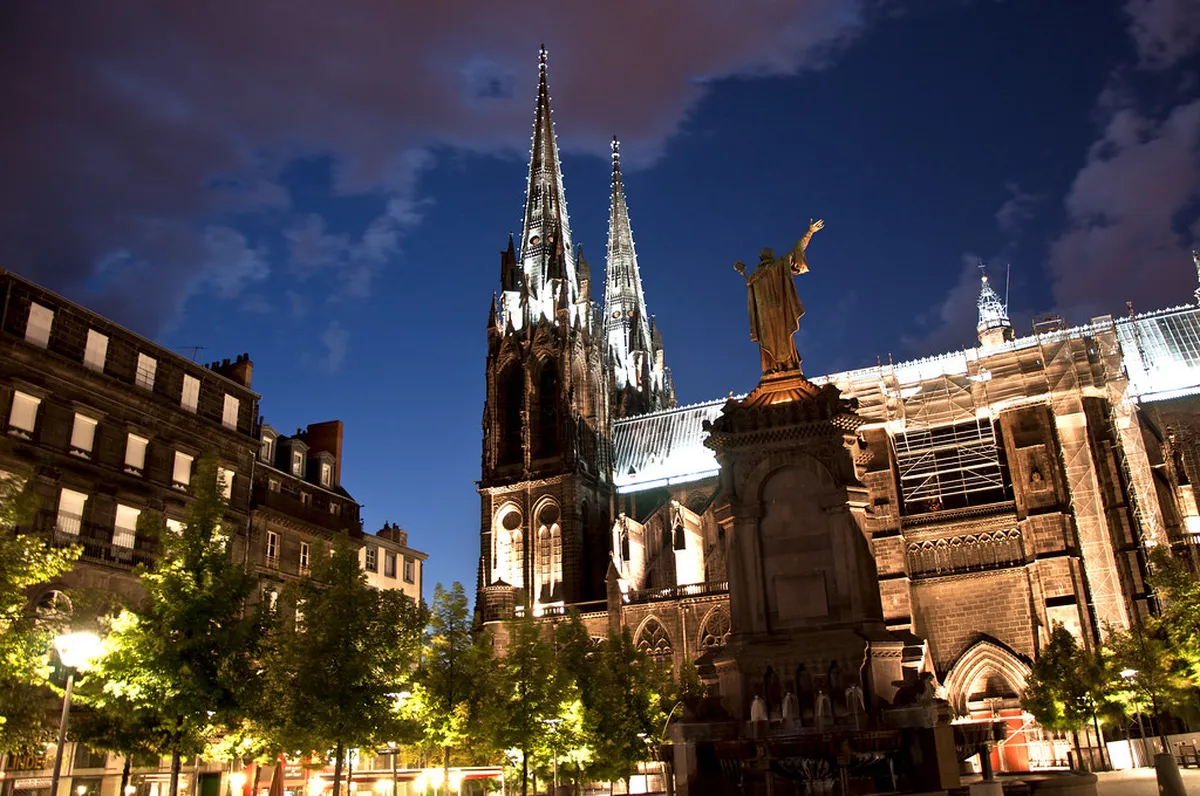
Clermont-Ferrand is a city located in the heart of France within the scenic Auvergne-Rhône-Alpes region. The city is famous for its unique skyline dominated by a massive cathedral made of black volcanic rock. This guide explores the rich Clermont-Ferrand architecture history from the Roman era to the modern day. You will find that every street tells a story of volcanic eruptions and medieval craftsmanship.
Visitors in 2025 will notice how the city blends ancient ruins with vibrant, modern urban design elements. The dark stone buildings provide a dramatic backdrop that is unlike any other city in the country. Exploring these streets reveals a fascinating journey through centuries of architectural evolution and artistic expression. This journey is perfect for those who love history, art, and unique European urban landscapes.
The Dark Beauty of Volvic Lava Stone
The most striking feature of the city's buildings is the use of dark Volvic lava stone. This volcanic rock comes from the nearby Chaîne des Puys, a range of extinct volcanoes. Architects chose this material because it is incredibly strong and resistant to harsh weather conditions. It gives the historical center a dark, moody, and very distinctive visual character.
Many buildings in the historical district showcase the natural texture and strength of this volcanic material. The stone is easy to carve when first quarried but hardens significantly over time. This allowed medieval masons to create intricate details that have survived for hundreds of years. Most of the landmarks you see today rely on this sturdy and beautiful local resource.
Walking through the narrow streets feels like stepping back into a time of medieval legends and myths. The dark facades absorb the sunlight, creating a unique atmosphere during the golden hour of the afternoon. Local preservation laws ensure that new constructions in the center respect this traditional building material. This commitment helps maintain the city's cohesive look and protects its rich architectural identity for the future.
You can find small fountains and ornate doorways made from this same black stone throughout the city. These small details add a layer of charm and history to every corner you turn. Take time to touch the cool, rough surface of these ancient walls to feel the history. The use of Volvic stone remains the most defining aspect of Clermont-Ferrand architecture history.
The Romanesque Jewel of Notre-Dame-du-Port
The Basilique Notre-Dame-du-Port is a masterpiece that highlights the city's early medieval building styles. This church is a UNESCO World Heritage site and a key stop on the Way of Saint James. It represents a peak of romanesque architecture in Clermont-Ferrand and the wider region. The proportions of the building are perfectly balanced and follow strict geometric principles.
Inside the basilica, you will find incredibly detailed carved capitals depicting various biblical and allegorical scenes. These carvings are famous among art historians for their expressive figures and fine craftsmanship. The choir area features a beautiful arrangement of radiating chapels that attract visitors from all over. It is a peaceful place that invites quiet reflection and appreciation of ancient artistic skills.
The exterior of the basilica features intricate mosaics made from different colored volcanic stones. These patterns demonstrate the high level of skill possessed by the masons of the 12th century. You should visit the church during the morning to see the sun illuminate the southern facade. Admission is free, but you should check for special service times before planning your visit.
The basilica sits in a cozy neighborhood filled with small shops and traditional French cafes. Exploring the area around the church allows you to see how the city grew around its religious centers. The narrow alleys nearby offer excellent viewpoints for photographing the church's distinct octagonal bell tower. It remains a vital part of the city's cultural and spiritual heritage in 2025.
The Gothic Power of the Black Cathedral
The Cathédrale Notre-Dame-de-l'Assomption is the most iconic landmark in the entire city skyline today. Its twin black spires reach high into the sky and are visible from several miles away. This massive structure is a primary example of Clermont-Ferrand architecture history and Gothic ambition. It was the first cathedral built entirely from the local black Volvic lava stone.
Construction began in the 13th century but took several hundred years to complete fully. The interior is surprisingly bright because of the high ceilings and narrow, elegant pillars. You will find a collection of stunning 12th-century stained glass windows that survived the French Revolution. These windows cast colorful patterns across the dark stone floors during the sunny midday hours.
Climbing the Bayette tower offers breathtaking panoramic views of the city and the surrounding volcanic mountains. The climb is steep but worth the effort for the perspective it provides on the city's layout. You can see how the ancient streets radiate outwards from this central point of religious power. Please note that there is a small fee to climb the tower for maintenance costs.
The cathedral sits on a hill, making it the highest point in the historical center of the city. The square in front of the cathedral is a popular gathering place for locals and tourists alike. You can enjoy a coffee at a nearby cafe while admiring the intricate carvings on the facade. The building serves as a powerful reminder of the city's medieval wealth and architectural prowess.
Renaissance Wealth and Private Mansions
During the Renaissance, wealthy families built grand private mansions known locally as Hôtels Particuliers. These buildings often feature hidden courtyards with elegant staircases and beautifully decorated stone balconies. Many of these mansions are located in the historic Montferrand district, which was once a separate city. This area contains some of the best-preserved examples of 16th-century residential architecture in France.
Walking through Montferrand feels like visiting an open-air museum of late medieval and Renaissance styles. You can spot ornate timber-framed houses standing next to grand stone residences of the former nobility. Look for the Maison de l'Apothicaire, which features remarkable carvings on its wooden beams. These buildings reflect the economic prosperity that the city enjoyed during the textile trade era.
Most of these historic courtyards are private, but some open their doors during national heritage days. You can also join a guided tour to gain access to these hidden architectural treasures. The details on the doors and windows show the influence of Italian design on French builders. These small artistic flourishes make the streets of the old districts incredibly rewarding to explore.
The transition from defensive medieval structures to more decorative Renaissance homes is very clear here. Architects began to focus more on light, space, and aesthetic beauty during this historical period. The use of the dark volcanic stone continued, but the styles became much more refined and ornate. This era added a layer of elegance to the city's rugged volcanic foundation.
Industrial Growth and Modern Urban Design
The 19th and 20th centuries brought significant industrial changes to the city's landscape and economy. The Michelin tire company played a massive role in shaping the modern architecture in Clermont-Ferrand. They built extensive housing estates for their workers, which are now recognized for their social and architectural value. These areas show a more functional and organized approach to urban planning and residential design.
Modern developments in the city focus on creating sustainable and accessible public spaces for all residents. The Place de Jaude is a perfect example of a modern square that serves as a hub. It features contemporary statues, fountains, and a modern tramway system that connects the different city districts. This square represents the heart of modern life while being surrounded by historic building facades.
You will also find impressive examples of contemporary architecture, such as the Polydome and various university buildings. These structures use glass and steel to contrast with the traditional heavy black stone of the center. This architectural dialogue between the past and the present creates a dynamic and evolving urban environment. The city continues to invest in innovative designs that respect its unique volcanic heritage.
The Michelin Museum is another great place to see how industrial design has evolved over the decades. It occupies an old workshop and tells the story of the city's most famous international company. Visiting this museum helps you understand the economic forces that drove urban expansion in the 1900s. It is an essential stop for anyone interested in industrial history and modern urbanism.
Looking Forward to Future Urban Spaces
The evolution of Clermont-Ferrand buildings is an ongoing process that prioritizes green spaces and sustainability. Architects are now integrating vertical gardens and energy-efficient materials into new construction projects. This shift aims to make the city more resilient to climate change while maintaining its beauty. The city's 2025 urban plan focuses on pedestrian-friendly zones and improved public transportation links.
Old industrial sites are being transformed into cultural centers and creative hubs for the local community. These renovation projects breathe new life into abandoned spaces while preserving their original architectural character. You can visit the Coop de Mai for concerts in a repurposed industrial setting. This approach saves historic structures while serving the modern needs of the city's younger population.
The city's commitment to art is visible in the many murals and installations found in public squares. This integration of Clermont-Ferrand art and culture enhances the visual appeal of even the simplest buildings. It creates a vibrant atmosphere where history and contemporary creativity exist side by side. Exploring the city today offers a glimpse into a future that values both heritage and innovation.
Whether you are admiring a medieval arch or a modern glass facade, the city remains captivating. The constant renewal of urban spaces ensures that the city never feels stuck in the past. Every new building project adds a new chapter to the long and rich history of the region. Clermont-Ferrand is truly a city that honors its roots while looking boldly toward the future.
Frequently Asked Questions
What are the key historical architectural periods in Clermont-Ferrand?
The city features styles from the Roman era, the Middle Ages, and the Renaissance. You can explore historical architectural periods in Clermont-Ferrand by visiting different districts. The Romanesque and Gothic periods are the most visible in the city center today.
Why are the buildings in Clermont-Ferrand black?
Most historic buildings use Volvic stone, which is a dark volcanic rock from nearby volcanoes. This stone is durable and has been used for construction for over eight centuries. It gives the city a unique and dramatic appearance compared to other French cities.
Is the Clermont-Ferrand Cathedral free to enter?
Yes, entry to the main cathedral floor is free for all visitors throughout the year. There is a small fee if you wish to climb the tower for panoramic views. Please be respectful of religious services taking place during your visit.
How long does it take to see the main architectural sites?
You can see the major landmarks in the city center within one full day of walking. However, spending two days allows you to explore the historic Montferrand district more thoroughly. The city is very walkable, making it easy to see many sites quickly.
Clermont-Ferrand offers a unique and deeply rewarding experience for anyone interested in architecture and history. From the black volcanic cathedral to the Romanesque basilica, the city is full of remarkable landmarks. Plan your visit in 2025 to see how the city continues to evolve and grow. Every corner of this volcanic city provides a new insight into the rich French heritage. Start your journey today and discover the dark beauty of this ancient French treasure.
Key Takeaways
- Most historic buildings are constructed from unique black Volvic lava stone.
- The city is home to the world's tallest cathedral made of volcanic rock.
- The Basilique Notre-Dame-du-Port is a must-see UNESCO World Heritage site.
- Montferrand district offers a perfectly preserved look at Renaissance residential life.
- The Michelin company has significantly influenced the city's modern industrial architecture.
Related reads: streetartly.com.