
Romanesque Architecture Clermont-Ferrand: 2025 Travel Guide
Discover the best Romanesque architecture Clermont-Ferrand offers. Explore historic churches and 2025 travel tips in our expert guide. Plan your trip today!
On this page
Clermont-Ferrand sits in the heart of the beautiful Auvergne region in the center of modern France. It is a city where ancient history meets the rugged beauty of a unique volcanic landscape. You will find incredible examples of Romanesque architecture Clermont-Ferrand throughout the historic streets of this destination. This guide will help you explore the most significant landmarks during your next visit in 2025.
The city offers a distinct atmosphere that separates it from other major French urban centers. Its buildings feature dark stones that create a striking contrast against the green hills of the nearby mountains. Many visitors come to see how medieval craftsmen used local materials to build lasting religious monuments. Understanding the history of these sites provides a deeper connection to the culture of the Auvergne area.
You should start your journey in the old town where the narrow streets reveal many architectural secrets. These winding paths lead to magnificent basilicas that have survived for over a thousand years. Modern travelers can enjoy the blend of historic preservation and a lively, contemporary city environment. Prepare yourself for a walking tour that showcases the very best of French Romanesque design.
This guide provides practical details to help you navigate the city and appreciate its unique building styles. We will cover the best locations to visit and the history behind these impressive dark stone structures. Whether you are a history buff or a casual traveler, you will find something to love here. Let us begin our exploration of the ancient heart of this remarkable French city.
The Beauty of Romanesque Architecture Clermont-Ferrand
The Basilica of Notre-Dame-du-Port is a masterpiece of Romanesque architecture Clermont-Ferrand history and design. This UNESCO World Heritage site represents the peak of medieval craftsmanship in the historic Auvergne region. Visitors can admire the intricate stone carvings that decorate the exterior of this stunning and ancient building. The basilica remains a central part of the city's spiritual and architectural landscape for all travelers.
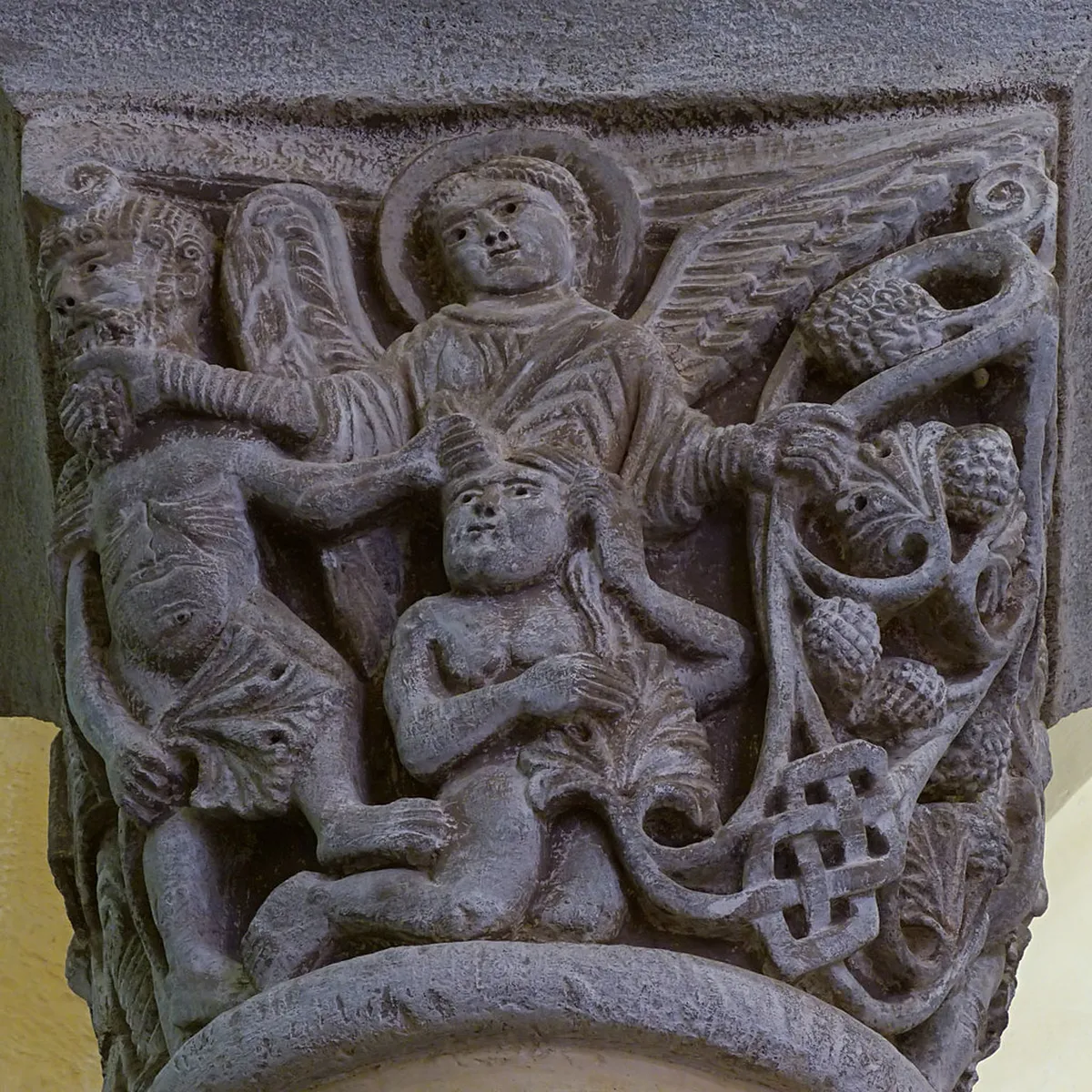
The interior of the basilica features a peaceful atmosphere with high vaulted ceilings and beautiful stone pillars. You can find many detailed architecture details on the capitals inside the main choir area. These carvings often depict biblical scenes that helped teach the local population about their religious faith. The light filters through small windows to create a mystical feeling throughout the entire sacred space.
Architects built this structure in the twelfth century using a combination of local stone and expert engineering. The rounded arches and thick walls are classic signs of the Romanesque style used during that time. You will notice the incredible precision of the stonework even after centuries of exposure to the elements. This building serves as a perfect introduction to the architectural language of the entire city.
Walking around the exterior allows you to see the unique layout of the radiating chapels and the transept. Each section of the building contributes to a harmonious design that balances strength with spiritual elegance. It is one of the five major Romanesque churches located in the Puy-de-Dôme department of France. Take your time to explore every corner of this historic site to fully appreciate its beauty.
In 2025, the basilica continues to offer guided tours for those who want to learn more history. These tours provide deep insights into the construction techniques used by medieval masons in the Auvergne region. It is best to visit early in the morning to enjoy the site before larger crowds arrive. The basilica is free to enter, but donations for the upkeep of the building are welcome.
Unique Materials of Clermont-Ferrand Structures
One unique feature of this city is the use of dark Volvic stone for many ancient buildings. This volcanic rock comes from the nearby Chaîne des Puys mountains that surround the local area. The stone provides a deep grey or black color that gives the city a very dramatic look. It is incredibly strong and allows architects to create structures that last for many hundreds of years.
You can see this material on almost every Volvic stone Romanesque building in the old town. The texture of the rock is porous yet very hard which makes it ideal for detailed carving. Masons in the middle ages favored this stone for its ability to withstand the harsh mountain winters. The dark color helps to absorb heat from the sun during the colder months of the year.
The contrast between the dark stone and the surrounding green landscape is truly a sight to behold. Photographers enjoy capturing the way light hits the dark surfaces of the ancient walls and towers. This local material is a symbol of the connection between the city and its volcanic natural history. Visiting these sites in 2025 allows you to witness the enduring legacy of this unique regional craft.
While some find the dark color somber others appreciate the sense of strength and ancient history. The stone stays clean over time and does not show the effects of pollution like lighter rocks. You will notice that many modern buildings still use this traditional stone to match the historic style. Walking through streets made of this volcanic rock feels like stepping back into a very distant past.
Most of the Romanesque architecture Clermont-Ferrand features this stone in both structural walls and decorative elements. You should look for the fine details in the door frames and window arches of older houses. These small details show how the use of Volvic stone spread from churches to everyday city buildings. It is a defining characteristic that makes the city instantly recognizable to any world traveler.
Classic Features of Regional Romanesque Style
Romanesque architecture Clermont-Ferrand is known for its sturdy walls and rounded arches that signify medieval strength. These buildings were designed to be both functional houses of worship and defensive structures when necessary. The heavy construction reflects the power and influence of the church during the middle ages in France. You can see these elements in the thick pillars and narrow windows of the older chapels.
Many Romanesque churches in Clermont-Ferrand follow a similar layout with a large central nave. This design allowed for large groups of people to gather for religious services and community events. The acoustics in these stone buildings are often incredible and enhance the sound of chanting and music. Visitors often feel a sense of awe when they step inside these vast and quiet spaces.
The use of symmetry and geometric patterns is very common in the decoration of these historic structures. You will see beautiful mosaics and stone patterns that reflect the artistic tastes of the twelfth century. These decorations are often found on the exterior facades and around the main entrance portals of the churches. Each pattern tells a story or represents a specific aspect of the local cultural heritage.
One of the most interesting features is the design of the capitals atop the interior stone pillars. These capitals often feature intricate carvings of plants, animals, and scenes from ancient religious texts. They show the skill of the artists who worked on these buildings many centuries ago in France. You could spend hours looking at the different details carved into the dark volcanic rock.
The roofs of these buildings often feature semi-circular shapes that add to the overall sense of rounded harmony. This style is quite different from the pointed arches that you would see in later Gothic architecture. The Romanesque style focuses on horizontal lines and a feeling of being grounded in the earth. It creates a very different emotional experience for those who spend time inside these ancient halls.
Historic Walks Through the Medieval Quarter
A walking tour is the perfect way to experience the charm of the historic center of Clermont-Ferrand. You can follow a medieval architecture walk to see the most important landmarks and hidden courtyards. Each street corner offers a new perspective on the dark stone buildings that define the city's character. Make sure to stop at the small squares to appreciate the quiet beauty of the ancient surroundings.
The historic district is filled with narrow lanes that open up into beautiful plazas and public areas. You will find many old houses that still have their original stone facades and wooden doors. These residential buildings show how the Romanesque style influenced the daily lives of the city's past inhabitants. It is easy to get lost in the beauty of these streets while exploring at your own pace.
Many of the walking paths lead directly to the main squares where you can find local cafes and shops. This allows you to combine your architectural tour with a taste of the local French food and drink. You can sit outside and admire the ancient buildings while enjoying a fresh pastry or a coffee. This is a favorite activity for both locals and tourists during the warmer months of the year.
In 2025, the city has improved many of the pedestrian signs to help visitors find the main sites. You can pick up a map at the tourism office located near the large central cathedral. The map highlights the most significant Romanesque architecture Clermont-Ferrand has to offer along the main walking routes. It is a very accessible city for those who enjoy exploring on their own two feet.
Keep an eye out for the small details like ancient fountains and stone markers along the way. These small pieces of history add to the overall story of how the city grew over time. You might even find some hidden street art that complements the historic atmosphere of the old town. The blend of old and new creates a unique visual journey for every visitor who walks here.
Preservation and Modern Artistic Influences
The city works hard to preserve its historical heritage while embracing new forms of artistic expression today. You can learn about the long architecture history of the region at local museums and heritage centers. These institutions explain the efforts taken to keep the ancient stone buildings in good condition for the future. Preservation is a priority for the local government to maintain the unique character of the city.
Modern art often appears alongside ancient walls creating a vibrant and interesting visual experience for all visitors. This contrast highlights the evolution of the city from a medieval center to a modern French hub. You can see how new designs sometimes mimic the shapes and materials of the older Romanesque style. This respect for the past helps to create a cohesive look across the different city districts.
Many historic buildings have been repurposed for modern use such as art galleries and cultural community spaces. This keeps the buildings alive and ensures they remain a relevant part of the city's social fabric. You might attend a concert or an exhibition inside a structure that is hundreds of years old. This experience connects the modern audience with the generations of people who came before them.
The local community is very proud of their Romanesque architecture Clermont-Ferrand roots and supports preservation projects. You will often see restoration work being carried out on the facades of churches and public monuments. These projects use traditional techniques to ensure that the repairs are invisible and last for a long time. It is a delicate process that requires great skill and a deep knowledge of history.
This combination of old and new makes the city a dynamic place for travelers to explore in 2025. You can spend the morning in an ancient basilica and the afternoon at a modern art museum. The city offers a rich variety of experiences that cater to many different interests and passions. It is this unique blend that keeps visitors coming back to the heart of the Auvergne.
Frequently Asked Questions
What is the best time to visit Romanesque churches in Clermont-Ferrand?
The best time to visit is during the spring or autumn months for the most pleasant weather. Crowds are much smaller during these times which allows for a more peaceful and quiet experience. You can enjoy the architecture without the summer heat or the busy groups of tourist visitors.
How much does it cost to tour the historic basilicas in the city?
Most of the major basilicas in the city are free for the public to enter and explore. Guided tours are often available for a small fee of around ten euros per person during the day. This is a very affordable way to see some of the best historical sites in France.
Is the Notre-Dame-du-Port Basilica accessible for travelers with limited mobility?
The main floor of the basilica is accessible but some of the older crypts have very narrow stairs. You should check with the local staff for the best routes to take through the historic building. The city is working to improve access to all major heritage sites for every visitor in 2025.
Why is the stone in Clermont-Ferrand so dark compared to other French cities?
This stone is dark because it is made from volcanic basalt found in the nearby mountain ranges. You can find more info on cultural history at the many local visitor centers in the city. The color has become a signature part of the local identity and architectural style over many centuries.
Exploring the historic streets provides a deep look into the rich Romanesque architecture Clermont-Ferrand has to offer. Plan your 2025 trip soon to see these incredible volcanic stone monuments and experience the local French culture. You will find that the city offers a unique atmosphere that stays with you long after you leave. Start your journey today and discover the many wonders of this ancient and beautiful region in central France.
Key Takeaways
- Visit Notre-Dame-du-Port early in the morning to avoid the largest crowds and find peace.
- Look closely at the dark Volvic stone to see the unique textures of the volcanic rock.
- Wear sturdy walking shoes for the steep and uneven cobblestone streets of the historic district.
Related reads: streetartly.com, street art and architecture in clermont ferrand.