
Romanesque Churches Clermont-Ferrand History
Explore the Romanesque churches Clermont-Ferrand history. See Notre-Dame du Port and medieval art in 2025. Start your architecture journey here today!
On this page
Clermont-Ferrand houses some of the finest examples of Romanesque architecture in the entire country of France. This historical city sits at the heart of the volcanic Auvergne region. You will find incredible stone carvings and massive arches throughout the ancient districts. Discover the deep Romanesque churches Clermont-Ferrand history as you walk through its old streets.
The city grew around these sacred structures during the eleventh and twelfth centuries. Master masons used local materials to build lasting monuments for the faithful residents. These buildings served as vital stops for pilgrims traveling across medieval Europe. Today, they remain as powerful symbols of religious devotion and artistic skill.
Visitors in 2025 can still admire the detailed sculptures that adorn these magnificent facades. Each stone tells a story of faith, struggle, and medieval craftsmanship. You can learn more about Romanesque architecture in Clermont-Ferrand by exploring the local neighborhoods. Prepare to see history come alive in this unique French urban landscape.
The Masterpiece of Notre-Dame du Port
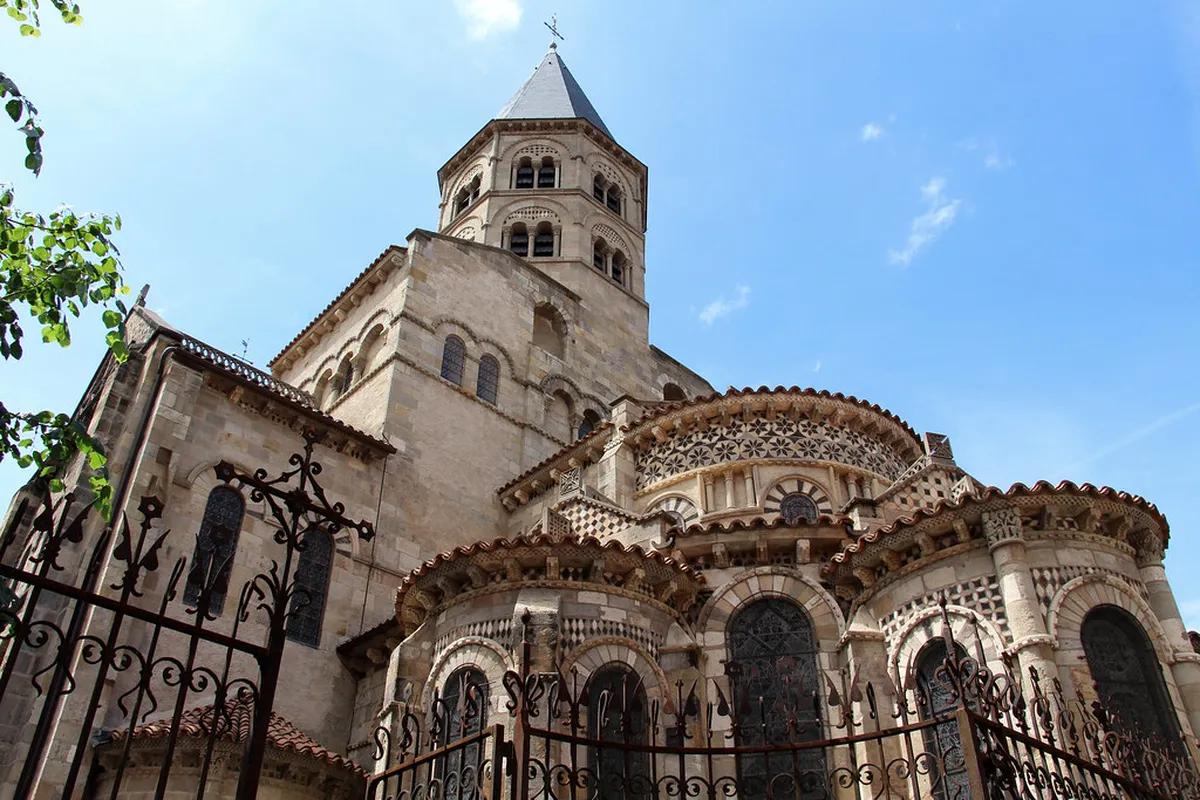
The Basilica of Notre-Dame du Port stands as the crown jewel of local religious history. This UNESCO World Heritage site represents the peak of Auvergne Romanesque design. It was built primarily during the twelfth century using light-colored arkose sandstone. The church features a perfectly balanced chevet that delights modern architects and historians.
Inside the basilica, you will find some of the most famous sculpted capitals in France. These carvings depict biblical scenes with expressive faces and intricate floral patterns. The choir is surrounded by four radiating chapels that create a beautiful symmetry. You should spend time studying the Notre-Dame du Port basilica architecture during your visit.
The crypt remains one of the most sacred parts of the entire building. It houses a small black madonna statue that attracts many pilgrims every year. The atmosphere underground is cool and silent, offering a peaceful space for quiet reflection. Many visitors find the contrast between the dark crypt and bright nave very moving.
Restoration projects in recent years have returned the interior to its former medieval glory. The stone has been cleaned to reveal its natural warmth and texture. You can see the subtle shifts in color across the vaulted ceiling. This careful preservation ensures that future generations can appreciate this historical masterpiece.
The exterior of the church is equally impressive with its mosaic-like stone patterns. These decorative elements use different colored rocks to create geometric shapes on the walls. It is a signature feature of the regional style found in this part of France. Walk around the entire building to see every unique detail from different angles.
Distinctive Features of Auvergne Romanesque Style
The Romanesque churches Clermont-Ferrand history is defined by several very specific architectural traits. One major feature is the presence of a central tower over the transept crossing. These towers often have an octagonal shape that gives the buildings a sturdy appearance. They were designed to be visible from far away across the volcanic plains.
Another key element is the use of the Carolingian western block in some early designs. This massive entrance structure provided extra space for various liturgical ceremonies. Builders also incorporated high galleries above the side aisles for additional structural support. These architectural choices allowed for larger interior spaces without risking a roof collapse.
The use of rounded arches is the most recognizable trait of this building style. These arches appear in windows, doorways, and the main nave arcades. They provide a sense of weight and permanence to the holy structures. You will notice how the thick walls keep the interiors cool even during hot summers.
Decorative lintels often sit above the main doorways to greet the entering faithful. These stones feature complex carvings of Christ in Majesty or the Last Judgment. The artists used these visual tools to teach religious lessons to the illiterate population. It was an effective way to communicate complex spiritual ideas through simple stone images.
You can see how these styles evolved by taking a Clermont-Ferrand medieval architecture walk through the city. The transition from early Romanesque to the later Gothic style is visible in several places. Look for the changing shapes of the windows as you move between different districts. History is written in the very stones of these ancient urban pathways.
The Impact of Volvic Stone on History
Clermont-Ferrand is famous for its use of dark volcanic rock in many buildings. This material is known as Volvic stone and comes from nearby ancient lava flows. It is extremely durable and resistant to the effects of weather and pollution. Many builders chose this stone for its strength and striking dark gray color.
While the Cathedral is the most famous dark building, many Romanesque elements used it too. You will see Volvic stone buildings scattered throughout the historical center. The dark rock provides a dramatic contrast to the lighter sandstone used in earlier periods. It marks a significant shift in the city's architectural identity over time.
Extracting this stone required great skill from the local quarry workers in the mountains. They had to transport the heavy blocks down into the city using carts. This process was expensive and time-consuming during the medieval era. Only the most important religious and civic projects could afford such premium materials.
The texture of Volvic stone allows for very fine and detailed decorative carving. Sculptors took advantage of this property to create intricate patterns on columns and doorways. Even after centuries, these carvings remain sharp and clearly visible to the naked eye. The stone serves as a lasting record of the talent of local craftsmen.
In 2025, the dark facades continue to give the city a unique and moody atmosphere. The stones change color slightly depending on the light and the current weather. On rainy days, the buildings look almost black and very imposing. During sunset, the dark surfaces can take on a warm and purple glow.
Medieval Urban Layout and Church Placement
The Romanesque churches Clermont-Ferrand history is tied to the city's old street plan. Religious buildings were often placed at the center of bustling market districts. This ensured that the church remained at the heart of daily social life. People would gather in the squares outside the churches to trade and talk.
Narrow streets still wind their way toward the major Romanesque sites today. These paths were designed to provide easy access for pedestrians and horse-drawn carriages. The tall church towers served as navigation points for people traveling through the city. You can never truly get lost when the towers are always in sight.
Many smaller chapels were built near the city walls for protection and prayer. These sites offered a place of refuge for travelers arriving after the gates closed. They also served the spiritual needs of the soldiers stationed at the fortifications. Each small building contributed to the overall religious landscape of the medieval town.
Archaeologists have found remains of even older wooden churches beneath the current stone structures. This shows that the sites have been considered sacred for many centuries. The transition to stone allowed for larger congregations and better fire protection. It was a major technological leap for the growing urban population.
Walking through these areas today feels like stepping back into the twelfth century. The scale of the buildings is still very human and easy to explore. You can find quiet courtyards tucked away behind the massive stone walls. These hidden spaces offer a glimpse into the private side of medieval life.
Essential Tips for Your 2025 Heritage Visit
Planning a visit to see the Romanesque sites requires a bit of preparation. Most churches are open to the public from early morning until sunset. Admission is generally free, but donations are always welcomed for building maintenance. Be sure to check the local schedule for any special religious services.
Wear comfortable walking shoes because the historical center has many cobblestone streets. The terrain can be uneven and steep in certain parts of the old town. You will likely spend several hours on your feet exploring the different sites. Bring a small bottle of water to stay hydrated during your summer walks.
Photography is usually allowed inside the churches if you do not use a flash. Respect the silence of the spaces, especially when people are there to pray. It is best to visit during the weekdays to avoid the largest weekend crowds. Early morning light provides the best conditions for capturing the beauty of the stone.
You might want to hire a local guide for a more detailed historical perspective. Many experts offer specialized tours focusing on the Romanesque period and local art. They can point out small details that most casual visitors usually miss. These tours often include access to areas not always open to the general public.
The city has several excellent museums that provide context for the local architecture. Visit the Musee d'Art Roger-Quilliot to see salvaged medieval sculptures and religious artifacts. These exhibits help you understand the social world that created the great churches. It is a perfect way to round out your architectural tour of the city.
Preservation of Medieval Religious Art
Maintaining these ancient structures is a constant challenge for the local government. The stone is sensitive to modern air pollution and vibrations from heavy traffic. Specialized teams of conservators work year-round to monitor the condition of the walls. They use traditional techniques to repair any damage caused by the passage of time.
The stained glass windows also require regular cleaning and occasional structural reinforcement. Many of these windows are not original but represent later historical additions. They still add to the overall beauty and spiritual atmosphere of the interiors. Protecting these delicate glass pieces is a top priority for the church authorities.
Educational programs help local children learn about their unique architectural heritage. Schools often organize field trips to the Basilica of Notre-Dame du Port. By teaching the youth, the city ensures that the value of these sites is remembered. This creates a community that is dedicated to long-term preservation efforts.
Digital scanning technology is now being used to create 3D models of the churches. These records provide a perfect backup of the architectural details for future researchers. If any part of a building is damaged, it can be accurately rebuilt. Technology and history now work together to keep the past alive for us.
International grants often support the largest and most expensive restoration projects. This funding allows for deep cleaning of the stone and roof replacements. The result is a city center that looks vibrant and well-cared for in 2025. You will appreciate the dedication that goes into keeping these monuments standing tall.
Frequently Asked Questions
What is the oldest Romanesque church in Clermont-Ferrand?
The Basilica of Notre-Dame du Port is widely considered the most significant and oldest complete example. Most of the current structure dates back to the early twelfth century. It replaced an even older church that was destroyed during earlier conflicts. You can see the evolution of building styles within its walls.
Is it free to visit the Romanesque churches in the city?
Yes, most Romanesque churches in Clermont-Ferrand are free for the public to enter. They are active places of worship, so please be respectful of ongoing services. Some specific areas like museums or special exhibitions might require a small fee. Donations are always encouraged to help with the high cost of stone preservation.
How long does it take to see the major Romanesque sites?
You should plan for at least one full day to see the main sites comfortably. This allows time to walk between locations and enjoy a local lunch. If you want to study the architectural details closely, two days is much better. The city is very walkable, making it easy to see multiple churches in one afternoon.
Why are some churches in Clermont-Ferrand black?
Many buildings in the city are constructed from dark Volvic lava stone. This volcanic rock is naturally dark gray or black in appearance. It is a very strong material that has been used for centuries in local construction. The color gives the city a unique look that sets it apart from other French towns.
The Romanesque churches Clermont-Ferrand history offers a fascinating journey into the medieval soul of France. From the light sandstone of Notre-Dame du Port to the dark Volvic stones, the variety is stunning. These monuments stand as a testament to the enduring skill of ancient master builders. Visit Clermont-Ferrand in 2025 to experience this incredible stone heritage for yourself. You can find more details on a Clermont-Ferrand architecture history guide online. Start planning your walking tour today to see these historical wonders in person.
Key Takeaways
- The Basilica of Notre-Dame du Port is a UNESCO site and a must-see masterpiece.
- Unique Volvic lava stone gives many local buildings their distinctive dark gray color.
- Auvergne Romanesque style features octagonal towers and beautifully carved stone capitals.
- Most historical churches are free to visit but require respectful behavior during services.
- Clermont-Ferrand is a highly walkable city perfect for an architectural heritage tour in 2025.
Related reads: streetartly.com, street art and architecture in clermont ferrand, clermont ferrand street art guide.