
Street Art and Architecture in Clermont-Ferrand Guide
Discover street art and architecture in Clermont-Ferrand. Explore lava stone cathedrals and modern murals. Plan your 2025 French art adventure with our guide!
On this page
Clermont-Ferrand is a vibrant city located in the heart of the scenic Auvergne region of central France. The city offers a stunning mix of street art and architecture in Clermont-Ferrand for every curious traveler. You can explore ancient dark volcanic buildings alongside modern murals that decorate the historic urban landscape today. This guide highlights the best Clermont-Ferrand art and culture spots for your 2025 journey through this area.
The city sits on a plain surrounded by a massive range of dormant and ancient volcanic peaks. These volcanoes provided the unique black lava stone used for many of the most iconic local structures. Walking through the streets feels like traveling through different centuries of French history and creative artistic expression. You will find hidden gems around every corner as you wander through the winding and narrow city alleys.
Iconic Black Lava Stone Masterpieces
The architecture in Clermont-Ferrand is famous for its striking use of dark volcanic stone from nearby Volvic quarries. This heavy material gives the city a unique and slightly moody atmosphere that sets it apart from others. The most famous example is the massive Cathedral of Notre-Dame de l’Assomption which dominates the local skyline. Its dark gothic spires reach high above the rooftops and can be seen from almost any city point.
Construction of this impressive cathedral began in the thirteenth century and took several hundred years to fully complete. The intricate carvings on the exterior walls show the incredible skill of medieval masons working with tough stone. Inside you will find beautiful stained glass windows that contrast sharply with the dark and somber interior walls. The cathedral remains a central hub for visitors who want to experience the deep history of the region.
Beyond the cathedral many smaller buildings in the historic center also feature this distinctive and durable black volcanic rock. You will notice dark fountains and elegant townhouses that have stood the test of time for many centuries. These structures create a dramatic backdrop for the colorful street art that now decorates many of the walls. The contrast between ancient stone and modern paint is one of the most exciting aspects of the city.
Walking tours often focus on these lava stone buildings because they tell the story of the local volcanic landscape. Guides explain how the stone was harvested and transported from the mountains to build this grand dark city. You can join a tour for about fifteen euros to learn more about these fascinating architectural achievements today. Do not forget to bring your camera to capture the play of light on the dark surfaces.
Vibrant Modern Street Art and Murals
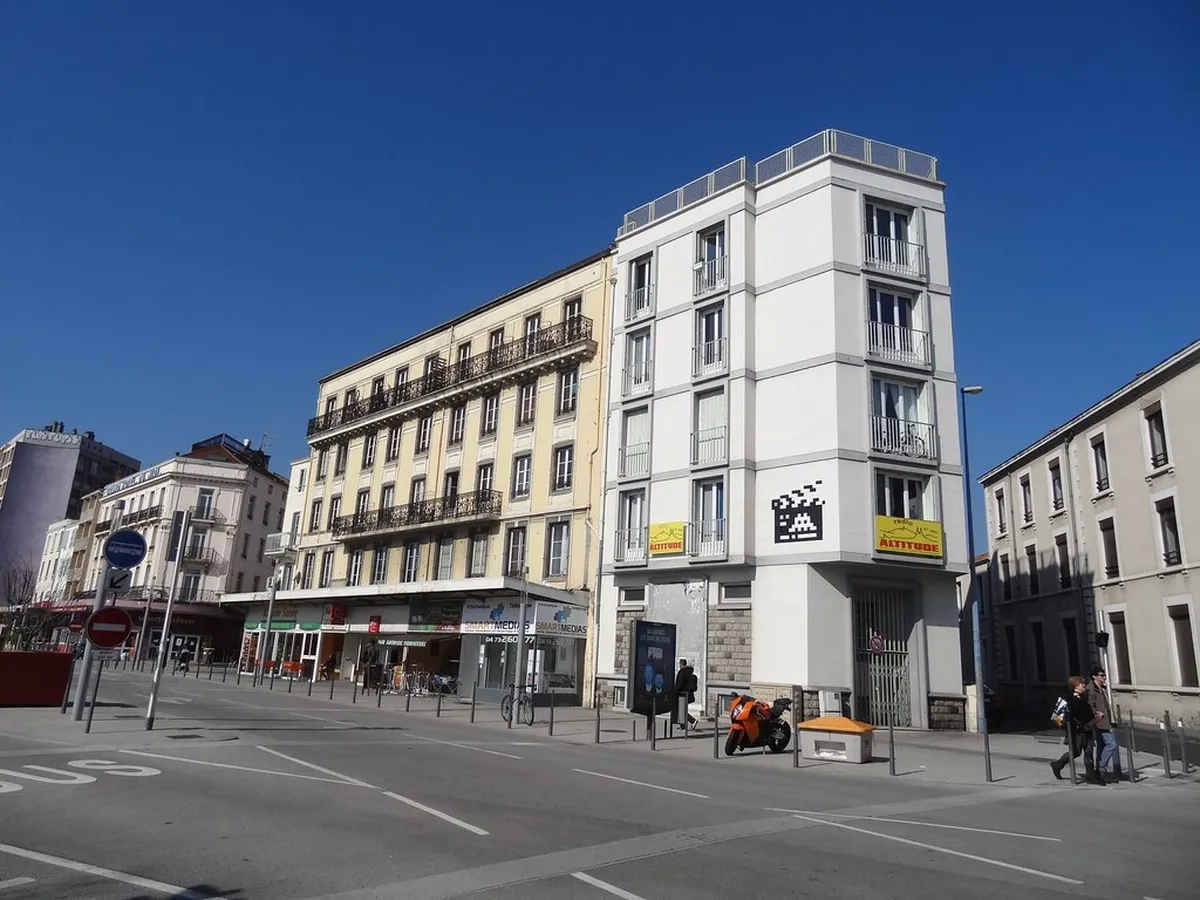
While the architecture is ancient the street art scene in Clermont-Ferrand is fresh and constantly evolving for visitors. Local and international artists use the city walls as a canvas to express modern ideas and social messages. You can find massive murals that cover entire apartment blocks in the suburbs and near the train station. These colorful additions provide a wonderful contrast to the dark volcanic stone found in the older city districts.
The best street art locations in Clermont-Ferrand include the industrial zones and the streets surrounding the city center. Many of these artworks are commissioned by the city to revitalize urban spaces and encourage public art engagement. You will see various styles ranging from classic graffiti tags to highly detailed and realistic portrait paintings today. Each mural tells a different story about the community or the artist who created the bold visual work.
In 2025 the city continues to host festivals that invite artists to paint new murals on public walls. These events transform the streets into an open-air gallery that everyone can enjoy for free throughout the year. You might even see artists at work if you visit during one of the popular summer art festivals. It is a great way to see how the city bridges the gap between history and modernity.
Some murals are hidden in quiet courtyards or down narrow side streets that travelers often miss on tours. Exploring these lesser-known areas allows you to discover the more intimate side of the local street art scene. Many pieces interact with the surrounding architecture by using windows or doors as part of the overall design. Take your time to walk slowly and look up to find these clever and creative artistic details.
Romanesque Gems and Historic Churches
Clermont-Ferrand is home to some of the most important Romanesque architecture in Clermont-Ferrand and the surrounding Auvergne province. The Basilica of Notre-Dame du Port is a primary example of this style and is a UNESCO site. Its rounded arches and detailed stone carvings represent the peak of Romanesque design from the eleventh and twelfth centuries. The church is built from lighter sandstone which provides a visual break from the dark volcanic stone nearby.
The interior of the basilica features capital stones carved with biblical scenes and complex floral and geometric patterns. These carvings served as a visual Bible for the people who could not read during the Middle Ages. Visitors can enter the basilica for free and admire the peaceful atmosphere and the ancient religious artistic history. The building underwent a major restoration recently to preserve its beauty for many more generations to come.
The layout of the historic center still follows the medieval plans that were established many hundreds of years ago. You can walk through narrow streets that open into small squares with historic fountains and charming local shops. Each square usually features a small church or a historic building with significant architectural or local cultural value. These areas are perfect for a quiet afternoon stroll away from the busier and modern shopping streets.
Preservation efforts in Clermont-Ferrand ensure that these historic buildings remain in excellent condition for all modern travelers. The city takes great pride in maintaining its architectural heritage while also embracing new and modern artistic trends. You can see this balance in the way old churches are often located near contemporary art installations today. It is a city that respects its past while looking forward to a very bright future.
Contemporary Design and Innovation
Modern buildings in the city show a commitment to contemporary buildings in Clermont-Ferrand and innovative urban planning solutions. One of the most striking structures is the Michelin headquarters which features a very sleek and modern glass facade. This building represents the industrial history of the city as a world leader in tire manufacturing and technology. The design uses light and transparency to create a sharp contrast with the heavy stone of the center.
The FRAC Auvergne is another excellent example of how modern design can integrate with the existing historic urban fabric. This contemporary art museum is housed in a renovated building that blends old stone with modern glass and steel. It hosts rotating exhibitions of modern art that complement the street art found throughout the city streets today. Entry fees are usually very affordable and the museum provides a great indoor activity for rainy days.
New residential projects in the outskirts of the city also showcase sustainable architecture and modern French living standards. These buildings often incorporate green spaces and solar panels to reduce their overall impact on the local environment. You can see how the city is expanding while keeping a focus on quality design and long-term sustainability. The tram system also reflects this modern approach with its sleek cars and efficient routes through town.
Innovation is not just about buildings but also about how public spaces are designed for the local community. The Place de Jaude is the main square and features a mix of historic statues and modern fountain designs. It is the heart of the city where people gather for events or to enjoy the open space. The square is beautifully lit at night making it a perfect spot for evening photography and walks.
Finding Hidden Murals and Art Spots
To find the best off-the-beaten-path murals in Clermont-Ferrand you must venture away from the main tourist paths. Many local artists choose quiet residential neighborhoods to paint their most personal and creative street art pieces today. You might find a small stencil on a drainpipe or a massive piece on a forgotten garage door. These discoveries make a walking tour of the city feel like a real treasure hunt for art.
The neighborhood of Montferrand is particularly interesting because it was once a separate town with its own distinct identity. It features medieval timber-framed houses and narrow streets that are perfect for finding hidden street art and murals. The mix of medieval wood and modern spray paint creates a unique visual experience for every passing traveler. Many visitors find this area to be the most atmospheric part of their entire French trip.
Local galleries also showcase the work of street artists who have transitioned into more traditional and formal art spaces. You can visit these galleries to see smaller works and perhaps buy a piece of local art for yourself. This supports the local creative community and allows you to take a piece of the city home. Check the local tourism office for a list of current exhibitions and gallery locations during your stay.
Social media is a great tool for finding the latest murals that have been painted in the city recently. Many artists post the locations of their new works so that fans can go and see them quickly. You can follow local street art hashtags to stay updated on the newest additions to the urban gallery. This ensures that you do not miss any of the newest and most exciting street art pieces.
Planning Your 2025 Art Adventure
When planning your trip it is helpful to look at best walking routes in Clermont-Ferrand to maximize your time. Start your morning at the Place de Jaude and then walk toward the black cathedral in the center. From there you can explore the narrow streets of the historic district and look for hidden street art. Give yourself at least two full days to see both the main sights and the hidden gems.
The best time to visit for an art walk is during the spring or fall when the weather is mild. Summer can be quite hot especially when walking on the dark stone streets that absorb and hold the heat. Winter offers a different perspective with fewer crowds and a cozy atmosphere in the many local cafes and shops. Be sure to wear comfortable walking shoes as many of the historic streets are paved with cobblestones.
Public transport is very efficient but the city center is best explored on foot to see the small details. The tram line connects the main train station to the city center in just a few short minutes. You can buy a day pass for around five euros which allows for unlimited travel on buses and trams. This is useful if you want to visit the street art murals located in the outer suburbs.
Do not forget to sample the local cuisine between your visits to the many art and architecture sites today. The Auvergne region is famous for its hearty cheeses and traditional dishes like truffade made with potatoes and cheese. Many small bistros are located in historic buildings offering a perfect mix of local flavor and architectural charm. Enjoying a meal in a medieval courtyard is a highlight for many travelers visiting the area.
Frequently Asked Questions
What is the best time to visit the black cathedral?
The best time to visit is during the morning when the light hits the stained glass windows perfectly. You should check the cathedral visiting hours before you go to avoid any scheduled religious services. Entry is free but donations are always welcome to help with the ongoing maintenance of the building.
Are there guided street art tours in the city?
Yes several local organizations offer guided walks that focus specifically on the vibrant street art scene. These tours often take you to the best murals and explain the stories behind the different artworks. You can also find self-guided maps at the tourism office if you prefer to explore alone. Most guided tours last about two hours and cost around twelve to fifteen euros per person.
Is Clermont-Ferrand a safe city for walking at night?
Clermont-Ferrand is generally considered very safe for travelers who want to explore the city after the sun sets. The main squares and shopping streets are well-lit and usually busy with locals and other tourists today. Always stay aware of your surroundings when walking through quieter residential areas or near the main train station. Stick to the main paths if you are unfamiliar with the city layout during the night hours.
How do I get to the volcanic quarries from the city?
You can take a short bus ride or drive to the nearby town of Volvic to see the quarries. Many of the sites offer tours that explain how the dark stone was extracted for the city buildings. It is a fascinating trip for anyone interested in the natural history and architecture of the region. The journey takes about twenty minutes by car from the center of Clermont-Ferrand.
Clermont-Ferrand offers a truly unique experience for anyone who loves street art and architecture in a historic setting. From the dark volcanic spires to the bright modern murals there is always something new to see here. Use this guide to explore the rich architecture history of Clermont-Ferrand and its modern creative spirit today. Plan your visit for 2025 and discover the magic of this volcanic French city for yourself!
Key Takeaways
- Visit the dark black cathedral to see the unique use of local volcanic Volvic stone.
- Explore the industrial districts and suburbs to find the most impressive modern street art murals.
- The Basilica of Notre-Dame du Port is a must-see for fans of classic Romanesque architecture.
- Use the efficient tram system to reach art spots located outside the historic city center.
- Wear comfortable shoes for walking on the many cobblestone streets found in the old town.