
Clermont-Ferrand Medieval Architecture Walk Guide
Discover the best Clermont-Ferrand medieval architecture walk in 2025. See Romanesque gems and black lava stone cathedrals on this expert tour. Plan your visit now!
On this page
Clermont-Ferrand offers a unique journey through ancient history for every curious traveler today. You can explore the city on a Clermont-Ferrand medieval architecture walk this year. The city is famous for its dark volcanic stone buildings and narrow winding streets. Many travelers visit to admire the stunning Romanesque architecture Clermont-Ferrand provides. You will see centuries of French heritage in just one afternoon of walking. The city center is compact and very easy to navigate on foot.
Notre-Dame du Port: A Romanesque Masterpiece
Start your journey at the Basilica of Notre-Dame du Port in the historic center. This site is a UNESCO World Heritage treasure that tourists must visit in 2025. It represents the peak of the local Auvergne Romanesque style from the 12th century. Builders finished the current structure using light-colored sandstone and local volcanic arkose rock. It remains one of the most important religious buildings in central France.
The exterior of the basilica features beautiful stone mosaics and intricate geometric patterns. These designs are made from various colors of volcanic rock found in the region. The octagonal bell tower was reconstructed during the 19th century after a major collapse. It fits perfectly with the original medieval aesthetic of the entire building. Look for the small carved figures that decorate the outer walls and windows.
Step inside to see the impressive nave and its narrow side aisles and high vaults. The capitals are the most famous feature of the interior space for art lovers. They depict various biblical scenes such as the struggle between virtues and human vices. Each carving shows the incredible skill of medieval French sculptors from centuries ago. Study the Notre-Dame du Port basilica architecture details during your visit for more insight.
Descending into the crypt reveals a sanctuary dedicated to the holy Virgin Mary. The space holds a small and highly venerated statue of the local Black Madonna. Pilgrims have visited this underground chapel for over eight hundred years of history. The atmosphere here is peaceful and perfect for quiet reflection during your busy trip. You can feel the weight of history in the cool air of the crypt.
Visiting the basilica is completely free for all travelers during the current year. It is open every day from 8:00 AM until late in the evening. The site is located just a short walk from the main city squares. Please remember to maintain silence as it is still an active place of worship. You will find it at 4 Rue Notre Dame du Port.
The Black Cathedral of Clermont-Ferrand
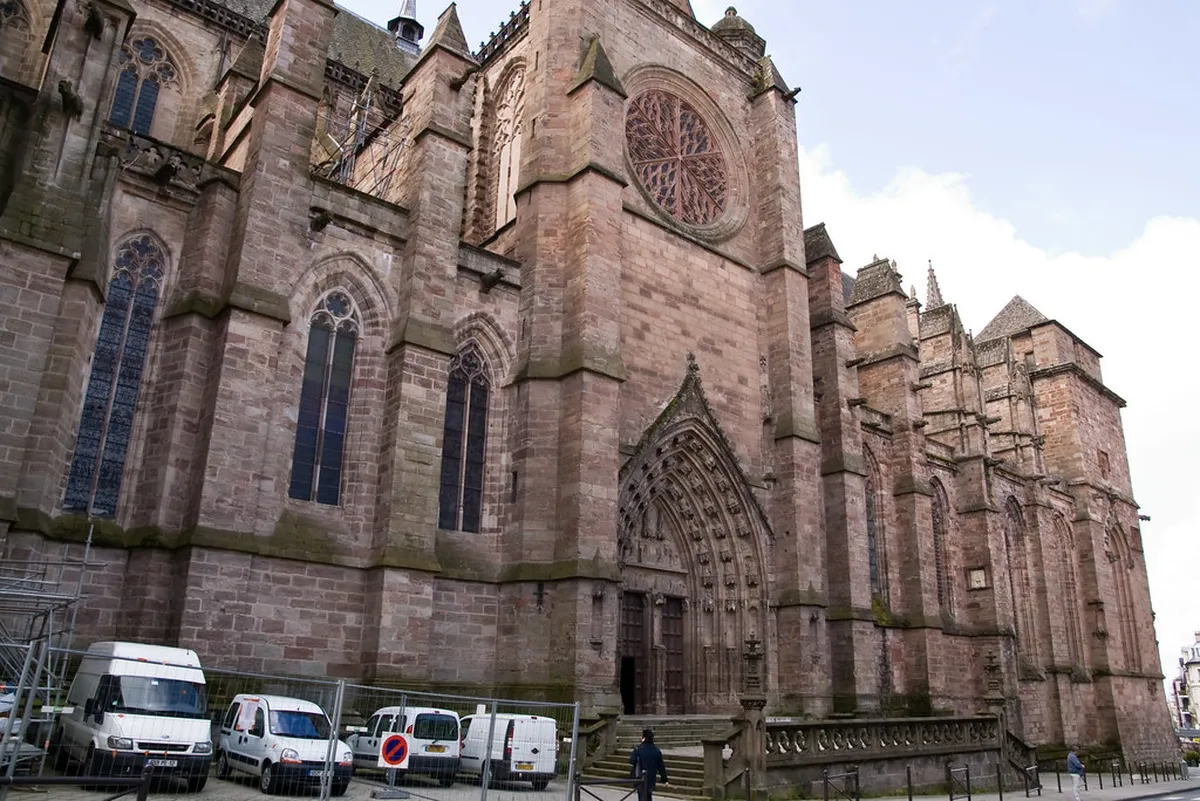
Continue your walk to the Cathédrale Notre-Dame-de-l'Assomption in the heart of town. This massive gothic structure dominates the entire city skyline with its twin black spires. Its dark color comes from the local Volvic lava stone used during construction. No other cathedral in France shares this unique and dramatic appearance today. The building stands on top of a central volcanic hill for all to see.
Construction on this site began in the 13th century under the architect Jean Deschamps. It took several hundred years to complete the spires and the main façade. You can climb the Bayette tower for incredible views of the surrounding mountains. The climb costs about five euros per adult and is worth the effort. You will see the entire city stretching out toward the green volcanic peaks.
The stained glass windows inside date back to the medieval and Renaissance eras. They cast vibrant colors across the dark and moody stone floors during the day. You will find the Cathedral of Notre-Dame in Clermont at the very center of the city. The large square outside is perfect for a short break during your walk. Many cafes offer great views of the gothic portal and carvings.
Look for the intricate gargoyles lining the upper levels of the dark exterior walls. These strange figures protect the stone walls from rainwater damage through the centuries. They also add a mysterious and ancient atmosphere to the building for photographers. Photography is allowed inside the nave but you must avoid using a flash. Take time to admire the high ceilings and the massive stone pillars.
The interior organ is also a masterpiece of French craft and musical history. It features complex wood carvings that match the grandeur of the surrounding stone. Regular concerts take place here throughout the year for the local community. Entry to the main cathedral area is free for all visitors to enjoy. It is an essential stop on any architecture tour of the region.
Walking Through the Historic Old Town
The streets surrounding the black cathedral are filled with centuries of local history. You will find several medieval houses along the narrow Rue des Gras. These buildings feature traditional timber frames and solid stone bases from the middle ages. Many have stood for over five hundred years despite the passage of time. The architecture reflects the wealth of the merchant class in ancient times.
Wander through the narrow alleys near the central Place de la Victoire. This area served as the heart of the medieval city for many generations. You can still see the original street layouts in the pedestrian zones today. The stones under your feet have seen many important events throughout French history. It is the perfect place to get lost and find hidden gems.
Many old mansions hide beautiful interior courtyards behind large wooden carriage doors. Look for the Maison de l'Éléphant located on the busy Rue des Gras. It is one of the oldest residential houses still standing in the city. The façade features Romanesque windows and carved stone details from the 12th century. These details show how architecture evolved in the city over the years.
Take your time to explore the small boutiques and local artisan shops nearby. You will find local crafts and traditional treats from the Auvergne region. This part of the walk is very easy for people of all ages. The terrain is mostly flat and very friendly for pedestrians and families. It offers a great glimpse into the daily life of the city.
Look up to see the various coats of arms carved above the doorways. These symbols represent the noble families that once lived in these grand houses. Each street corner offers a new perspective on the medieval heritage of France. Stop at the local tourist office for a free map of the area. They can point out specific houses with the most interesting historical stories.
Volvic Stone and Medieval Building Materials
The use of lava stone defines the city's unique and dark aesthetic. Medieval masons chose this rock for its incredible durability and local availability. It comes from the nearby volcanoes of the famous Chaîne des Puys range. This Volvic stone medieval buildings use is iconic and very rare. You will not see this material used so extensively in other cities.
The dark grey color provides a moody and dramatic feel to every street. It resists the harsh mountain weather and winter snow very effectively over time. You can see the tool marks on many older walls in the town. These marks show the hard work of ancient craftsmen using manual tools. They shaped each block by hand to fit into the massive walls.
Builders used lighter limestone for some decorative interior elements in the local churches. This contrast highlights the beauty of the dark volcanic rock quite well. Modern architects still use Volvic stone for new projects in the city today. It maintains a visual link to the medieval past and regional identity. The stone is a symbol of the volcanic heart of France.
Visit the local museum to learn about ancient stone masonry and construction. They display tools used by medieval workers for visitors to see in 2025. You will appreciate the buildings much more after learning about the process. The history of the stone is the history of the city itself. Many quarries are still active in the nearby village of Volvic.
The stone is also used for many of the city's famous public fountains. It holds detail very well and does not erode easily from water. You can see fine carvings on the fountain basins throughout the old town. These features have survived for centuries thanks to the strength of the rock. It is a testament to the wisdom of medieval builders.
The Hidden Fountains and Medieval Squares
Clermont-Ferrand is also a city of beautiful ancient fountains and small squares. Many date back to the late medieval and early Renaissance periods in France. The Fontaine d'Amboise is a particularly famous local landmark for all tourists. It features intricate carvings and multiple tiers of dark volcanic stone. You can find it near the cathedral in a quiet corner.
You will find these water features in many small squares across the center. They provided essential water to the medieval population for many hundreds of years. Today they serve as popular meeting points for locals and tired travelers. Each fountain tells a different story about the growth of the city. They add a relaxing sound of water to the urban environment.
The Place de la Poterne offers a great viewpoint for your final stop. You can see the rooftops of the old town from this high point. It is a perfect spot to end your architecture walk at sunset. The sun sets behind the volcanoes in the distance for a view. You can see the Puy de Dôme peak clearly from here.
The walk should take you about three hours to complete at a pace. Wear comfortable shoes as some streets are made of old cobblestones. Keep a map handy to find the smaller side streets and passages. The tourist office provides free paper maps for all visitors during the day. You will enjoy the history much more with a guided route.
Many squares host local markets where you can buy regional cheese and wine. These markets follow traditions that started in the middle ages for local trade. It is a great way to experience the culture of the Auvergne. Try the Saint-Nectaire cheese which has been made here for centuries. It is the perfect snack after a long walk through history.
Frequently Asked Questions
How long does the Clermont-Ferrand medieval architecture walk take?
The walk usually takes between two and three hours to complete fully. This time allows for short stops at the major churches and squares. You may want more time if you plan to climb the tower. The route is about three kilometers long in total distance.
Is there an entry fee for the medieval churches?
Entry to the major churches is free for all visitors in 2025. This includes the Basilica of Notre-Dame du Port and the main cathedral. Some specific areas like the tower climb may require a small fee. Donations are always welcome to help with the ongoing building maintenance.
What is the best time of year for this architecture walk?
Spring and autumn offer the most pleasant weather for walking in the city. The summer months can be quite warm but offer longer daylight hours. Winter brings a beautiful atmosphere but can be very cold in the mountains. Plan your visit for May or September for the best experience.
Are the medieval streets accessible for people with strollers?
Most of the main streets in the old town are pedestrian-friendly today. However some smaller alleys have uneven cobblestones and narrow sidewalks to navigate. The area around the cathedral is mostly flat and easy to access. It is best to use a sturdy stroller for the old stones.
Clermont-Ferrand is a hidden gem for fans of ancient European history and art. A Clermont-Ferrand medieval architecture walk reveals the soul of this volcanic city. You will leave with a deep appreciation for the skills of medieval masons. Plan your visit today to see these incredible stone wonders for yourself. For more local tips check out our Clermont-Ferrand travel guide online. Enjoy your journey through the historic streets of the Auvergne region.
Key Takeaways
- Visit Notre-Dame du Port to see world-class Romanesque carvings.
- Admire the unique black Volvic stone used for the city cathedral.
- Explore the narrow alleys of the old town for hidden mansions.
- Wear comfortable walking shoes for the historic cobblestone streets.
- Entry to the most important medieval religious sites is free.
Related reads: street art and architecture in clermont ferrand, romanesque churches clermont ferrand history.