
Clermont-Ferrand Urban Development Timeline Guide
Explore the Clermont-Ferrand urban development timeline from Roman roots to 2025. Learn about city planning and architecture history in this guide.
On this page
Discover the fascinating Clermont-Ferrand urban development timeline in this comprehensive 2025 travel guide. This city rests within the shadows of dormant volcanoes in the heart of central France. Its streets tell a story of volcanic stone, industrial giants, and ancient Roman roots. Visitors today find a unique blend of historical charm and modern architectural innovation throughout the city.
Understanding the local landscape requires looking deep into the volcanic past of the Auvergne region. The city layout reflects centuries of growth from two distinct historical centers. This guide helps you navigate the streets while appreciating the unique heritage of this French gem. Whether you love history or modern design, the city offers something special for every traveler.
Roman Roots and Medieval Expansion
The story begins with the Roman city of Augustonemetum founded on the central hill. Engineers designed a classic grid system that influenced early urban growth for centuries. Local builders used black volcanic stone known as Pierre de Volvic for major structures. This distinctive dark material defines the unique Clermont-Ferrand architecture history even today.
During the Middle Ages, two separate towns developed within a few miles of each other. Clermont served as a religious center while Montferrand thrived as a commercial trade hub. King Louis XIII eventually ordered the union of these two rivals in 1630. This merger created the twin-centered layout that characterizes the modern urban landscape.
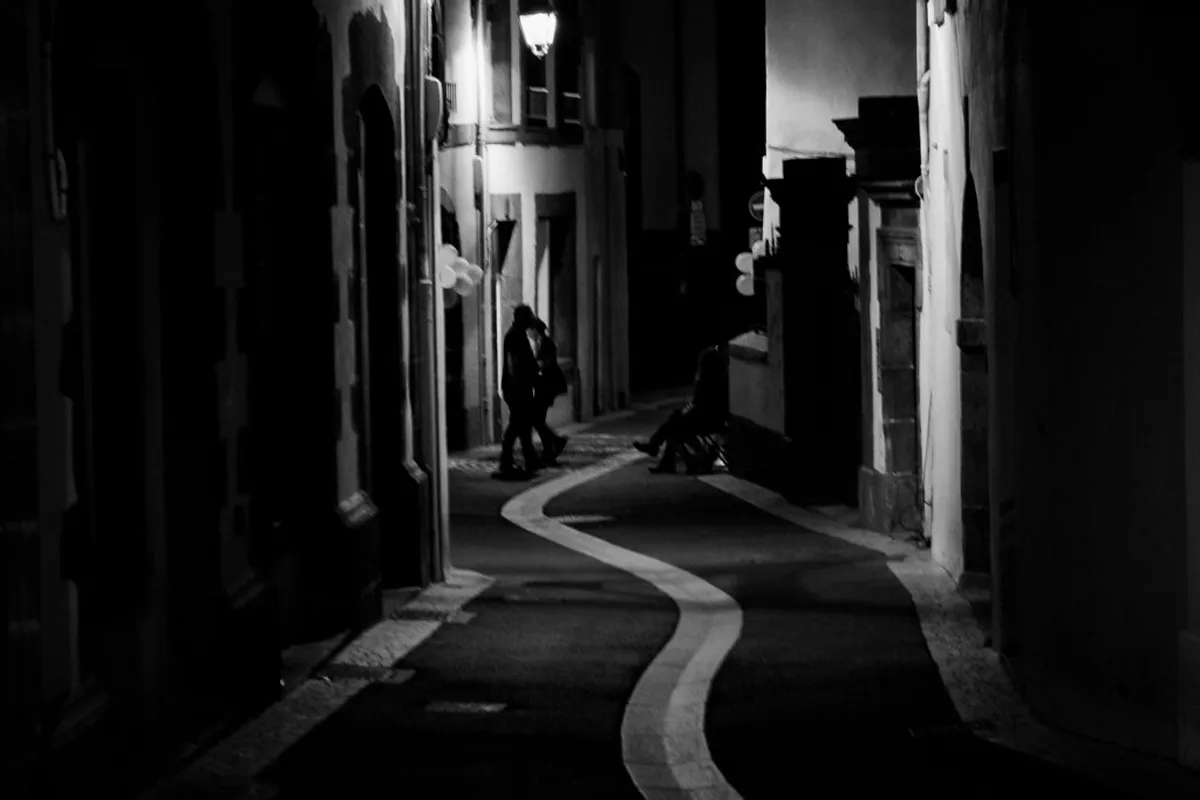
The defensive walls of the medieval period shaped the narrow streets of the historic core. You can still see the circular patterns of these ancient fortifications in the city maps. Small courtyards and hidden passageways remain from this era of dense urban living. Walking through these areas feels like stepping back into the heart of old France.
Renaissance influences later added elegance to the rugged volcanic stone facades of the city. Wealthy merchants built private mansions with ornate carvings and grand staircases during this period. These buildings showcased the prosperity brought by the city's role as a regional capital. Preservation efforts in 2025 ensure these historic treasures remain visible for all visitors.
The Rise of Industrial Urbanism
The 19th century brought massive changes to the Clermont-Ferrand urban development timeline. André and Édouard Michelin established their global tire headquarters here in 1889. The factory's success led to rapid expansion and the construction of massive worker estates. These "Cités Michelin" provided housing, clinics, and schools for thousands of local employees.
Industrial growth required a complete rethink of the local transportation and housing infrastructure. Wide boulevards were cut through older districts to allow for better movement and light. The city expanded beyond its ancient borders to accommodate the growing population of workers. This era marked the transition from a provincial town to a modern industrial powerhouse.
The Michelin family influenced more than just the local economy and factory production. They funded public parks, stadiums, and community centers throughout the expanding urban areas. Their vision of paternalistic urbanism created a unique social landscape in the city's northern districts. You can still explore these orderly neighborhoods to see the industrial legacy firsthand.
Transportation improvements during this era included the introduction of the first steam-powered trams. These routes connected the industrial zones with the residential heart of the city. Better connectivity allowed the urban sprawl to reach the base of the surrounding volcanic hills. This growth set the stage for the modern metropolitan area we see today.
Religious Architecture and City Identity
No study of the city's growth is complete without mentioning the iconic black cathedral. Construction on the Cathedral Notre-Dame de l’Assomption spanned several centuries. Its dark volcanic spires dominate the skyline and serve as a central navigation point. The building remains the only cathedral in France constructed entirely from black volcanic stone.
Nearby, the Basilica of Notre-Dame du Port showcases stunning Romanesque design and artistry. This UNESCO World Heritage site influenced the development of the surrounding neighborhood for generations. Pilgrims visiting the site required services that spurred local commercial growth around the church. The contrast between the two churches highlights the city's diverse religious history.
The placement of these religious sites determined the flow of pedestrian traffic for centuries. Markets and public squares naturally formed around the entrances of these grand stone structures. Today, these areas remain the most vibrant parts of the historic urban center. Visitors can enjoy cafes and shops while admiring the intricate details of the stone.
Modern preservation techniques focus on cleaning the volcanic stone without damaging its natural texture. In 2025, several restoration projects are underway to maintain the structural integrity of these monuments. These efforts ensure that the religious landmarks continue to define the city's visual identity. They stand as permanent reminders of the skilled craftsmanship of ancient local builders.
Modernist Expansion and New Materials
Post-war development shifted focus toward modern infrastructure and large-scale public housing projects. Architects introduced glass and steel elements to contrast with the traditional dark volcanic stone. You can see these changes in the evolution of Clermont-Ferrand buildings throughout the city. The city expanded rapidly to the south and east during the mid-20th century.
New university campuses and research centers were established to diversify the local economy. These institutions brought a younger population and a demand for modern residential facilities. Large apartment blocks rose in the suburbs to meet the urgent need for housing. This period emphasized functionality and efficiency over the decorative styles of the past.
The introduction of the modern tramway system in 2006 revolutionized local transportation. This project required a major redesign of several main squares and arterial roads. It successfully linked the historic center with the outer industrial and residential districts. The tram line became a catalyst for urban renewal projects along its entire path.
Public spaces underwent significant transformations to become more accessible and visually appealing. Designers focused on creating pedestrian zones that encouraged social interaction and outdoor activities. These changes reflected a global shift toward making cities more livable and human-centric. Modern architecture now complements the historic stone with light and transparent materials.
Sustainable Planning for 2025 and Beyond
Today, city planners prioritize green spaces and pedestrian-friendly zones to improve local living. Recent renovations around Place de Jaude have created a vibrant heart for the community. Modern projects now emphasize environmental sustainability while respecting the historical heritage of the city. Check out the Clermont-Ferrand art and cultural centers for the latest creative developments.
Urban gardens and vertical forests are becoming more common in new development proposals. Designers want to bring the natural beauty of the volcanoes into the city center. This approach helps reduce the heat island effect and improves the local air quality. Residents now enjoy more parks and walking trails than at any previous time.
The city is also investing in smart technology to manage traffic and energy consumption. Sensors throughout the urban grid help optimize public services and reduce waste efficiently. These innovations aim to make the city a leader in sustainable urban management. It is a bold step toward a greener future for the Auvergne region.
Future development plans include the revitalization of older industrial zones into creative hubs. Old factory buildings are being repurposed into galleries, workshops, and modern loft apartments. This strategy preserves the industrial history while providing space for new economic growth. The timeline of development continues to evolve with every new project.
Frequently Asked Questions
What is the oldest part of the Clermont-Ferrand urban development timeline?
The oldest part of the city is the central hill near the cathedral. This area was originally the site of the Roman city Augustonemetum. You can still see the ancient street patterns in the historic center. The medieval district of Montferrand also dates back several centuries as a commercial hub.
How did the Michelin factory affect city planning?
Michelin significantly expanded the city by building housing for thousands of workers. They created entire neighborhoods with their own schools, clinics, and parks. This "paternalistic" planning style shaped the northern part of the city. Today, these areas are recognized for their unique social and architectural history.
Why are the buildings in Clermont-Ferrand black?
Most historic buildings use Pierre de Volvic, a local volcanic stone. This rock is naturally dark grey or black and very durable. It was easily sourced from the nearby Chaîne des Puys volcanoes. The stone gives the city its distinctive and dramatic architectural appearance.
The Clermont-Ferrand urban development timeline shows a city that honors its past while embracing the future. From Roman foundations to 2025 green initiatives, the city continues to grow and change. Visitors can experience this history by walking the streets and visiting the volcanic stone monuments. Plan your trip today to see this architectural wonder in the heart of France.
Key Takeaways
- The city's unique black color comes from local Volvic volcanic stone.
- The 1630 union of Clermont and Montferrand created a rare dual-centered city.
- Michelin industrial growth transformed the urban landscape in the 19th century.
- Current 2025 urban planning focuses on sustainability and pedestrian-friendly green spaces.
Related reads: streetartly.com.