
Historic Dijon Architecture: A 2025 Travel Guide
Explore historic Dijon architecture in 2025. Discover medieval timber houses and grand palaces in Burgundy. Plan your architectural tour of Dijon today!
On this page
Welcome to the beautiful capital of Burgundy for your next great French vacation in the year 2025. This historic city offers a stunning mix of old styles for every curious traveler to enjoy today. This guide explores the best historic Dijon architecture that you must visit during your upcoming holiday stay. Plan your walking tour through the city center to see these amazing stone and wood structures now.
The city of Dijon preserved its unique heritage through many difficult centuries of fascinating French history. You will find layers of wonderful stories written on every single street in the old town area. Each building tells a unique story of French culture and the former power of the local dukes. Let us dive into the best local landmarks and explore the beauty of this French urban gem.
Medieval Timber Houses in the Old City
Timber-framed houses define the ancient narrow streets of the protected historical center of the city. Many of these structures date back to the 15th century in the beautiful old city districts. You can find them near the famous medieval architectural styles located throughout the pedestrian zones. Their dark wooden beams create beautiful patterns on the white and yellow plaster walls.
Maison Maillard is a prime example of this style for visitors to see on a morning walk. It features intricate wood carvings and very small stone details around the many window frames. Visitors often stop here to take photographs of the grand facade during their daily city tours. The building remains a strong symbol of medieval craftsmanship for the people living in modern France today.
Rue de la Verrerie holds several of these ancient homes that have stood for hundreds of years. This narrow street feels like a step back in time for anyone who loves European history. Walking here allows you to experience the authentic medieval atmosphere of the former Duchy of Burgundy. You should visit these specific streets for the best timber-framed houses:
- Rue de la Verrerie
- Rue des Forges
- Place François Rude
Many local shops now occupy these historic ground floors in the heart of the shopping district. You can buy local mustard inside ancient wooden frames while enjoying the unique historical surroundings. Most buildings are open daily during standard business hours for tourists and locals to explore. Look for the colorful glazed tiles that decorate the rooftops of these impressive medieval homes.
The Grand Palace of the Dukes of Burgundy
The Palace of the Dukes of Burgundy is a legendary structure in the center of the city. It stands as the political and cultural heart of the entire historic city of Dijon. This grand complex beautifully combines ancient Gothic styles with many different classical architectural elements from later years. It represents the former power and wealth of the independent Burgundian state during the middle ages.
Philip the Bold started the construction of the oldest parts in the late 14th century. Later dukes added more wings to the massive stone structure during the following golden centuries. You can see the Renaissance buildings within the main courtyard area during your visit. Entry to the main courtyard is free for everyone to enjoy throughout the entire year.
The palace now houses the Fine Arts Museum which is one of the oldest in France. This museum displays incredible art within rooms that were once part of the ducal residence. Admission to the permanent collection costs zero euros for all visitors during the 2025 season. It is a great way to see the historic interiors while escaping the summer heat.
The Philippe le Bon tower offers a great view of the city for those who climb. You must climb 316 stone steps to reach the very top of this historic observation tower. The view of the city rooftops and the surrounding mountains is worth the physical effort. Tickets for the tower tour cost about five euros per person at the local office.
Gothic Masterpieces and Iconic Religious Sites
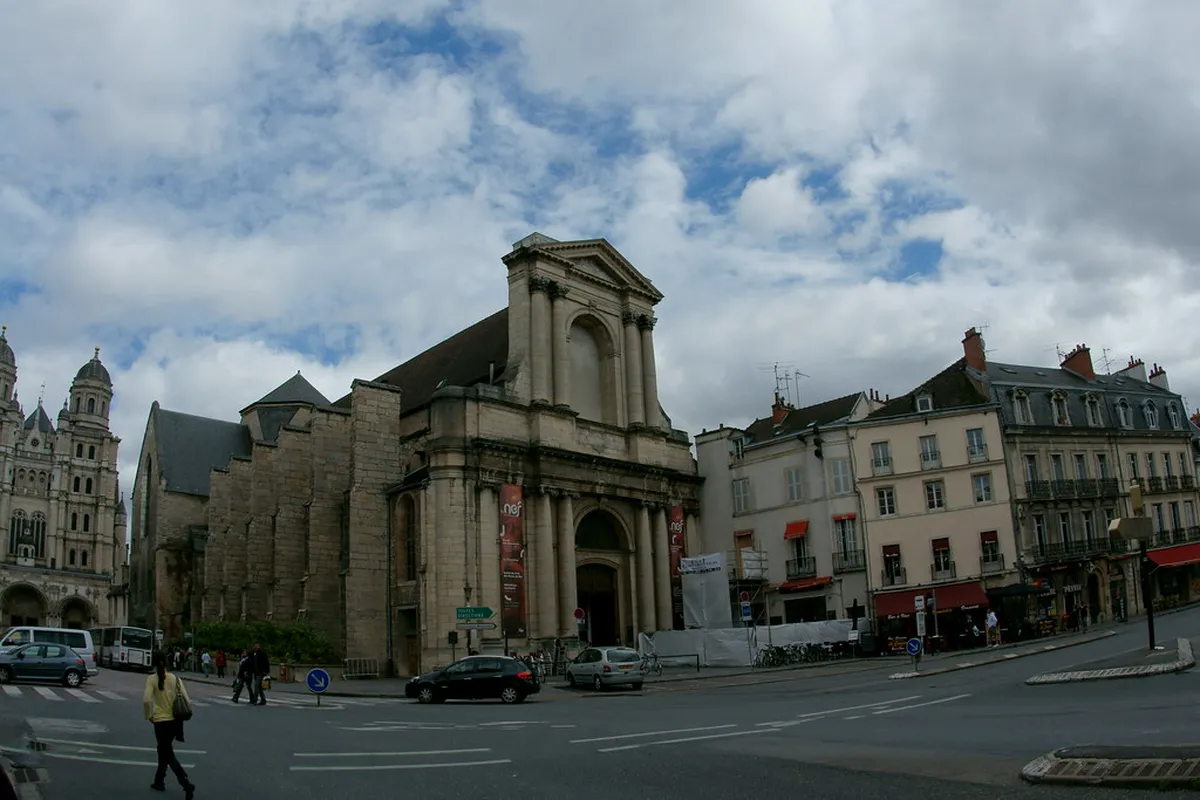
The Church of Notre-Dame is a true Gothic masterpiece located in the center of old Dijon. It was built during the 13th century and remains a symbol of religious devotion and art. The facade features three tiers of strange stone gargoyles that watch over the busy city streets. These stone figures are famous throughout the Burgundy region for their unique and scary expressions.
The Owl of Dijon is a small bird carved into the side of the church wall. Local legend says it brings good luck to any visitor who touches the stone surface. You should remember to rub the owl with your left hand while making a secret wish. This charming local tradition remains a significant highlight of any historic architectural landmarks tour today.
Inside the church, the stained glass windows create a peaceful and colorful light on the stone. The high vaulted ceilings show the expert engineering skills of the Gothic builders from the past. You can visit the church for free every day of the week during your vacation. It usually stays open for the public from 8 am to 7 pm each day.
Saint-Bénigne Cathedral is another essential stop for travelers who love religious history and grand design. It features a unique Romanesque rotunda hidden beneath the main floor of the cathedral building. The patterned tile roof is a classic local feature that looks amazing in the morning sun. Take your time to explore the quiet crypt area for a small additional entrance fee.
Renaissance Mansions and Hidden Courtyards
Wealthy local merchants built grand mansions known as hôtels particuliers during the 16th and 17th centuries. These buildings showcase the immense wealth of the Renaissance period in this prosperous French city. Many feature hidden courtyards that are tucked away behind large and heavy wooden entrance doors. They represent the peak of residential design for the elite families of old Burgundy.
Hôtel de Vogüé is the most famous example of a grand private mansion in the city. It was built in 1614 for a local official and features a very decorative courtyard. The roof uses the iconic glazed tiles that are a signature of the local architectural style. You can admire the rich stone carvings from the street without paying any entry fees.
These private homes often have quiet inner gardens that offer a peaceful escape from the city. Some courtyards are open to the public during the day for visitors to explore and photograph. You can find hidden architectural gems throughout the old town by looking through open doorways. Always be respectful of the residents while you enjoy the beauty of these private spaces.
The architecture reflects a transition from defensive stone walls to more decorative and open styles. Windows became much larger to let in more natural light for the families living inside. Carved stone faces often decorate the tops of the windows on these grand Renaissance buildings. These beautiful details make every street corner in Dijon interesting for the modern traveler.
The 18th-Century Urban Planning of Dijon
The 1700s brought a much more formal and organized style to the streets of the city. Architects designed wide public squares and symmetrical stone buildings to show the glory of the king. Place de la Libération is the best example of this grand era of urban planning. It creates a majestic entrance to the palace and serves as a gathering place today.
Jules Hardouin-Mansart designed this famous semicircular public square for the enjoyment of the local people. He was the same royal architect who worked on the famous Palace of Versailles in Paris. The square features modern fountains and many outdoor café tables for a relaxing afternoon break. It is the perfect spot for people-watching during your trip to France in 2025.
Nearby, you can find many examples of diverse architecture styles from this elegant historical period. The buildings use a light-colored limestone that is quarried from the hills around the city. This stone gives the streets a very warm and bright appearance in the summer sun. It glows beautifully with a golden color during the sunset hours every single evening.
Many of these grand structures now serve as modern government offices and public library buildings. They maintain their historical integrity while being used for the daily needs of the local community. You can walk through the monumental stone arches for free at any time of day. The layout makes the city feel very open and grand for all visitors to enjoy.
Historic Dijon Architecture in the Modern Era
Dijon also features many interesting buildings from more recent and modern architectural movements in France. The late 19th and early 20th centuries left a significant mark on the city streets. You can find Art Nouveau buildings near the main train station and along the main boulevards. These structures use curved lines and floral patterns to create a very unique look.
The central market hall is an industrial masterpiece that every food lover should visit today. It was designed using heavy iron beams and large glass panels back in 1868. The company of Gustave Eiffel influenced the design of this impressive metal and glass structure. It remains a busy hub for local food lovers who want to buy fresh produce.
Contemporary projects are also changing the city skyline with new materials and very bold designs. New museums and cultural centers blend perfectly with the old stones of the historic city center. You can explore the modern architecture in the districts located just outside the medieval core. These areas offer a sharp contrast to the timber houses found in the old town.
The mix of old and new architectural styles defines the character of Dijon for tourists today. You can see medieval wood frames next to modern glass and steel office buildings. This variety makes the city a top destination for anyone who loves the history of design. Every era of French history is visible on the walls of this beautiful city.
Frequently Asked Questions
What is the best route to see historic buildings in Dijon?
The best way to see the sites is by following the Owl’s Trail route. This path is marked by small brass plaques in the ground for tourists. It takes you past 22 of the most important architectural sites in town. You can buy a guidebook for this trail at the tourist office.
Are there any free architectural tours available in the city center?
Most of the architectural beauty of Dijon can be seen for free from the streets. Walking tours are self-guided and cost nothing to enjoy at your own pace. Several museums like the Fine Arts Museum offer free entry to their permanent collections. This allows you to see historic interiors without spending any money.
When were the most famous medieval houses in Dijon actually built?
Most of the surviving timber-framed houses were built during the 15th and 16th centuries. These buildings were the homes of wealthy merchants and local craftsmen of the era. They have been carefully restored to preserve their original appearance for future generations. You can still see the original wooden beams and carvings today.
Dijon is a city that celebrates its long history through its diverse and beautiful buildings. From medieval wood to royal stone, there is something for every traveler to discover here. We hope this guide helps you plan your architectural adventure in Burgundy for 2025. Book your trip today and experience the magic of historic French design in person.
Key Takeaways
- Follow the Owl's Trail to find the best architectural sites easily.
- Visit the Palace of the Dukes to see Gothic and Classical styles together.
- Look up at the roofs to see the iconic colorful Burgundy tiles.