
Discover Stunning Dijon Art Nouveau Buildings
Explore the best Dijon Art Nouveau buildings in 2025. This guide covers iconic facades, history, and top spots for photography. Plan your visit now!
On this page
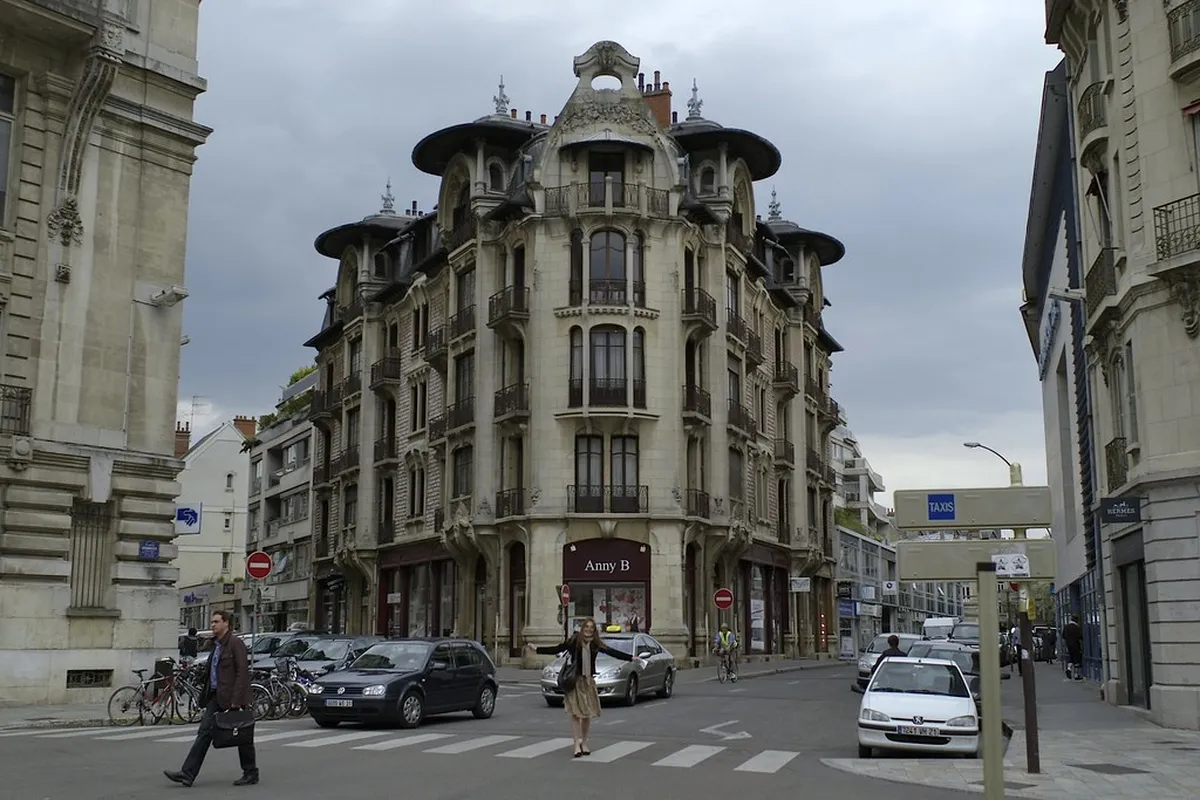
Many travelers only notice the medieval half-timbered houses found within the historical center of the city. However, the elegant Dijon Art Nouveau buildings offer a refreshing contrast to the older Gothic structures. These early twentieth-century gems represent a time of great artistic freedom and industrial progress. This guide explores the best sites to see these architectural wonders during your next visit.
You will find these masterpieces scattered among the more traditional stone buildings of the Burgundy capital. The movement brought organic curves and floral motifs to the urban landscape during the Belle Époque. Visitors can enjoy a guide to Art Nouveau architecture in Dijon to locate every hidden detail. Exploring these sites is a wonderful way to experience the local history beyond the famous mustard shops.
The Evolution of Style in the Heart of Burgundy
Art Nouveau arrived in Dijon at the end of the nineteenth century as a modern design revolution. Local architects wanted to break away from the rigid rules of classical and neo-Gothic building styles. They focused on natural forms like vines, flowers, and flowing water to decorate the city streets. These designs symbolized the growth and prosperity of the region during a very peaceful European era.
Many of these buildings serve as residential apartments or commercial spaces for busy local businesses today. You can still see original iron balconies and colorful stained glass windows while walking near the center. The style integrated modern materials like steel and large glass panes into traditional limestone masonry walls. This combination created light-filled interiors and striking exterior visuals that still impress visitors in 2025.
The movement was particularly popular among the wealthy merchants and growing middle class of the local community. They commissioned elaborate villas and townhouses to showcase their modern tastes and significant financial success. Most of these structures are free to view from the sidewalk at any time of the day. You should look for the characteristic whiplash curves that define this elegant and very fluid artistic style.
Understanding the context of these buildings helps you appreciate the diverse heritage of this beautiful French city. While the Ducal Palace remains the main attraction, these modern additions provide a fascinating secondary layer. They tell a story of a city that was eager to embrace the future and industrialization. Many of these sites are conveniently located within walking distance of the central train station and hotels.
Preservation efforts have kept many of these facades in excellent condition for the modern generation of travelers. Local laws protect the unique features of these historic properties from being altered or destroyed by developers. You can find more information about these structures by researching historic Dijon architecture before you arrive. Learning about the past makes every walk through the city much more meaningful and visually rewarding.
Exploring Iconic Masterpieces of Art Nouveau
The former department store building on Rue de la Liberté is a local landmark for modern travelers. Its curved windows and detailed stonework reflect the botanical themes common during the early Belle Époque. You can easily locate these sites using a map of Dijon facades during your afternoon walk. Take time to look upward at the high rooflines to spot unique tiling and decorative chimneys.
Another must-see location is the Grande Taverne which features some of the most intricate ironwork in town. This building perfectly captures the spirit of the early 1900s with its grand entrance and large windows. The interior often retains some original features even if the modern business uses have changed over time. It stands as a testament to the high quality of local craftsmanship during that specific historical period.
Walk toward the Place Grangier to see how the style evolved into the later Art Deco period. Several buildings in this area bridge the gap between organic curves and more geometric architectural patterns. You will notice a shift toward simpler lines while still maintaining the decorative flair of the era. This square is an excellent spot to sit and observe the different architectural layers of the city.
The cost of visiting these external sites is completely free since they are part of the public landscape. You can spend several hours wandering the streets to find small details hidden on residential doorways. Many houses feature ceramic tiles with floral patterns that remain vibrant and colorful after over one hundred years. These small artistic touches make the residential neighborhoods of Dijon feel like an open-air art museum.
Be sure to visit the Rue du Château to find several well-preserved examples of early modern townhouses. These buildings often feature stunning wooden doors with carved motifs that represent the local flora of Burgundy. Photography enthusiasts will find endless inspiration in the shadows and textures of the carved limestone walls. The morning light provides the best conditions for capturing the delicate details of these historic stone facades.
The Influence of Famous Local Architects
Several talented designers shaped the modern look of the city during the height of the movement. These professionals studied in Paris but brought their unique vision back to their home in Burgundy. You can learn about the famous Art Nouveau architects of Dijon by visiting the local archives. Their work helped modernize the urban plan while respecting the existing medieval layout of the central streets.
Architects like Louis Perreau were instrumental in introducing these new aesthetic concepts to the local government officials. They faced some initial resistance from traditionalists who preferred the older stone styles of the previous centuries. However, the beauty and functionality of the new designs quickly won over the public and the elite. Their buildings often featured innovative floor plans that allowed for much more natural light and better ventilation.
Many of these architects also designed the interior furniture and light fixtures for their major building projects. This holistic approach to design ensured that every element of a house matched the overall artistic theme. You can see examples of this integrated style in some of the local museums and private collections. The attention to detail remains impressive even when compared to the modern standards of contemporary architectural design.
The use of local materials like Comblanchien limestone helped these modern buildings blend into the existing cityscape perfectly. Architects carefully selected stones that would weather beautifully and maintain their structural integrity for many long decades. This practical approach to construction is why so many of these buildings remain in such good condition. They represent a perfect marriage between high artistic ideals and solid engineering principles from the early 1900s.
Today, these architects are celebrated for their contribution to the cultural identity of the modern city of Dijon. Walking tours often highlight their specific contributions to the skyline and the history of the local neighborhoods. You can find plaques on some buildings that identify the designer and the year of the construction. These markers provide a great way to track your progress as you explore the different design eras.
Best Places for Photography and Tours in 2025
For the best photographs, you should plan your architectural tour during the golden hour in the late afternoon. The low sun highlights the intricate carvings and creates beautiful shadows on the curved Art Nouveau balconies. You will find that the best Dijon buildings are often located on quiet side streets. Bring a wide-angle lens to capture the full height of the tall facades and decorative rooflines.
Guided walking tours are available through the local tourism office located near the historic Palace of the Dukes. These tours provide expert commentary on the history and the unique features of the most famous buildings. Most tours last about two hours and cost approximately fifteen Euros per person for a standard group. This is an affordable way to gain deep insights into the artistic heritage of the Burgundy region.
If you prefer a self-guided experience, you can download a digital map to your smartphone for easy navigation. Many websites offer free routes that lead you past the most significant examples of the Art Nouveau style. This allows you to explore at your own pace and stop for coffee in local historic cafes. The city is very walkable, making it easy to see many sites in a single afternoon session.
Spring and autumn are the most pleasant times to walk through the streets of Dijon for architectural sightseeing. The mild temperatures make long walks enjoyable, and the trees do not block the view of the facades. In 2025, many buildings have recently undergone cleaning to restore the original bright color of the limestone. You will be amazed at how much detail becomes visible once the city soot is carefully removed.
Do not forget to explore the areas around the Darcy Garden for more suburban examples of the style. This park is surrounded by elegant villas that feature large gardens and very decorative entrance gates and fences. These properties show how the style was adapted for private homes rather than just large commercial retail blocks. It provides a peaceful escape from the busier shopping streets while still offering plenty of artistic interest.
Comparing Architecture Styles Across the City
Dijon is a fascinating place to study the transition between different historical periods and various building techniques. You can compare the heavy stone walls of the Middle Ages with the light glass of the 1900s. Analyzing Dijon architecture styles reveals how the city has grown and changed over many centuries. Each era left a permanent mark on the streets that we can still explore and enjoy today.
The Art Nouveau period was relatively short but its visual impact remains very strong in the local neighborhoods. It paved the way for the more streamlined designs of the modern movement that followed in the 1930s. You can see this evolution as you move from the city center toward the more modern districts. The contrast between the ornate curves and the sharp angles is striking and very educational for students.
Many buildings now house modern shops on the ground floor with historic apartments located on the levels above. This mix of old and new shows how the city adapts to modern needs while preserving its past. It is common to see a sleek clothing store inside a building with a 120-year-old stone facade. This functional reuse ensures that the historic buildings remain relevant and well-maintained by their current owners.
Visiting these sites provides a more complete picture of French culture and the history of European decorative arts. You will see how international trends influenced local builders while they still maintained a distinct regional character. The use of local motifs like grapes and vines connects the architecture to the famous wine industry. It is a subtle nod to the source of the wealth that built these beautiful homes.
Take a moment to enjoy the harmony between the different styles as you walk through the central squares. The city has managed to integrate modern interventions without losing the charm of its ancient and medieval roots. This balance makes Dijon one of the most attractive destinations for fans of urban design and history. Your visit will be filled with surprising discoveries around every corner of the historic street grid.
Frequently Asked Questions
What is the most famous Art Nouveau building in Dijon?
The former department store on Rue de la Liberté is considered the most iconic example in the city. It features large curved glass windows and elaborate stone carvings that define the era. You can see it for free while walking through the main shopping district of the city.
Are there guided tours for Dijon architecture?
Yes, the local tourism office offers several walking tours that focus on the architectural history of the city. These tours often cover the transition from medieval styles to the modern Art Nouveau movement. Check their official website for current schedules and booking prices for the 2025 season.
Is Art Nouveau common throughout the city of Dijon?
While not as common as the medieval style, you can find many examples in the central and northern districts. Most are located on major boulevards that were developed during the late nineteenth century. You can find these by researching the best locations for facades online before your trip.
When were most of these buildings constructed?
Most of the Art Nouveau structures in Dijon were built between 1895 and 1914. This period represents the height of the style before the start of the First World War. They reflect the optimism and artistic growth of the French Belle Époque period.
Exploring the Dijon Art Nouveau buildings is a rewarding experience for any traveler visiting the capital of Burgundy. These structures offer a unique look at the modern history and artistic soul of the local community. You will find that the city has much more to offer than just its famous culinary traditions. Plan your walking route today to see these stunning architectural gems in person during your 2025 vacation.
The city remains a perfect destination for those who appreciate the fine details of historic European design styles. You can continue your journey by learning more about the various Dijon architecture styles available to visitors. Whether you are a photographer or a history buff, these buildings will surely leave a lasting impression. Enjoy your walk through the beautiful and historic streets of this vibrant French city.
Key Takeaways
- Visit Rue de la Liberté for the most iconic department store facade.
- Look for the whiplash curves and floral motifs on iron balconies.
- The Darcy Garden area contains several beautiful Art Nouveau private villas.
- Guided tours are available for around fifteen Euros from the tourism office.
- Morning and late afternoon light provide the best conditions for architectural photography.