
Guide to Art Nouveau Architecture in Dijon
Explore our guide to Art Nouveau architecture in Dijon for 2025. Discover hidden facades, famous architects, and historic French designs today.
On this page
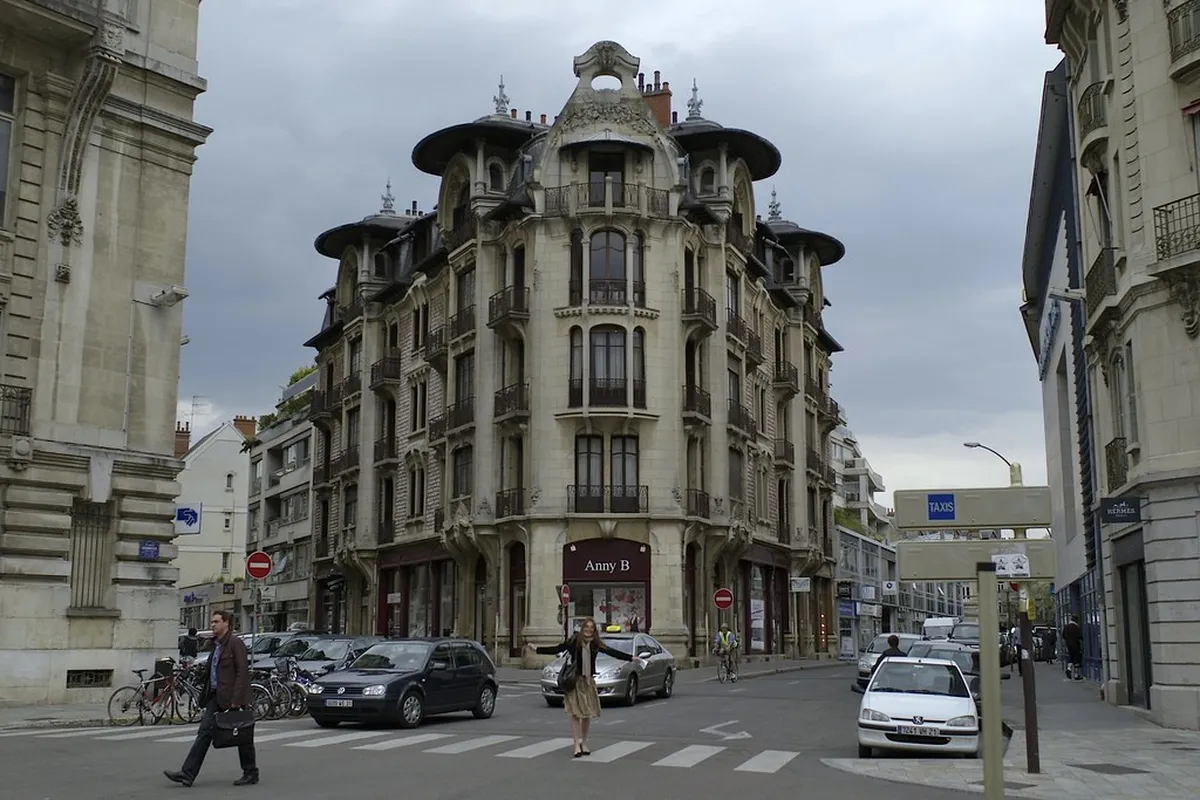
Welcome to our expert guide to Art Nouveau architecture in Dijon. This beautiful French city offers more than just fine mustard. It features a stunning collection of Belle Époque buildings for visitors. These sites showcase the artistic spirit of the early 1900s.
Art Nouveau brought a fresh look to the streets of Burgundy. Architects used nature as their main source of design inspiration. You will find flowing lines and floral motifs on many corners. This style remains a highlight for every modern traveler.
Walking through the city feels like visiting an open-air museum. The transition from medieval stone to modern iron is truly fascinating. We will help you find the best examples in town. Prepare to see the most elegant Dijon Art Nouveau Buildings during your trip.
This guide covers history, locations, and practical visiting tips. We have updated all information for your 2025 travel plans. Follow our path to see the best of French architecture. Enjoy the unique charm of these historic urban masterpieces.
The History of Art Nouveau in Burgundy
Art Nouveau arrived in Dijon at the end of the 19th century. This movement was a reaction against strict academic styles. Local designers wanted to create something entirely new and organic. They focused on harmony between structure and natural decoration.
Economic growth in the region funded these ambitious building projects. Wealthy merchants wanted modern homes that reflected their success. They hired talented artists to design unique residential facades. This era changed the face of the city forever.
The style flourished specifically between 1890 and 1910 in France. It combined traditional masonry with modern industrial materials like steel. Many buildings still stand as a testament to this innovation. You can see how historic Dijon architecture evolved during this period.
These structures often feature curved windows and asymmetrical designs. They represent a time of great optimism and creative freedom. Today, they are protected parts of the local heritage. Every visitor should take time to appreciate these details.
Preservation efforts have kept these facades in excellent condition. Most are located just outside the old medieval core. This allows for a diverse architectural experience within walking distance. Dijon truly honors its artistic past through these sites.
Where to Find Art Nouveau Facades in Dijon
Start your architectural journey at the Place Grangier. This square is the heart of the modern style. Here, you will see the impressive Hotel des Postes building. Its facade features intricate carvings and large, arched windows.
Next, walk down the Rue du Chateau for more gems. You will find residential houses with beautiful iron balconies here. Look for the floral patterns integrated into the metalwork. These details are easy to miss if you walk too fast.
Many people ask where to find Art Nouveau facades in Dijon easily. The area around the Darcy garden is another great spot. Avenue Victor Hugo also boasts several majestic private villas. Each building tells a unique story of French elegance.
The streets near the main train station are equally rewarding. You will notice a shift in style as you walk. Large stone faces and ceramic tiles decorate many 1900s homes. These areas offer a quiet escape from tourist crowds.
Take your time to explore the side streets nearby. You might find a hidden entrance with colorful stained glass. These small details define the true Art Nouveau experience. Keep your camera ready for every unexpected discovery.
Famous Art Nouveau Architects of Dijon
Louis Perreau is the most significant architect from this era. He designed many of the city's iconic early 20th-century landmarks. His work is known for its balance and graceful curves. He played a major role in shaping modern Dijon.
Perreau often collaborated with talented local craftsmen and artists. This teamwork resulted in highly detailed and cohesive building designs. You can see his influence on several grand apartment blocks. Learn more about famous Art Nouveau architects of Dijon during your visit.
Auguste Drouot is another name you should remember here. He contributed to the eclectic look of the Grangier district. His buildings often feature bold shapes and decorative tile work. He helped push the boundaries of traditional French construction.
These architects were pioneers of the new aesthetic movement. They used light and space in very innovative ways. Their designs focus on comfort as much as visual beauty. They successfully blended art with daily urban living requirements.
Studying their work provides insight into the Belle Époque spirit. Each architect brought a personal touch to the local streets. Their legacy continues to inspire modern designers in France. Their buildings remain the pride of the local community.
Key Characteristics of Dijon Art Nouveau
Dijon's style features many elements inspired by local Burgundy flora. You will see grapevines and leaves carved into the stone. These motifs celebrate the region's famous wine-making heritage and culture. The decorations are both beautiful and symbolic for locals.
The use of curved lines is a signature of this style. Architects avoided straight edges whenever they could in their designs. This creates a sense of movement across the building facades. It makes the heavy stone appear light and fluid.
Ceramic tiles add splashes of color to the city streets. You will find blues, greens, and yellows on many houses. These tiles often form complex patterns or natural scenes. They help the buildings stand out from older grey structures.
Wrought iron is used extensively for gates and balconies. The metal is twisted into delicate shapes resembling plant stems. This adds a layer of transparency to the solid walls. It is a perfect example of functional art in Dijon.
Large glass surfaces are another common feature of these sites. They allowed more natural light to enter the interior rooms. This was a major improvement over older, darker building styles. Residents enjoyed a much brighter and healthier living environment.
Practical Tips for Your 2025 Architecture Visit
The best way to see these sites is on foot. Most Art Nouveau buildings are located in a compact area. Wear comfortable shoes as you will be walking on pavement. Plan for at least three hours to see everything.
Morning light is ideal for taking high-quality architectural photos. The sun hits the east-facing facades around 10:00 AM daily. This highlights the fine carvings and decorative metalwork perfectly. Avoid mid-day sun to prevent harsh shadows on stone.
Many of these buildings are private residences or busy offices. Please respect the privacy of the people living inside them. Stay on the sidewalk while viewing the beautiful exterior details. Avoid blocking entrances while you are taking your travel photos.
Check the local tourism office for updated heritage maps. They often have specific brochures for 20th-century architecture routes. These maps help you find the most significant houses easily. They also provide extra historical context for each specific site.
Consider booking a guided tour for a deeper experience. Professional guides can point out details you might otherwise miss. They know the stories behind the architects and the owners. This is the best way to learn about Dijon.
Frequently Asked Questions
Where are the best Art Nouveau buildings in Dijon?
The best examples are located near Place Grangier and Avenue Victor Hugo. You should also explore the streets around the Darcy Garden. These areas feature the highest density of Belle Époque architecture. Walking between these points takes about twenty minutes total.
Is Art Nouveau architecture common throughout France?
Yes, many French cities embraced the Art Nouveau style in 1900. Paris and Nancy are the most famous centers for this movement. However, Dijon offers a unique regional variation of the style. It incorporates local themes and Burgundy floral motifs into designs.
Can I go inside the Art Nouveau houses in Dijon?
Most Art Nouveau buildings in Dijon are private homes or offices. You cannot enter these without a specific reason or invitation. However, public buildings like the Post Office are open to visitors. You can enjoy the interior details during regular business hours.
What is the best time of year to visit Dijon?
Late spring and early autumn offer the best weather for walking. Temperatures are mild and perfect for exploring the city streets. You will also enjoy fewer crowds than in the peak summer. This makes photographing the architectural facades much easier for you.
Dijon offers a spectacular look at the Art Nouveau movement in France. From grand public buildings to private villas, the variety is impressive. We hope this guide helps you enjoy these historic treasures. Make sure to visit these sites during your 2025 trip. For more inspiration, check out our guide to Dijon Art Nouveau Buildings today. Happy exploring in Burgundy!
Key Takeaways
- Focus your visit on the Place Grangier and Avenue Victor Hugo areas.
- Look for the work of famous local architect Louis Perreau.
- Pay attention to floral motifs and decorative wrought iron details.
- Plan for a three-hour walking tour to see the main highlights.
- Visit in the morning for the best architectural photography light.