
Book Your Fontainebleau Architecture Walking Tour Today
Book a 2025 Fontainebleau architecture walking tour now. Explore the palace and historic streets with expert local guides for a unique French experience.
On this page
Fontainebleau is a stunning city that offers a rich tapestry of French history and design. This region served as a playground for French monarchs for many hundreds of years. Booking a Fontainebleau architecture walking tour allows you to see the town like a local expert. Experience royal grandeur and charming street scenes in one afternoon while walking these historic paths. You will discover how different centuries shaped the unique buildings we see today. Plan your visit for 2025 to experience these cultural treasures in their full glory.
The Royal Legacy of the Palace of Fontainebleau
The palace stands as the crown jewel of this historic French city. It served as a primary residence for monarchs for over eight centuries. Each sovereign left a unique and lasting mark on the complex architectural design. You can witness the evolution of royal taste through the various wings and courtyards.
Renaissance features blend seamlessly with later Baroque additions within the massive stone structure. You will see Italian influence in the famous gallery of King Francis I. These details make a palace architecture history tour essential for all visitors. The ornate woodwork and frescoed ceilings represent the peak of French artistic achievement.
Napoleon Bonaparte called this magnificent palace the true home of kings. His influence remains visible in the grand apartments and the Empire style decor. You will learn about his major renovations during your guided architectural walk. The Emperor spent significant sums to restore the palace to its former imperial glory.
The palace gardens provide a perfect backdrop for the stunning stone facades. Classical French landscaping contrasts beautifully with the wilder elements of the surrounding forest. This balance represents the height of French landscape design during the seventeenth century. You should take time to admire the grand canals and ornamental fountains here.
Historic Town Houses and Local Building Styles
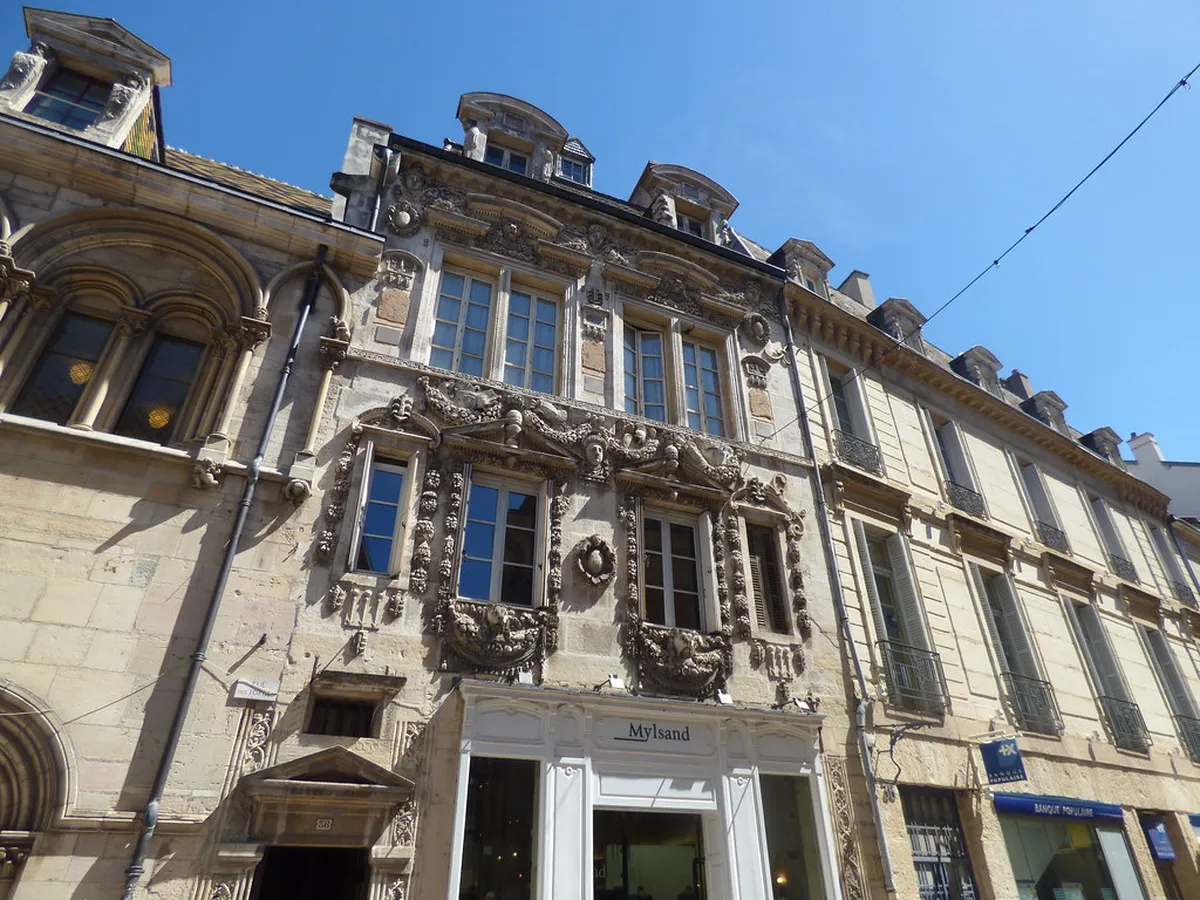
The town surrounding the palace offers its own set of architectural treasures. Many buildings date back to the seventeenth and eighteenth centuries in the city center. These homes originally housed nobles who wanted to be near the royal court. You can find these elegant structures along the winding streets near the main gates.
Local sandstone creates a warm and inviting look for many of the older streets. You will notice intricate ironwork on many of the historic balconies today. These elements define the French architectural styles in Fontainebleau found throughout the urban area. The texture of the stone changes color based on the position of the sun.
Walking through the town center reveals several well preserved residential courtyards. Some of these locations remain hidden behind large wooden carriage doors. A professional guide can provide access to these private architectural gems found in town. These spaces offer a quiet glimpse into the private lives of former French aristocrats.
Each street tells a fascinating story of social evolution in this royal town. You will see how medieval layouts eventually transitioned into broader neoclassical avenues. This transformation reflects the changing needs and fashions of the French elite. Notice the subtle shifts in roof styles as you walk between different neighborhoods.
Modern Influence and Contemporary Urban Design
Fontainebleau is not merely a relic of the ancient French past. Modern architects have introduced contemporary designs that respect the unique historic context. You can see how new materials blend with the traditional limestone facades. These additions ensure the city remains functional for residents in the modern era.
Public spaces now feature innovative structures that serve the local community well. These additions include modern libraries and renovated market halls with large glass roofs. Exploring these modern sites adds a fresh perspective to your architectural tour. You will appreciate the clever ways architects bridge the gap between two eras.
Art also plays a major role in the modern urban landscape today. You will find vibrant murals that complement the street art and architecture in Fontainebleau scene. These works bring bright colors to the gray and beige stone walls. Local artists often draw inspiration from the city's rich royal history and nature.
The city continues to evolve while protecting its unique heritage for the future. Modern planning ensures that new buildings do not overshadow the historic royal palace. This careful balance makes Fontainebleau a global model for heritage management. You can see this philosophy in action at the newer residential developments.
Practical Tips for Booking Your Walking Tour
Finding the right guide is key to a great experience in 2025. Most tours last between two and three hours for a standard walking route. You can choose from booked walking tours or self-guided options. Expert guides provide historical context that you simply cannot find in guidebooks.
Prices for a small group tour typically start around thirty Euros per person. Private tours offer a more personalized look at specific historic buildings and sites. Booking online in advance is highly recommended during the busy summer months. This ensures you secure a spot with a highly rated local guide.
Morning tours are best to avoid the heat and the largest crowds. You will have better light for photography in the early morning hours. Remember to wear comfortable walking shoes for the uneven cobblestone streets. Pack a small bottle of water to stay hydrated during your walk.
Most tours meet near the main gate of the royal palace. Your guide will provide a brief history before heading into the town. This setup ensures you understand the context of the architecture immediately. Be sure to arrive ten minutes early to meet your tour group.
Photography Tips for Architectural Enthusiasts
Capturing the beauty of Fontainebleau requires a bit of planning and patience. The sandstone facades glow with a warm orange light during late afternoon hours. You should use a wide-angle lens to capture the full scale of the palace. This perspective allows you to include both the buildings and the sky.
Look for reflections in the palace fountains to create unique and artistic shots. You can find many urban art photography tips to improve your local travel photos. Focus on the small details like carved stone faces and ornate door handles. These close-up shots tell a more intimate story of the local craftsmanship.
Symmetry is a major theme in French classical architecture across the entire city. Position yourself in the center of the courtyards for the most balanced photos. You will find that the palace gardens offer many perfectly aligned views. Take your time to find the best angle for every single shot.
Cloudy days provide soft light that is perfect for capturing building textures. You will avoid harsh shadows that can hide important architectural details on stone. Many professional photographers prefer these conditions for shooting historic city streets. Experiment with different heights to find the most compelling view of the town.
Frequently Asked Questions
How long does a Fontainebleau architecture walking tour take?
A standard tour usually lasts between two and three hours. This allows enough time to see the palace exterior and the town. You will walk about two miles at a very relaxed pace. Some specialized tours may take longer if they include interior visits.
Is the palace interior included in the architecture tour?
Most town walking tours focus on the exteriors of the local buildings. You may need a separate ticket to enter the royal palace museum. Check the specific details of your self-guided architecture tour before you start. Many visitors choose to explore the interior after their guided walk.
Are these walking tours available in English?
Yes, many local companies offer tours in English and other major languages. You should specify your language preference when you book your tour online. Most guides in Fontainebleau are bilingual and very knowledgeable about history. They can answer complex questions about the local architecture easily.
A Fontainebleau architecture walking tour is the best way to see this city. You will leave with a deep appreciation for French history and local design. Book your visit for 2025 to see the latest restoration projects in person. Discover the hidden architectural gems that make this city truly world-class. Experience the magic of royal France on your next walking adventure.
Key Takeaways
- Book your tour in advance to secure a spot during the 2025 season.
- Wear comfortable shoes for walking on the historic cobblestone streets.
- Visit the palace in the morning for the best photography lighting.
- Look for the blend of Renaissance and Baroque styles on the palace.
- Explore the town center to see private noble homes and hidden courtyards.