
Palace Fontainebleau Architecture History: A Guide
Explore the rich Palace Fontainebleau architecture history, from medieval fortress to royal Renaissance marvel. Discover its styles and plan your 2025 visit now!
On this page
The Palace of Fontainebleau stands as a testament to French royal power. Its extensive Palace Fontainebleau architecture history spans centuries. This grand chateau showcases a blend of styles. It evolved from a medieval fortress into a magnificent Renaissance palace. Many French monarchs left their mark on its design. Discover the unique architectural journey of this UNESCO World Heritage site.
Visiting Fontainebleau offers a deep dive into art and history. You can explore its opulent rooms and vast gardens. Understanding its architecture enhances the experience. This guide will walk you through its incredible design evolution. Prepare for a fascinating look at French royal taste in 2025.
Early Beginnings: Medieval Fortress to Royal Retreat
Fontainebleau's story began in the 12th century. It started as a fortified hunting lodge for French kings. Louis VII consecrated a chapel here in 1169. This early structure served practical military purposes. Its strategic location near dense forests was key.
Over centuries, it slowly transformed. Medieval kings found it a peaceful escape. They enjoyed hunting in the surrounding woods. Elements of this early period remain. These foundations tell tales of ancient royalty. The historic buildings in Fontainebleau all have unique pasts.
Philip IV, known as Philip the Fair, was born here. He died within its walls in 1314. Charles V expanded the fortifications in the 14th century. The palace was not yet the sprawling complex we see today. It was primarily a functional royal residence.
Francis I: The Renaissance Transformation of Fontainebleau
Francis I dramatically changed Fontainebleau. He reigned from 1515 to 1547. The king admired Italian Renaissance art. He brought Italian artists like Rosso Fiorentino to France. These artists transformed the medieval castle.
They introduced revolutionary architectural ideas. The Galerie François I is a prime example. It features stunning frescoes and stucco work. This marked the birth of the First School of Fontainebleau. Its unique style blended French traditions with Italian aesthetics.
Francis I aimed to create a 'New Rome' in France. His vision shaped the palace's distinctive look. He added courtyards and lavish apartments. This period is crucial to Palace Fontainebleau architecture history. Its influence spread throughout France.
Henri IV's Grand Vision and Landscape Design
Henri IV continued the palace's expansion. His reign from 1589 to 1610 brought significant additions. He focused on completing courtyards and wings. The Galerie de Diane is one of his notable contributions. He also added the striking Porte Dauphine entrance.
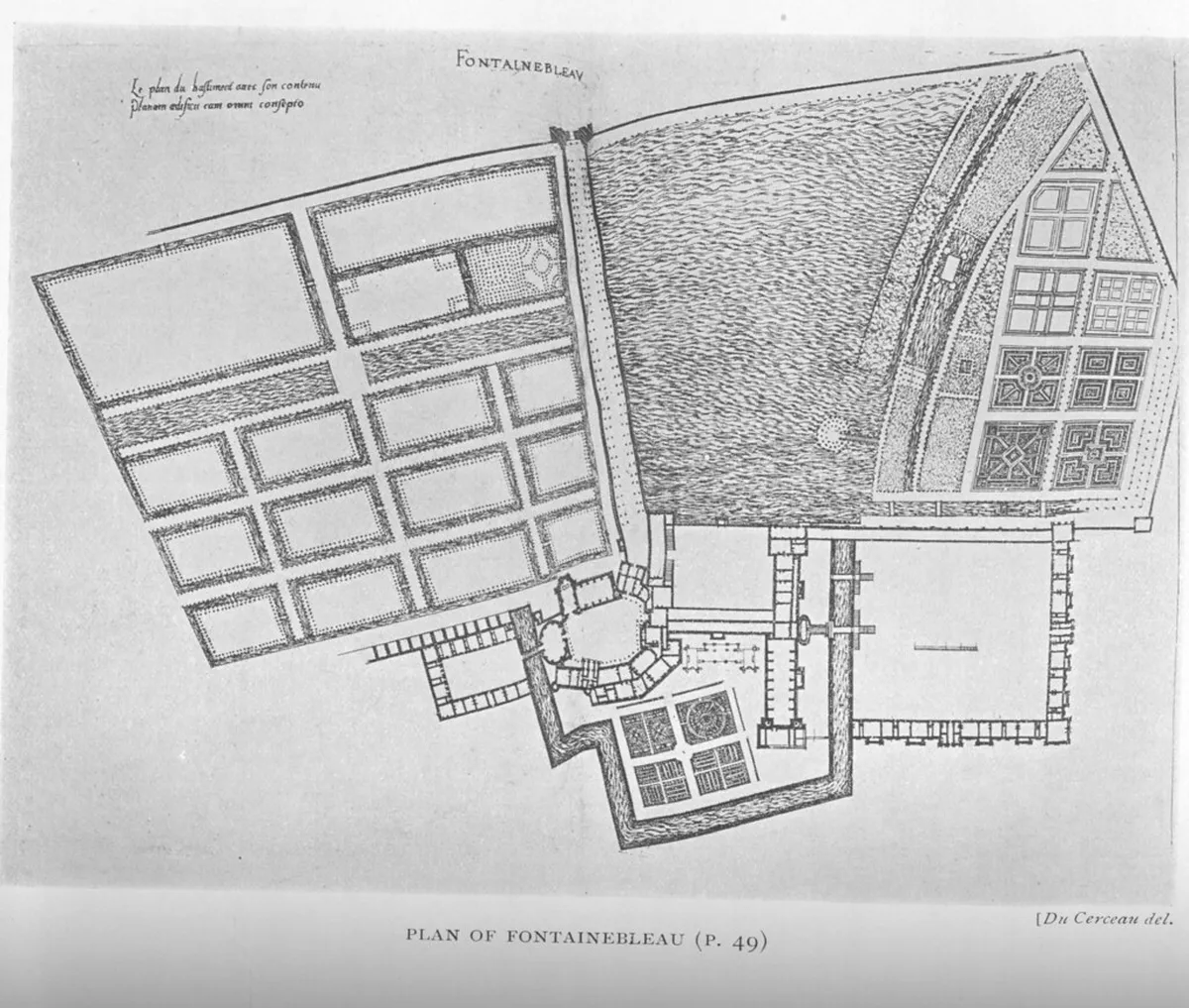
More importantly, Henri IV developed the gardens. He commissioned landscape architects for grand designs. The Grand Parterre is Europe's largest formal garden. It reflects classical French garden principles. He also created canals and grottoes.
This period also saw the rise of the Second School of Fontainebleau. Artists like Ambroise Dubois contributed new works. Henri IV left a lasting legacy. His work completed many parts of the sprawling complex. Discover more about the history of Fontainebleau Palace design.
Later Monarchs and Architectural Styles at Fontainebleau
Subsequent monarchs added their personal touches. Louis XIII completed the Cour des Adieux. Louis XIV, while preferring Versailles, still maintained Fontainebleau. He commissioned minor updates and renovations here. The Sun King's influence is seen in some interior decorations.
Napoleon Bonaparte made Fontainebleau his imperial residence. He extensively refurnished the palace. He aimed to erase revolutionary damage. His apartments showcase Empire-style décor. He signed his first abdication here in 1814. This event took place in the famous Horseshoe Staircase courtyard.
The palace showcases a remarkable collection of styles. It spans from medieval to Renaissance and classical. You can see Rococo, Neoclassical, and Empire elements. The Fontainebleau Palace architectural styles explained reveal its rich layers. Each era brought new designs and influences.
Planning Your Visit: Experience Fontainebleau's Grandeur in 2025
Visiting the Palace of Fontainebleau is an immersive experience. It is located just an hour south of Paris. You can reach it easily by train from Gare de Lyon. The palace is open almost daily except Tuesdays. Check official websites for 2025 opening hours.
Admission costs around €13-14 for adults. Guided tours offer deeper insights. Plan at least half a day to explore the palace. Allow extra time for its expansive gardens. Wear comfortable shoes for walking around the vast grounds.
The palace grounds include three large gardens. The English Garden offers a romantic landscape. The Grand Parterre provides classical symmetry. There is also the Jardin de Diane, a smaller, intimate garden. Consider taking a Fontainebleau architecture walking tour. This helps you appreciate every detail.
Insider Tip: Arrive early in the morning. This avoids the largest crowds. You can enjoy the tranquil courtyards. Consider visiting in spring or fall. The weather is pleasant then. Crowds are also much thinner than in summer.
Frequently Asked Questions
What is unique about the Palace Fontainebleau architecture?
Palace Fontainebleau architecture is unique for its blend of styles. It started as a medieval castle. Francis I transformed it with Italian Renaissance influences. Subsequent monarchs added their own touches. This resulted in a harmonious yet diverse design.
It showcases styles from medieval to Renaissance, classical, and Empire. This evolution over centuries makes it truly special. You can observe the contributions of many royal eras. It differs significantly from other French royal palaces.
Which king started the major renovations at Fontainebleau?
King Francis I initiated the major renovations. He began transforming Fontainebleau in the 16th century. His vision brought Italian Renaissance art and architecture to France. He created the famous School of Fontainebleau.
This king's passion for art changed the palace forever. He imported artists and art from Italy. His work laid the foundation for its modern appearance. His legacy is central to the palace's history.
Are there any specific architectural features to look for?
Yes, many features are worth seeing. Look for the Galerie François I's ornate decoration. The elaborate stucco and frescoes are stunning. The Horseshoe Staircase is an iconic symbol of the palace. Also, observe the decorative motifs throughout. These include the salamander of Francis I.
Also pay attention to the diverse courtyards. Each one tells a different part of the palace's story. The Chapel of the Holy Trinity is also remarkable. It showcases rich Baroque ornamentation. Exploring these elements reveals the royal architecture features.
How long should I plan for a visit to Fontainebleau Palace?
Allocate at least half a day for the palace interior. This allows time to appreciate the rooms. The extensive gardens require another few hours. You might spend a full day here. Consider the travel time from Paris also.
Many visitors choose to picnic in the gardens. This extends their visit pleasantly. Guided tours can also add time to your schedule. Plan for around 4-6 hours minimum to see it properly.
The Palace Fontainebleau architecture history is a captivating journey. It showcases centuries of French royal ambition and artistic innovation. From its medieval roots to its Renaissance glory, it truly mesmerizes. Each monarch added a unique layer to its design. Visiting offers a profound connection to the past.
Experience the grandeur and diverse styles firsthand. Plan your trip to this magnificent site in 2025. It remains a jewel among French chateaux. Explore its beauty and rich heritage. Book your tickets and discover this architectural masterpiece.
Key Takeaways
- Fontainebleau's architecture blends medieval, Renaissance, and classical styles.
- Francis I profoundly transformed the palace with Italian Renaissance art.
- Henri IV significantly expanded the gardens and completed major wings.
- Allow a full day to explore both the palace and its extensive gardens.
- Visit in spring or fall for pleasant weather and fewer crowds.