
Explore Historic Buildings in Fontainebleau, France
Uncover the most historic buildings in Fontainebleau, France. Explore ancient palaces, charming churches, and timeless homes. Plan your 2025 visit now!
On this page
Fontainebleau, France, invites you to step back in time. This charming city boasts an incredible array of historic buildings. Its rich past is visible in every stone structure. Prepare to discover architectural marvels on your 2025 visit.
These ancient sites tell fascinating stories. You will learn about kings, queens, and everyday life. From grand palaces to humble homes, history comes alive here. Exploring these historic buildings Fontainebleau France offers a unique experience.
Many distinct architectural styles await your discovery. Romanesque, Gothic, and Renaissance influences blend beautifully. This makes Fontainebleau a treasure trove for history lovers. Start your journey into France's magnificent heritage today. Find more about the Palace of Fontainebleau's history here.
The Grandeur of the Palace of Fontainebleau
The Château de Fontainebleau is truly magnificent. It stands as the city's crown jewel. French monarchs called it home for centuries. This UNESCO World Heritage site is a must-see for all.
Its history spans over 800 years. Kings like Francis I and Napoleon shaped its appearance. They added exquisite wings and lavish decorations. You can see Renaissance and Classical styles beautifully merged.
Visitors can explore opulent apartments and grand ballrooms. The famous Horseshoe Staircase is an iconic feature. Don't miss the impressive Chapel of the Holy Trinity. Plan at least half a day for your visit.
Ticket prices for adults are around €13. A guided tour often costs extra. Check the official website for 2025 opening hours. Booking online can save you time. Learn more about French architectural styles found in Fontainebleau.
Exploring Medieval Structures and Old Town Charm
Beyond the palace, Fontainebleau's old town offers glimpses of its medieval past. Narrow cobblestone streets wind through historic areas. You can find quaint houses with timber frames.
These smaller buildings reveal everyday life. They stand in contrast to the grand royal residence. Many have been beautifully preserved over centuries. Imagine residents from long ago walking these same paths.
Walk around areas like Rue Grande. Look closely at the older facades. You might spot ancient details and carvings. Some buildings date back to the 15th and 16th centuries. These structures are among the oldest buildings in Fontainebleau.
Take your time exploring these charming neighborhoods. They offer a peaceful escape. Discover hidden courtyards and small squares. This is where the city's true character shines.
Sacred Spaces: Fontainebleau's Historic Churches
Fontainebleau also houses significant religious structures. The Church of Saint-Louis is a prime example. It was built between 1611 and 1614. King Louis XIII laid its first stone.
This church boasts a beautiful classical facade. Its interior features impressive artworks and chapels. The stained-glass windows are particularly striking. Visitors can attend services or simply admire its architecture.
Another notable site is the Chapelle de la Trinité. This chapel is inside the Palace of Fontainebleau. It showcases stunning Renaissance artistry. Its ceiling frescoes are truly breathtaking.
Check for mass schedules if you wish to attend. Otherwise, most churches are open for visitors daily. Entry is typically free of charge. These sacred sites provide spiritual and artistic insights. Consider adding them to your Fontainebleau architecture walking tour.
Renaissance and Beyond: Elegant Townhouses
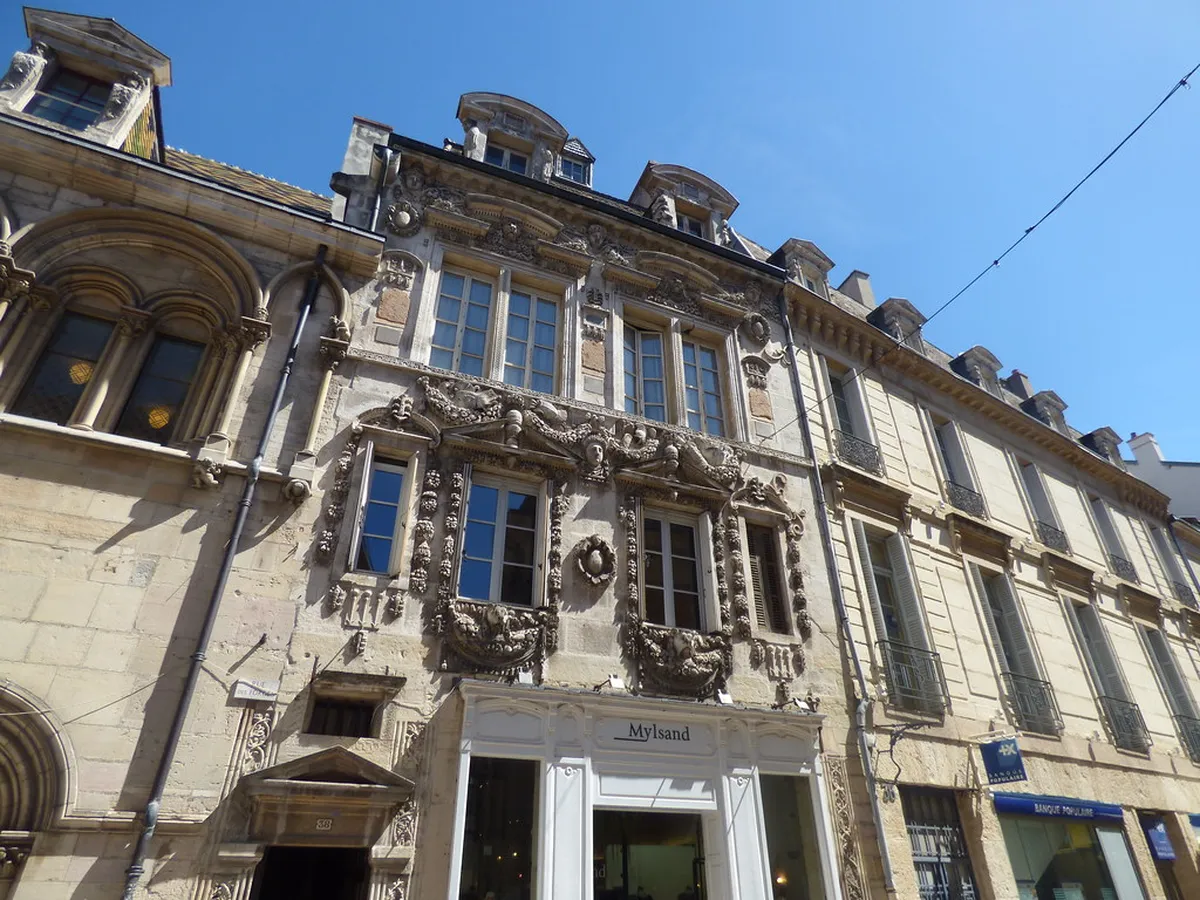
Fontainebleau features many elegant townhouses. These *hôtels particuliers* once belonged to nobility. They reflect different periods of French design. Many date from the 17th and 18th centuries.
You can find them throughout the city center. Their grand doorways and ornate balconies stand out. Some have beautiful hidden gardens behind high walls. These offer a peek into aristocratic life.
Many are now private residences or businesses. Still, their exteriors provide much to admire. Look for specific architectural details on each building. They contribute greatly to Fontainebleau's charm.
Strolling through the streets reveals these treasures. Each townhouse tells its own silent story. They showcase the evolving styles of French domestic architecture. Seek out these unique historic architectural gems.
Practical Tips for Exploring Fontainebleau's Heritage
Visiting Fontainebleau's historic sites is best planned ahead. Wear comfortable shoes for walking around town. The palace grounds alone require significant walking. Many historic areas have cobblestone streets.
Consider purchasing a Fontainebleau City Pass if available for 2025. This could offer savings on multiple attractions. Check local tourism offices for updated information. They often provide free walking maps.
Spring and fall offer the best weather for exploring. Crowds are also typically smaller during these seasons. Summers can be hot and very busy. Winter provides a festive atmosphere but can be chilly.
Most palace tours are offered in multiple languages. Audio guides are also widely available. Allow extra time for browsing gift shops. You will find unique souvenirs there.
Frequently Asked Questions
What are the oldest buildings in Fontainebleau, France?
The Château de Fontainebleau is the oldest major structure. Its origins trace back to the 12th century. The medieval tower remains a testament to its ancient roots. Other parts of the city center also feature older residences. Some date to the 15th and 16th centuries. Explore these sections with a medieval town architecture guide.
How much does it cost to visit the Palace of Fontainebleau?
Entry to the palace typically costs around €13 for adults. This fee covers access to the Grands Appartements. Special exhibitions may incur additional charges. Prices can vary for children and concessions. Always check the official palace website for current 2025 rates and booking options.
Is Fontainebleau walkable for exploring historic sites?
Yes, Fontainebleau is very walkable. The city center and palace are close. Many historic buildings are within easy reach. Comfortable shoes are highly recommended. You will enjoy exploring on foot. This allows for discovery of hidden gems.
What is the best time of year to visit Fontainebleau for historic architecture?
Spring (April-May) and early autumn (September-October) are ideal. The weather is pleasant for walking. Crowds are generally smaller than in summer. These seasons offer comfortable conditions for exploring all historic sites. This makes for a more relaxed experience.
Fontainebleau offers a journey through centuries of history. Its historic buildings captivate every visitor. From the grand palace to charming townhouses, architecture abounds. Your 2025 trip will be filled with discovery.
Immerse yourself in France's royal and local heritage. Each structure tells a piece of the past. Plan your adventure to experience these timeless treasures. Discover more about Fontainebleau's diverse architecture and art scene.
Key Takeaways
- Prioritize the Château de Fontainebleau; allow ample time.
- Explore the old town's smaller medieval and Renaissance structures.
- Wear comfortable shoes for extensive walking on cobblestone streets.
- Visit during spring or fall for pleasant weather and fewer crowds.
- Utilize online resources for 2025 opening hours and ticket bookings.