
Fontainebleau Medieval Town Architecture Guide 2025
Explore Fontainebleau's rich medieval town architecture in 2025. This guide covers historic buildings, unique styles, and inspiring walking tours. Plan your visit now!
On this page
Fontainebleau, France, boasts a rich and captivating history. Its medieval town architecture offers a fascinating journey through time. You can explore charming streets and ancient structures here. This guide will help you discover the hidden gems.
Beyond the famous palace, the town itself holds significant architectural treasures. You will find layers of history in every corner. Prepare to uncover the unique character of Fontainebleau's past. Let's delve into this historic French town.
The Enduring Charm of Fontainebleau's Medieval Town
Fontainebleau's town center offers a true step back in time. Narrow cobblestone streets wind through historic districts. These paths lead to centuries-old buildings. The town's layout reflects its medieval origins.
Many structures survived extensive periods of change. They stand as a testament to past craftsmanship. Walking these streets feels like an open-air museum. You can truly appreciate the historical atmosphere.
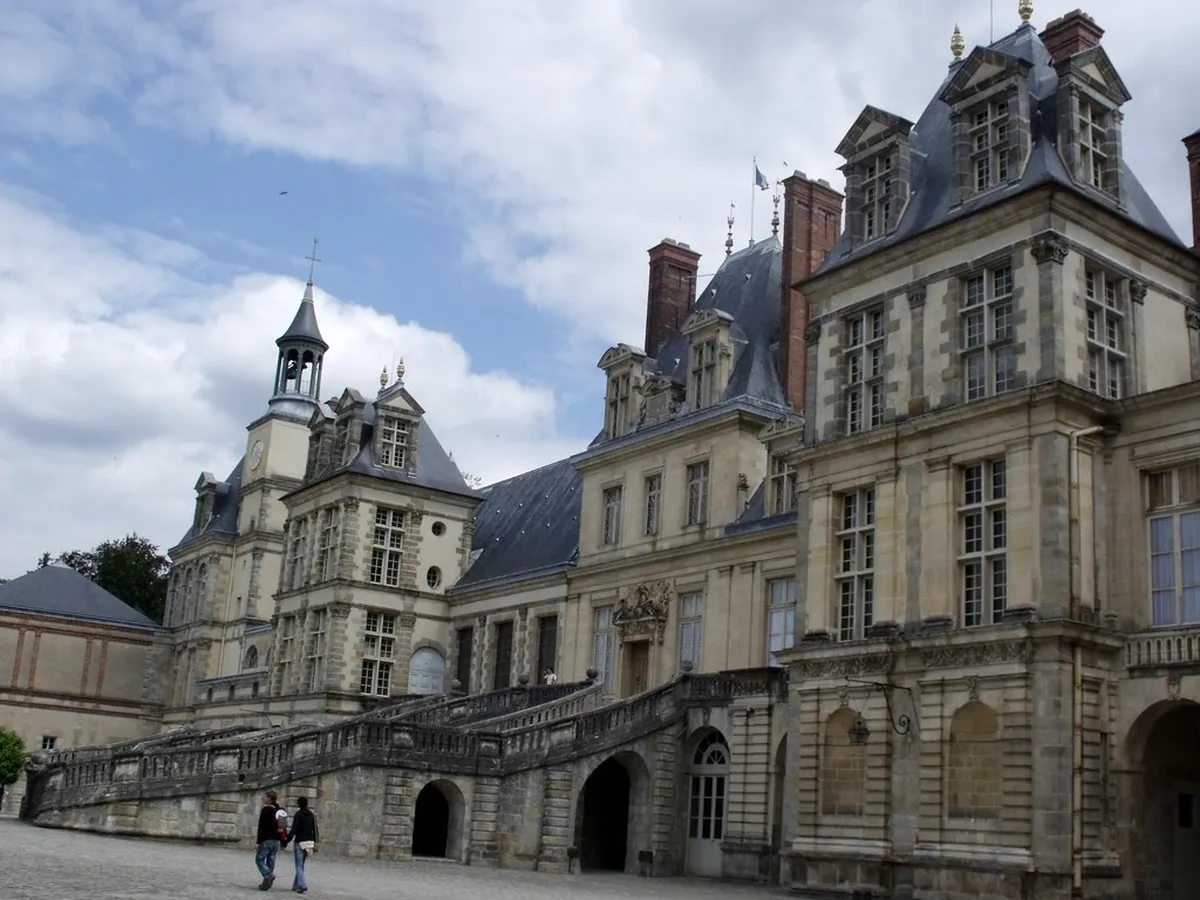
Look closely at the facades for intricate details. Ornate carvings and sturdy stone foundations tell stories. These elements define the medieval town architecture. They provide a unique glimpse into local heritage.
Key Architectural Styles in Historic Fontainebleau
Fontainebleau’s architecture showcases several historical periods. Early medieval influences are subtle but present. These often appear in foundational structures. Stone and timber were common building materials.
The town's development was heavily influenced by the Château. Renaissance styles brought elegance and grandeur. You can see these influences in various public buildings. They often blend with older, simpler designs.
Later periods added their own distinct touches. However, the core medieval character remains strong. Understanding these French architectural styles enriches your visit. It helps you identify distinct historical eras.
Notice the rooflines and window shapes as you explore. Many retain traditional regional designs. These small details contribute to the town's charm. They are vital parts of Fontainebleau's visual identity.
Discovering Fontainebleau's Oldest Buildings
Identifying the absolute Fontainebleau's oldest buildings requires keen observation. Some private residences date back centuries. Their stone walls often reveal their ancient lineage. These are usually found off the main thoroughfares.
The Church of Saint-Louis, for instance, has deep roots. While rebuilt, its site is historically significant. Parts of its structure incorporate older elements. It stands as a spiritual anchor for the town.
Seek out buildings with irregular stone patterns or medieval half-timbering. These construction methods indicate great age. They offer a tangible connection to Fontainebleau's past. Many are still in daily use today.
Local historians can often point out specific examples. Ask at the tourist office for more details. Some buildings may have plaques detailing their history. This helps in understanding their unique origins.
Beyond the Palace: Unique Historic Architecture
While the Château de Fontainebleau dominates, the town offers more. Explore the former coaching inns that once served travelers. Many have impressive courtyards and facades. These structures reveal a different side of history.
Private mansions from various eras dot the landscape. They display a range of architectural tastes. You can admire their elegance from the street. Each tells a story of its former inhabitants.
Several fountains and public squares also hold historical significance. They are often surrounded by well-preserved buildings. These areas invite you to pause and appreciate your surroundings. They contribute to the town's unique charm.
Look for hidden courtyards and narrow passages. These often reveal unexpected architectural gems. This quest to find unique historic architecture is a rewarding experience. It provides a deeper appreciation of Fontainebleau.
Planning Your Fontainebleau Architecture Walking Tour
A self-guided Fontainebleau architecture walking tour is highly recommended. Start near Place Napoléon Bonaparte. This central square offers easy access to many historic streets. Pick up a map from the tourist information office.
Dedicate at least two to three hours for a thorough exploration. Wear comfortable shoes for walking on cobblestones. Consider visiting in spring or fall 2025 for pleasant weather. Avoid peak summer crowds if possible.
Focus on streets like Rue Grande and its surrounding alleys. Also, venture into residential areas near the palace. Guided tours are also available for deeper insights. They often highlight specific historical points.
Expert Tip: Look up, not just straight ahead. Many architectural details are above eye level. The upper floors of buildings often retain more original features. Don't miss these intricate elements.
Frequently Asked Questions
What is the best way to see medieval architecture in Fontainebleau?
The best way is a self-guided walking tour. Obtain a map from the Fontainebleau tourist office. Focus on the older parts of the town center. Explore the charming side streets and alleys.
You can also join a local guided tour. These often provide historical context. They point out significant architectural details. This enhances your understanding of the town's past.
Are there specific historic buildings to look for in Fontainebleau?
Yes, beyond the Château, seek out the Church of Saint-Louis. Explore old residential homes near the palace. Look for former coaching inns and private mansions. Many date back to medieval or Renaissance times.
Pay attention to buildings with stone facades. Also, note any visible half-timbering. These are clear indicators of older construction. The town's heritage is visible everywhere.
How much does it cost to explore Fontainebleau's historic areas?
Exploring the town's medieval architecture is mostly free. Walking the streets and admiring buildings costs nothing. Entry to the Château de Fontainebleau does have a fee. However, much of the town's charm is public.
Budget for any guided tours you might choose. A typical walking tour might cost €10-€25 per person. These tours offer valuable insights. Consider purchasing a local guide book for more information.
Fontainebleau's medieval town architecture offers a unique experience. It is a journey through centuries of French history. The charming streets and historic buildings truly captivate visitors. Every corner reveals a new story from the past.
Plan your visit to Fontainebleau in 2025. Discover its enduring architectural beauty. You will leave with a deeper appreciation for its rich heritage. Start exploring this remarkable French town today!
Key Takeaways
- Explore Fontainebleau's town center on foot to discover hidden medieval architectural gems.
- Pay attention to building materials and styles for clues about their age and history.
- Consider a self-guided or local walking tour for deeper insights into Fontainebleau's past.