
Fontainebleau Palace: Architectural Styles Explained
Explore Fontainebleau Palace architectural styles. Uncover Renaissance, Classical, and Empire influences. Plan your 2025 visit and learn its rich design history!
On this page
Fontainebleau Palace stands as a testament to French history. Its magnificent walls tell a story of evolving tastes. Here, various architectural styles blend seamlessly. This guide explores the diverse designs within the palace. Prepare to uncover its fascinating artistic journey in 2025.
Understanding Fontainebleau Palace architectural styles enriches your visit. You will appreciate centuries of design innovation. Each era left its distinct mark on this royal residence. From Renaissance grandeur to Empire elegance, every corner holds a secret. Discover the palace's unique blend of artistic periods.
The Birth of French Renaissance at Fontainebleau
Francis I began transforming Fontainebleau in the 16th century. He introduced the French Renaissance style. Italian artists were invited to the court. This led to the First School of Fontainebleau. They brought new artistic ideas to France.
Artists like Rosso Fiorentino and Primaticcio influenced the palace. They adorned interiors with intricate frescoes and stucco work. The Gallery of Francis I showcases this early style. You can see classical motifs mixed with allegorical scenes. These elements defined a new aesthetic for French royalty.
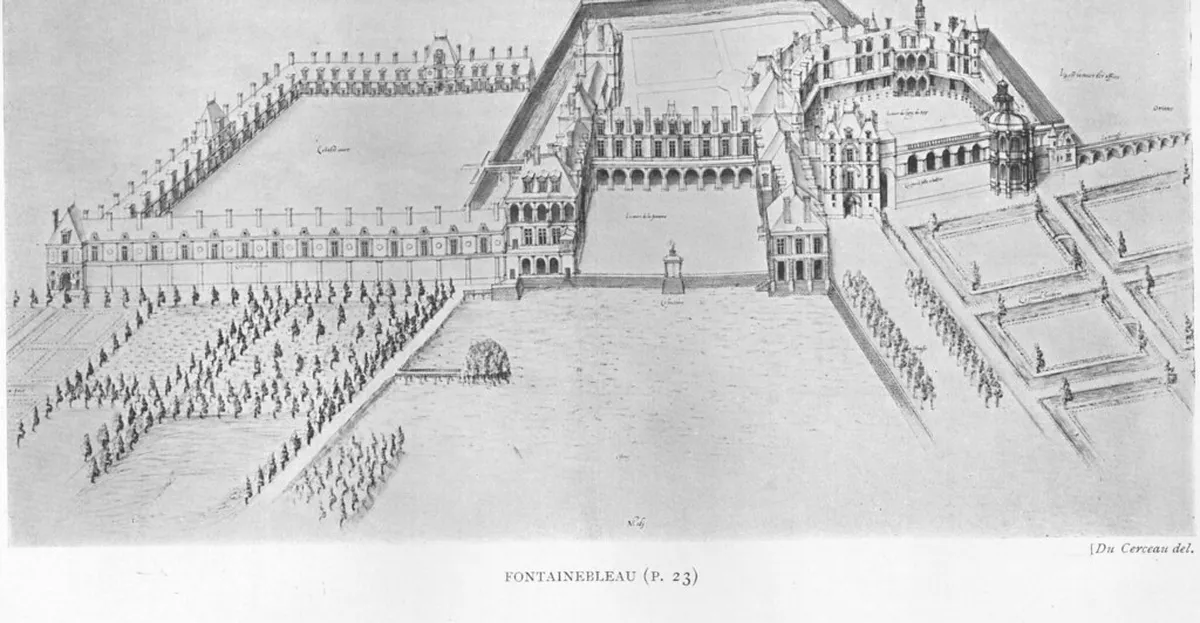
The U-shaped Cour du Cheval reflects Renaissance symmetry. Many original structures were later modified. However, the foundational vision of Francis I remains evident. His patronage created a unique blend of Italian and French artistry. Visiting hours vary, so check the official palace website.
Mannerism and Artistic Innovation
Following Francis I, Henry IV continued developing the palace. His reign saw the rise of the Second School of Fontainebleau. This period leaned towards Mannerism. It featured more complex and sophisticated decorations. Artists like Toussaint Dubreuil contributed greatly.
The Gallery of Diana exemplifies Henry IV's vision. It combines painting, sculpture, and elaborate stucco. Grottoes and artificial rock formations were also popular. These additions created whimsical and dramatic spaces. They offered a stark contrast to earlier designs.
Mannerism at Fontainebleau emphasized artistic freedom. It often distorted classical proportions deliberately. This created a sense of tension and grace. The history of Fontainebleau Palace architecture truly reflects this artistic shift. Explore these unique details during your 2025 trip.
Classical Grandeur and Royal Additions
Later monarchs, including Louis XIII and Louis XIV, added classical elements. These additions emphasized order, symmetry, and grandeur. They often sought to harmonize with existing structures. This meant incorporating classical facades and interiors. The designs became more restrained and formal.
The Cour de la Fontaine received significant classical improvements. Architects like Louis Le Vau contributed to these designs. They added stately columns and balanced proportions. These features align with traditional French Classicism. The palace continually evolved with each ruler's taste.
During the 17th and 18th centuries, renovations aimed for consistency. New wings and courtyards followed classical principles. These efforts created a cohesive yet diverse whole. You can observe these royal architectural features throughout the complex. Entry fees are around €13 for adults, subject to change.
Napoleon's Empire Style at Fontainebleau
Napoleon Bonaparte left a profound mark on Fontainebleau. He fully restored the palace after the Revolution. His period introduced the Empire style. This Neoclassical style drew inspiration from Roman antiquity. It featured military symbols and imperial grandeur.
Napoleon's apartments exemplify the Empire aesthetic. Furniture was often heavy and richly adorned. Gold, mahogany, and patriotic motifs were common. The Throne Room showcases this lavish approach. It was created specifically for imperial use. This era truly revitalized the palace's splendor.
The emperor sought to establish a new royal legitimacy. His architectural choices reflected this ambition. He favored strong, clear lines and monumental forms. The design evolution under Napoleon is striking. Plan your visit to see these magnificent historical spaces.
The Harmony of Diverse Fontainebleau Styles
Fontainebleau Palace is special due to its stylistic blend. It is not dominated by one single era. Instead, centuries of monarchs contributed. This layering creates a unique architectural tapestry. Each ruler added their vision to the existing framework.
Walking through the palace reveals this fascinating evolution. You can trace styles from Francis I to Napoleon. Renaissance forms meet Mannerist flourishes. These then transition into Classical and Empire grandeur. This architectural journey is truly captivating.
The palace stands as a living museum of French design. It showcases how styles adapted and merged over time. This makes Fontainebleau a vital site for art and history lovers. Allow at least 3-4 hours for a comprehensive tour. Prepare to be amazed by its beauty.
Frequently Asked Questions
How many major architectural styles are found in Fontainebleau Palace?
Fontainebleau Palace showcases several major architectural styles. These include early French Renaissance, Mannerism, Classical, and Empire styles. Each period added distinct features and decorations. This creates its unique, layered appearance. It reflects centuries of royal design.
Which French king most influenced the palace's initial design?
Francis I had the most significant influence on the palace's initial design. He introduced the French Renaissance style. His patronage brought Italian artists to Fontainebleau. This established the First School of Fontainebleau. He set the tone for future developments.
Are specific rooms dedicated to one particular architectural style?
While styles blend, certain rooms highlight specific eras. The Gallery of Francis I showcases early Renaissance. Napoleon's apartments exemplify the Empire style. These rooms offer excellent examples. You can clearly see the dominant style within them.
Can I explore the different architectural styles on a guided tour?
Yes, guided tours often highlight the palace's architectural evolution. Experts explain the various styles and historical context. This provides a deeper understanding. Check the palace's website for tour schedules and booking information. French architectural styles come alive with expert commentary.
Fontainebleau Palace offers a unique architectural journey. It blends Renaissance, Mannerist, Classical, and Empire styles. Each era contributes to its extraordinary beauty. This historic site remains a must-visit in 2025.
Its walls whisper tales of kings, queens, and emperors. Discover the artistic legacy left by centuries of French royalty. Plan your trip to this magnificent UNESCO World Heritage site. Immerse yourself in the palace's unparalleled design history.
Key Takeaways
- Fontainebleau Palace is a blend of Renaissance, Mannerist, Classical, and Empire architectural styles.
- Francis I initiated the palace's transformation, introducing the French Renaissance.
- Napoleon Bonaparte significantly restored and decorated the palace in the Empire style.
- Allow 3-4 hours for a comprehensive visit to fully appreciate its diverse designs.
- Check the official palace website for current opening hours and ticket prices for your 2025 visit.