
Grenoble Architecture Walking: A 2025 City Guide
Discover Grenoble's diverse architecture on a self-guided walking tour. Explore historic and modern styles in 2025. Start your adventure now!
On this page
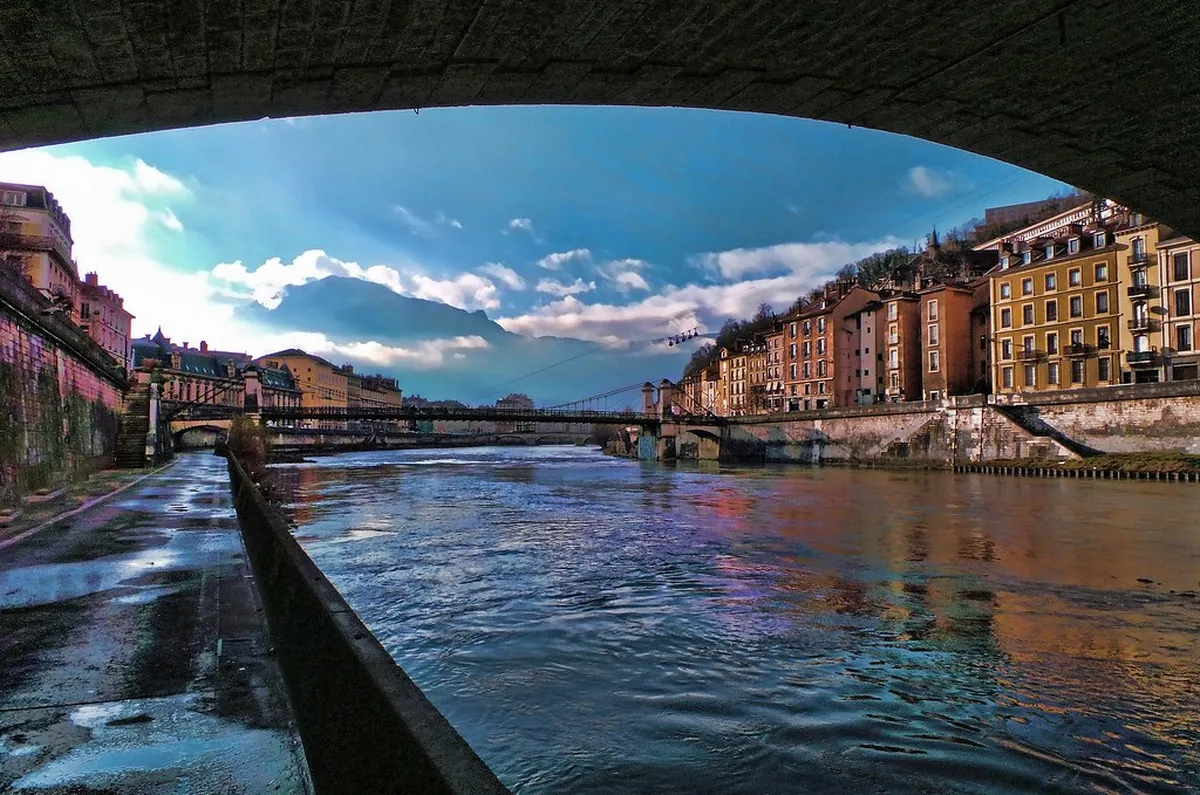
Grenoble offers a rich tapestry of architectural styles. Exploring its streets on foot reveals centuries of history. A Grenoble architecture walking tour provides unique insights. You will see ancient Roman foundations and modern designs.
This guide helps you discover the city's built heritage. From medieval charm to futuristic structures, Grenoble has it all. Prepare for an engaging journey through time. Plan your 2025 visit with our expert tips.
Exploring Historic Grenoble Architecture
Begin your journey in Grenoble's charming Old Town. Narrow cobblestone streets reveal hidden treasures. Many buildings date back to the medieval era. They feature stone facades and intricate details.
The Palais du Parlement du Dauphiné stands proudly. This former courthouse showcases impressive Renaissance design. Its grand courtyard is a must-see. Nearby, you will find the collegiate church of Saint-André. It is a significant historical landmark.
Stroll through Place Saint-André to admire surrounding buildings. Many have been beautifully preserved. Their architecture tells stories of past eras. Look for carved wooden doors and ornate balconies. These elements define historic Grenoble architecture.
Consider a visit to Maison de l'Hôte for another example. This building reflects 17th-century craftsmanship. Pay attention to the rooflines and window styles. Each structure adds to the city's unique character.
Modern Marvels: Contemporary Grenoble Buildings
Grenoble is not just about its past. The city embraces contemporary design. Many new districts feature striking modern architecture. These areas contrast beautifully with the old.
The Europole business district showcases sleek designs. Glass and steel structures dominate the skyline here. They represent Grenoble's forward-thinking spirit. This area is home to many research institutions.
Look for the innovative buildings around the train station. They incorporate sustainable features. Architects used new materials and bold forms. This reflects Grenoble's reputation for innovation.
The Tour Perret is another significant landmark. It was an early concrete tower, built in the 1920s. Though currently undergoing renovation, its unique form remains iconic. It signifies a transition to modern construction techniques in Grenoble. Discover more about modern architecture in Grenoble.
Grenoble's Diverse Architectural Styles Revealed
Grenoble's architectural journey spans many centuries. Each era left its distinctive mark. This creates a fascinating blend of styles. You can trace its evolution on a single walk.
Beyond medieval and modern, discover Art Deco influences. Some residential buildings feature geometric patterns. These unique facades add elegance to city streets. Look for these details in the downtown area.
The city also features some Haussmannian-style buildings. These grand structures are reminiscent of Paris. Wide boulevards are lined with these impressive facades. They appeared during 19th-century urban expansion.
Understanding these different periods enriches your visit. You will appreciate the layers of history. Each building contributes to the city’s identity. Learn more about Grenoble architectural styles.
Where Street Art Meets Architecture in Grenoble
Grenoble is famous for its vibrant street art scene. Buildings often serve as massive canvases. This creates a dynamic interplay between art and architecture. The city truly embraces urban creativity.
The annual Grenoble Street Art Fest transforms facades. Renowned artists create stunning murals. These artworks often interact with the building's features. They bring new life to older structures.
Walk through areas like Saint-Bruno or Île Verte. Here you will find impressive murals everywhere. They add a contemporary layer to the city's fabric. These pieces make street art and architecture in Grenoble a unique experience.
These artistic additions invite a fresh perspective. They challenge traditional notions of space. Discover how art breathes new life into urban environments. The combination is truly captivating for visitors.
Planning Your Perfect Grenoble Architecture Walking Tour
Planning your walk ensures a rewarding experience. Choose comfortable shoes for extensive walking. The best times to visit are spring and fall. The weather is mild, and crowds are smaller.
A self-guided tour offers maximum flexibility. You can explore at your own pace. Many online resources provide route suggestions. A good map is essential for navigating the city.
Consider a full day to cover main highlights. Allocate around 4-6 hours, including stops. Pack water and some snacks for your journey. Many cafes are available for breaks.
Download a self-guided Grenoble architecture walking tour map. This will guide you through key architectural sites. It helps you maximize your exploration in 2025. Enjoy discovering every hidden gem.
Frequently Asked Questions
How long does a Grenoble architecture walking tour take?
A comprehensive Grenoble architecture walking tour typically takes 3-5 hours. This allows time to appreciate different styles. You can customize the duration based on your interests. Shorter tours are possible for specific districts.
Are there guided Grenoble architecture walks available?
Yes, guided tours are often available, especially during peak season. Local tourism offices provide schedules and booking information. These tours offer expert insights and historical context. They can be a great way to learn more about best architectural walking routes in Grenoble.
What are the must-see buildings on a Grenoble architecture walk?
Key buildings include the Parliament of Dauphiné and Maison de l'Hôte. Don't miss the collegiate church of Saint-André. Also, explore modern structures in the Europole district. The Tour Perret is a noteworthy landmark.
Is Grenoble architecture walking suitable for all ages?
Absolutely, Grenoble architecture walking is suitable for most ages. The city center is relatively flat and walkable. Consider the length of your chosen route for younger children. Many parks offer resting spots along the way. You can even download a walking tour PDF to follow.
Grenoble offers an exceptional architectural journey. From ancient walls to sleek skyscrapers, there is much to see. A self-guided Grenoble architecture walking tour is truly rewarding. It connects you with the city's evolving story.
Embrace the blend of history and modernity on your walk. Plan your 2025 visit to experience this unique charm. Get ready to discover Grenoble's beautiful buildings firsthand. Your architectural adventure awaits!
Key Takeaways
- Grenoble's architecture spans medieval to modern styles.
- A self-guided walking tour offers flexibility and deep insight.
- Combine historic sites with contemporary districts for a full experience.
- Street art adds a unique, dynamic layer to the city's buildings.
- Plan your 2025 visit during spring or fall for ideal walking weather.