
Grenoble Medieval Architecture Walking Route 2025 Guide
Discover Grenoble's rich history on a medieval architecture walking route. Explore ancient sites and hidden gems. Plan your 2025 adventure today!
On this page
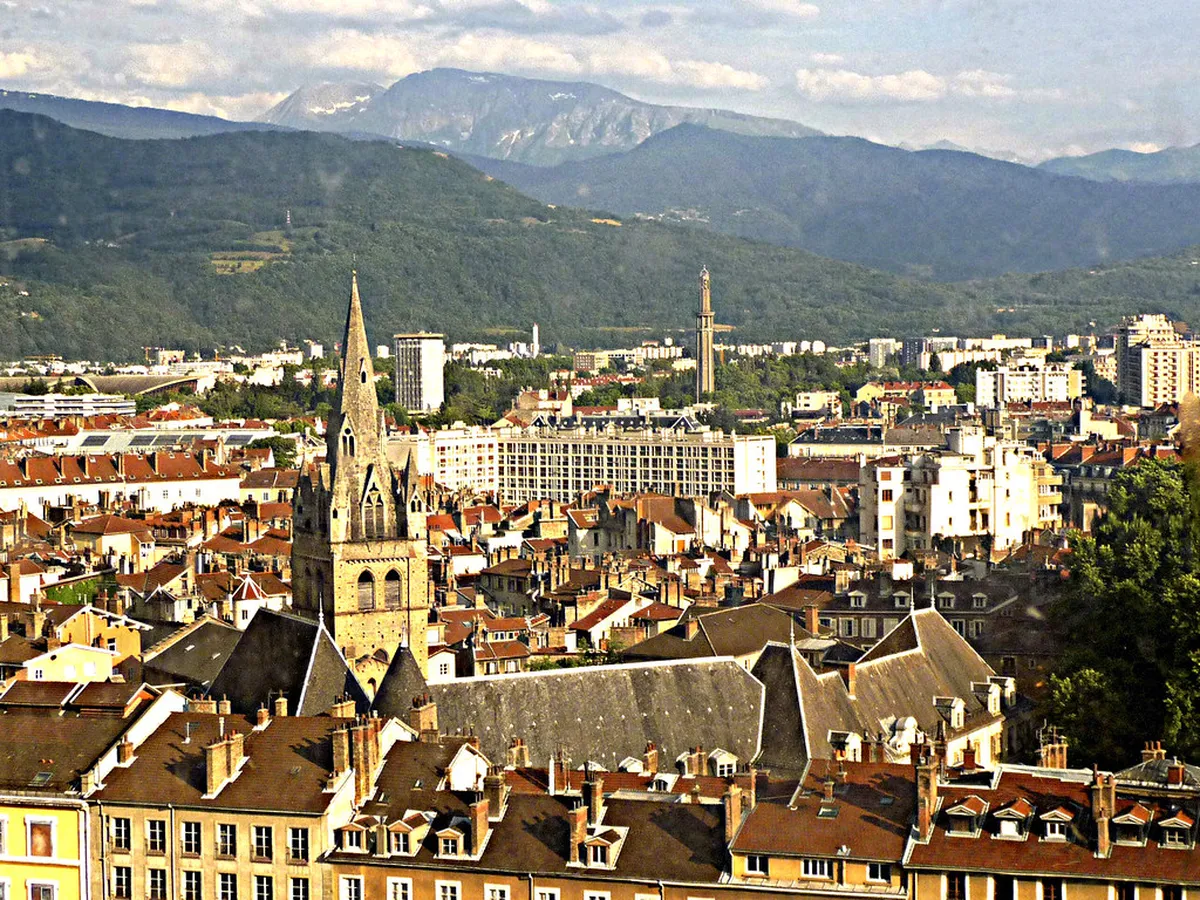
Grenoble boasts a truly fascinating past. Its rich medieval architecture tells many compelling stories. This walking route guides you through centuries of history. Discover ancient buildings and hidden courtyards. Prepare for a memorable historical journey in 2025.
This itinerary highlights the best of Grenoble's medieval architecture. You will explore significant landmarks. Each stop reveals a piece of the city's heritage. Get ready to step back in time. Enjoy this unique architectural adventure.
Starting Your Grenoble Medieval Architecture Journey
Begin your immersive journey at the Place Notre Dame. This historic square is Grenoble's vibrant heart. The square itself holds centuries of tales. It serves as an excellent starting point for exploration.
Your first key stop is the magnificent Cathédrale Notre-Dame de Grenoble. This cathedral showcases various architectural styles. You can observe its Romanesque and Gothic elements. It represents centuries of religious and artistic evolution.
Entry to the cathedral is generally free. Check for updated opening times for 2025. Guided visits are sometimes available. These visits offer deeper insights into its history. Allow ample time to admire its details.
Near the cathedral, you will find traces of even older structures. Look for archaeological remnants. They highlight Grenoble's profound historical layers. This area truly sets the scene for your medieval exploration.
Uncovering Secrets on Rue Brocherie and Old Town Alleys
From Place Notre Dame, venture into the charming Rue Brocherie. This narrow street exemplifies medieval urban planning. It preserves the character of old Grenoble. Many buildings here date back centuries.
Observe the varied facades along your walk. Some structures feature exposed stone. Others hint at traditional half-timbered designs. These details offer a glimpse into past construction methods. Imagine daily life unfolding on these very cobbles.
Take time to explore the small, winding alleys nearby. These hidden passages connect different parts of the old town. They often lead to quiet, unexpected courtyards. Each turn might reveal a new historical detail.
You can find small artisan shops here. Local crafts reflect Grenoble's heritage. This area is perfect for slow exploration. Pay attention to unique architectural flourishes. These elements define Grenoble's charm.
The Grandeur of the Palais du Parlement du Dauphiné
Next, make your way to the impressive Palais du Parlement du Dauphiné. This building dominates Place Saint-André. Its grand facade shows a blend of styles. However, its foundations date to the medieval era.
The palace began as a royal residence. It served as the seat of justice for the Dauphiné. Its evolution reflects Grenoble's political history. Part of its original structure is still visible today.
Today, the building houses the Grenoble Court of Appeal. Public access to the interior is limited. You can still admire its exterior architecture. Discover more notable historic buildings in Grenoble city center on our site.
Special heritage days often allow interior visits. Check local schedules for 2025 events. Guided tours can sometimes be arranged. These tours provide fascinating historical context.
Exploring the Historic Quartier Saint-Laurent
Cross the Isère River via the Pont Saint-Laurent. This bridge is a gateway to another historic district. The Quartier Saint-Laurent lies on the right bank. It holds some of Grenoble's oldest remnants.
Visit the Musée Archéologique Saint-Laurent. This museum is built over an ancient crypt. It showcases early Christian and medieval burials. The crypt itself is a remarkable piece of history.
The museum typically charges a small entry fee. It offers detailed explanations in French and English. Plan about an hour for your visit. It provides deep insight into Roman and medieval architecture in Grenoble.
Walk through the narrow streets of this quartier. You will feel a distinct historical ambiance. Many buildings retain their centuries-old character. Enjoy the riverside views and unique atmosphere.
Ancient City Walls and Hidden Gems
Your Grenoble medieval architecture walking route continues. Seek out the less obvious historical traces. Remnants of the old city walls still exist. They are often integrated into later buildings.
Look closely at building foundations. Some sections reveal ancient stone work. These parts were once defensive structures. They protected Grenoble's inhabitants for centuries. Finding them feels like a treasure hunt.
Explore the many hidden courtyards within the city blocks. Many are accessible during the day. They offer peaceful escapes from busy streets. These courtyards often hide forgotten architectural details.
Always remember to be respectful of private property. Many courtyards are part of residential buildings. This exploration offers a unique perspective. It highlights the city's enduring history. Learn more about Grenoble's diverse architectural styles on your journey.
Frequently Asked Questions
What are the oldest medieval buildings to see in Grenoble?
The Cathédrale Notre-Dame stands as a prime example. Parts of its structure date back to the 13th century. The Musée Archéologique Saint-Laurent houses an ancient crypt. This crypt dates to the 6th century. It offers fascinating medieval insights. You can also explore foundations of the Palais du Parlement. These are among the oldest medieval sites. Discover more of Grenoble's oldest buildings.
Is the Grenoble medieval architecture walking route suitable for all ages?
Yes, this walking route is suitable for most ages. The paths are generally flat and accessible. Some cobblestone streets might be uneven. Wear comfortable walking shoes. Children will enjoy the historical exploration. Plan for breaks as needed.
How much time should I allocate for a medieval walking tour in Grenoble?
Allocate a minimum of 3-4 hours for this route. This allows time for stops and photos. If you visit museums, add more time. A full day provides a relaxed pace. You can truly immerse yourself in the history.
Are there guided tours available for Grenoble's medieval architecture in 2025?
Yes, guided tours are often available. Local tourism offices provide information. Check their 2025 schedules for availability. Some independent guides also offer specialized tours. These tours provide in-depth historical narratives.
What is the best season to explore medieval Grenoble on foot?
Spring (April-June) and Fall (September-October) are ideal. The weather is mild and pleasant. These seasons offer comfortable walking conditions. Summer can be warm, but mornings are still good. Winter may bring cold, but less crowded streets.
This Grenoble medieval architecture walking route offers a unique journey. You have explored ancient streets and historic landmarks. The city's past is rich and captivating. Every corner reveals another story. We hope this guide enhances your 2025 visit.
Grenoble's medieval heritage awaits your discovery. Immerse yourself in its timeless beauty. Plan your trip and experience history firsthand. Share your findings with fellow history enthusiasts. Enjoy uncovering the city's ancient heart.
Key Takeaways
- Start your route at Place Notre Dame for historical immersion.
- Explore Rue Brocherie and hidden alleys for authentic medieval charm.
- Admire the Palais du Parlement du Dauphiné, a medieval judicial marvel.
- Cross to Quartier Saint-Laurent to visit the ancient crypt and museum.
- Look for subtle signs of ancient city walls and hidden courtyards.