
Old Stock Exchange Lille History: A Grand Guide
Explore the rich Old Stock Exchange Lille history. Discover its architecture, origins, and cultural role. Plan your 2025 visit to this historic landmark today!
On this page
The Old Stock Exchange Lille history is truly fascinating. This iconic building, known as the Vieille Bourse, stands proudly on the Grand Place. It represents a significant piece of Lille's past. Travelers in 2025 often seek its unique charm. Discover the story behind this architectural masterpiece.
This guide explores its construction and evolution. You will learn about its role in the city's commerce. Understand why it remains a beloved landmark today. Prepare to step back in time.
Origins and Construction of the Vieille Bourse
The Old Stock Exchange Lille history began in the 17th century. Lille’s merchants needed a dedicated trading place. They sought a space to conduct business formally. King Philip IV authorized its construction in 1652.
The building's design reflects Flemish Renaissance style. Architect Julien Destrée oversaw its creation. Construction finished in 1653, quite quickly for its grandeur. The local bourgeoisie funded this ambitious project.
It originally served as a textile exchange. Merchants gathered here to trade goods daily. The elegant structure quickly became a city focal point. Its design influenced many later Lille architectural styles.
Architectural Splendor and Design Details
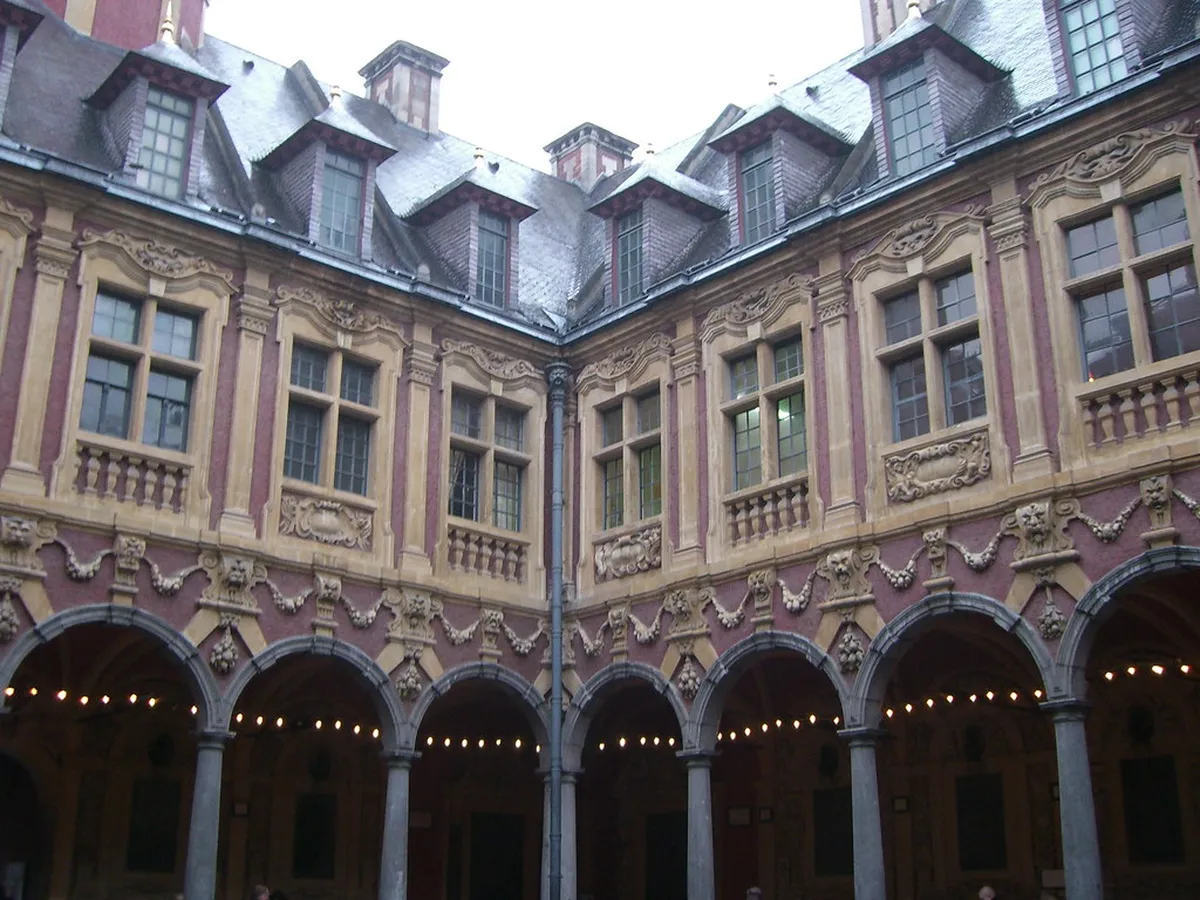
The Vieille Bourse showcases magnificent architecture. It consists of 24 identical houses surrounding a courtyard. Each house features ornate facades. Look for detailed carvings and sculptures.
The design features strong Flemish influences. Stone and brick work together harmoniously. Ornate gables and intricate window frames catch the eye. Statues of Mercury and other figures adorn the facade, symbolizing commerce.
Each small house served as an independent merchant's office. This unique layout allowed privacy for transactions. Yet, it maintained a unified aesthetic. The building stands as a testament to 17th-century craftsmanship.
Life and Commerce Within Its Walls
For centuries, the Vieille Bourse was Lille's economic heart. Merchants negotiated prices here. They exchanged goods like wool and linen. This lively activity shaped the city’s prosperity.
The central courtyard buzzed with energy. Brokers, traders, and artisans converged. Business deals were struck daily under its arches. It was a true hub for financial transactions.
Over time, its commercial role evolved. Modern financial practices changed the landscape. The building adapted to new functions. Its historic essence, however, remained intact.
The Vieille Bourse Today: A Cultural Hub
Today, the Old Stock Exchange Lille history lives on. It no longer functions as a stock exchange. Instead, it serves as a vibrant cultural meeting point. This transformation occurred gradually over decades.
The iconic courtyard hosts a daily second-hand book market. Visitors can browse thousands of titles. Chess players often gather for friendly matches. It provides a unique atmosphere for relaxation.
Many craft markets also take place inside. You can find local artisans selling their unique products. It is a fantastic spot to buy souvenirs. Check for current events during your 2025 visit. For more visiting details, explore our Vieille Bourse guide.
Visiting the Old Stock Exchange Lille
Visiting the Vieille Bourse is a must for any Lille trip. It is located directly on Lille's Grand Place. Entry to the courtyard is free of charge. You can explore its beauty at your own pace.
The market operates most afternoons. It typically runs from Tuesday to Sunday. Hours are generally from 1 PM to 7 PM. Confirm exact timings for 2025 before your visit.
Allow at least 30 minutes to an hour. This gives you time to admire the architecture. You can also browse the books and enjoy the atmosphere. It's a perfect spot for photography.
Frequently Asked Questions
What is the primary function of Lille's Old Stock Exchange today?
Today, the Old Stock Exchange serves as a cultural hub. Its courtyard hosts a daily second-hand book market. Chess players also gather there regularly. It's a vibrant public space.
When was the Vieille Bourse in Lille constructed?
Construction of the Vieille Bourse began in 1652. It was completed just one year later, in 1653. This rapid construction showcases 17th-century efficiency. It quickly became central to Lille's economy.
Can visitors enter the Old Stock Exchange for free?
Yes, visitors can enter the Vieille Bourse courtyard for free. There is no admission fee charged. You can browse the market and enjoy the historical setting. It's an accessible landmark for everyone.
The Old Stock Exchange Lille history is a rich tapestry. It tells tales of commerce, artistry, and community. From its 17th-century origins to its current role, it remains vital. Make sure to experience its unique charm.
Plan your visit to this magnificent building in 2025. Explore the market and admire the architecture. The Vieille Bourse offers an unforgettable glimpse into Lille's past. It truly stands as a jewel of the city.
Key Takeaways
- The Vieille Bourse was built in 1653, showcasing Flemish Renaissance architecture.
- It originally served as a vital textile exchange for Lille's merchants.
- Today, its courtyard hosts a popular second-hand book market and cultural events.
- Entry to the courtyard is free, making it an accessible historical site.