
Vieux Port Historical Architecture Facts in Marseille
Explore fascinating Vieux Port historical architecture facts in Marseille. Learn about its ancient past and modern transformations. Plan your visit today!
On this page
Marseille's Vieux Port offers a journey through time. Its historical architecture facts reveal centuries of change. This vibrant harbor stands as the city's heart. It reflects diverse influences on Marseille's development. Discover the unique charm of this ancient port area. Learn about its fascinating past today.
The Vieux Port’s shoreline tells many stories. From Greek foundations to modern designs, history is everywhere. Understanding its buildings enriches any visit. Prepare to uncover the secrets of its enduring structures. Immerse yourself in the rich Vieux Port architecture history.
Ancient Foundations: Greek and Roman Origins
The Vieux Port's history began in 600 BC. Greek sailors from Phocaea founded Massalia. They established a trading post here. This settlement quickly grew into a thriving port city. Its strategic location made it a Mediterranean hub.
Early structures were simple but functional. Warehouses lined the natural harbor. These buildings facilitated bustling trade. Evidence of Roman influence emerged later. Roman roads and administrative buildings appeared. They helped connect the port to the wider empire. Some foundations still exist beneath modern streets.
Archaeological digs continuously uncover new insights. Artifacts reveal daily life in ancient Massalia. These findings paint a vivid picture. They show the incredible longevity of this port. The original layout of the port influenced later development.
Visitors today can imagine the ancient ships. They sailed into this same natural inlet. The port's shape remains largely unchanged. This connection to antiquity is truly profound. It offers a tangible link to Marseille's distant past.
Medieval Fortifications and Defensive Architecture
The medieval era brought new architectural needs. Marseille faced constant threats from invaders. Stronger defenses became paramount. The port required protection from both land and sea attacks.
Fort Saint-Jean guards the north side of the harbor. Its construction dates back to the 12th century. The Knights Hospitaller initially built parts of it. Later expansions added formidable towers and walls. It controlled access to the port itself.
Opposite, Fort Saint-Nicolas protects the south. King Louis XIV ordered its construction in the 17th century. Its purpose was to control the city's inhabitants. The fort served as a symbol of royal authority. These twin forts define the port's entrance.
Both forts showcase robust military architecture. Thick stone walls and strategic viewpoints characterize them. They offer stunning views of the port today. Exploring these historical structures is a must-do. They stand as enduring symbols of Marseille's resilience. Discover the detailed history of Vieux Port buildings Marseille.
17th-19th Century Transformations and Grand Designs
The 17th to 19th centuries marked significant expansion. Marseille's trade flourished immensely. Wealthy merchants built impressive townhouses. These elegant buildings lined the port's quays. Their facades reflect classical and Baroque influences.
The Hôtel de Ville, or City Hall, is a prime example. It was built between 1656 and 1673. This elegant building sits directly on the northern quay. Its distinctive Italian-inspired architecture stands out. The City Hall remains an active government building.
Further along, the Chamber of Commerce, La Bourse, dominates. It was completed in 1860, showcasing grand design. This structure symbolizes Marseille's mercantile power. Its imposing presence reflects the city's economic boom. These buildings are truly magnificent.
Many other residential buildings from this period remain. Their stone construction and iron balconies add character. These structures often housed merchant families. Ground floors served as shops or workshops. They tell a story of prosperity and daily life. You can appreciate their grandeur during a stroll.
World War II and Post-War Architectural Legacy
World War II brought immense devastation to Marseille. The German occupation led to tragic destruction. The historic Le Panier district suffered greatly. Entire sections around the Vieux Port were razed. This dark period changed the city's fabric.
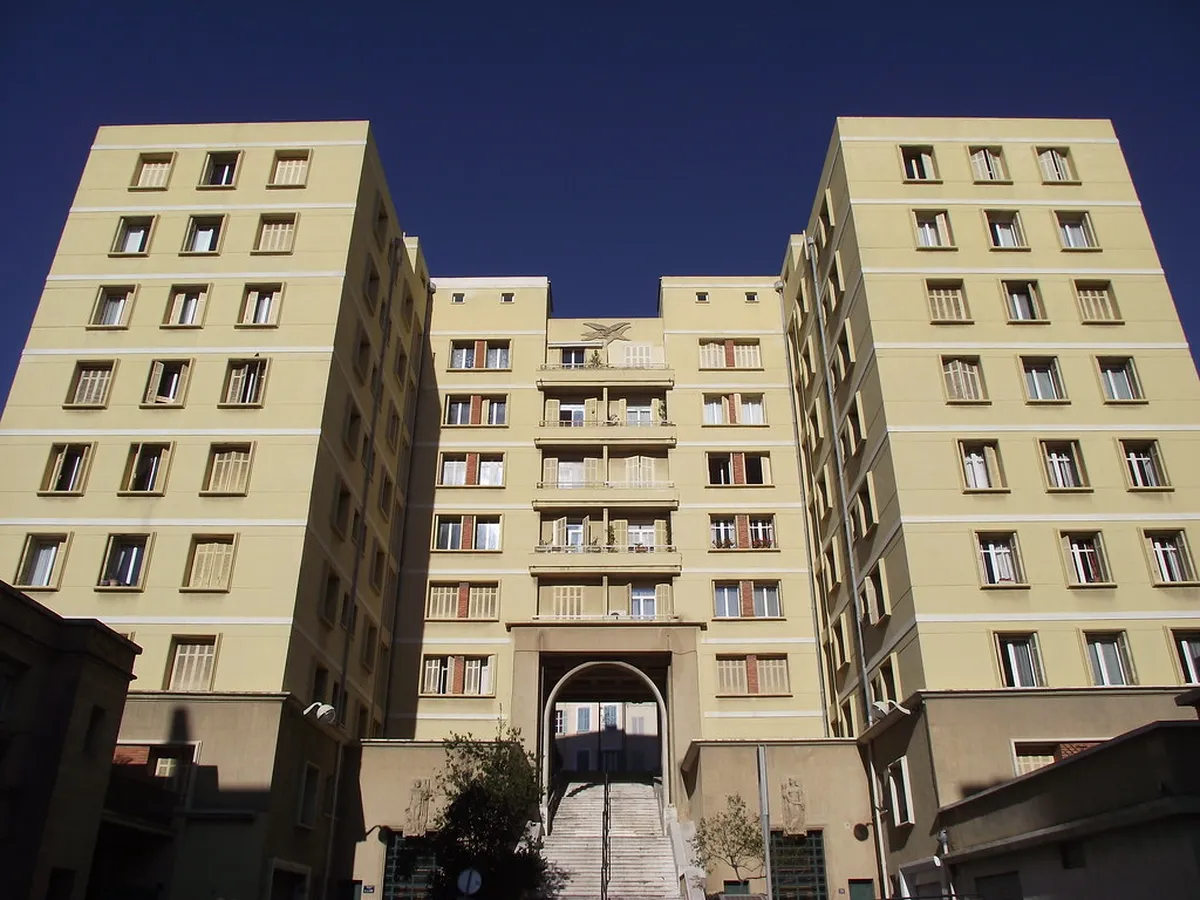
Post-war reconstruction was a massive undertaking. Architect Fernand Pouillon led this challenging effort. He aimed to rebuild quickly and efficiently. Pouillon focused on restoring the port's commercial vitality. His designs respected the city's traditional aesthetic.
Pouillon's vision prioritized functional yet attractive buildings. He used local stone and traditional forms. The new structures blended with surviving older ones. This careful rebuilding helped heal the city. It preserved the spirit of the Vieux Port.
The reconstruction work from 1948 to 1960 is notable. It shows a commitment to renewal. Today, visitors see a harmonious blend. Old buildings stand beside mid-century creations. This blend highlights the city's enduring spirit. Learn more about the redevelopment of Vieux Port architecture.
Modern Additions and Contemporary Waterfront Design
The Vieux Port continues to evolve. Recent decades have seen thoughtful modern interventions. These projects aim to enhance public spaces. They also integrate contemporary design elements. Marseille values innovation alongside its rich heritage.
The Ombrière, designed by Norman Foster, is iconic. This giant mirrored canopy offers shade. It reflects the bustling port activity below. The structure was installed in 2013. It quickly became a popular meeting point. It perfectly blends modern art with public utility.
New pedestrian zones have also emerged. These areas encourage walking and relaxation. They offer improved access to the waterfront. Cafes and restaurants spill onto these lively spaces. The goal is to make the port more inviting for everyone.
These modern additions complement the historical architecture. They show a forward-thinking approach. Marseille embraces its past while looking to the future. The juxtaposition creates a dynamic urban landscape. Explore Marseille architectural styles around the port. The Vieux Port remains a vibrant, living testament to history. It showcases various architectural styles from different eras.
Frequently Asked Questions
What is the oldest part of Vieux Port, Marseille?
The oldest part of Vieux Port dates back to 600 BC. This is when the Greek colony of Massalia was founded. The natural harbor itself forms the ancient heart. Archaeological evidence confirms this early settlement. It represents Marseille's very beginnings.
Which famous buildings are located at Vieux Port?
Several famous buildings grace the Vieux Port area. These include the historic Fort Saint-Jean and Fort Saint-Nicolas. The beautiful Hôtel de Ville (City Hall) also stands prominently. La Bourse, the Chamber of Commerce, is another landmark. The modern Ombrière canopy is a recent, well-known addition.
Was Vieux Port rebuilt after World War II?
Yes, much of the Vieux Port area was rebuilt after World War II. The German occupation caused extensive damage. Architect Fernand Pouillon led the reconstruction efforts. He worked to restore the port's functionality and aesthetic. His work respectfully blended new structures with surviving historical elements.
Can I take a tour focused on Vieux Port historical architecture facts?
Many guided tours in Marseille include the Vieux Port. Some focus specifically on its rich history and architecture. You can find walking tours that detail different buildings. Look for options mentioning ancient history or post-war rebuilding. Check local tourist information for 2025 schedules.
The Vieux Port in Marseille is a living museum. Its historical architecture facts tell an incredible story. From ancient Greek foundations to modern designs, it reflects resilience. Every building shares a piece of Marseille’s soul. This vibrant port truly embodies the city's spirit.
Exploring its quays offers endless discoveries. The blend of old and new is truly captivating. Plan your visit to witness this architectural marvel. Experience the rich history that defines Marseille's heart. The Vieux Port awaits your exploration.
Key Takeaways
- The Vieux Port dates back to 600 BC with Greek origins.
- Fort Saint-Jean and Fort Saint-Nicolas are key medieval fortifications.
- Post-WWII reconstruction, led by Fernand Pouillon, shaped the modern port.
- Modern additions like the Ombrière blend seamlessly with historical structures.
- Visitors should explore the Hôtel de Ville and La Bourse for architectural beauty.
Related reads: streetartly.com.