
Historical Influences on Menton Buildings: A Complete Guide
Explore the historical influences on Menton buildings. Learn facts about the architecture of this French city and book your tour for 2025 today!
On this page
Discovering Menton reveals a colorful tapestry of styles from many different eras and cultures. The historical influences on Menton buildings tell a complex story of change across many centuries of development. You will see Italian, French, and British elements as you walk through the sunny streets. This guide explores the Menton architectural history facts that define this unique and beautiful coast.
The proximity to the border means that Italian traditions deeply impacted the local building styles. You will find that the architectural identity is a blend of French and Italian culture. Visitors can see this fusion in the grand villas and the humble homes of the old district. This guide will help you understand the forces that built this beautiful Mediterranean town.
Historical Influences on Menton Buildings from Italy
The earliest structures in the city show a clear connection to the Republic of Genoa and Italy. Builders used local materials like limestone and river stones to create strong and lasting residential foundations. The narrow alleys were designed to provide shade during the hot and sunny summer months in France. These architectural choices reflect a deep understanding of the local Mediterranean climate and its many challenges.
Tall apartment buildings lean against each other to provide support against potential earthquakes in the coastal region. The bright colors of the walls served as a signal for fishermen returning to the port at night. Shades of pink, orange, and yellow make the city look like a vibrant painting under the sun. This tradition of using warm colors remains a key part of the local identity and building codes.
Small balconies with iron railings allow residents to enjoy the fresh sea breeze from their private homes. Wooden shutters protect the interiors from the harsh afternoon sun and help keep the rooms very cool. The steep staircases between the houses connect the upper town with the busy harbor and the beach. Every element of these buildings serves a practical purpose while adding to the overall charm and beauty.
- These were built to keep the hot sun away during the long summer days in Menton.
- These were designed to provide stability and protection against potential natural disasters in the region.
- These were used to reflect the warm and bright light of the beautiful Mediterranean sun today.
Historical influences on Menton buildings often started with the need to house growing families in small spaces. Owners added extra floors to their houses as their wealth and family size increased over many years. This vertical growth created the unique skyline that defines the Old Town when viewed from the sea. You can learn more about these structures by visiting the Menton old town architecture district.
Visitors often feel a strong sense of history as they walk through these ancient and colorful corridors. Every stone and every doorway seems to whisper a story about the old Genoese sailors of the past. You can see how the architecture has survived for hundreds of years despite the changing political landscape. This lasting quality is a testament to the skill and the vision of the early city builders.
The Grimaldi Era and Defensive Structures
For many centuries, the Grimaldi family of Monaco held power over the lands and people of Menton. Their rule brought a sense of stability that allowed for the construction of more permanent stone buildings. The Prince’s Palace, though smaller than the one in Monaco, once stood as a symbol of power. Remnants of this era can still be seen in the older parts of the historic city center.
The Grimaldi rulers focused heavily on defending the town from invaders coming from the Mediterranean Sea. They built thick stone walls and watchtowers that still stand guard over the blue waters today. Historical influences on Menton buildings include these defensive structures built for protection against dangerous ancient sea raids. The streets were kept intentionally narrow to slow down any soldiers who managed to enter the city.
Wealthy families associated with the court built residences that featured more decorative elements than the common houses. Carved stone doorways and decorative lintels began to appear on the main streets near the harbor area. These details represented the social status of the owners and their connection to the ruling Grimaldi family. Many of these houses have been carefully restored to preserve their historical appearance for modern visitors to enjoy.
The transition from Monaco to French rule in the mid-nineteenth century brought even more changes to architecture. New administrative buildings were constructed to reflect the growing influence of the French government in the region. These structures often combined traditional local styles with the more formal designs found in larger French cities. The result is a fascinating mix of styles that reflects the complex political history of the border.
The military legacy of the Grimaldi era is still visible in the strong bastions along the harbor wall. These massive stones were placed by hand to ensure the town remained safe from any external naval threats. Many historians believe these walls are some of the best-preserved examples of maritime defense in the entire region. They provide a stark contrast to the delicate and ornate buildings found in the newer parts of town.
Belle Époque Architecture and International Luxury
The arrival of the railway in 1869 changed Menton from a quiet village into a world-class destination. Architects from Paris and London came to the city to design grand hotels for the wealthy elite. These buildings featured high ceilings, grand staircases, and ornate plasterwork that celebrated the luxury of the era. Historical influences on Menton buildings shifted from local tradition to international glamour and sophisticated style during this time.
Queen Victoria of England famously stayed in the city, which encouraged other royals to visit the area. Villas like the Palais de l'Europe were built to host grand balls and cultural events for visitors. These structures often included large gardens that featured plants brought from tropical colonies around the world. The combination of grand architecture and lush greenery became a trademark of the Menton winter season.
The Winter Palace is a prime example of the massive scale of hotels built during this period. Its long facade and decorative roofline can be seen from almost any high point in the city. Inside, the use of marble and gold leaf reflected the incredible wealth of the guests who stayed there. You can find many of these landmarks by following a historic Menton architecture tour today.
Even the smaller houses built during this time adopted some of the decorative elements of the grander hotels. Iron balconies and decorative tiles became common features on the residential streets outside the old city walls. This period of growth defined the modern layout of the city and its elegant coastal boulevards. The Belle Époque style remains one of the most beloved aspects of the architectural heritage of Menton.
The impact of international tourism during this period cannot be overstated when looking at the urban development here. Menton became a stage for showing off wealth through elaborate facades and luxurious gardens with rare plants. This era left a permanent mark that continues to define the high-end appeal of the French Riviera today. Travelers still come to admire these grand monuments of a time when elegance was the highest priority.
Baroque Religious Landmarks and Ornate Facades
The religious buildings in Menton offer some of the most impressive sights for fans of historical architecture. The Basilica of Saint-Michel Archange is a true masterpiece of the Baroque style on the French Riviera. Construction began in the seventeenth century and took many decades to complete to the current high standard. Its bright yellow facade stands in beautiful contrast against the deep blue sky of the Mediterranean coast.
The interior of the basilica features rich decorations, including red damask fabrics and intricate gold altars. The ceiling paintings tell stories of faith and history that have inspired locals for many generations. Sound echoes through the large space, highlighting the grand scale and the skill of the original builders. This church remains the center of cultural and religious life in the Old Town of Menton today.
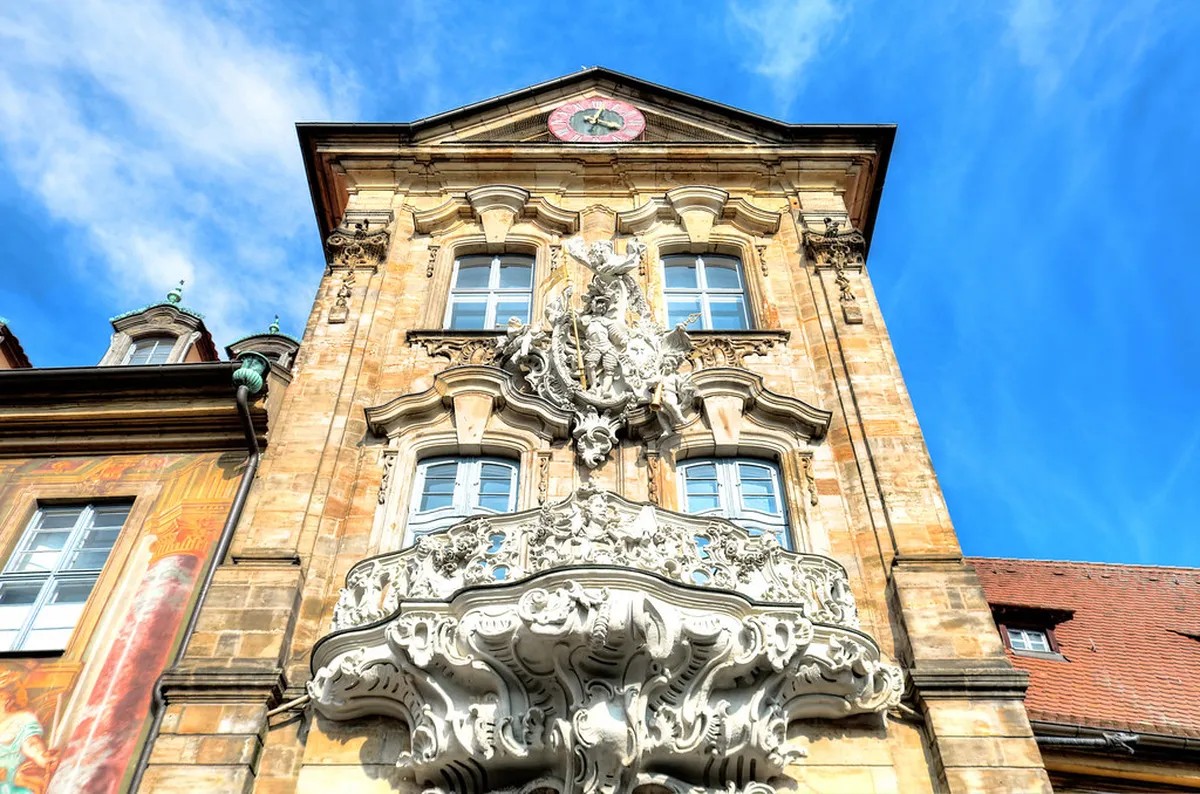
Adjacent to the basilica is the Chapel of the White Penitents, another stunning example of religious art. The facade is adorned with statues and carvings that represent the devotion of the local religious brotherhoods. The square in front of these churches is paved with a grey and white pebble mosaic pattern. This traditional calade style of paving is a unique feature of the architectural facts from this region.
The bell tower of the basilica is visible from miles away and serves as a local landmark. Its design was influenced by the Italian bell towers found across the border in the nearby Liguria region. The bells continue to ring out the hours, connecting the modern city to its deep historical roots. Historical influences on Menton buildings are most visible in the stunning Baroque architecture of these famous churches.
The Baroque period brought a sense of drama and light to the religious architecture of the entire city. Builders used the natural terrain to create dramatic entrances that make the churches appear even larger than they are. This clever use of perspective is a common feature of the Menton history facts from that century. The churches remain some of the most photographed locations in the city because of their beauty and scale.
Jean Cocteau and Modern Artistic Movements
In the mid-twentieth century, the artist Jean Cocteau brought a new and modern vision to Menton. He transformed an old harbor fortress into a museum that blends historical stone with his own art. The Bastion Museum features mosaics and murals that reflect his unique style and his love for the sea. Historical influences on Menton buildings could be updated for a more modern era through these creative projects.
Cocteau also designed the wedding hall in the City Hall, which is a popular site for tourists. The walls are covered in his flowing drawings, creating a space that feels like a living artwork. His work introduced a playful and surreal element to the traditional and structured architecture of the city. It proved that the city could embrace new ideas while still respecting its long and rich history.
The newer Jean Cocteau Museum, designed by Rudy Ricciotti, is a bold example of twenty-first-century architecture. Its low, white structure features concrete fingers that reach down to the ground near the waterfront. The design is meant to mimic the movement of the waves and the light of the coast. You can see how this building stands out by reading about the Cocteau Museum architecture.
Modern architecture in Menton focuses on sustainability and blending in with the natural beauty of the landscape. Tickets for the Cocteau Museum usually cost around ten euros for adults during the peak summer season. New residential projects often use large windows to take advantage of the famous light of the Riviera. They incorporate traditional materials like stone and plaster to ensure they do not clash with older buildings.
Integrating modern art into the fabric of an ancient city is a challenge that Menton has met well. The works of Cocteau provide a bridge between the traditional past and the bold future of Mediterranean design. His influence is felt in many smaller galleries and public art spaces found throughout the modern city streets. Exploring these locations reveals how art and architecture can work together to create a unique local urban identity.
Future Preservation and 2025 Conservation Efforts
Menton is classified as a City of Art and History, which means its buildings are protected. The local government enforces strict rules to ensure that all renovations respect the original design and color. This dedication to preservation ensures that the Menton architectural history facts remain visible for everyone to see. Walking through the city in 2025 feels like walking through a very well-maintained open-air museum.
Restoration projects often involve using traditional lime washes and natural pigments to paint the historic house facades. Skilled craftsmen are hired to repair the delicate ironwork and carved stone details on the older villas. These efforts help to maintain the unique character that draws thousands of tourists to the city annually. You can see the results of this hard work in the gleaming walls of the Old Town.
The city also invests in the preservation of its many historical gardens and their associated garden structures. Fountains, gazebos, and statues are carefully cleaned and repaired to maintain their original and classic beauty. These elements are just as important as the houses in telling the story of the city’s past. They provide a green backdrop that complements the colorful and varied architecture of the urban areas.
New developments are carefully reviewed to ensure they do not block the famous views of the sea. Architects are encouraged to use colors and materials that harmonize with the existing and historical urban fabric. Modern builders must respect the Menton architectural history facts when they are planning any new projects. This careful planning ensures that Menton remains a beautiful and cohesive place to live and visit.
As we look toward the future, the commitment to maintaining the architectural soul of the city remains firm. Residents take great pride in their homes and follow the strict guidelines to keep the city looking beautiful. This collective effort ensures that the charm of Menton will be enjoyed by many generations of future travelers. The city continues to be a shining example of how to balance growth with deep historical respect.
Frequently Asked Questions
What is the most famous building in Menton?
The Saint-Michel Archange Basilica is widely considered the most iconic and famous building in the entire city. It sits high on a hill and offers incredible views of the harbor and the surrounding mountains. The Baroque style and colorful facade make it a must-see for every visitor to the French Riviera. It represents the religious and artistic peak of the seventeenth century in the local Mediterranean region.
Why are the houses in Menton so colorful?
The bright colors are a tradition that dates back to the time when fishermen needed to find home. The orange and yellow hues are also meant to reflect the warmth and light of the sun. Local laws now protect these specific colors to maintain the historical and visual identity of the town. This creates a cheerful and welcoming atmosphere that is unique to this part of the French coast.
How has the border with Italy influenced the architecture?
Menton was once part of the Republic of Genoa, which brought many Italian styles to the city. You can see this in the narrow streets and the tall, connected houses of the Old Town. These historical influences on Menton buildings are why the city looks so different from its neighbors. This blend of cultures makes the architectural history truly fascinating for history and art lovers alike.
Menton offers a unique look at how different cultures and eras can shape a single coastal city. From the Italian roots to the Belle Époque grand hotels, every building tells a very unique story. Seeing the historical influences on Menton buildings firsthand is the best way to appreciate the city. Start your journey today by checking out our latest travel guides for this beautiful and historic coastal region.
Key Takeaways
- Menton successfully blends beautiful Italian Ligurian styles with grand and elegant French Belle Époque architecture.
- The Saint-Michel Archange Basilica serves as the most impressive and important Baroque landmark in the entire city.
- Modern artistic influences from Jean Cocteau have helped to shape the contemporary face of the waterfront area.
Related reads: streetartly.com, street art and architecture in menton, menton architectural evolution over centuries.