
Gothic Cathedrals in Metz History: A 2025 Guide
Explore the beauty of Gothic cathedrals in Metz history. Learn about Saint-Etienne, Chagall windows, and more in our 2025 guide. Plan your visit to Metz today!
On this page
Metz is a stunning city located in the heart of eastern France. It holds some of the most beautiful religious buildings in all of Europe. Learning about Gothic cathedrals in Metz history reveals a truly rich cultural heritage. You will find incredible light and golden stone throughout the historic center.
The city serves as a perfect bridge between French and German architectural traditions. Its skyline is dominated by the massive and impressive Saint-Etienne Cathedral. This guide explores the deep roots of historic Metz architecture and its famous landmarks. Get ready to step back in time during your next visit.
The Legacy of Saint-Etienne Cathedral
Saint-Etienne Cathedral stands as the spiritual and physical heart of the city. Construction on this massive Gothic structure began in the year 1220. It took three centuries to complete this stone masterpiece of religious design. Today, it remains one of the tallest and most visited cathedrals in France.
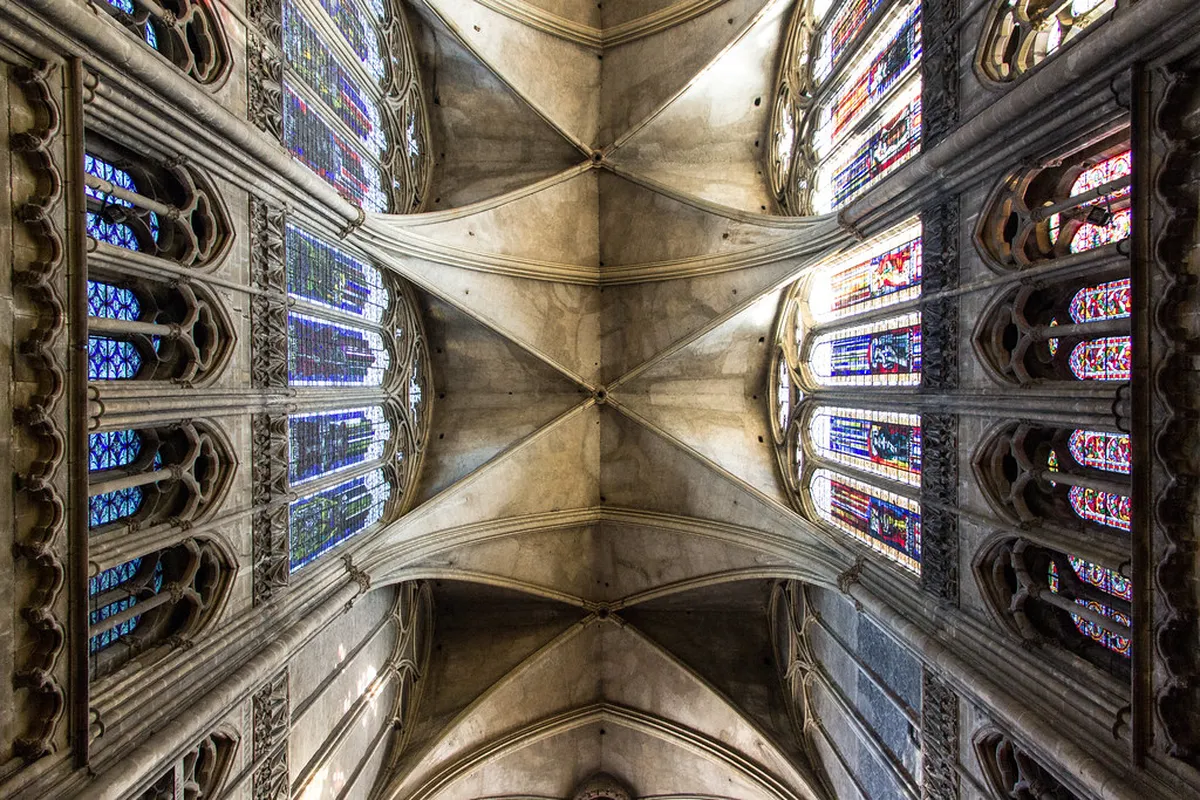
The cathedral is often called the Lantern of God by locals and tourists. This name comes from its vast and stunning expanse of medieval stained glass. It features nearly 6,500 square meters of colorful and detailed windows. These windows represent different important eras of Gothic cathedrals in Metz history.
The building sits on a site with very deep and ancient religious roots. It was built by merging two separate parish churches into one large space. This unique history explains the slightly unusual and interesting interior floor plan. Visitors often feel a sense of total awe when entering the main nave.
The nave reaches a height of 42 meters above the stone floor. This height makes it one of the tallest Gothic naves in the world. The exterior is crafted from the famous golden and local Jaumont limestone. This specific stone gives the entire building a warm glow in sunlight.
Stained Glass through the Centuries
The stained glass collection in Metz is truly world-class and very unique. You can see windows dating from the 13th through the 20th centuries. Each window tells a story of deep faith and constant artistic evolution. They are essential to understanding the Gothic cathedrals in Metz history fully.
Medieval artists created the oldest and most fragile windows in the cathedral. These early pieces show deep sapphire blues and very vibrant ruby reds. In contrast, the Renaissance windows offer much more detailed and realistic figures. These different styles coexist beautifully within the high and ancient stone walls.
Modern art also has a special place in this very historic space. Marc Chagall designed several famous and colorful windows for the cathedral in 1960. His work adds a surreal and bright touch to the Gothic interior. This blend of old and new art is quite unique to Metz.
The light changes beautifully throughout the day inside the large cathedral. Morning light highlights the older and more traditional sections of the glass. Evening light creates a different mood across the modern and abstract panels. Photographers consider this one of the best photo spots Metz offers visitors.
Distinctive Gothic Architectural Elements
Gothic architecture in Metz is defined by its extreme verticality and light. Medieval architects used pointed arches to direct building weight safely downward. This allowed for thinner walls and much larger windows for the congregation. You can see this clearly in the cathedral's elegant flying buttresses.
The use of local Jaumont limestone is very significant for this region. This yellow stone is a hallmark of the city's long heritage. It contrasts sharply with the grey stone found in many other cities. This material choice defines the Metz architectural styles guide for modern travelers.
Intricate statues and carvings decorate the exterior portals of the cathedral. Many of these figures depict famous biblical scenes and local French saints. The detail in the stone reflects the incredible skill of medieval craftsmen. These carvings have survived many centuries of war and harsh weather.
Inside the building, the ribbed vaults create a complex and beautiful ceiling. These stone structures support the heavy roof with grace and strength. Walking through the aisles feels like moving through a quiet stone forest. The craftsmanship remains very impressive even by our modern standards in 2025.
Gothic Roots and Imperial Contrasts
Metz features a mix of very diverse and contrasting building styles. While the cathedral is Gothic, other areas show completely different influences. The nearby Imperial Quarter offers a stark contrast to the medieval center. This area was built during the period of German annexation history.
The Metz Imperial Quarter buildings history shows heavy and Romanesque styles. These buildings use grey and pink stone instead of the yellow limestone. This shift highlights the changing political landscape of this border city. Gothic cathedrals in Metz history remain the city's primary anchors.
Walking between these zones is like traveling through many different eras. The transition from Gothic lightness to Imperial weight is very fascinating. You can see how the city grew over the past centuries. Metz remains a living and breathing museum of classic European history.
Most visitors start their walking tour at the historic Gothic cathedral. From there, they wander slowly toward the newer German Imperial district. This path shows the evolution of architectural thought in modern France. Each building tells a unique part of the long Metz story.
Planning Your 2025 Visit to Metz
Visiting the city of Metz is easy for most travelers in 2025. The city is well-connected by high-speed trains from central Paris. You can reach the city center in about eighty minutes. The cathedral is just a short walk from the main station.
Entry to the Saint-Etienne Cathedral is currently free for all visitors. However, you should check the website for specific daily tour times. Guided tours are available for a small fee of ten Euros. These tours offer deeper insights into the cathedral's many hidden corners.
The best time to visit is during the late afternoon. This is when the sunlight hits the Chagall windows perfectly. The cathedral is open daily from 8:00 AM until 7:00 PM. Be sure to dress respectfully when you enter religious sites.
Spring and autumn offer the most pleasant walking weather for tourists. You will find fewer crowds during these quiet shoulder seasons. Local cafes near the cathedral offer great views of the stone. Enjoy a local coffee while admiring the Gothic details from outside.
The Role of Metz in Medieval France
Metz was a powerful and independent city during the Middle Ages. Its wealth allowed for the construction of such a grand cathedral. The city was a major center for trade and religious life. This prosperity is still visible in the scale of the architecture.
The bishops of Metz held significant political power in the region. They commissioned many of the decorative elements seen in the cathedral. Their influence helped shape the Gothic cathedrals in Metz history. You can still see their coats of arms in the glass.
- Cathedral construction: Began in 1220 to show local power.
- Bishops' influence: Funded the most expensive stained glass windows.
- Trade wealth: Merchants supported the building of smaller Gothic chapels.
The city's location near the border made it a strategic prize. It has been part of both France and Germany many times. Despite these changes, the Gothic soul of the city remained intact. The cathedral stood as a symbol of local identity and faith.
Frequently Asked Questions
Why is Metz Cathedral called the Lantern of God?
Metz Cathedral earned this name because of its massive glass windows. It has more stained glass than almost any other church. The interior glows with light during the sunny daytime hours. This creates a lantern effect for people standing inside the nave.
Who designed the modern windows in the cathedral?
The famous artist Marc Chagall designed several windows in the 1960s. His work features biblical themes with a modern and colorful twist. These windows are a major draw for art lovers worldwide. They provide a beautiful contrast to the older medieval glass panels.
What is the best time of day to visit the cathedral?
Late afternoon is the best time for a visit in 2025. The sun is low enough to shine through the western windows. This creates a spectacular display of colors across the stone floor. It is the perfect time for taking professional quality photos.
Is there a fee to enter Saint-Etienne Cathedral?
General entry to the cathedral is free for all visitors today. However, some special exhibitions or guided tours may require a ticket. Donations are always welcome to help maintain the historic Gothic structure. Check the local visitor center for the most current pricing.
Gothic cathedrals in Metz history are far more than just old buildings. They are symbols of light, high art, and long-term endurance. From the golden stone to the Chagall windows, they offer beauty. Plan your 2025 trip to discover these French wonders for yourself.
Key Takeaways
- Saint-Etienne Cathedral has the most stained glass in France.
- Jaumont limestone gives the city a unique golden appearance.
- The cathedral nave is one of the tallest in the world.
- Metz offers a fascinating mix of Gothic and Imperial architecture.
Related reads: streetartly.com, street art and architecture in metz.