
Grand Ducal Palace Nancy History: 2025 Guide
Discover the Grand Ducal Palace Nancy history. Learn about royal architecture and plan your 2025 visit. Explore historic Nancy today and book your tour!
On this page
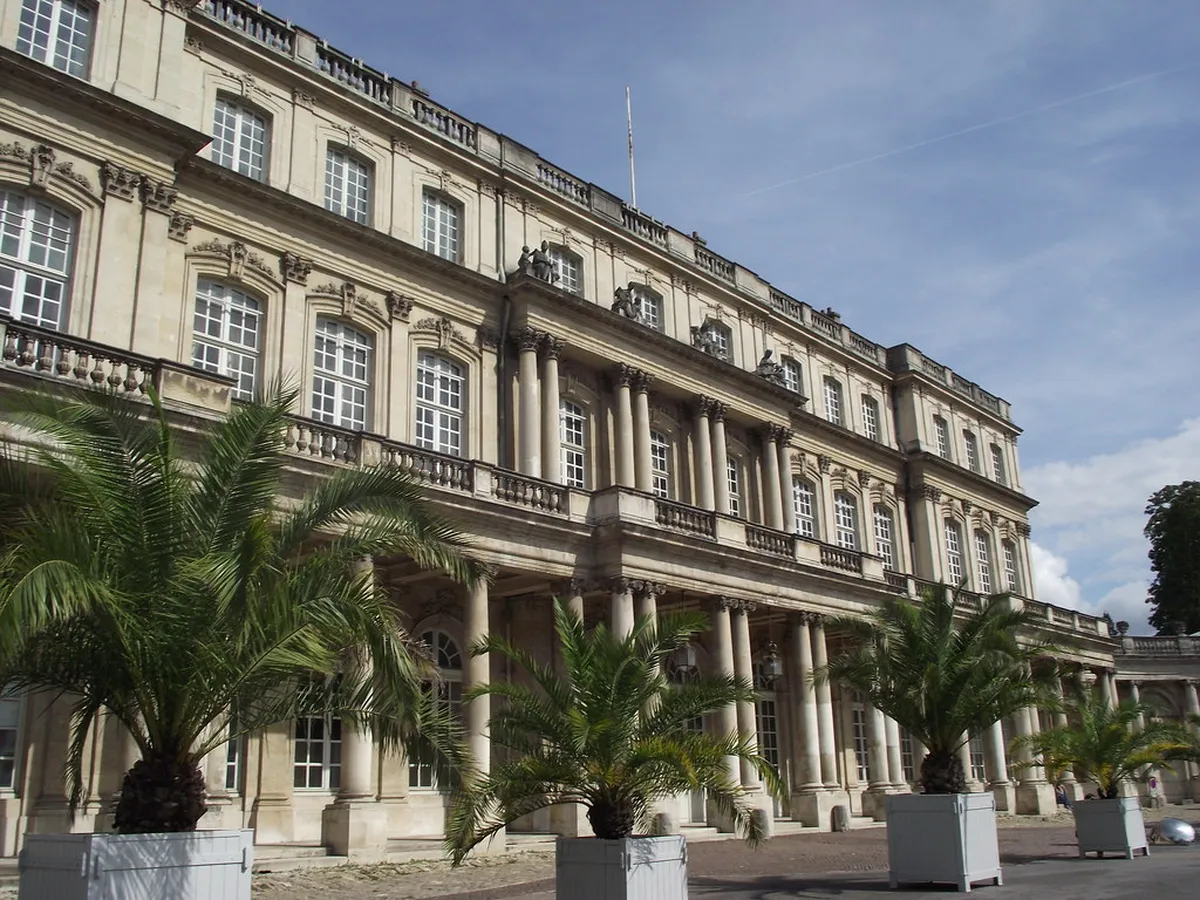
The Grand Ducal Palace in Nancy stands as a crown jewel of eastern France today. It offers a very deep look into the complex Grand Ducal Palace Nancy history. This famous landmark is among the most significant Nancy historical buildings to visit.
Plan your 2025 trip soon to explore this majestic and royal site in person. You will find it located in the very charming heart of the Old Town. Many visitors start their journey here before seeing other landmarks in the city.
Grand Ducal Palace Nancy History and Origins
Duke René II started building the palace in the late fifteenth century. He chose this specific site to celebrate his victory in the 1477 Battle of Nancy. The architecture initially focused on the Flamboyant Gothic style of the late Middle Ages. This design reflected the religious and political goals of the ruling Lorraine family.
Early builders used local limestone to create the massive walls and the strong foundations. The palace served as both a secure fortress and a comfortable royal residence. It replaced an older castle that was no longer suitable for the busy dukes. This new home marked the start of a golden age for the city.
The building process lasted for several decades across many different generations of rulers. Each duke added their own unique and personal touch to the growing palace complex. They hired the very best stone masons and artists from across the entire region. Today, the palace remains a powerful symbol of the city's independent historical past.
Renaissance Influence on the Architecture
The sixteenth century brought new and exciting artistic ideas from Italy to the city. Duke Antoine updated the palace facade to include elegant Renaissance decorations and motifs. You can see many Renaissance structures in Nancy while walking the streets. The new style mixed traditional French shapes with modern Italian classical details.
Large windows with decorative frames replaced the small openings of the earlier Gothic era. These changes allowed more natural light to enter the grand halls of the residence. The use of pilasters and cornices added a sense of order to the design. This blend of styles makes the palace unique in the history of Europe.
Many historians consider this palace a masterpiece of the French Renaissance period. The balance between the vertical Gothic lines and horizontal Renaissance layers is truly perfect. It served as a model for other noble homes built during that specific time. Visitors can still appreciate the harmony of the different architectural movements.
The Iconic Porterie Gatehouse Features
The Porterie is the most famous part of the palace for modern travelers today. This gatehouse acts as the main entrance to the historical museum for all visitors. It features a grand archway topped by an impressive equestrian statue of Duke Antoine. The detail on the horse and the armor is truly and deeply remarkable.
Small statues of the apostles and saints decorate the niches around the main gate. These religious figures protected the palace and the ruling family from any spiritual harm. The stone carvings show delicate patterns of leaves and vines across the entire surface. This work highlights the skill of the local Lorraine sculptors in the 1500s.
The roof of the Porterie features high gables and decorative lead ornaments on top. These features are very typical of the grand architecture found in the Old Town. You can learn more by taking a Nancy walking tour through the neighborhood. The gatehouse remains the most photographed spot in the entire palace complex.
Exploring the Musée Lorrain Collections
The Grand Ducal Palace has housed the primary museum of Lorraine since 1848. It protects a vast collection of items from prehistoric times to the modern day. You can see the evolution of the region through its art and industry. The museum provides a deep cultural context for your entire visit to Nancy.
Inside, you will find a dedicated gallery for the works of Georges de La Tour. He was a famous painter from the region during the busy seventeenth century. His use of light and shadow is world-renowned among many different art lovers. The museum also displays intricate furniture made by highly skilled local woodworkers.
The museum is undergoing some renovations to improve the visitor paths in 2025. Some sections may be closed, so check the official website before you actually arrive. However, the most famous rooms usually remain open for the general visiting public. Interactive guides are available in multiple languages to help you explore the halls.
Essential Tips for Your Nancy Visit
Plan to arrive early in the morning to avoid the largest tourist crowds. The palace is located near the Place Stanislas architecture in the city center. Most visitors spend about two to three hours exploring the diverse interior galleries. Wear comfortable shoes because the historic floors can be quite uneven to walk.
The museum is generally open from Tuesday to Sunday throughout the entire year. Standard adult tickets cost around ten euros for the full and complete palace experience. Discounts are available for students, seniors, and large groups of ten or more. You can purchase your tickets online to skip the lines at the entrance.
- Buy your tickets online to save time at the entrance gate.
- Visit on a weekday morning for the quietest and best experience.
- Check for any temporary closures of specific galleries during your stay.
The Role of the Palace in French History
The palace witnessed many major historical events over the last five hundred years. It was the seat of power until the duchy was eventually joined to France. King Stanislas, the former King of Poland, lived in Nancy during the eighteenth century. He helped transform the city into the beautiful place that we see today.
French revolutionaries damaged some of the royal symbols during the late eighteenth century. They wanted to remove the signs of the old monarchy from public buildings. However, the core structure of the palace survived these turbulent and difficult times. It stands today as a survivor of many different changes in French government.
Preservation efforts became a priority for the local community during the nineteenth century. Experts recognized the palace as a vital piece of the cultural heritage of France. They restored the facade and the interior rooms to their former and royal glory. This work ensured that future generations could learn about the history of Lorraine.
Frequently Asked Questions
What is the Grand Ducal Palace Nancy history?
The palace was the home of the Dukes of Lorraine for many centuries. It was built in the 15th century and now serves as a museum.
Where is the palace located exactly?
You will find it in the Old Town area of Nancy, France. It is very close to the famous and large Place Stanislas.
Can I take photos inside the palace?
Photography is allowed in most areas but you must not use a flash. Some special exhibitions might have different rules for all of the visitors.
Is the palace open on Mondays?
The museum and the palace are usually closed to the public on Mondays. Always check the current schedule for any holiday closures during your 2025 trip.
How long should I visit?
Most travelers find that two hours is enough for the main royal highlights. If you love history, plan for three or four hours instead.
The Grand Ducal Palace is an essential stop for any traveler in Nancy. Understanding the Grand Ducal Palace Nancy history adds depth to your French adventure. The building stands as a beautiful reminder of the powerful Dukes of Lorraine. Book your 2025 trip today to see this incredible landmark in person.
Key Takeaways
- Explore the 15th-century Flamboyant Gothic architecture.
- Visit the Musée Lorrain to see regional art.
- Admire the equestrian statue on the Porterie gatehouse.
- Plan for a 2025 visit during the weekday.
- Walk to nearby Place Stanislas for more history.
Related reads: streetartly.com.