
Place Stanislas Architecture Guide 2025
Discover the stunning Place Stanislas architecture in Nancy, France. Explore history, golden gates, and travel tips in this 2025 expert informational guide.
On this page
Nancy is home to a world-class masterpiece of urban design. The Place Stanislas architecture draws visitors from across the globe to eastern France. This square represents a perfect blend of royal power and artistic beauty. It serves as a vital link between the old and new parts of the city.
Travelers visiting in 2025 will experience a site that feels both ancient and fresh. The square is a proud UNESCO World Heritage site with deep cultural roots. Every stone and gate tells a story of an exiled king. You can explore UNESCO Place Stanislas in Nancy to see this history for yourself.
The open space allows for a grand sense of perspective and light. It is widely considered one of the most beautiful royal squares in all of Europe. Visitors often spend hours admiring the fine details on every surrounding building. The symmetry of the design creates a feeling of peace and order for everyone.
This guide will walk you through the structural secrets of this famous French landmark. We will look at the materials, the artists, and the best ways to visit. Whether you love history or art, this square will surely capture your heart. Prepare to discover the architectural soul of the historic city of Nancy.
The Royal Vision of Duke Stanislas
The story of the square begins with Stanislas Leszczyński, the former King of Poland. He became the Duke of Lorraine in the middle of the eighteenth century. He wanted a grand space to honor his son-in-law, King Louis XV. This project was his most ambitious contribution to his new home city.
Stanislas worked closely with a talented architect named Emmanuel Héré to design the space. They chose a site that was once a marshy area between two city walls. The goal was to connect the medieval old town with the modern new town. This connection helped the city grow into a unified and functional urban center.
The construction of the square took only four years, which was very fast for the 1750s. Workers used high-quality limestone to build the grand pavilions and the central city hall. This stone gives the buildings a warm and bright appearance under the sun. You can learn more about the history of Place Stanislas Nancy through local records.
Today, the square stands as a monument to enlightened urban planning and royal ambition. It reflects the Duke's desire to create a space that was both beautiful and accessible. The layout remains largely unchanged since its completion more than two centuries ago. It continues to be the beating heart of Nancy for locals and tourists alike.
In 2025, the square remains a symbol of the enduring friendship between Poland and France. The statue of Stanislas stands proudly in the center of the vast open space. He points towards the north, looking over the city he helped to transform. His legacy lives on through every arch and column found in this square.
Mastering the Place Stanislas Architecture Details
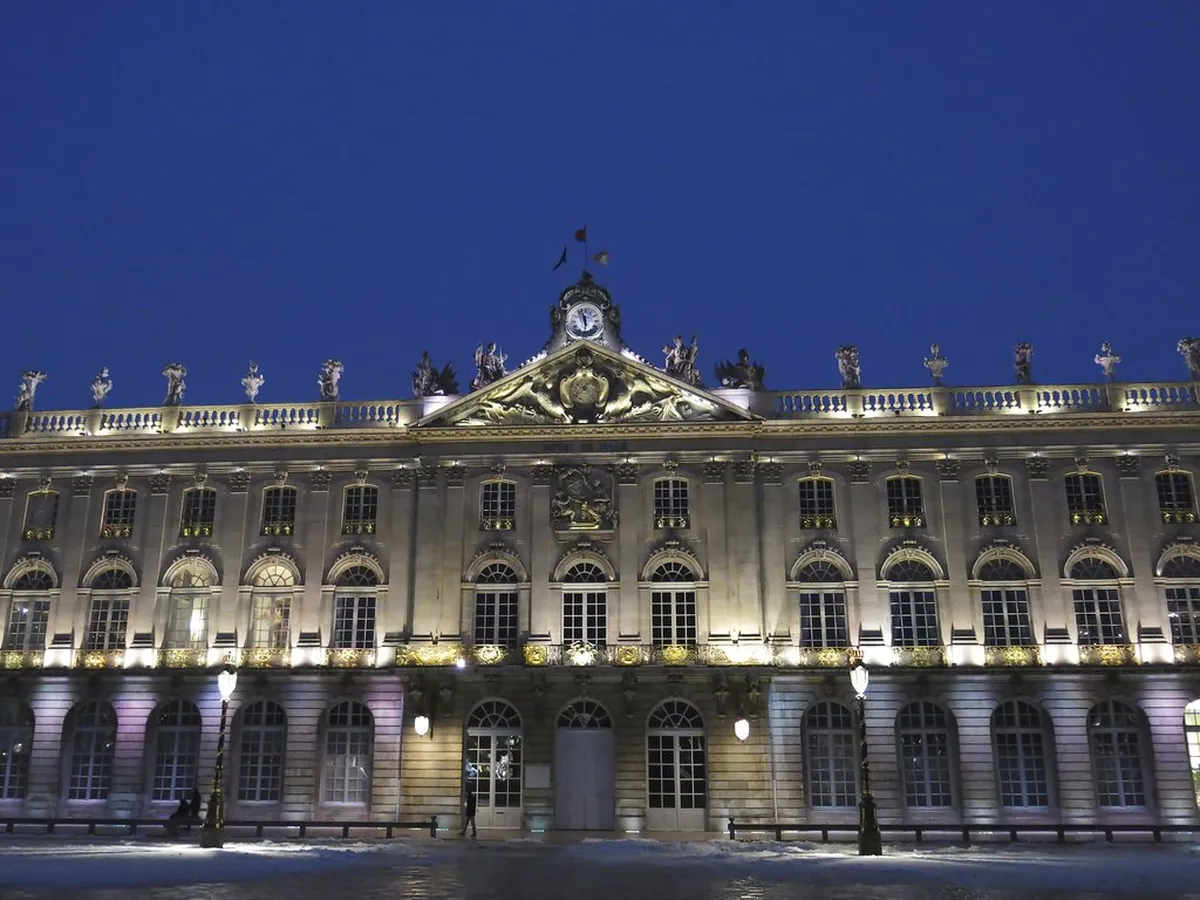
The architectural style of the square is a mix of Classical and Rococo elements. The buildings feature uniform heights and consistent decorative motifs across their long facades. This uniformity creates a sense of harmony that is rare in modern city centers. Every building works together to form a single cohesive work of art.
Emmanuel Héré designed the buildings with large windows to allow for plenty of natural light. The ground floors often feature arched openings that once housed shops and cafes. The upper levels are decorated with Corinthian columns and ornate stone carvings of ancient symbols. These Place Stanislas architectural details show the high level of craftsmanship of the era.
One of the most impressive features is the use of balustrades along the roof lines. These railings are decorated with stone vases and figures that represent the seasons or virtues. They break up the flat lines of the roofs and add visual interest to the sky. The attention to detail extends even to the smallest decorative scrolls on the walls.
The pavement of the square was originally made of simple packed earth and gravel. It was later replaced with beautiful light-colored stones during a major renovation project in 2005. This new surface reflects the light and makes the square feel even more spacious and clean. Walking across the square now feels like walking through a grand outdoor ballroom.
The square is framed by two lower buildings known as the pavilions of the entrance. These structures guide the eye toward the center and create a sense of theater and drama. They were designed to provide a perfect frame for the statue of the King. This clever use of perspective is a hallmark of great French classical design.
The Gold and Iron of Jean Lamour
No discussion of the square is complete without mentioning the famous golden gates. These gates were created by the master ironworker Jean Lamour in his local workshop. They are made of wrought iron and covered in shimmering gold leaf for a royal effect. These gates serve as the ornate corners that connect the different buildings.
Lamour used complex techniques to create the floral patterns and royal crests seen on the ironwork. The gates are not just beautiful but also functional pieces of urban street furniture. They allowed for air and light to flow through while still defining the square's boundaries. They are considered some of the finest examples of Rococo metalwork in the world.
Nancy is famous for various Nancy architectural styles, but this ironwork is the most iconic. The gold leaf is regularly maintained to ensure it shines brightly through the changing seasons. In the evening, the streetlights catch the gold and create a magical atmosphere for walkers. It is a sight that defines the visual identity of the city.
Near the gates, you will also find two spectacular fountains dedicated to Neptune and Amphitrite. These fountains feature detailed lead sculptures that were once painted in bright, realistic colors. They sit in the corners of the square, providing a soothing sound of running water. The fountains add a touch of movement and life to the static stone buildings.
The ironwork also extends to the balconies of the City Hall and the surrounding pavilions. You will see matching patterns on the window grilles and the railings of the grand staircases. This repetition of design elements helps to tie the whole square together into one unit. Jean Lamour’s work remains a primary reason why the square is so famous today.
Significant Buildings and Historical Landmarks
The most dominant building on the square is the Hotel de Ville, or City Hall. It stretches along the entire southern side and features a very impressive and grand facade. The interior contains a magnificent staircase that is also a work of art by Jean Lamour. Many rooms are decorated with gold and velvet in the classic French royal style.
On the western side of the square, you will find the Nancy Opera House. This building has hosted world-class performances for many decades in a very historic setting. It fits perfectly into the architectural scheme designed by Emmanuel Héré in the 1750s. Visitors can often take guided tours of the interior during the spring and fall seasons.
The Musee des Beaux-Arts is another major landmark located directly on the edge of the square. It is housed in one of the original pavilions and contains a vast collection of European art. You can see how the city preserves its Nancy historical buildings through these active cultural institutions. The museum is a must-visit for anyone interested in the history of design.
The Grand Hotel de la Reine occupies another corner of the square with a luxury presence. It offers guests a chance to stay inside a piece of living history for a price. The hotel has welcomed many famous guests over the centuries including Marie Antoinette herself. Its windows offer the best private views of the square and the golden gates below.
These buildings together create a sense of an enclosed outdoor room that is very grand. Each structure serves a different purpose but maintains the same high standard of architectural excellence. The square acts as a stage where the history of Nancy continues to play out daily. It remains the most prestigious address in the city for any major public building.
Photography and Visiting Tips for 2025
Capturing the beauty of the square requires a bit of planning for the best photographic results. The best time to photograph the architecture is during the golden hour before sunset. The low sun hits the golden gates and the limestone walls with a warm, orange light. This creates deep shadows and highlights that make the stone carvings stand out more.
Early morning is also a great time to visit if you want to avoid large crowds. The square is usually very quiet before nine in the morning on weekdays. This allows you to take wide shots of the symmetry without many people in the frame. You can find more advice on the best time to photograph Place Stanislas online.
During the summer of 2025, the square will host various light shows and evening events. These shows use projectors to paint the buildings in vibrant colors and historical images. This is a great time to see the architecture in a completely different and modern light. Admission to the square is always free for all visitors at any time.
Wear comfortable walking shoes because the stone floor can be hard on your feet after a while. There are many cafes with outdoor seating where you can sit and enjoy the view. Prices for coffee on the square are higher than in the side streets, but the view is worth it. Taking your time is the best way to appreciate the scale of the design.
Consider visiting the square at night when the modern lighting system is turned on for the city. The lights are carefully placed to highlight the columns and the golden details of the gates. The square feels very romantic and quiet after the sun goes down and the crowds leave. It is the perfect end to a day of exploring the city of Nancy.
Modern Design Influences in Nancy
While the square is historic, its design continues to influence modern architecture in the city today. Nancy is a city that respects its past while looking toward a creative and bold future. You can see this in how new buildings often use similar proportions or high-quality materials. The square serves as a standard for quality that all local architects try to meet.
The 2005 renovation was a major turning point for the modern life of the famous square. By removing all cars and buses, the city returned the space to the people. This move has inspired many other French cities to pedestrianize their historic centers for better living. It proved that old spaces could work perfectly for modern needs and tourist demands.
If you want to understand the full picture, look into the Stanislas square design Nancy guide for more. It explains how the city balances preservation with the needs of a modern population. The square is not a museum but a living part of the local community. It hosts markets, festivals, and political rallies throughout the entire year.
The influence of the square extends to the nearby Place de la Carrière and Place d'Alliance. These three squares together form the core of the UNESCO World Heritage designation for Nancy. They show how urban design can create a series of connected and beautiful public spaces. This layout remains a masterpiece of Western urban planning that students still study today.
In 2025, Nancy continues to invest in the maintenance of this architectural jewel for everyone. They use traditional methods to repair the stone and clean the ironwork every few years. This ensures that the square will look just as good for future generations as it does now. It remains a testament to the power of great design and royal vision.
Frequently Asked Questions
Is Place Stanislas the most beautiful square in France?
Many travelers and experts consider it the most beautiful royal square in all of France. It is famous for its perfect symmetry and stunning golden gates. The UNESCO World Heritage status confirms its global importance and architectural value. It is a must-see for anyone visiting the Lorraine region in 2025.
Who was the architect of Place Stanislas?
The primary architect was Emmanuel Héré, who worked for Duke Stanislas Leszczyński. He collaborated with master ironworker Jean Lamour to create the famous gates. Together, they finished the project in just four years during the mid-eighteenth century. Their work remains a masterpiece of French classical and Rococo design styles.
Can you visit Place Stanislas for free?
Yes, the square is a public space and is completely free to enter. It is open twenty-four hours a day, every day of the year. You can walk through the gates and admire the buildings without a ticket. Only the museums and some guided tours of the City Hall require a fee.
Place Stanislas architecture is a true highlight of French culture and history. It offers a unique look at the luxury and order of the eighteenth century. Visitors in 2025 will find a space that is both grand and welcoming for everyone. Take your time to enjoy the golden gates and the historic stone walls. For more tips, check out our travel guides to plan your next French adventure.
Key Takeaways
- Place Stanislas is a UNESCO World Heritage site known for its 18th-century symmetry.
- The golden gates by Jean Lamour are world-famous examples of Rococo ironwork.
- The square is pedestrian-only, making it a safe and peaceful place for tourists.
- Golden hour is the best time for photography due to the warm light on the stone.