
History of Place Stanislas Nancy: A Royal Legacy
Discover the royal history of Place Stanislas Nancy. Learn about its 18th-century origins and architecture in this 2025 guide. Visit France's finest square.
On this page
Place Stanislas stands as a jewel of urban design in Nancy. The history of Place Stanislas Nancy began in the 18th century. It connects the medieval town with the newer districts. This square remains a top destination for travelers in 2025. It reflects the grandeur of the Enlightenment era perfectly.
Duke Stanislas Leszczynski commissioned the project to honor King Louis XV. He wanted a space that showcased both power and beauty. Today, it serves as the beating heart of the city. Visitors from all over the world come to admire it. The square is a masterpiece of European urban planning.
The Vision of Stanislas Leszczynski
Stanislas Leszczynski was the former King of Poland. He became the Duke of Lorraine in 1737. He wanted to show gratitude to his royal son-in-law. This square was his primary architectural legacy for the city. It was designed to bridge two distinct urban areas.
Construction started in 1752 and finished quickly in 1755. The architect Emmanuel Heré led the ambitious royal project. He designed a space that felt open yet regal. It replaced an old empty lot between two urban walls. The result was a stunning achievement in urban balance.
The square serves as a symbol of peace and royalty. It shows the strong link between Lorraine and France. Visitors today still admire the grand scale of the site. It remains one of the most beautiful squares in Europe. The duke truly transformed the landscape of Nancy forever.
The historical context of the square is deeply fascinating. It marked the transition of Lorraine into French territory. Stanislas used art to cement his local political legacy. Every stone tells a story of 18th-century European politics. The square remains his most enduring gift to France.
Place Stanislas Architecture and Design
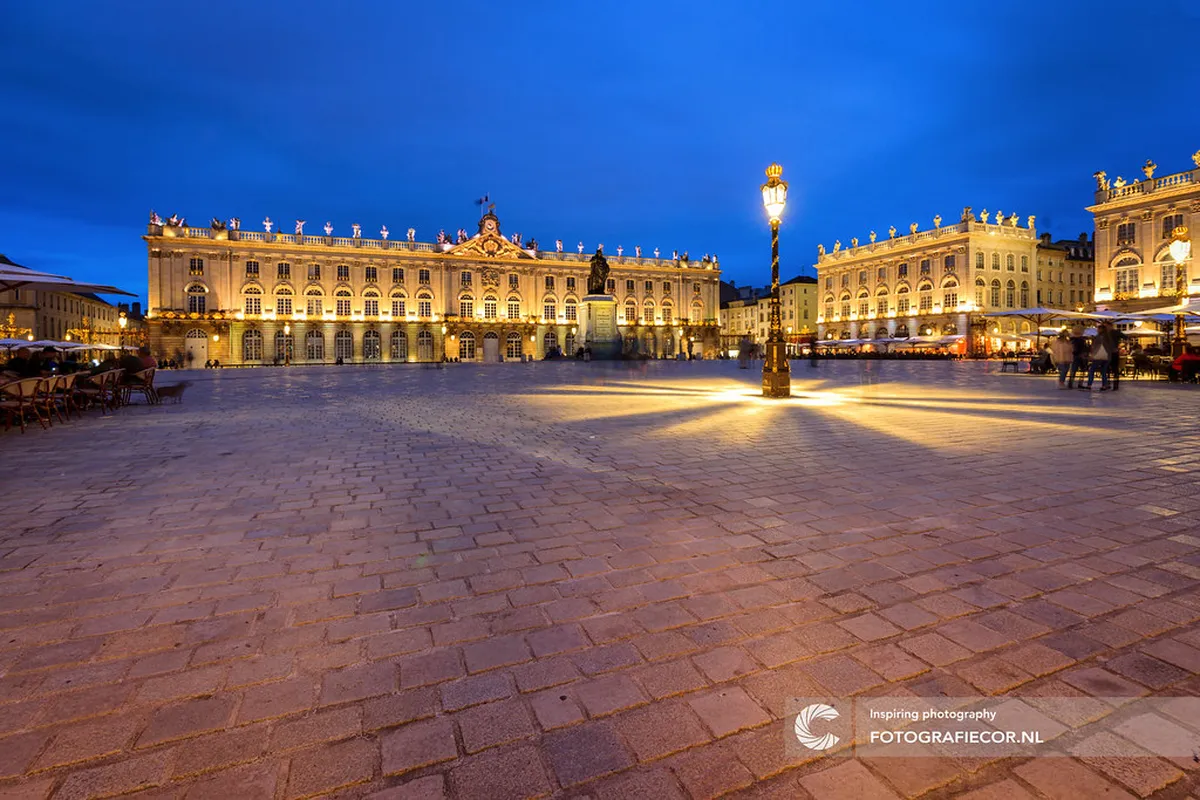
The Place Stanislas architecture blends classic French style with rococo. It creates a unified look across all four sides. The buildings feature uniform heights and elegant limestone facades. This harmony makes it a unique global architectural landmark. You can see the symmetry from any standing point.
Large pavilions house the City Hall and the Opera House. These structures show the wealth of the Lorraine dukes. You can see intricate stone carvings on every rooftop. Each detail adds to the regal atmosphere of the site. The Place Stanislas architecture is truly breathtaking to behold.
The square is 125 meters long and 106 meters wide. It feels spacious yet intimate due to the surrounding walls. Explore the Place Stanislas architecture to see the layout. This design influenced many other urban projects in Europe. It set a new standard for public royal spaces.
The use of light and space is quite intentional here. Heré used perspective to make the square feel even larger. The buildings frame the view of the surrounding city gates. This creates a sense of endless royal power and grace. It is a perfect example of late baroque style.
Jean Lamour and the Golden Gates
The gilded wrought-iron gates are the square's most famous feature. Jean Lamour created these masterpieces in his local Nancy workshop. They represent the peak of French metalworking in the 1750s. The gold leaf glows brightly under the bright morning sun. They are often called the golden gates of Nancy.
Six gates stand at the corners and sides. They feature royal motifs like the fleur-de-lis and crowns. These gates actually hide the city's old defensive fortifications. They turned a military necessity into a royal work of art. The craftsmanship is visible in every tiny iron curve.
Each gate is paired with a beautiful lead fountain. The fountains of Neptune and Amphitrite are particularly famous. They showcase the mythological interests of the 18th-century elite. These details highlight the Place Stanislas architectural details perfectly. The fountains add a sense of movement to the square.
Lamour spent years perfecting the intricate ironwork designs. He used local materials to create world-class artistic treasures. The gold was recently restored to its original 18th-century shine. You can see his signature on some of the ironwork. It is a testament to the skill of local artisans.
A UNESCO World Heritage Site
In 1983, UNESCO recognized the square for its universal value. It is part of a larger ensemble of three squares. This includes Place de la Carrière and Place d'Alliance. Together, they represent a unique urban planning achievement. This status protects the square for future generations.
The history of Place Stanislas Nancy includes many preservation efforts. In 2005, the city removed all car traffic from the square. This restoration returned the space to its original pedestrian glory. Now, people can walk freely across the paved granite surface. It is much more peaceful without the noisy cars.
Today, the square is the heart of local life. It hosts festivals, light shows, and official ceremonies. If you want to explore UNESCO Place Stanislas Nancy, plan your visit. The light show in summer is a must-see event. It brings the history of the square to life.
The 2005 renovation cost over eight million euros in total. Workers replaced the asphalt with beautiful light-colored paving stones. They also restored the statues and the fountain figures carefully. The square now looks exactly as it did in 1755. This attention to detail is truly impressive for visitors.
Modern Significance and Cultural Impact
Nancy is famous for more than just its royal history. The city later became a center for Art Nouveau. You can see this transition in the Nancy historical buildings nearby. The contrast between rococo and modern styles is fascinating. It shows the evolution of French artistic tastes.
Place Stanislas remains the most visited spot in Lorraine. It draws millions of tourists to the city every year. Local cafes offer prime seating for people-watching on the square. You can enjoy a drink while admiring the view. It is the perfect place to relax after touring.
The square also serves as a gateway to street art. Many visitors start their journey here before seeing murals. The city balances its royal past with vibrant modern culture. This makes Nancy a unique destination for all art lovers. You can find beauty in every single corner.
During winter, the square hosts a giant Saint Nicholas village. This tradition is very important to the people of Nancy. The golden gates are decorated with festive holiday lights. It creates a magical atmosphere for families and young children. The history of the square continues to grow today.
Frequently Asked Questions
When was Place Stanislas built?
Construction of the square began in 1752. It was completed and inaugurated in 1755. This was remarkably fast for such a grand project. The duke wanted to see it finished during his lifetime.
Is Place Stanislas free to visit?
Yes, the square is a public pedestrian space. You can visit at any time of day or night. There is no cost to enter the square. It is a great spot for budget-conscious travelers.
Who was the main architect of the square?
Emmanuel Heré was the primary architect for the project. He worked closely with the sculptor Barthélemy Guibal. Jean Lamour provided the famous ironwork for the gates. Together, they created a unified artistic vision for Nancy.
The history of Place Stanislas Nancy is a tale of royalty. This square remains a masterpiece of 18th-century design and beauty. Visit Nancy in 2025 to experience this UNESCO site firsthand. You will be amazed by the stunning architecture and gold. Plan your trip to this historic French city today.
Key Takeaways
- The square was built between 1752 and 1755.
- It is a UNESCO World Heritage site since 1983.
- Jean Lamour created the iconic gilded iron gates.
Related reads: streetartly.com.