
Place Stanislas Architectural Details: A 2025 Guide
Discover stunning Place Stanislas architectural details in Nancy. See golden gates and fountains in this 2025 guide. Plan your royal French visit today!
On this page
Place Stanislas stands as a crowning achievement of eighteenth-century urban design in the heart of Nancy, France. This royal square showcases magnificent Place Stanislas architectural details that reflect the power of Duke Stanislas Leszczynski. Visitors from across the globe travel here to witness the stunning harmony of Baroque and Rococo styles. You will find that every corner of this historic site offers a unique perspective on French history.
The square serves as a vital link between the medieval old town and the newer urban developments nearby. It remains one of the most beautiful public spaces in Europe due to its incredible symmetry and grandeur. You can explore the UNESCO heritage sites that make Nancy a premier destination for lovers of fine art. Plan your visit in 2025 to experience the timeless elegance of this architectural masterpiece in person.
The Golden Gates of Jean Lamour
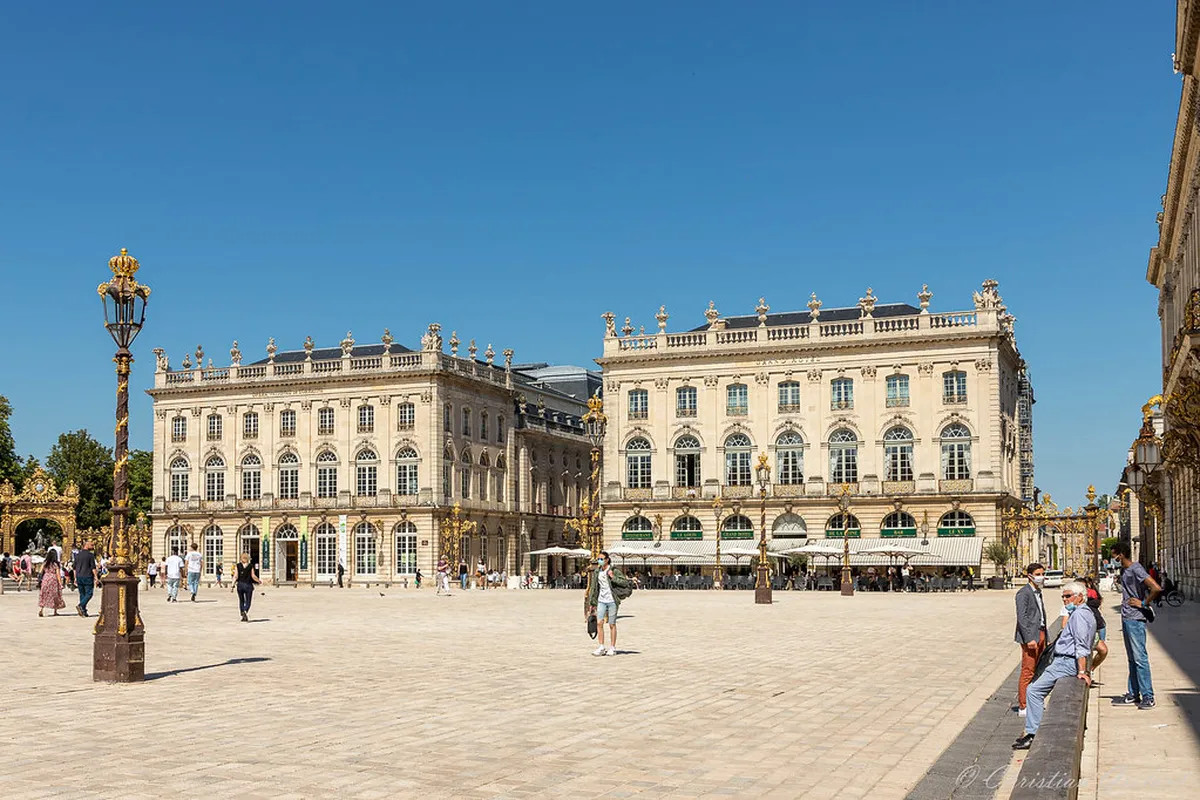
The magnificent iron gates feature gold leaf accents that shimmer beautifully under the bright Nancy sun every day. Master ironsmith Jean Lamour created these decorative structures to define the corners of the vast royal square. His work represents the peak of French metalworking craftsmanship during the middle of the eighteenth century. Each gate displays intricate floral patterns and scrolling designs that demonstrate incredible artistic skill and technical precision.
These gates do more than just provide security for the open pavilions throughout the historic city center. They act as frames for the surrounding architecture while allowing light to pass through the delicate iron bars. You can see royal emblems and crowns integrated into the metalwork to honor King Louis the fifteenth. The contrast between the black iron and the bright gold leaf creates a striking visual effect for photographers.
Maintaining these gates requires careful attention to detail to preserve the original 1750s aesthetic for future generations. Skilled restorers apply new gold leaf periodically to ensure the square remains a shining example of royal luxury. These Place Stanislas architecture elements are essential for understanding the transition from Baroque to Rococo styles. Walking through these portals feels like stepping back into a world of pure elegance and royal sophistication.
The corner gates are particularly famous for their height and the complexity of their top-heavy decorative crests. Lamour used a mix of traditional forging techniques and innovative casting methods to achieve such incredible detail. Visitors should look for the subtle signatures and hidden symbols tucked away within the dense iron foliage patterns. These gates remain a highlight for anyone interested in the decorative arts of the French Enlightenment period.
Sculptural Masterpieces: The Rococo Fountains
Two grand fountains dedicated to Neptune and Amphitrite occupy the northern corners of this famous public space. Sculptor Barthélemy Guibal designed these lead figures to enhance the mythological atmosphere of the Duke's grand vision. The fountains feature powerful deities surrounded by playful sea monsters and cherubs splashing in the large pools. Detailed stone carvings and lead castings create a dynamic sense of movement within the static architectural environment.
The Fountain of Neptune shows the god of the sea holding a trident while commanding the ocean waves. Water flows gracefully over large lead shells and moss-covered rocks to create a relaxing sound for visitors nearby. This specific fountain serves as a focal point for the diagonal pathways that cross the entire paved area. You will notice that the figures are positioned to look toward the central statue of King Stanislas.
The Fountain of Amphitrite celebrates the queen of the sea with similar levels of detail and artistic flair. Her graceful pose and the accompanying sea creatures represent the abundance and prosperity of the surrounding French region. These fountains provide a cooling effect during the warm summer months when tourists gather to admire the square. They are integral to the Stanislas square design that prioritizes both beauty and public utility.
Restoration teams cleaned these lead sculptures recently to reveal the original textures and subtle expressions on the figures. The lead material was chosen for its durability and its ability to hold fine details over many centuries. These fountains remain among the finest examples of Rococo public art still standing in modern France today. They represent a time when water features were essential components of grand urban planning and royal displays.
The Triumphal Arc: Arc Héré's Grand Design
The Arc Héré serves as a majestic gateway between Place Stanislas and the neighboring Place de la Carrière. Architect Emmanuel Héré designed this triumphal arch to honor the reign of King Louis the fifteenth in Nancy. It features three distinct arches with the central passage being the largest for carriages and royal processions. The white stone surface provides a neutral backdrop that highlights the golden ornaments and detailed marble reliefs.
Look toward the top of the arch to see the gilded statues that represent peace and victory. These figures hold olive branches and trumpets to signal the glory of the French monarchy during the eighteenth century. The inscriptions on the facade tell the story of the friendship between the French king and Duke Stanislas. You can capture stunning images of this arch during the best time to photograph the square's landmarks.
The architectural style of the arch perfectly bridges the gap between the different squares in the urban complex. It uses classical columns and pediments to create a sense of stability and historical continuity for the city. The interior of the arch includes vaulted ceilings with decorative plasterwork that many visitors miss at first glance. It remains one of the most photographed structures in Nancy because of its perfect proportions and royal history.
Walking through the arch allows you to appreciate the clever perspective tricks used by the original urban planners. The arch aligns perfectly with the central statue and the distant Government Palace at the end of the vista. This alignment creates a long axis of beauty that defines the entire UNESCO World Heritage site in Nancy. It is a masterclass in how architecture can guide the movement and gaze of people in public.
Pavilion Facades and Symmetrical Beauty
The buildings surrounding the square feature consistent architectural themes that create a unified and harmonious visual experience. Emmanuel Héré ensured that every pavilion followed the same height and window placement to maintain a perfect horizon line. The Town Hall is the most prominent building and occupies the entire southern side of the square. Its facade includes a long balcony and Corinthian columns that exemplify the elegance of French classical design.
The Opera House and the Grand Hotel mirror each other on the eastern and western sides of the area. These buildings use high-quality limestone that develops a beautiful golden patina as it ages in the French climate. You will notice that the ground floors feature arched openings that once housed shops and local government offices. This design encouraged public interaction while maintaining the high standards of a royal residence and administrative hub.
Each building features a decorated roofline with stone urns and statues that silhouette against the blue Nancy sky. These details add a sense of height and verticality to the otherwise horizontal layout of the public square. The consistency of the materials and styles ensures that no single building dominates the overall landscape of Nancy. It is this commitment to total harmony that makes the square a unique treasure of global architecture.
Modern lighting systems highlight these facades at night to create a magical atmosphere for diners and evening strollers. The shadows play across the stone carvings to reveal depth and texture that might be hidden during the day. In 2025, the city plans to update these lights to be more energy-efficient while preserving the warm glow. This ensures that the pavilions remain the centerpiece of the city's nightlife for many more years to come.
The Pavement and Modern Renovation Details
The square underwent a massive renovation in 2005 to celebrate the two-hundredth anniversary of its original construction. Engineers replaced the old asphalt with high-quality granite and limestone to restore the authentic eighteenth-century appearance. This change returned the square to its intended status as a pedestrian-friendly space for all citizens to enjoy. The new stones reflect natural light to brighten the area even on cloudy days in eastern France.
The paving pattern includes large diagonal lines of dark stone that cross the entire length of the square. These lines serve as visual guides that lead the eye toward the central statue of King Stanislas. This intentional design creates a sense of order and mathematical precision within the large open public space. You can walk across the smooth surface and feel the history embedded in every carefully placed stone block.
The 2005 project also involved removing all car traffic to create a peaceful environment for tourists and local residents. This move allowed cafes to expand their outdoor seating areas closer to the beautiful golden gates and fountains. It has transformed the square into a vibrant living room for the city where people gather for festivals. The renovation successfully blended historical accuracy with the needs of a modern urban population in the current year.
Subtle ground lights now illuminate the paving patterns during the evening hours to enhance the square's nighttime beauty. These lights follow the diagonal lines to create a glowing grid that looks spectacular from the upper pavilion windows. This attention to detail ensures that the ground beneath your feet is as interesting as the buildings above. The pavement remains a critical part of the overall Place Stanislas architectural details that visitors often overlook.
Royal Symbolism in the Central Statue
A tall bronze statue of Stanislas Leszczynski stands proudly in the exact center of the historic royal square. This monument replaced an earlier statue of King Louis the fifteenth that was destroyed during the French Revolution. The current figure shows the Duke in his royal robes pointing toward the north with a confident gesture. He represents the enlightened ruler who brought peace and prosperity to the Lorraine region during his long reign.
The pedestal of the statue includes detailed inscriptions that list the many achievements of this beloved Polish king. It describes his efforts to build schools, hospitals, and public parks for the benefit of all Nancy citizens. Sculptor Georges Jacquot designed this bronze figure to capture the dignity and wisdom of the elderly Duke Stanislas. The statue serves as the anchor for the entire architectural composition of the square and the city.
Surrounding the base are decorative bronze elements that echo the themes found on the golden gates and fountains. These symbols reinforce the connection between the Duke and the magnificent architecture he commissioned for his new home. You can often see local students and tour groups gathering here to learn about Nancy's unique historical path. The statue remains a powerful reminder of the man who turned a military town into an artistic capital.
From this central vantage point, you can appreciate the full symmetry of the surrounding pavilions and the triumphal arch. The statue acts as the pivot point for the entire urban design created by Héré and his team. Standing at the base of the monument allows you to feel the true scale of the square. It is the perfect place to begin your exploration of the many Place Stanislas architectural details nearby.
Frequently Asked Questions
What is the best time to photograph Place Stanislas architectural details?
The golden hour just before sunset provides the most beautiful light for capturing the gilded gates. You should also consider visiting late at night when the modern spotlights highlight the intricate stone carvings. Many photographers prefer the early morning hours to avoid the large crowds that gather during the day.
Who was the main architect responsible for Place Stanislas?
Emmanuel Héré served as the primary architect who designed the layout and the major buildings of the square. He worked closely with Jean Lamour and Barthélemy Guibal to create a unified artistic vision for Nancy. His ability to balance classical proportions with Rococo decoration made him a famous figure in French architecture.
Are there any costs to visit the square and see the gates?
Place Stanislas is a public pedestrian square and is completely free for everyone to visit and enjoy. You can spend as much time as you like admiring the architectural details without paying any entry fees. This makes it one of the most accessible UNESCO World Heritage sites in all of Europe today.
Why are the gates on Place Stanislas covered in gold leaf?
The gold leaf was used to symbolize the wealth and royal status of the Duke of Lorraine. It also serves a practical purpose by protecting the underlying iron from rust and weather damage over time. The shimmering gold creates a magnificent visual effect that draws the attention of every visitor to Nancy.
Place Stanislas remains a shining example of eighteenth-century urban planning and artistic collaboration in modern France. Its unique blend of golden gates, majestic fountains, and symmetrical pavilions creates an unforgettable experience for every traveler. We encourage you to visit Nancy in 2025 to witness these Place Stanislas architectural details for yourself. Start planning your trip today to see one of the most beautiful royal squares in the world.
Key Takeaways
- Marvel at the gilded iron gates created by Jean Lamour in the 1750s.
- Explore the intricate Rococo fountains featuring Neptune and Amphitrite at the corners.
- Appreciate the perfectly symmetrical pavilion designs by architect Emmanuel Héré.
- Enjoy the pedestrian-friendly granite pavement restored during the 2005 renovation project.
Related reads: streetartly.com, street art and architecture in nancy, history of place stanislas nancy.