
Stanislas Square Design Nancy Guide: A 2025 Visit
Explore the Stanislas Square design Nancy guide for your 2025 trip. Learn about Place Stanislas architecture and history. Plan your perfect French tour today!
On this page
This Stanislas Square design Nancy guide provides everything you need for a wonderful visit in 2025. You will discover the rich history and the stunning beauty of this famous French landmark today. The city of Nancy offers a unique blend of historical charm and very modern cultural energy. Every traveler should take the time to learn about the history of Place Stanislas Nancy now.
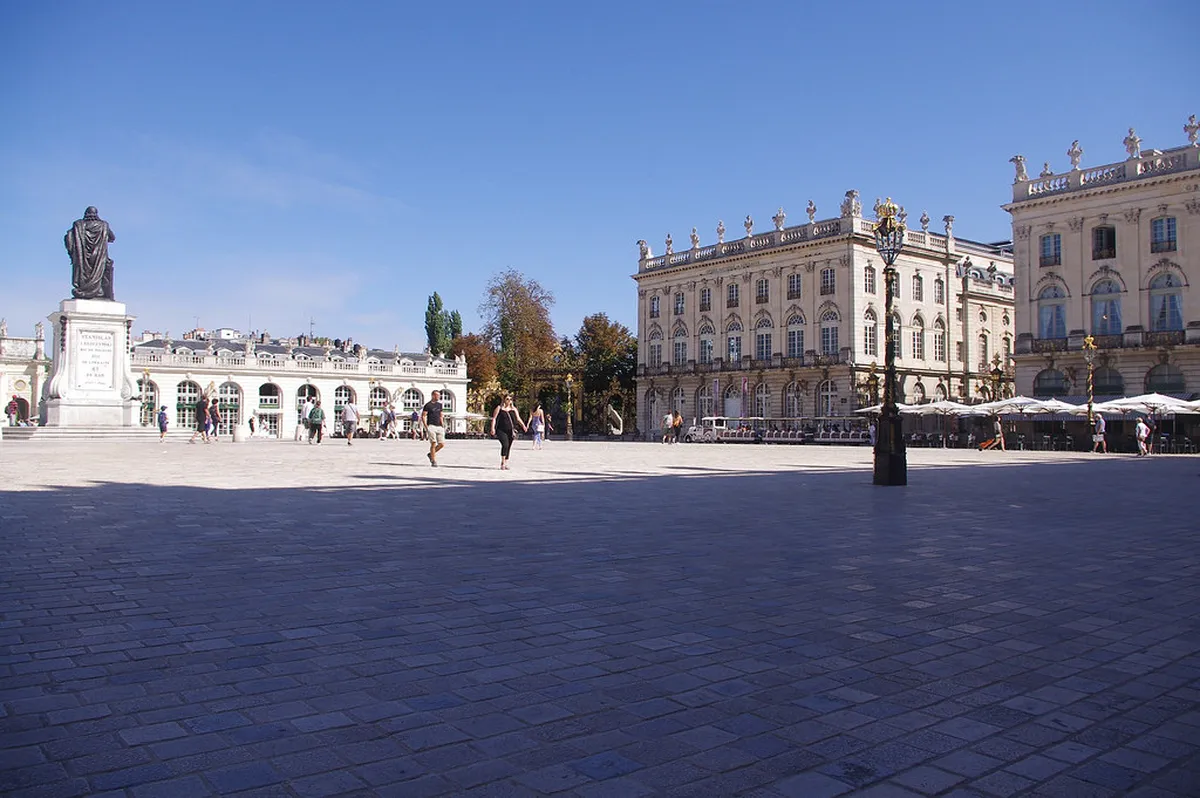
Place Stanislas remains one of the most important examples of royal urban planning in all of France. It serves as a central gathering point for people who love art, history, and classical design. You will find that the square connects the medieval old town with the eighteenth-century new town perfectly. This guide will help you navigate the various architectural details that make this place truly special.
The Historical Vision of King Stanislas
Stanislas Leszczynski was the former King of Poland who transformed Nancy into a center of European culture. He became the Duke of Lorraine and wanted to create a grand space to honor his son-in-law. That son-in-law was King Louis XV, and the square originally featured a massive bronze statue of him. This ambitious urban project started in 1751 and reached its completion just four years later in 1755.
The square was designed to be a bridge between the old city and the new urban districts. Emmanuel Heré was the lead architect who took on the challenge of designing this massive public space. He created a harmonious layout that used classical proportions to give the square a feeling of great balance. You can see his genius in the way the buildings surround the open plaza with elegant symmetry.
The square served many purposes during its long history, ranging from royal celebrations to local community markets. It was renamed several times before finally being dedicated to Stanislas himself in the nineteenth century. Today, it stands as a testament to the enlightened rule of a leader who loved his people. The Place Stanislas architecture reflects a period of great peace and prosperity for the entire region.
Walking through the square today allows you to step back into the era of the French Enlightenment easily. Each corner of the space tells a story about the royal family and the local artists of Nancy. You will appreciate the scale of the buildings when you stand in the center of the vast plaza. The design creates a sense of openness while still feeling like a private and protected courtyard space.
Key Features of Place Stanislas Architecture
The pavilions surrounding the square represent the height of French classical style during the middle eighteenth century. These structures feature consistent rooflines and ornate facades that create a unified look for the entire area. The City Hall is the largest building and sits on the south side of the majestic square. It features a grand pediment and several statues that represent the virtues of justice and good governance.
You will also notice the Opera House and the Museum of Fine Arts located on the square. These buildings share similar design elements, such as arched windows and beautiful stone carvings on their exterior. The use of light-colored limestone helps the square glow during the golden hours of the early morning. This specific Place Stanislas architectural details make the location a favorite for photographers visiting the city.
Important Architectural Elements:
- Symmetrical pavilions with classical orders
- Large arched windows for natural light
- Ornate stone balustrades along the rooftops
- Trophy carvings and royal symbols on facades
The ground of the square was once used for military drills and royal processions for the elite. In 2005, the city removed all cars to make it a fully pedestrianized zone for the public. This change allowed visitors to appreciate the intricate paving patterns that were restored to their original beauty. You can now walk freely across the space without worrying about any modern vehicle traffic at all.
The Golden Gates by Jean Lamour
One of the most striking features of the square is the collection of wrought-iron gates and railings. These were created by Jean Lamour, who was a master blacksmith living and working in Nancy at the time. The gates are covered in real gold leaf and sparkle brilliantly when the sun shines on them. They were designed to mimic the luxury of Versailles while maintaining a unique local artistic flair and style.
The gates are positioned at the corners of the square to frame the entrances to the surrounding streets. They feature intricate patterns of leaves, flowers, and royal emblems that show incredible craftsmanship and artistic skill. Lamour used a combination of iron and lead to create the detailed shapes you see there today. Many people consider these gates to be the finest examples of ironwork in the entire world of art.
The contrast between the black iron and the bright gold creates a very dramatic visual effect for visitors. You should look closely at the royal crowns and the fleur-de-lis symbols that decorate the very top. These details were meant to show the close connection between the Duchy of Lorraine and the French crown. The gates also help to define the boundaries of the square without blocking any of the light.
Maintaining these gates requires a specialized team of restorers who work to preserve the delicate gold surfaces. Every few years, the city of Nancy invests in the cleaning and regilding of these historic iron masterpieces. This ensures that the square remains a shining jewel in the crown of French architectural heritage for years. You will find that the gates look especially beautiful during the winter when the snow highlights their shapes.
The Stunning Fountains of Neptune and Amphitrite
In two corners of the square, you will find magnificent fountains dedicated to the Roman gods of the sea. The Fountain of Neptune features the god holding a trident while surrounded by powerful sea creatures and shells. Barthélémy Guibal was the sculptor responsible for creating these dynamic and very lively lead statues in the 1750s. The water adds a sense of movement and sound to the otherwise still and quiet architectural space.
The Fountain of Amphitrite is equally impressive and sits directly opposite the Neptune fountain in the northern corner. It depicts the wife of Neptune resting gracefully among various dolphins and other mythical inhabitants of the ocean. These fountains serve as a connection between the square and the lush gardens of the nearby Parc de la Pépinière. They add a touch of Baroque energy to the more restrained classical design of the surrounding stone buildings.
Fountain Visit Tips:
- Visit at night to see the fountains illuminated
- Listen to the relaxing sound of falling water
- Look for the detailed carvings on the bases
- Notice the transition from stone to metal art
The fountains were placed in areas where old buildings were demolished to make room for the new square. They act as decorative screens that hide the irregular shapes of the older parts of the historic city. This clever use of art helps to maintain the perfect rectangular appearance of the main public plaza area. You will enjoy sitting near the water to take a break from your long walk through Nancy.
UNESCO World Heritage Site Importance
In 1983, UNESCO recognized Place Stanislas as a World Heritage site due to its exceptional urban design. It was listed along with Place de la Carrière and Place d'Alliance, which are located very nearby. These three squares form a unique architectural ensemble that shows the transition from medieval to modern town planning. The design influenced many other cities across Europe during the eighteenth and nineteenth centuries as they grew.
The recognition by UNESCO has helped to protect the square from modern development that might ruin its look. There are strict rules about what can be built near the square to preserve its historic visual integrity. This protection ensures that future generations can experience the same beauty that people saw over two hundred years ago. The square is a source of great pride for the local people who live in Nancy today.
The 2005 renovation was a major step in honoring the UNESCO status of this iconic French location. The city spent nine million euros to restore the paving, the statues, and the famous golden iron gates. This project was completed just in time for the 250th anniversary of the square's original opening ceremony. Visitors today benefit from these extensive efforts to keep the square looking its absolute best for everyone.
The square is not just a museum piece but a living part of the city for all residents. It hosts many events, including concerts, light shows, and the famous Saint Nicolas parade every single December. Being a UNESCO site means that Nancy must balance the needs of modern life with historical preservation. You will see that they have succeeded in creating a space that feels both ancient and alive.
Planning Your 2025 Visit to Nancy
A visit to Nancy in 2025 is easy because the city is well-connected by high-speed trains from Paris. The journey takes only ninety minutes from the Gare de l'Est station to the heart of Nancy. Once you arrive, the square is a short ten-minute walk from the main train station through the city. There is no cost to enter the square as it remains a public space open to everyone.
For the best experience, you should try to arrive in the square during the early morning hours. This is the best time to photograph Place Stanislas without the large midday tourist crowds. The light hits the golden gates perfectly during this time, creating a warm and inviting glow for photos. You can also find a table at a local cafe to enjoy a fresh croissant.
The surrounding area is filled with restaurants that serve traditional Lorraine dishes like the famous Quiche Lorraine. Prices for a meal near the square range from fifteen to thirty euros depending on the specific venue. Many shops sell local macarons, which are a different style than the colorful ones found in Paris. You should also explore the nearby old town for more historic buildings and unique local craft shops.
During the summer months, the city hosts a spectacular light show on the facades of the City Hall. This show usually begins after dark and tells the story of the city through music and colorful projections. It is a free event that attracts thousands of people to the square every single night in summer. Make sure to check the local tourism office for the exact start times during your 2025 stay.
Frequently Asked Questions
What is the best time of day to see the square?
The best time to see the square is during the early morning or at sunset. The golden hour makes the iron gates shine and the stone buildings look warm and glowing. Evening visits are also great because the lighting on the pavilions creates a very romantic atmosphere.
Is there an entrance fee for Place Stanislas?
There is no entrance fee to visit Place Stanislas because it is a public city square. You can walk through the area and admire the architecture for free at any time. Some nearby museums and the Opera House do require tickets for entry into their specific buildings.
How much time should I spend at the square?
You should plan to spend at least one to two hours to see all the details. This gives you enough time to walk to each corner and look at the different fountains. You might also want extra time to sit at a cafe and enjoy the local scenery.
Can you visit the square in the winter?
Yes, the square is open all year and looks beautiful during the winter season. December is especially popular because of the festive Christmas markets and the Saint Nicolas celebration. The lights and decorations make the classical architecture feel even more magical during the cold months.
The Stanislas Square design Nancy guide shows why this location is a must-see for any traveler in France. Its combination of history, art, and urban planning creates an experience that you will never forget. Plan your 2025 trip now to see the golden gates and the majestic pavilions for yourself very soon. You will fall in love with the elegance and the charm of this historic French city center.
Key Takeaways
- Place Stanislas is a UNESCO World Heritage site known for its 18th-century French classical architecture.
- The golden wrought-iron gates by Jean Lamour are among the finest examples of metalwork in the world.
- The square is a pedestrian-only zone, making it a safe and relaxing place for tourists to explore.
Related reads: streetartly.com, street art and architecture in nancy, explore unesco place stanislas nancy.