
Discovering Art Nouveau Architecture Paris in 2025
Explore Art Nouveau architecture Paris with our 2025 guide. Find iconic buildings, metro stations, and hidden gems. Plan your self-guided tour today!
On this page
Paris holds many architectural treasures. One captivating style is Art Nouveau architecture Paris. This artistic movement emerged around 1900. It brought organic forms and flowing lines to the city.
This comprehensive guide will help you explore Paris’s most beautiful examples. You will learn about key architects and their incredible works. Get ready for an unforgettable journey into innovative design. Uncover the magic of Art Nouveau in 2025.
The Origins of Parisian Art Nouveau
Art Nouveau was a short-lived but incredibly influential style. It flourished from the 1890s to about 1910. Artists sought to break from rigid traditional academic art. They embraced nature-inspired designs and fluid forms instead.
The movement aimed to integrate art into daily life. It encompassed architecture, furniture, and decorative arts. The style emphasized flowing curves and natural motifs. Think of plants, flowers, and insect wings in its designs.
Ironwork, glass, and ceramics were popular materials. Paris quickly adopted this elegant new aesthetic. It appeared in buildings, furniture, and jewelry alike. The city became a vibrant hub for this innovative movement.
This period introduced a fresh perspective on urban design. Parisian architects embraced its innovative spirit fully. They transformed ordinary structures into genuine artworks. The impact of this style is still visible today. It offers a unique glimpse into the past.
Globally, the style gained many names. It was "Jugendstil" in Germany and "Secession" in Austria. In France, it became "Art Nouveau," or "New Art." This name perfectly captured its revolutionary spirit. For a broader view, explore other famous Paris architecture styles.
The World's Fair of 1900 in Paris greatly popularized it. Many pavilions showcased this innovative design widely. It quickly became the dominant aesthetic. Its influence touched everything from architecture to graphic design. This era marked a significant artistic shift for Paris.
Hector Guimard's Iconic Metro Entrances
Hector Guimard is synonymous with Art Nouveau Paris. He was a leading French architect of the era. Guimard's distinctive style defined many city structures. His work remains instantly recognizable to visitors.
His most famous contributions are the Paris Métro entrances. Guimard designed 141 such entrances starting in 1900. Only a fraction of these originals survive today. They feature elaborate cast-iron and glass canopies.
Each entrance displays incredible craftsmanship. Look for the swirling, organic green ironwork. Notice the distinctive "Métropolitain" signs. Iconic stations include Porte Dauphine and Abbesses. These entrances are truly open-air museums for all.
The designs are inspired by plant forms directly. The ironwork often resembles intertwining stems. The glass canopies protect commuters from the elements. These structures blend functionality with artistry perfectly.
Each entrance is a small sculpture. They reflect the city's artistic soul. Exploring these stations is a journey back in time. It shows the boldness of early 20th-century design. Guimard's vision truly brought art to the streets of Paris. Discover more about Hector Guimard's metro stations in Paris.
You can find preserved examples across the city. The entrance at Place Saint-Michel is another notable one. Observe how the forms flow seamlessly. These works are a testament to Guimard's genius. They continue to charm millions of travelers annually.
Notable Residential Art Nouveau Buildings
Beyond the Metro, Paris boasts stunning Art Nouveau residential buildings. These architectural gems showcase unique facades. They often feature asymmetrical designs and vibrant colors. Exploring them is a highlight for any architecture enthusiast.
One prime example is Castel Béranger in the 16th arrondissement. Guimard designed this apartment building in 1898. Its facade combines brick, stone, and ironwork. Intricate details make it a true masterpiece. You can find it at 14 Rue La Fontaine.
The Castel Béranger is often called "Dérangé" (deranged). This playful nickname comes from its unconventional style. It won a competition for the best new facade. This award recognized its bold, innovative design. It stands as a pinnacle of Art Nouveau architecture.
Another impressive site is the Hôtel Guimard. This was Hector Guimard's own residence. It stands at 122 Rue Mozart, also in the 16th district. The building features elegant curves and sculpted elements. It provides an intimate look into his personal aesthetic. Explore Paris's best Art Nouveau buildings for more examples.
The ceramics and wrought iron truly stand out. Observe the vibrant floral motifs on balconies. Look for subtle animal figures integrated into the design. These buildings celebrate artistic expression. They offer endless photographic opportunities for visitors.
Consider the Building at 34 Rue de Turbigo. It showcases exquisite ceramic decoration. Architect Charles Klein completed it in 1901. Its elaborate facade is captivating. This structure exemplifies the style's decorative flair. Another must-see is the Agence Immobilière at 3 Square Rapp.
Exploring Art Nouveau Architectural Details
The true beauty of Art Nouveau architecture Paris lies in its details. Every single element was carefully considered. Architects paid attention to even the smallest features. These details collectively create a harmonious overall effect.
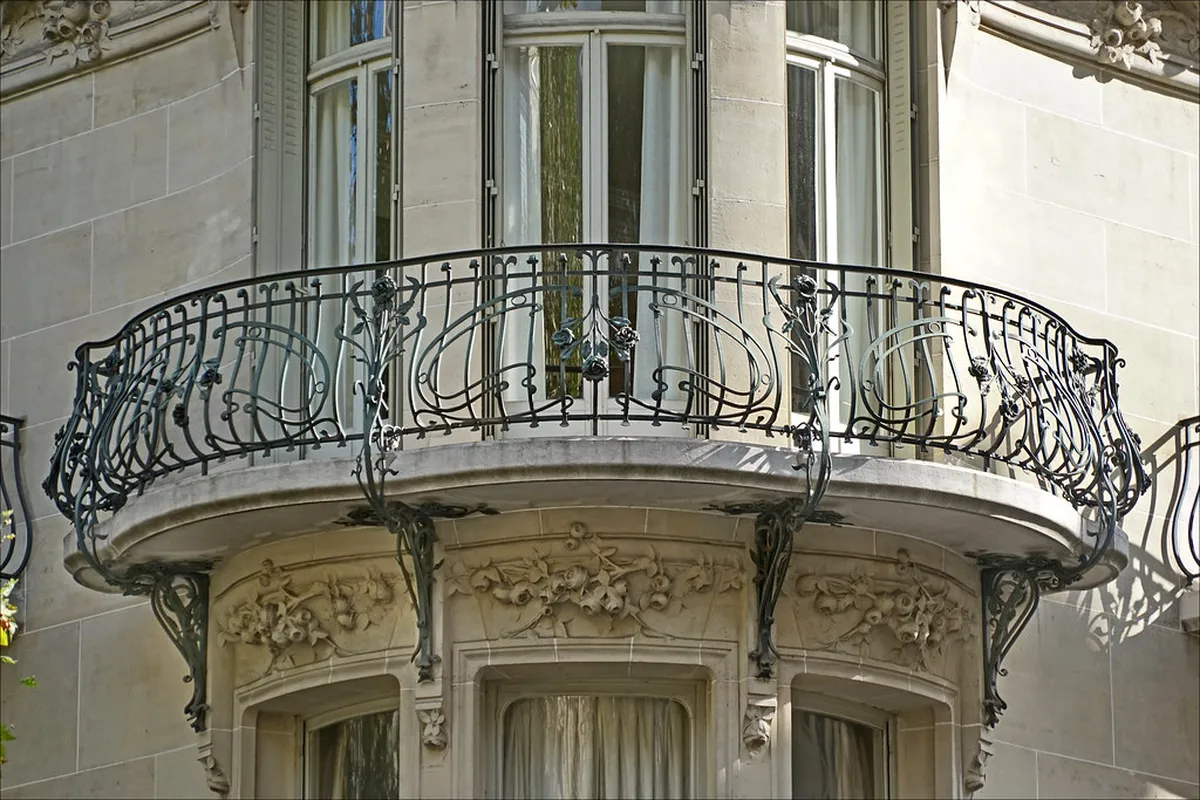
Inspect the elaborate ironwork on balconies and gates. Many designs mimic plants, vines, or insects. Stained glass windows often display organic patterns. These intricate windows filter light beautifully. They add a magical touch to interiors and exteriors.
Ceramic tiles also played a crucial role. They adorn facades with vibrant colors and rich textures. Sculptural elements frequently incorporate natural forms. Look for nymphs, mermaids, and flowing hair in the stonework. Each detail tells a part of the Art Nouveau story. Learn more about Art Nouveau facades and details in Paris.
Doorways often feature unique handles and ornate frames. These elements show incredible craftsmanship. Pay close attention to the typography used on signs. It often features curvilinear, flowing letters. These stylistic choices reflect the era's artistic vision perfectly.
The integration of different art forms is striking. Painting, sculpture, and architecture merge seamlessly together. This holistic approach strongly defined the movement. Art Nouveau sought to elevate everyday objects. It made functional items into beautiful artworks. This philosophy shaped many aspects of Parisian design.
Consider the use of color and texture. Often, rich greens, blues, and browns dominate. These earthy tones enhance the natural motifs. Smooth stone contrasts with rough iron. Such combinations create a dynamic visual experience. They invite closer inspection and admiration.
Self-Guided Tour Tips for 2025
Planning your Art Nouveau tour in Paris is easy. Many stunning sites are concentrated in certain areas. The 16th arrondissement is a fantastic starting point. It holds many of Guimard's best residential works. A well-planned route saves time.
Start your day early to avoid larger crowds. Use Paris's efficient public transport to navigate between districts. The Métro itself offers a good example of the style. Consider purchasing a historic Paris buildings guide for more context. Wear comfortable shoes for walking long distances.
A good itinerary might start at Porte Dauphine station. Then head to Rue La Fontaine for Castel Béranger. Walk to Rue Mozart for Hôtel Guimard. Allow ample time to appreciate each building's intricate details. Remember to look up for hidden decorative elements.
Many buildings are private residences. Respect residents' privacy while admiring the exteriors. Photography is generally allowed from public spaces. Bring a good camera to capture these architectural wonders. Enjoy your exploration of Art Nouveau in Paris in 2025!
Allocate a full day for a comprehensive tour. Mornings are best for photography due to lighting. Pack water and snacks for your journey. Check opening times for any interior access if available. Most Art Nouveau sites are best appreciated from outside.
Consider a themed walking tour with a local expert. These tours offer deeper insights into the style. They highlight often-missed details. Check local tourist office websites for guided options. It can truly enrich your understanding of this art form.
The Legacy and Preservation of Art Nouveau in Paris
Art Nouveau's initial popularity waned after 1910. Newer, more streamlined styles quickly emerged. The ornate designs were sometimes seen as excessive. However, its profound artistic value remained significant. Efforts to preserve its heritage began later in the century.
Today, Paris actively protects its Art Nouveau sites. Many buildings are proudly listed as historical monuments. This designation ensures their unique beauty endures. Visitors can appreciate these remarkable structures for years to come. Their distinct charm truly adds to Paris's allure.
The style also inspired subsequent design movements. Elements of its organic forms influenced Art Deco. Its emphasis on craftsmanship is still widely revered today. Art Nouveau opened doors for much modern design. It taught us to integrate beauty into function seamlessly.
Discovering these sites offers a profound cultural lesson. It reveals a specific historical moment in Paris. This architectural style tells a compelling story. It speaks of innovation and a passionate return to nature. Experience this rich history firsthand in 2025.
For those interested in Parisian architectural history, Art Nouveau is crucial. It represents a bold break from Haussmannian rigidity. It introduced a playful, expressive element. This contrast makes the city's built environment so diverse. It highlights Paris's constant evolution in design.
Frequently Asked Questions
What makes Art Nouveau architecture Paris unique?
Art Nouveau architecture Paris is distinct. It features flowing lines and organic shapes. Architects drew inspiration from nature. They used innovative materials like iron and glass. This style broke from rigid traditional forms. It emphasized craftsmanship and artistry.
Where can I see the best examples of Art Nouveau in Paris?
The 16th arrondissement is a prime location. Many Hector Guimard buildings are there. Several Métro stations showcase his iconic designs. Look for sites around Porte Dauphine. Also explore areas near Parc Monceau. These areas offer stunning examples of unique Paris building facades.
Who was the most famous Art Nouveau architect in Paris?
Hector Guimard is the most famous. He greatly influenced Parisian Art Nouveau. His designs are iconic across the city. Many of his works survive today. His Métro entrances are especially renowned. Guimard left an indelible mark on Paris.
Are there any Art Nouveau museums in Paris?
There isn't a dedicated Art Nouveau museum. However, many institutions feature pieces. The Musée d'Orsay has some stunning decorative arts. The Petit Palais also houses some exhibits. You can find smaller collections too. Look for specific temporary exhibitions.
Art Nouveau architecture Paris offers a unique perspective. It provides a glimpse into a vibrant artistic past. Hector Guimard's legacy endures across the city. From Métro entrances to grand residences, beauty awaits. Plan your visit to discover these stunning designs.
Immerse yourself in Paris's artistic heritage. Explore the delicate curves and natural forms. Let this guide enhance your 2025 architectural adventure. The city's Art Nouveau treasures are ready to captivate you. Find more details on Paris architectural landmarks. Book your trip to Paris soon!
Key Takeaways
- Focus on the 16th arrondissement for key residential Art Nouveau buildings.
- Hector Guimard's Métro entrances are unmissable starting points for exploration.
- Look closely at details like ironwork, ceramics, and stained glass for the full experience.