
Traditional St-Tropez House Design Guide for 2025
Discover the unique traditional St-Tropez house design elements. Explore materials, colors, and learn local insights for your 2025 visit to St-Tropez.
On this page
St-Tropez, a jewel on the French Riviera, boasts stunning architecture. Its traditional St-Tropez house design tells a story. This guide explores the charming features that define these homes. Discover their history and unique character for 2025. Learn what makes St-Tropez architecture so special and beloved. Explore St-Tropez house styles and their timeless beauty.
Defining Traditional St-Tropez House Design
Traditional St-Tropez house design captures the essence of Provençal life. It reflects centuries of adaptation to the Mediterranean climate. These homes blend beauty with practical functionality. They offer cool interiors during hot summers.
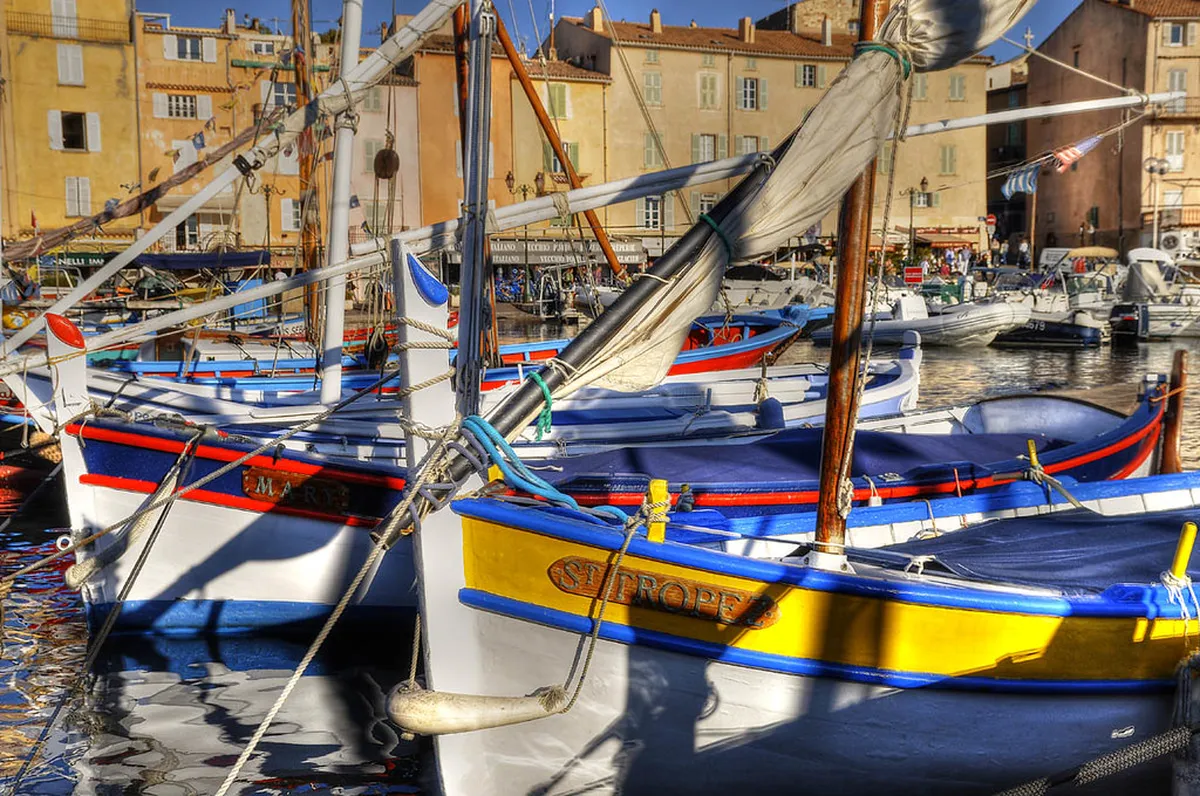
Key features include pastel facades and terracotta roofs. Natural materials are always preferred. Local stone and wood are commonly used. This creates a harmonious look with the surrounding landscape.
The architecture often features compact structures. Narrow streets wind through older parts of town. This design provides shade and a sense of community. Each home contributes to the village's picturesque charm.
You will find these styles preserved in areas like La Ponche. This historic fishing village showcases authentic buildings. Strolling through its alleys feels like stepping back in time.
Key Architectural Elements of St-Tropez Homes
Several elements define the traditional St-Tropez house design. Think of sturdy stone foundations and thick walls. These protect against both heat and cold. They contribute to the homes' enduring strength.
Windows are often smaller and recessed. This design minimizes sun exposure. Wooden shutters add a touch of rustic elegance. They also provide essential privacy and shade.
Terracotta roof tiles are another signature feature. They are typically flat or gently sloped. These tiles are durable and provide excellent insulation. They give the village its characteristic warm, earthy glow. Learn more about St-Tropez's distinctive building characteristics.
Many homes feature small balconies or courtyards. These outdoor spaces are vital for Mediterranean living. They offer a place to relax and enjoy the fresh air. Often, climbing vines adorn these areas, adding natural beauty.
Colors and Materials: The Heart of Provençal Style
The color palette of traditional St-Tropez house design is distinctive. Soft pastels like ochre, dusty rose, and muted yellows dominate. These shades reflect the natural light beautifully. They also blend seamlessly with the Provençal landscape.
Natural materials are fundamental to the aesthetic. Local stone, sometimes visible, provides a solid base. Rendered walls, often in warm tones, complete the exterior. These surfaces are durable and require little maintenance.
Wood is used extensively for doors, windows, and shutters. Often painted in complementary muted greens or blues. This adds a subtle contrast to the pastel walls. The wood ages gracefully, adding character to each home.
Inside, ceramic tiles or natural stone floors are common. They keep the interiors cool during summer months. Exposed wooden beams sometimes feature in ceilings. This enhances the rustic, authentic feel. Explore Mediterranean influences on St-Tropez architecture.
The Interior Charm of St-Tropez Houses
Step inside a traditional St-Tropez home for a cozy experience. Interiors focus on comfort and simplicity. Furniture is often rustic, made from local wood. Light fabrics complement the serene wall colors.
Natural light filters through the smaller windows. This creates a soft, inviting ambiance. Spaces are designed for practical living. They often feature built-in shelving or cupboards.
Kitchens are typically functional and warm. They use traditional tiles and wooden cabinets. These spaces are often the heart of the home. Family meals and gatherings take place here.
Decorations are usually minimal but meaningful. Locally crafted pottery or artworks adorn walls. This reflects the region's artistic heritage. Each piece adds to the home's unique story.
Preserving St-Tropez's Architectural Heritage
Preserving traditional St-Tropez house design is crucial. Local regulations protect these historic structures. They ensure new constructions respect the existing aesthetic. This helps maintain the village's timeless charm.
Renovations often require using specific materials. Architects must adhere to traditional color palettes. This prevents modern designs from clashing with old ones. It safeguards the authentic village atmosphere.
Property owners play a vital role in preservation. Many lovingly restore their homes. They use authentic techniques and materials. This commitment ensures the legacy continues for future generations.
Visiting these homes offers a glimpse into history. Consider joining a guided tour to learn more. Understanding these efforts enriches your St-Tropez experience. It highlights the community's pride in its heritage. For historical contexts, consider reviewing historic St-Tropez architecture.
Frequently Asked Questions
What defines the typical roof style on a St-Tropez house?
Traditional St-Tropez houses typically feature terracotta roof tiles. These tiles are often flat or gently sloped. They are durable and excellent for insulation. This style gives the village a warm, iconic look.
Are new buildings in St-Tropez allowed to be modern?
New constructions in St-Tropez face strict regulations. They must largely respect traditional design elements. This ensures continuity with the existing architecture. Modern elements are sometimes integrated subtly. However, the overall aesthetic remains faithful to tradition.
What colors are common for traditional St-Tropez house exteriors?
Exteriors commonly feature soft, muted pastel colors. Ochre, dusty rose, pale yellow, and terra cotta are popular. These hues complement the natural Mediterranean light. They also blend beautifully with the surrounding landscape. They truly define the traditional St-Tropez house design.
The traditional St-Tropez house design offers incredible charm. Its unique elements create a captivating atmosphere. From pastel facades to terracotta roofs, every detail tells a story. These homes embody the enduring spirit of the French Riviera. Plan your visit to experience this architectural beauty firsthand. Consider an architectural walking tour of St-Tropez for an immersive experience.
Key Takeaways
- St-Tropez homes use soft pastels and natural materials.
- Terracotta roofs and recessed windows are signature features.
- Local regulations protect traditional architectural heritage.
- Discover historic areas like La Ponche for authentic designs.