
Uncover the Rich History of Petite France Architecture Strasbourg
Explore the fascinating history of Petite France architecture in Strasbourg for 2025. Discover medieval charm and plan your visit now!
On this page
Strasbourg’s Petite France district offers timeless beauty. Its unique architecture tells a captivating story. This guide explores the rich history of Petite France architecture Strasbourg. You will uncover centuries of fascinating design.
Walking through these streets feels like stepping back in time. The half-timbered houses are truly iconic. Prepare to delve into the origins and evolution of this famous area. Discover why it remains a UNESCO World Heritage site.
The Origins of Petite France's Unique Design
Petite France began as a crucial medieval hub. Tanners, millers, and fishermen lived here. The river Ill provided vital resources for their crafts. This history shaped the district's practical architecture.
Its location on the river was strategic. Waterpower drove many local industries. Buildings were constructed to support these specific trades. They needed direct access to the water for daily work.
Many houses featured open lofts. These spaces were essential for drying animal hides. The distinctive design wasn't just aesthetic. It served a functional purpose for the tanner's trade. This area was once known as the 'Tanner's Quarter'.
This early functional design is still visible today. The buildings reflect their industrial past. Their resilience speaks to medieval craftsmanship. Visiting in 2025 offers a glimpse into this bygone era.
Traditional Half-Timbered Houses: Medieval Masterpieces
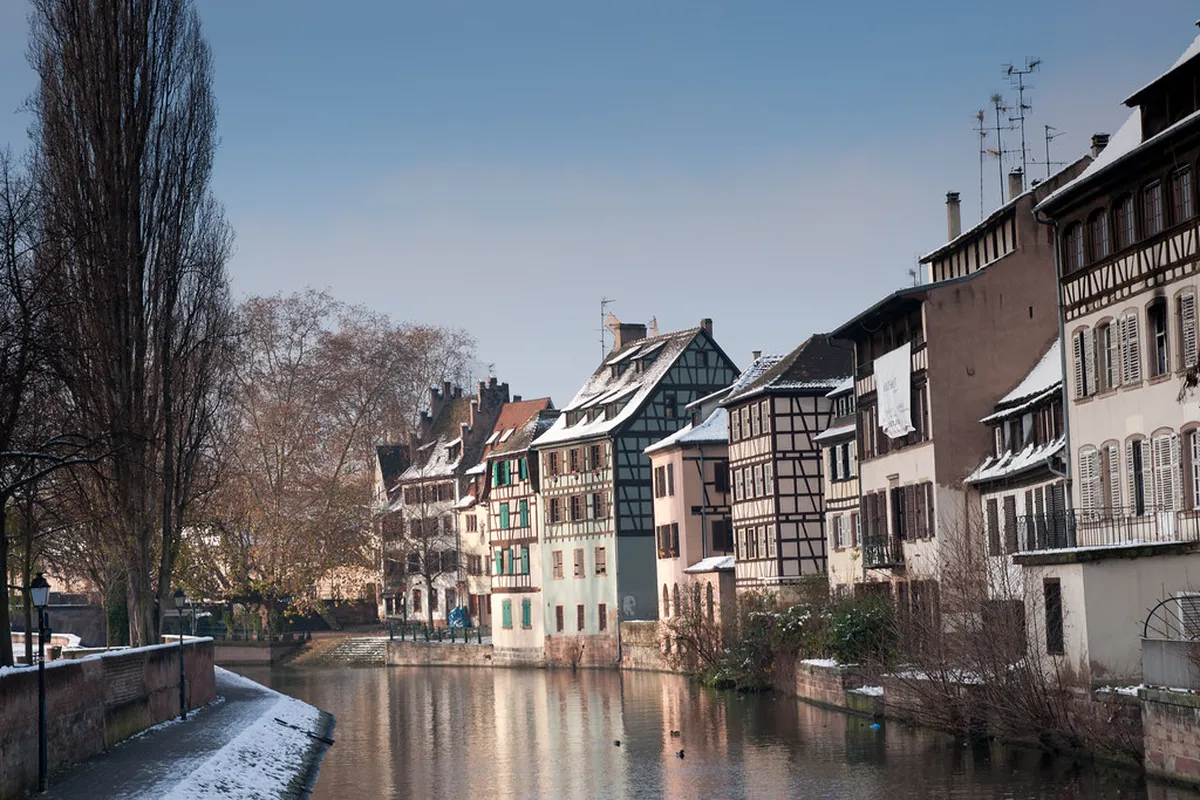
The signature style of Petite France is half-timbered. These houses feature exposed wooden beams. The spaces between are filled with wattle and daub. This construction method was common in medieval Europe.
Local oak was the primary building material. Carpenters expertly joined beams without nails. Different colors often distinguish sections of the timber. This creates a vibrant, patchwork appearance.
These structures were built for durability. They have withstood centuries of weather and change. Many date back to the 16th and 17th centuries. Their intricate details captivate every visitor.
You can explore more about these distinct buildings. Learn about the traditional half-timbered houses in Petite France, Strasbourg. They are a true testament to historical building techniques. This architectural style defines the district's charm.
Evolution and Preservation of Architectural Styles
Over centuries, Petite France adapted. Some buildings saw minor modifications. Others were rebuilt after various conflicts. Yet, the core medieval character remained.
The area gained UNESCO World Heritage status in 1988. This recognition emphasizes its global importance. It ensures strict preservation guidelines are followed. These rules protect the district's historical integrity.
Restoration projects maintain original aesthetics. Craftsmen use traditional materials and techniques. They work to keep the historic charm intact. These efforts ensure future generations can enjoy the beauty.
Visiting Petite France today means witnessing living history. The buildings are incredibly well-preserved. It is a testament to dedicated preservation work. This commitment safeguards Strasbourg's heritage.
Key Architectural Features to Observe in Petite France
Look closely at the roofs for distinct details. Many feature steep slopes and small dormer windows. These were practical for shedding snow and rain. They also added usable attic space.
The ground floors often housed workshops or shops. Living quarters were typically located upstairs. This functional layout separated work from home life. It reflects the community's occupational structure.
Notice the intricate wooden carvings on some facades. These often tell stories or display symbols. They provide small artistic touches from past residents. Each carving offers a unique historical detail.
Explore the famous Ponts Couverts, or covered bridges. These defensive structures offer stunning views. They were once part of the city's fortifications. You can gain insights into Strasbourg's historic architecture styles here.
For the best photographs, visit early in the morning. The light beautifully illuminates the old timber. Capture the essence of these unique buildings. Many photography spots highlight Petite France buildings perfectly.
Frequently Asked Questions
What is the oldest building in Petite France, Strasbourg?
The Tanner's House (Maison des Tanneurs) is one of the oldest. It dates back to 1572 and is very well-preserved. This iconic building stands proudly along the canal. It serves as a popular restaurant today.
Why is Petite France architecture so distinct?
Its distinction comes from its specific historical purpose. The buildings were designed for tanners and millers. They needed easy access to the river Ill. The half-timbered style provided sturdy construction.
The visible wooden beams and colorful infill create a unique aesthetic. This practical medieval design endures today. It truly sets Petite France apart.
How can I best explore Petite France's historical buildings in 2025?
Walk through the narrow cobblestone streets. Take your time to observe building details. Consider a boat tour on the Ill River. This offers unique canal-side perspectives.
Many guided tours focus on the district's history. You can learn fascinating stories from local experts. Aim for a weekday morning visit to avoid large crowds.
The history of Petite France architecture Strasbourg is truly remarkable. Its medieval charm and practical design are captivating. Each timbered house tells a story of centuries past. It showcases Strasbourg's rich heritage.
Plan your visit to this enchanting district in 2025. Immerse yourself in its timeless beauty. You will discover why Petite France remains a treasured architectural gem. Experience this unique historical journey for yourself.
Key Takeaways
- Petite France architecture reflects its medieval tanner and miller past.
- Half-timbered houses are a signature style, built for durability and function.
- UNESCO status ensures meticulous preservation of its historic charm.
- Look for steep roofs, wooden carvings, and canal-side features.