
Street Art Photography Guide for Troyes 2025
Read our street art photography guide for Troyes. Discover top spots and architecture photography Troyes tips for your 2025 French trip now!
On this page
Troyes offers a unique blend of medieval history and modern urban art for every traveling photographer to enjoy. This street art photography guide for Troyes highlights the best spots to capture stunning visuals in this French city. You will find massive murals painted on historic walls that tell stories of the local culture and heritage. The city provides a colorful backdrop that changes beautifully with the shifting light of the European seasons.
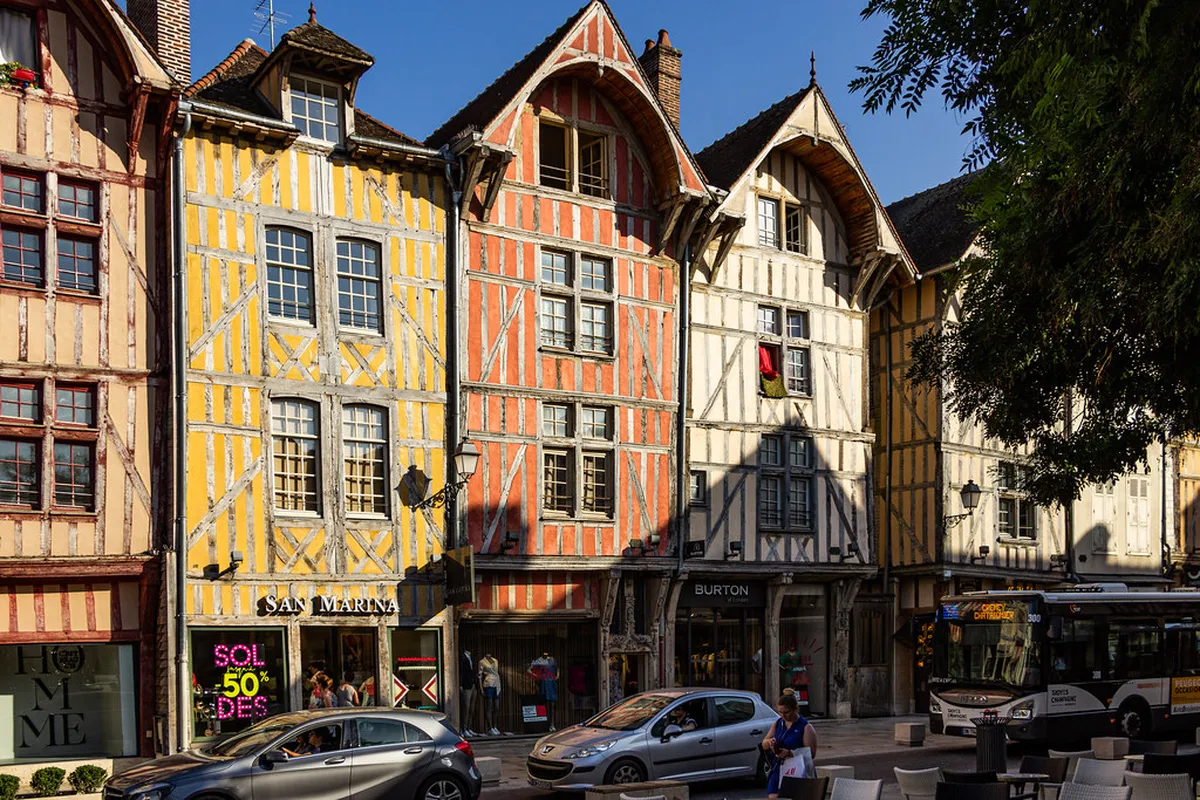
Photographers often visit this region to see the famous timber houses that date back several hundred years in time. However, the emerging urban art scene adds a fresh layer of visual interest to the narrow cobblestone streets. Our Troyes street art guide will help you navigate the hidden corners where these modern masterpieces reside today. You should prepare your camera for a mix of bold colors and textures found throughout the city center.
Exploring Troyes requires a keen eye for detail and a willingness to walk through many small pedestrian alleyways. You will discover that the street art often hides in plain sight on the sides of older residential buildings. This guide provides practical advice on how to frame your shots and find the most impactful pieces of art. Let us start our journey through the artistic streets of this charming destination located in the Grand Est region.
Finding Murals in the Historic Center
The heart of Troyes is home to some of the most impressive large-scale murals in the entire French country. You should begin your morning walk near the Saint-Pierre-et-Saint-Paul Cathedral to find early lighting for your photography shots. Many artists choose these central locations because they attract thousands of curious visitors every single week of the year. The contrast between the gothic architecture and the modern spray paint creates a very compelling story for your portfolio.
Walk down the Rue Champeaux to see how street art integrates with the local shops and bustling outdoor cafes. You will notice that many murals use the natural shape of the buildings to create a three-dimensional visual effect. These pieces often change throughout the year as new artists contribute their unique visions to the urban landscape. It is important to look up frequently because many smaller stencils are located high above the regular street level.
Most of the major artworks in the city center are free to view and accessible at all hours. You can spend several hours wandering through the different quarters to find every piece listed in our current map. Bring a comfortable pair of walking shoes because the cobblestone streets can be quite difficult to navigate for long. Taking photos in the early morning helps you avoid the large crowds of tourists who visit during the day.
Local artists often use themes that reflect the history of the Champagne region and the local textile industry. You will see depictions of historical figures mixed with abstract patterns that represent the modern identity of the city. These murals are often very tall and require a wide-angle lens to capture the entire piece in one. Take your time to study the brushwork and the layering of colors before you press the camera shutter button.
Essential Architecture Photography Troyes Tips
Combining street art with historic buildings requires specific skills that we cover in our architecture photography Troyes tips section. You must pay close attention to the leading lines created by the ancient timber frames of the local houses. These wooden structures provide a natural border for the modern murals that sit directly on the plaster walls. Aligning your camera with these vertical lines ensures that your final image looks professional and balanced to the eye.
Use a tripod if you are shooting in the narrow alleys where natural light is often very limited. The tall buildings can cast long shadows that obscure the fine details of the street art during the midday. Setting your aperture to a mid-range value like f/8 will keep both the mural and the architecture sharp. This technique allows the viewer to see the relationship between the old wood and the new vibrant paint colors.
Consider using a polarizing filter to reduce the glare from windows and shiny surfaces on the historic storefronts nearby. Many of the murals are painted on surfaces that might reflect the harsh sun during the bright summer months. A filter helps to saturate the colors and makes the street art stand out against the neutral stone walls. This small piece of equipment can make a significant difference in the quality of your final architectural photographs.
Don't forget to photograph the small details like the texture of the old bricks and the weathered wood grain. These close-up shots provide context for the street art and show the age of the canvas used by artists. You can create a beautiful photo essay by mixing wide shots of murals with tight shots of building materials. This approach tells a more complete story about how the city of Troyes embraces its long artistic history.
Top Camera Settings for Troyes Street Art
Getting the right exposure for street art can be challenging when the murals are located in dark shaded areas. You should check our best camera settings for Troyes architecture to master these difficult lighting conditions. Set your ISO as low as possible to maintain the highest level of image quality and color accuracy. A lower ISO prevents digital noise from ruining the smooth gradients found in many of the large spray-painted pieces.
If you are shooting handheld, ensure your shutter speed is fast enough to avoid any blur from camera shake. A good rule is to keep your shutter speed at least double your focal length for the best results. For example, use a speed of 1/100th of a second if you are using a 50mm prime lens. This ensures that the intricate details of the artwork remain crisp and clear for your final digital prints.
Shoot in RAW format to give yourself the most flexibility during the post-processing stage of your photography workflow. Murals often have a wide range of colors that can be difficult for the camera to process automatically. RAW files allow you to recover details from the shadows and highlights that might otherwise be lost in JPEG. You can then adjust the white balance to match the actual colors seen on the walls in Troyes.
Use single-point autofocus to lock onto the most important part of the street art mural before taking the shot. Usually, this is the face of a character or the most detailed section of an abstract geometric pattern. This technique prevents the camera from focusing on a nearby lamppost or a passing car in the busy street. Consistent focus is key to creating a high-quality gallery of urban art images from your trip to France.
Exploring the Troyes Street Art Districts
Beyond the city center, several neighborhoods offer a higher concentration of graffiti and modern murals for you to explore. You should visit the Troyes street art districts located near the industrial outskirts for a different perspective. These areas feature larger walls and more experimental works from local and international artists who visit the city. The industrial backdrop provides a gritty and authentic feel that contrasts with the polished look of the historic center.
The area around the train station is a great place to find smaller pieces and stickers from the underground scene. These works are often more temporary and change every few weeks as new artists pass through the city gates. Keep your camera ready as you walk through the pedestrian tunnels and along the walls of the railway lines. You will find that some of the best art is hidden in places that most tourists never see.
Local community centers often sponsor murals that involve the residents and tell local stories about life in the suburbs. These projects are usually very colorful and large, covering entire sides of apartment blocks or schools in the area. Walking through these neighborhoods allows you to see a side of Troyes that is far removed from the postcards. The residents are generally very friendly and proud of the art that brightens their daily commute to work.
Be sure to check the local event calendar for any street art festivals that might be happening during your visit. These events bring many artists together to create new works in a very short period of time for public. You might even get the chance to photograph the artists as they work on their latest massive wall projects. This provides a rare behind-the-scenes look at the creative process involved in making large-scale urban art pieces.
Best Time of Day for Urban Photos
Timing is everything when you want to capture the best possible images of street art in a historic city. The golden hour just after sunrise or before sunset provides a soft and warm light that flatters the murals. During these times, the shadows are longer and the colors of the paint appear more vibrant and deeply saturated. You will also find that the streets are much quieter, allowing you to set up your gear comfortably.
Blue hour is another excellent time to photograph street art that is illuminated by the local city street lights. This creates a dramatic look where the blue of the sky contrasts with the artificial yellow light of the lamps. You will need a tripod and a long exposure to capture enough light for a clear and bright image. This technique is especially effective for murals located near modern buildings with glass windows that reflect the light.
Avoid shooting at midday when the sun is directly overhead and creates harsh and unflattering shadows on the walls. High noon often results in high-contrast images where the highlights are blown out and the shadows are too dark. If you must shoot at this time, look for murals that are located in permanent shade or alleyways. Using a lens hood will help to prevent any lens flare from the direct overhead sunlight during the summer.
Overcast days are surprisingly good for street art photography because the clouds act as a massive softbox in the sky. This creates very even lighting that eliminates harsh shadows and allows the colors of the paint to shine through. You won't have to worry about the direction of the sun as you move between different streets and murals. Many professional photographers prefer these conditions for documenting urban art because the results are very consistent and easy.
Frequently Asked Questions
Is street art photography legal in Troyes?
Yes, taking photos of street art in public spaces for personal use is generally legal in Troyes. You should always respect private property and avoid blocking traffic while you are setting up your camera equipment. For commercial use, you may need to contact the original artist to discuss copyright permissions and licensing fees.
Where are the biggest murals in Troyes located?
The largest murals are usually found on the outskirts of the historic center or in the industrial districts. Look for large residential buildings or community centers that have partnered with local art organizations for these projects. Maps are often available at the local tourism office to guide you to these specific locations.
What gear should I bring for street art photography?
You should bring a versatile zoom lens like a 24-70mm to cover both wide murals and tight detail shots. A lightweight tripod is very helpful for shooting in low-light conditions or during the early morning hours. Don't forget extra batteries and memory cards so you can keep shooting throughout the entire day of exploration.
Are there guided street art tours in Troyes?
Yes, local organizations often offer guided walking tours that focus specifically on the street art and urban culture. These tours provide valuable information about the artists and the meaning behind the different murals you will see. Check with the Troyes tourism office for the current schedule and booking information for these popular tours.
Troyes is a fantastic destination for anyone interested in the intersection of historic architecture and modern street art. This street art photography guide for Troyes has shown you where to find the best murals and how to capture them. Remember to experiment with different angles and lighting to create unique images that stand out in your portfolio. Plan your trip for 2025 and experience the artistic beauty of this French city for yourself today.
Key Takeaways
- Visit the historic center early in the morning to avoid crowds and get soft lighting.
- Use a wide-angle lens to capture large murals and a prime lens for detail shots.
- Combine architecture photography Troyes tips to frame murals within the city's timber structures.
- Explore the industrial districts for larger, more experimental street art pieces away from tourists.
Related reads: streetartly.com, street art and architecture in troyes, top spots for architectural photos in troyes.