
Architecture photography Troyes tips: Expert Guide 2025
Master your skills with architecture photography Troyes tips. Discover the best spots, settings, and lighting for capturing French history in 2025. Read more!
On this page
Troyes is a dream location for photographers seeking authentic French charm and history. The city features narrow alleys and colorful facades from the medieval era. Our guide provides professional architecture photography Troyes tips to improve your craft today. Start your journey through the City of a Thousand Colors in early 2025.
The historic center resembles a champagne cork when viewed from the air. You will find endless inspiration among the leaning walls of timber buildings. These structures create unique leading lines that draw the eye toward beautiful details. Use this guide to capture the most stunning images of this French jewel.
Success in this city requires patience and an eye for historic textures. Every corner reveals a new story through wood, stone, and ancient glass. Learn how to navigate the cobblestone streets for the best possible shots. This article covers everything from technical settings to the best locations.
Essential Gear and Technical Camera Settings
Choosing the right equipment is the first step for successful city photography. A wide-angle lens helps you capture the narrow streets and tall structures. Aim for a focal length between 16mm and 35mm for the best results. This range allows you to frame entire buildings without losing important details.
Stability is vital when you are working in low light or narrow alleys. Bring a lightweight tripod to ensure your images remain sharp and clear. This is especially helpful when photographing the intricate carvings on wooden door frames. Using a tripod allows you to use lower ISO settings for higher quality.
You should adjust your aperture to maintain a deep depth of field. Use a setting between f/8 and f/11 to keep everything in focus. This ensures that the foreground textures and background details are both perfectly sharp. Check out our guide on best camera settings for Troyes architecture for more depth.
Polarizing filters are excellent for reducing glare on old glass windows. They also help to saturate the colors of the painted timber frames. Many buildings in Troyes feature vibrant blues, yellows, and deep reds. A filter makes these colors pop against the bright French sky.
Capturing Iconic Half-Timbered Houses
Troyes is world-famous for its massive collection of historic half-timbered houses. These buildings date back to the Middle Ages and the Renaissance period. Most of them were rebuilt after a massive fire in the year 1524. They offer a unique aesthetic that is perfect for professional architectural shots.
The leaning walls create a sense of movement and age in your photos. Look for the famous Maison du Boulanger at the corner of Rue Champeaux. Position your camera at a low angle to emphasize the height of the gables. This technique highlights the dramatic tilt of these ancient wooden structures.
Color management is a key part of your architecture photography Troyes tips. The city uses a specific palette of historical colors for the plaster work. Try to photograph these houses during the golden hour for warm, glowing tones. You can find more tips for photographing half-timbered houses Troyes here.
Don't forget to look for the small details on the wooden beams. Many beams feature carvings of animals, saints, or geometric patterns. Use a macro lens or a zoom to capture these hidden treasures. These close-up shots add variety to your travel photography portfolio.
Mastering Light and Shadow in Narrow Alleys
The narrow streets of Troyes create challenging but rewarding lighting conditions. High walls often cast deep shadows across the cobblestones during the day. This contrast can be difficult for digital sensors to handle effectively. Use HDR techniques to balance the bright sky and dark street corners.
Early morning is the best time to avoid heavy tourist crowds. The soft light filters through the alleys and hits the timber frames. This creates a gentle glow that emphasizes the texture of the wood. You will find the city peaceful and ready for your lens.
Blue hour provides a magical atmosphere for the historic city center. The street lamps begin to glow with a warm orange light. This contrasts beautifully with the deep blue of the evening sky. Set your camera on a tripod for long exposures during this time.
Night photography in Troyes reveals a completely different side of the city. The shadows become more dramatic and the textures more pronounced. Focus on the play between the artificial lights and the ancient stone. This is a great time to experiment with creative compositions.
Discovering Hidden Architectural Gems
Many of the best photo spots are tucked away in quiet courtyards. The Ruelle du Chat is a famous narrow alley you must visit. It is so narrow that cats can jump from one roof to another. This spot offers a perfect example of medieval urban planning and design.
Search for the hidden courtyards located behind the heavy wooden street doors. Some of these areas are open to the public during the daytime. They often contain beautiful spiral staircases and quiet, leafy corners. These spaces offer a private look at the local life in Troyes.
The city is also home to several magnificent stone churches and cathedrals. The Cathedral of Saint-Pierre-et-Saint-Paul features stunning stained glass windows from various eras. Capture the way the light creates colorful patterns on the stone floors. Explore more hidden architectural gems Troyes in our latest guide.
Walk toward the canal district for a different perspective on the city. The reflections of the old houses in the water are very photogenic. Use a slow shutter speed to smooth out the surface of the water. This creates a dreamlike quality in your architectural compositions.
Photographing Renaissance Stone Architecture
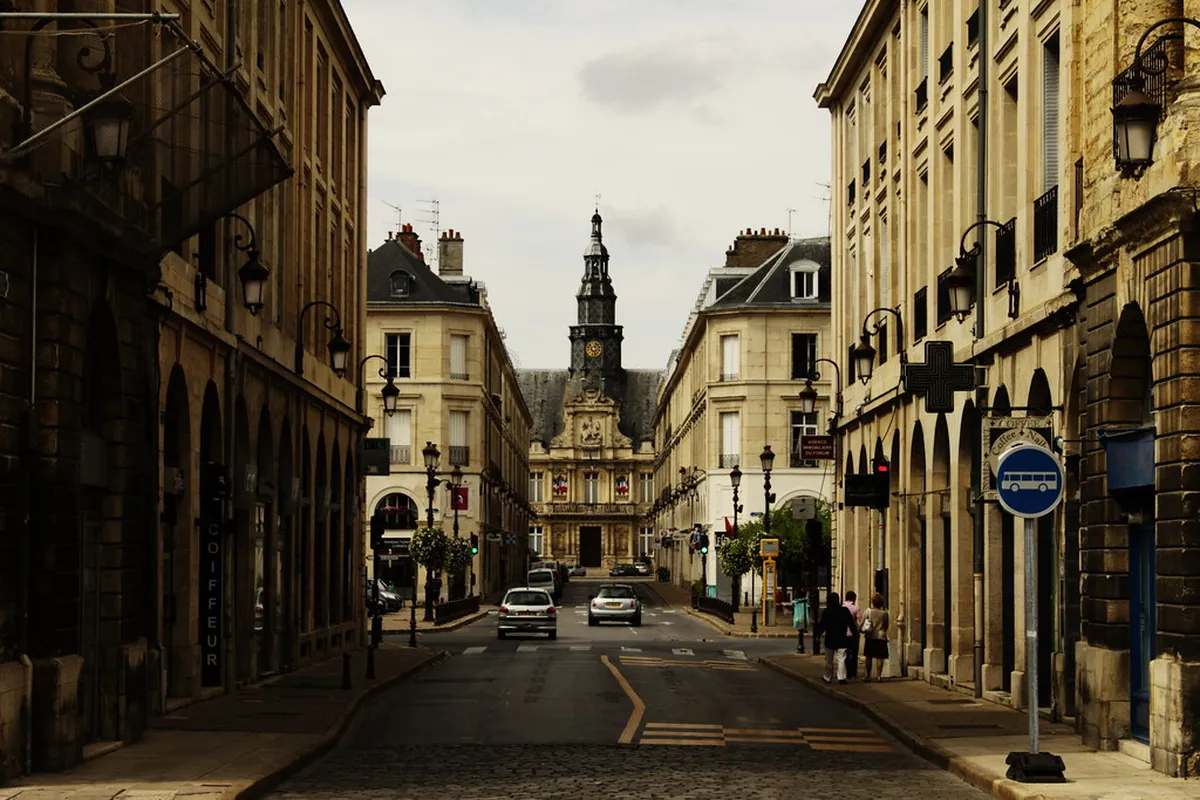
While timber is common, Troyes also boasts elegant stone Renaissance palaces. These buildings represent the wealth of the city during the 16th century. They feature symmetrical designs and intricate stone carvings around the windows. The Hotel de Vauluisant is a prime example of this style.
Focus on the symmetry and balance of these impressive stone facades. Use a tilt-shift lens if possible to keep your vertical lines straight. This prevents the building from appearing to lean backward in your photos. Clean lines are essential for capturing the grandeur of Renaissance design.
The texture of the limestone changes significantly depending on the weather. On rainy days, the stone takes on a darker and more dramatic tone. Sun brings out the creamy white and yellow hues of the masonry. You can learn about Troyes Renaissance architecture for better historical context.
Look for the decorative crests and shields carved above the main entrances. These details tell the history of the families who once lived there. Use a shallow depth of field to make these carvings stand out. This technique creates a professional look for your architectural detail shots.
Blending Modern Art with Ancient History
Troyes is a city where the past and the present meet. You will often find modern street art located near historic monuments. This provides a wonderful opportunity for high-contrast and contemporary compositions. Look for the colorful murals that decorate some of the newer walls.
Contrast the flat colors of modern paint with the rough texture of old wood. This juxtaposition tells a story of a city that is still evolving. Position yourself so that a historic spire frames a modern artwork. This creates a dynamic and interesting layer in your image.
Many artists use the city's history as inspiration for their public murals. You might see modern interpretations of medieval characters or local legends. Capturing street art and architecture in Troyes requires a keen eye for framing. Use the natural lines of the streets to guide the viewer.
The interaction between people and these spaces also makes for great photos. Wait for a local to walk past a mural on an old street. This adds a sense of scale and life to your architectural work. It turns a static building photo into a living street scene.
Frequently Asked Questions
What is the best time of year for architecture photography in Troyes?
Late spring and early autumn offer the most pleasant weather conditions. The light is softer during these months compared to the harsh summer sun. You will also find fewer tourists blocking your views of the narrow streets. Planning your visit for May or September is highly recommended for photographers.
Are tripods allowed in the historic center of Troyes?
Yes, you can use tripods in most public streets and squares. Be careful not to block the narrow sidewalks for local pedestrians. Some churches and museums may require a special permit for tripod use inside. Always check with the staff before setting up your gear in private areas.
Which lens is best for the narrow streets of Troyes?
A wide-angle zoom lens like a 16-35mm is the most versatile choice. It allows you to capture the height of the timber buildings easily. If you prefer prime lenses, a 24mm lens is excellent for street architecture. This focal length provides a natural perspective without too much distortion.
Is Troyes safe for solo photographers at night?
Troyes is generally a very safe city for photographers at all hours. The historic center is well-lit and popular with locals and visitors. However, you should always stay aware of your surroundings when carrying expensive gear. Stick to the main streets and well-populated areas during the late night hours.
Capturing the beauty of Troyes requires a mix of technical skill and patience. Use these architecture photography Troyes tips to improve your images in 2025. Focus on the unique timber frames and the play of light in alleys. Ready to explore more? Check out our top spots for architectural photos in Troyes today!
Key Takeaways
- Use a wide-angle lens to capture tall medieval houses.
- Visit during the golden hour for the best lighting effects.
- Look for hidden courtyards and the famous Ruelle du Chat.
- Use a tripod for sharp images in dark narrow streets.
- Focus on the contrast between Renaissance stone and timber.