
Discover Troyes Architectural History: A 2025 Guide
Explore the fascinating Troyes architectural history in this 2025 guide. Learn about timber houses and gothic churches. Plan your historic France visit today!
On this page
Troyes sits comfortably in the heart of the beautiful Champagne region. Its narrow streets tell a deep story of resilience and French beauty. Visitors in 2025 will see perfectly preserved history throughout the entire town. The Troyes architectural history is visible in every ancient timber beam you see.
This city is famous for its shape like a champagne bottle cork. The layout dates back to the early medieval periods of French growth. You can walk through centuries of design in just a few hours. Let us dive into the unique structures that define this stunning location.
The Impact of the Great Fire of 1524
In 1524, a massive fire destroyed much of the historic city. Over 1,500 wooden houses vanished in just two long days. This terrible tragedy changed the face of the city forever. Residents chose to rebuild with local oak and sturdy clay materials.
The rebuilding phase created a unified style across the major districts. These efforts shaped the unique influence of fires on Troyes architecture seen today. Builders prioritized safety but they also maintained beautiful artistic aesthetics. Most standing structures date back to this critical historical rebuilding period.
You can explore these rebuilt areas near the main city center. Many houses still stand from the middle of the sixteenth century. They represent the spirit of a city that refused to die. Each street offers a new perspective on recovery and urban planning.
Look for the distinctive narrow alleys between the tall houses. These tight spaces were designed to prevent fires from spreading fast. They are now charming paths for curious modern tourists to explore. Walking here feels like stepping back into the early Renaissance years.
The fire also influenced the use of stone in public buildings. Important civic structures used more masonry to ensure long term survival. This mix of wood and stone creates a diverse visual landscape. It is a defining feature of the local historical skyline.
Medieval Half-Timbered Houses of Troyes
Troyes boasts the highest concentration of timber-framed houses in France. These structures are famous for their colorful facades and leaning walls. Local builders used traditional techniques to ensure lasting stability over centuries. The result is a vibrant city center full of unique character.
One famous example is the Maison du Boulanger at the corner. It features intricate wood carvings and a classic pointed roof style. Exploring these Troyes half-timbered houses is a highlight for many visitors. You will notice the upper floors often overhang the street.
This design choice saved space and protected the lower foundations. It also created the narrow and intimate atmosphere the city offers. Most of these houses were restored during the late 1960s era. This preservation effort saved the unique historical identity of the town.
The colors of the houses are not just for decoration. Historically, specific colors indicated the profession of the building owner. Today, they create a rainbow effect across the central districts. You can spend hours photographing these stunning and colorful architectural details.
Many houses feature a style called the pans de bois. This involves a heavy timber frame filled with light materials. You can see the vertical and horizontal beams clearly today. It is a masterpiece of medieval engineering and traditional craftsmanship.
Gothic Grandeur and Religious Landmarks
The Saint-Pierre-et-Saint-Paul Cathedral dominates the local skyline quite impressively. Construction on this massive Gothic structure began in the thirteenth century. It took over four hundred years to finish the entire building. The cathedral showcases the evolution of medieval architecture in Troyes France perfectly.
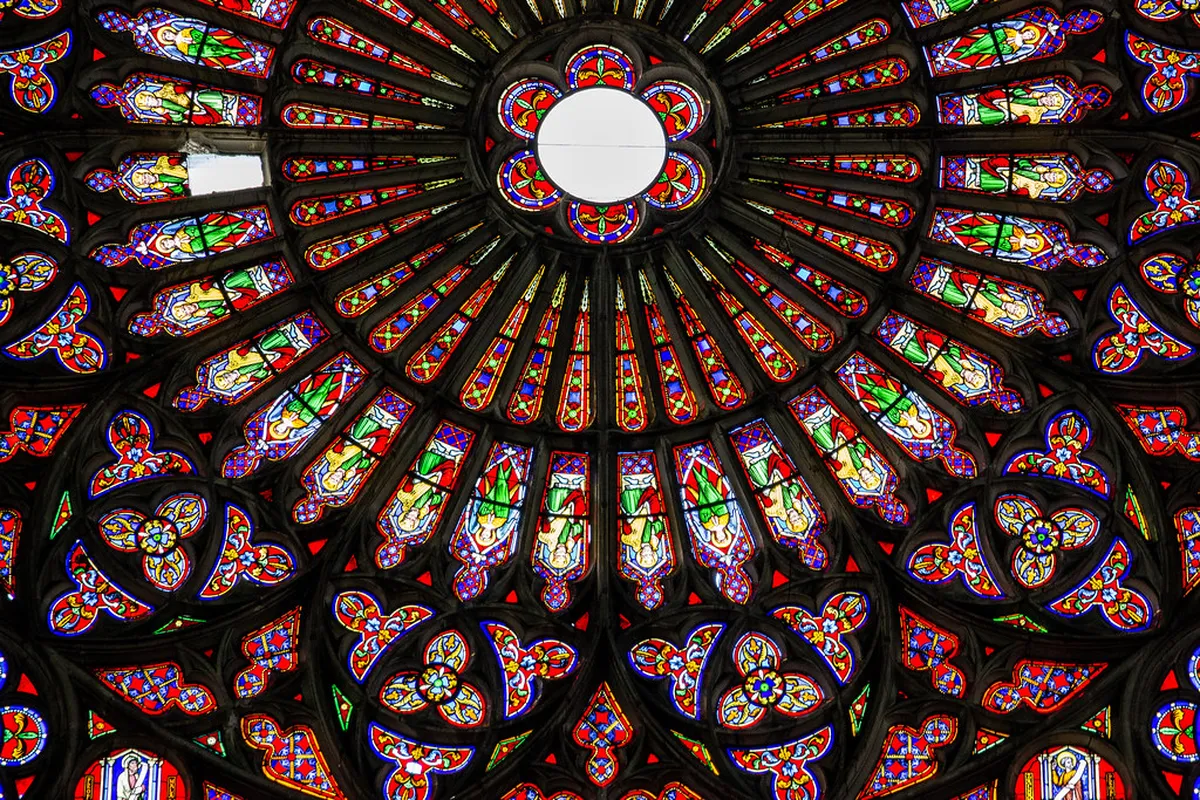
Inside, you will find 1,500 square meters of stained glass. These windows date from the thirteenth to the nineteenth centuries. They tell biblical stories with incredible color and soft light. The nave feels light and airy due to the arches.
The cathedral remains unfinished as it only has one tower. Legend says the second tower was never built for money. This asymmetry adds to its unique charm and historical character. It stands as a testament to centuries of local religious devotion.
Visit the nearby Saint-Urbain Basilica for another true Gothic masterpiece. It is known for its delicate proportions and elegant stone carvings. Both sites are free to enter for most of the year. They provide a quiet space for reflection and historical appreciation.
The churches in this city are like an open-air museum. You can see the transition from early to late Gothic styles. Each window and pillar tells a story of artistic progress. These landmarks are essential stops on any architectural walking tour.
Renaissance Influence and Grand Mansions
The sixteenth century brought great wealth to the local merchants. They built grand mansions known locally as the Hôtels Particuliers. These buildings often used stone to show off their high status. They reflect the sophisticated Troyes Renaissance architecture of that busy era.
One stunning example is the Hôtel de Vauluisant in town. It now houses a museum dedicated to historical hosiery and art. The courtyard displays intricate stone sculptures and grand entrance gates. You can see the shift from medieval to classical forms.
The Hôtel de Mauroy is another must-see site for history buffs. It features a beautiful courtyard with ornate wooden galleries and columns. This mansion currently hosts a museum for ancient tools and trades. It shows how the wealthy lived during the Renaissance peak.
These stone structures offered better fire protection than wooden homes. They also allowed for larger windows and grander interior layouts. Many are hidden behind large wooden doors along the streets. Peek inside when you see an open gate for treasures.
The facades often feature carvings of mythological figures and symbols. Architects of the time wanted to impress every single passerby. These details reveal the cultural connections between Troyes and Italy. They highlight the cosmopolitan nature of the Renaissance French world.
Modern Integration and Creative Evolution
The Troyes architectural history continues to evolve in the modern era. Contemporary artists now use the old walls as a creative canvas. This blend of styles creates a bridge for the city. It makes the city feel alive and very modern today.
You can find vibrant street art and architecture in Troyes in many districts. Murals often celebrate the history and culture of the region. They add a splash of modern color to ancient stone. This contrast is a favorite for many photographers and travelers.
The city promotes this artistic evolution through many walking tours. These paths take you through hidden architectural gems in Troyes today. It is a great way to see the newest developments. The architecture acts as a backdrop for innovative urban expressions.
Many old industrial buildings are now creative hubs and workshops. They preserve the structural bones while serving new community purposes. This adaptive reuse is essential for sustainable growth in 2025. It keeps the history relevant for future generations of residents.
Modern sculptures also dot the banks of the local canal. They complement the historic bridges and water features very well. This integration of art and structure keeps the city interesting. Troyes remains a leader in balancing preservation with creative progress.
Frequently Asked Questions
Why are the houses in Troyes leaning?
Many houses lean because they were built on soft ground. Over centuries, the timber frames shifted and settled naturally. This creates the charming and unique look visitors love today. It is a safe but very visible part of history.
When was the Saint-Pierre-et-Saint-Paul Cathedral built?
Construction began in 1208 and lasted until the seventeenth century. It took over four hundred years to reach completion. This long process allowed different Gothic styles to emerge. You can see the transition in the stone work.
What is the Bouchon de Champagne?
The Bouchon de Champagne is the shape of the city. If you look at a map, it looks like a cork. This layout was formed by the old city walls. It is a unique feature of the local geography.
How did the 1524 fire affect Troyes?
The fire destroyed over 1,500 homes in the city center. This led to a massive rebuilding effort across the town. Most of the timber houses we see today were built then. It created the unified Renaissance look of the city.
Are there museums in the historic mansions?
Yes, many grand mansions are now home to public museums. You can visit the Hôtel de Vauluisant for art history. The Hôtel de Mauroy hosts a museum of tools. They allow you to see the interior architecture easily.
The Troyes architectural history is a journey through time and resilience. From medieval timber to Renaissance stone, the city offers endless beauty. Plan your visit in 2025 to experience this French treasure. You will surely fall in love with its unique historic charm.
Key Takeaways
- Visit the Maison du Boulanger for timber-framed beauty.
- Explore the Saint-Pierre-et-Saint-Paul Cathedral for Gothic art.
- Look for the Bouchon de Champagne city cork layout.
- Discover the Renaissance Hôtels Particuliers hidden behind gates.
- Admire the modern street art on ancient city walls.