
Medieval architecture Troyes France Guide 2025
Explore the best medieval architecture Troyes France offers in 2025. See timbered houses and Gothic churches in our travel guide. Start your tour today!
On this page
Troyes offers some of the most beautiful examples of medieval architecture Troyes France has kept for modern travelers. The city center is shaped like a champagne cork which reflects the heritage of the entire region. You can walk through centuries of history in just one afternoon through the narrow and winding cobblestone streets. Many buildings still stand from the early Renaissance period and offer a unique look at French history.
Visiting Troyes in 2025 allows you to see many beautifully restored facades and vibrant local culture today. The city is famous for its colorful timbered homes that create a very charming atmosphere for every visitor. You will find that the historic core is easy to explore on foot during a short weekend trip. This guide will help you discover the most important structures and hidden corners of this historic French gem.
The Iconic Half-Timbered Houses of Troyes
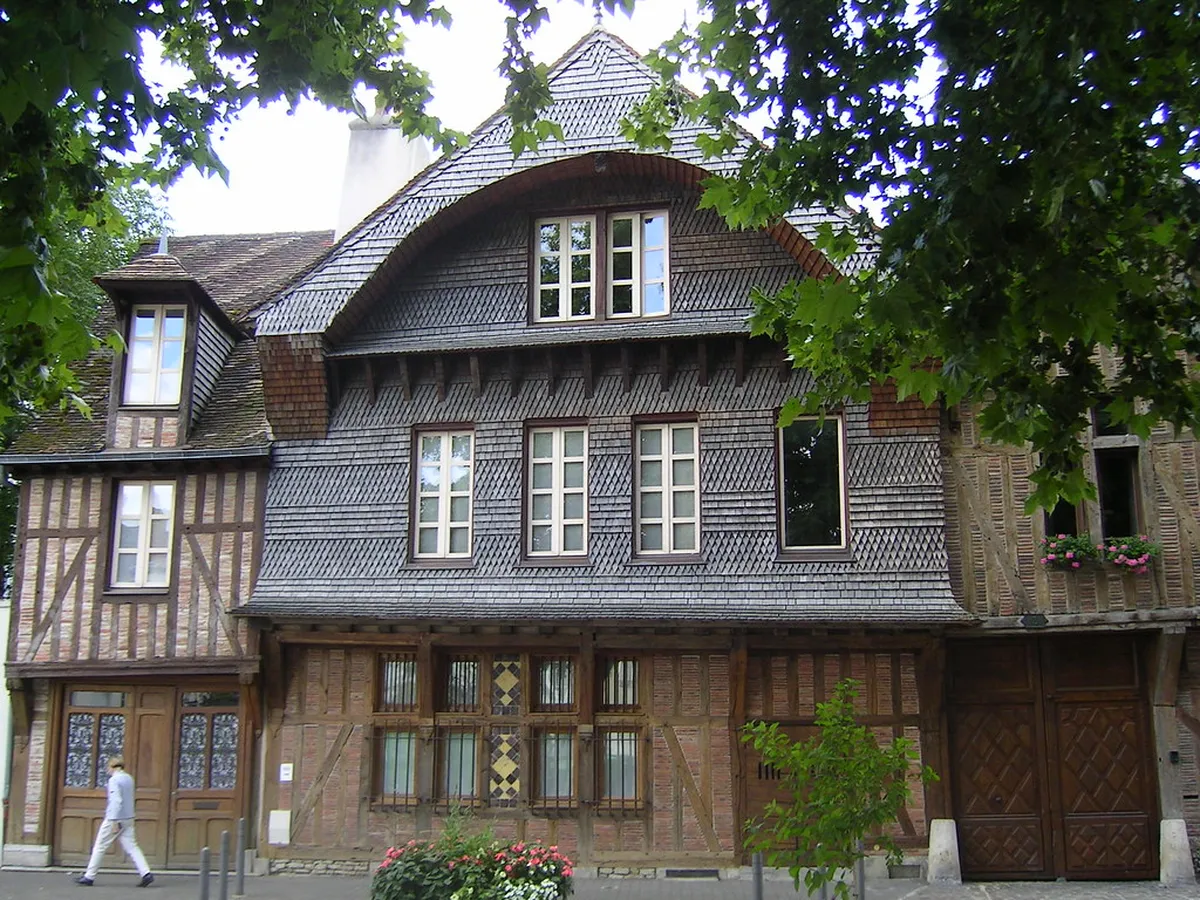
The colorful half-timbered houses define the skyline of this historic French town for every tourist who visits. Most of these wooden structures date back to the 16th century after a massive fire hit the city. These homes feature intricate wooden beams and bright plaster walls that look great in any travel photograph. You will find many colorful half-timbered houses along the main pedestrian zones in the city center.
The construction methods used for these houses showcase the high level of skill held by medieval French carpenters. They used local oak and traditional techniques to build tall structures that have lasted for many centuries now. You can see how the upper floors often hang over the street to save space on the ground. This architectural style gives the narrow streets a very intimate and cozy feeling for those walking below.
Many of these buildings were once the homes of wealthy merchants who traded goods during the Champagne fairs. Today they house boutique shops and cozy cafes where you can stop for a glass of local cider. The preservation of these buildings is a top priority for the local government and the people of Troyes. Every street corner offers a new perspective on how life looked in France during the middle ages.
The colors of the houses are not random but follow a traditional palette used in the Champagne region. You will see shades of ochre and blue and rose that brighten even the most cloudy winter days. Take your time to look at the carvings on the corner posts of the oldest timbered buildings. These small details often tell stories about the original owners or the specific purpose of the building itself.
Religious Wonders and Gothic Masterpieces
Troyes is often called the city of ten churches because of its incredible density of religious historic buildings. The Cathedral of Saint-Pierre-et-Saint-Paul is a massive example of Gothic design that dominates the entire city skyline. Construction on this cathedral began in the year 1208 and continued for more than four hundred years. You should definitely spend time understanding Troyes Cathedral Gothic architecture before you visit the site.
The stained glass windows in Troyes are some of the most famous and beautiful in the entire country. These windows cover a vast area and tell complex biblical stories through vibrant colors and very detailed art. Light filters through the glass to create a magical atmosphere inside the cool stone walls of the nave. Many visitors come specifically to see the window of the Wine Press which is a local artistic treasure.
The Basilica of Saint-Urbain is another must-see site for fans of thin and elegant Gothic stone structures. It features delicate proportions and large windows that make the heavy stone seem almost light and very airy. This church was founded by a local man who eventually became Pope Urbain IV in the 13th century. It stands as a testament to the influence and power that the city once held in Europe.
Each parish church in the city has its own unique character and special architectural features to discover today. Look for the Church of Saint-Pantaléon to see a stunning collection of 16th-century statues and fine wooden art. The Church of Sainte-Madeleine is famous for its intricate stone screen which is a masterpiece of the Renaissance. Exploring these medieval church architecture sites will give you a deep appreciation for French history.
Exploring the Ruelle des Chats and Alleys
The Ruelle des Chats is one of the narrowest and most famous streets in the entire city of Troyes. You can stand in the middle and touch the walls on both sides of the alley at once. This name translates to the Alley of the Cats because cats can jump from one roof to another. It provides a perfect example of how narrow medieval streets were designed for safety and for shade.
Walking down this alley feels like stepping back into a medieval storybook with every single step you take. The buildings lean toward each other at the top and nearly block out the sunlight on the ground. This area is home to many hidden architectural gems that tourists often miss on the main streets. Look for the small details like iron lanterns and heavy wooden doors that guard private inner courtyards.
These alleys were originally designed to protect residents from the wind and to keep the city streets cool. Today they offer a quiet escape from the busier shopping districts and the modern parts of the town. You can find small artisan workshops and hidden gardens tucked away behind the ancient stone and timber walls. Photographers love this area because the light creates dramatic shadows and highlights on the old textures of wood.
Make sure to wear comfortable walking shoes when you explore these historic and often uneven cobblestone pathways today. The stones can be slippery when wet and the ground is rarely perfectly flat in the older districts. Many of these alleys lead to charming squares where you can find local markets and fresh French produce. Discovering these small paths is the best way to feel the true heart of this ancient French city.
Renaissance Influence on Medieval Troyes
While Troyes is famous for its medieval roots the Renaissance period also left a significant mark on the city. After the great fire of 1524 many wealthy families rebuilt their homes using the new and trendy Italian styles. You will see stone mansions called hotels particuliers that feature elegant carvings and very symmetrical window designs today. These buildings show the transition from the heavy medieval style to the lighter and more decorative Renaissance era.
The Renaissance architecture in Troyes often blends seamlessly with the existing half-timbered houses in the historic center. You can see stone ground floors supporting timber upper stories in many of the larger merchant homes nearby. This mix of materials created a unique local style that you will not find in other French cities. The Hotel de Mauroy is a perfect example of this beautiful and very functional architectural blending.
Many of these mansions now serve as museums or public buildings that you can enter and explore for free. The Museum of Tools and Trade is located in one of the most stunning 16th-century buildings in town. Inside you can see the original wooden staircases and grand fireplaces that once warmed the wealthy local elite. The courtyards of these buildings are often open to the public and offer a very peaceful atmosphere.
Pay attention to the ornate doorways and the decorative lintels that adorn these fine stone and timber residences. Many features show the wealth of the owners through classical motifs and symbols of the different local trade guilds. These details provide a fascinating look at the social history of the city during its golden economic age. Troyes remains a living museum where different centuries of European art and design live side by side.
Photography Tips for the Old Town
Capturing the beauty of the city requires some planning to get the best light on the old wooden facades. Early morning is the best time to photograph the streets before the crowds of tourists arrive for the day. The soft light of the sunrise brings out the warm tones in the wood and the colorful plaster. You should check out some Troyes photography tips to improve your shots of the narrowest city alleys.
Use a wide-angle lens to capture the full height of the leaning buildings in the very narrow medieval streets. This will allow you to show how the houses tilt toward each other and create a tunnel-like effect. Experiment with different angles to emphasize the patterns created by the diagonal wooden beams on the exterior walls. Don't forget to look up to see the decorative carvings and the interesting shapes of the old rooflines.
Night photography in Troyes offers a completely different and very romantic perspective on the ancient architecture of the city. Many of the major churches and monuments are lit up with soft golden lights after the sun goes down. The shadows in the alleys create a mysterious mood that feels like a scene from a classic film. A tripod is helpful for capturing the sharp details of the stone carvings in the low light.
The local canals also provide great opportunities for reflections of the colorful houses in the calm and dark water. You can find several bridges that offer a perfect vantage point for a classic view of the town center. Be sure to include some of the local street life to give your photos a sense of scale. Your photos will serve as a wonderful memory of your journey through the history of this French city.
History and Preservation of the Core
The history of the city center is marked by a devastating fire that occurred in the year 1524. This fire destroyed thousands of houses but led to a massive rebuilding effort that gave the city its look. The people chose to rebuild in the traditional style which is why the city feels so medieval today. Understanding the history of the city helps you appreciate the effort put into its conservation.
In the 1960s many of the old buildings were in poor condition and faced the threat of total demolition. However a dedicated group of locals worked hard to save the historic heart from modern development and loss. They restored the timber frames and cleared away modern additions to reveal the original beauty of the structures. This preservation work has made Troyes one of the top destinations for heritage tourism in all of France.
Today the city uses strict rules to ensure that any new construction matches the historic character of the neighborhood. Owners must use traditional materials and colors when they renovate their private homes in the old town core. This commitment to quality ensures that future generations can enjoy the same views that we see in 2025. Walking through the city you can see ongoing restoration projects that keep the ancient timber very strong.
The city has also transformed many historic spaces into vibrant cultural centers and museums for the public to enjoy. You can visit the Hotel-Dieu-le-Comte to see a perfectly preserved 18th-century pharmacy and its beautiful wooden shelves. These initiatives bring the history of the city to life for residents and for visiting tourists alike. Every building in Troyes tells a part of a much larger story about French resilience and art.
Frequently Asked Questions
What are the most famous historic buildings to visit in Troyes?
You should start with the Cathedral of Saint-Pierre-et-Saint-Paul and the Basilica of Saint-Urbain for Gothic art. The Ruelle des Chats and the Hotel de Mauroy are also essential stops for any visitor. You can find a full list of historic buildings in Troyes to plan your walking route effectively. Most sites are located within the cork-shaped city center and are easy to reach on foot.
Is Troyes worth visiting for a day trip from Paris?
Yes Troyes is an excellent day trip destination because it is only 90 minutes from Paris by train. You can easily see the main architectural highlights and enjoy a nice lunch in the old town. The train station is located just a short walk from the edge of the historic district. This makes it a very convenient choice for travelers who want to escape the busy capital city.
When is the best time to see the medieval architecture in Troyes?
Spring and fall offer the best weather for walking through the streets and taking clear photos of the buildings. Summer is also popular but the streets can become crowded with other tourists and tour groups today. Winter provides a quiet atmosphere and festive lights that make the timbered houses look very magical and cozy. Each season brings a different light and mood to the ancient stone and wooden facades.
Troyes is a spectacular destination that offers a deep dive into the world of medieval architecture Troyes France is proud of. From the towering Gothic cathedrals to the narrowest alleys every corner of the city has a story to tell. Planning your visit in 2025 will allow you to experience a perfectly preserved piece of French history. We hope this guide helps you enjoy the unique charm and beauty of this ancient Champagne city. Start your journey today and discover the magic of the cork-shaped town center for yourself.
Key Takeaways
- Visit the Ruelle des Chats for the most authentic medieval street experience.
- Look at the 16th-century stained glass in the local churches for world-class art.
- Wear comfortable shoes because the historic cobblestone streets can be quite uneven.
- Check out the city from above to see the unique champagne cork shape of the center.