
Photographing Palace Architecture Versailles Advice: Pro Guide
Get expert photographing palace architecture Versailles advice for your 2025 trip. Learn about lighting, gear, and the best angles to capture this French icon.
On this page
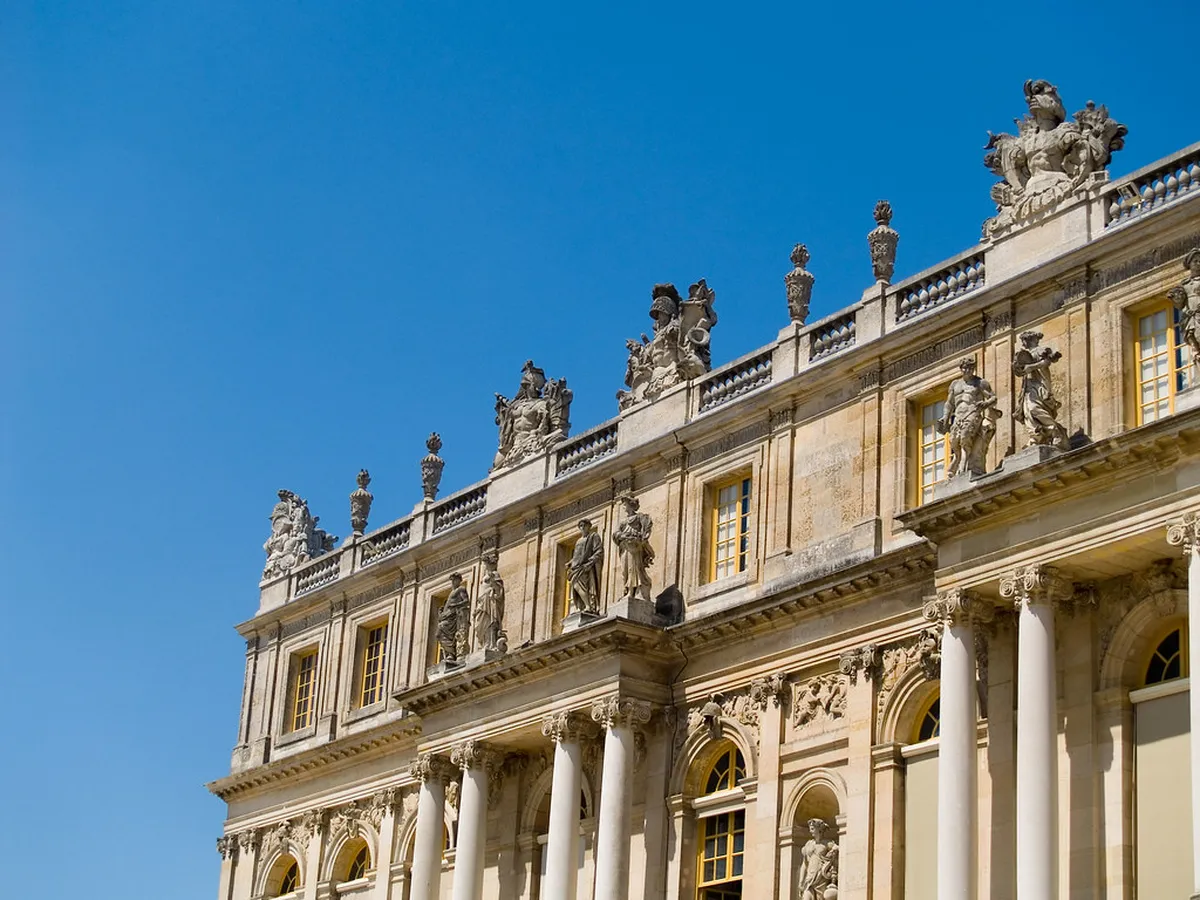
The Palace of Versailles stands as a masterpiece of French royal design and grand architecture. Capturing its beauty requires specific photographing palace architecture Versailles advice for every visiting artist in 2025. You must plan your visit carefully to manage the heavy crowds and the changing light. This comprehensive guide will help you master the complex visual elements of this historic site.
Understanding the layout of the royal estate is essential for any photographer planning a successful session. The main palace features symmetrical facades that demand precise framing and a very steady shooting hand. You will find that the best compositions often combine architectural lines with the surrounding manicured gardens. Read our Versailles architecture photography tips to prepare for your upcoming creative journey.
Essential Gear for Palace Photography
Choosing the right camera gear is the first step for a successful shoot at the palace. A wide-angle lens is essential for capturing the massive scale of the ornate royal rooms. Most photographers prefer a focal length between sixteen millimeters and thirty-five millimeters for these grand interiors. This specific gear allows you to include ceiling murals and marble floors in one single frame.
Light plays a vital role in how the golden ornaments appear in your final digital images. Morning light creates a soft glow on the palace facade facing the vast and open Royal Court. Late afternoon light is better for the western side and the world-famous Hall of Mirrors. You should track the sun's position to avoid harsh shadows on the intricate stone carvings.
Bring a clean microfiber cloth to keep your lens free of dust in the outdoor garden areas. Versailles can be quite windy which often kicks up gravel from the wide and dusty walking paths. A steady hand is helpful since tripods are usually restricted inside the historic and crowded building. Check the current rules for any changes regarding professional camera equipment before you arrive at the gate.
Polarizing filters help reduce glare on the many windows and gilded surfaces throughout the royal palace. These filters also make the blue sky pop against the white stone of the Grand Trianon buildings. High-speed memory cards are necessary because you will likely take hundreds of photos during your visit. Ensure your batteries are fully charged to last through a long day of exploring the grounds.
Best Angles for Versailles Photography
Finding unique perspectives at this popular landmark requires patience and a very keen eye for detail. The Royal Chapel offers soaring vertical lines that look impressive when shot from a lower camera angle. You should aim to capture the contrast between the white stone and the colorful ceiling paintings. Finding the best angles for Versailles photography will make your portfolio stand out from others.
The Hall of Mirrors is arguably the most challenging room to photograph due to the extreme reflections. Position yourself in the center of the gallery to emphasize the perfect symmetry of the seventeen windows. Wait for a brief gap in the tourist traffic to capture the full length of the room. Using a small aperture will ensure that both the mirrors and the chandeliers remain in sharp focus.
Step outside to the Water Parterre for a classic shot of the palace reflecting in the pools. This location provides a clear view of the entire western facade during the beautiful golden hour. Align the central axis of the palace with the reflection for a balanced and professional composition. The symmetry of the architecture creates a powerful visual impact when framed with the water below.
Do not forget to explore the smaller courtyards tucked away from the main tourist flow. These hidden areas offer intimate views of the classic French windows and the decorative slate roofs. Look for interesting patterns in the cobblestones to use as leading lines in your architectural compositions. These quiet spots allow for more creative experimentation without the pressure of the heavy palace crowds.
Mastering Light in the Hall of Mirrors
The Hall of Mirrors is the crown jewel of the palace and a highlight for every photographer. Lighting here changes drastically throughout the day as the sun moves across the massive garden windows. Morning light provides a gentle illumination that highlights the subtle textures of the ancient silvered glass. Afternoon light creates dramatic flares and high contrast between the shadows and the bright golden leaf.
You must adjust your white balance settings to handle the mixture of natural and artificial light. The golden decorations can sometimes cause the camera to produce images with an unwanted orange tint. Shooting in RAW format gives you the flexibility to correct these colors during your post-processing work. Pay close attention to the exposure meter to avoid blowing out the highlights on the gilded frames.
Wide shots are popular but do not ignore the many small details found within this grand gallery. Focus your lens on the intricate carvings of the candle stands or the detailed door handles. These close-up shots tell a story of the craftsmanship that went into building this royal residence. Use a wide aperture to blur the background and draw the viewer's eye to specific architectural elements.
Patience is your best tool when trying to capture this room without hundreds of other visitors. Try to be among the first people to enter the palace when the doors open each morning. Alternatively, stay until the very end of the day when the security guards start clearing the rooms. This strategy provides a few precious seconds of empty space for your clean architectural photographs.
Pro Photographing Palace Architecture Versailles Advice
Capturing the true essence of Baroque architecture in Versailles requires an understanding of scale and ornate decoration. Focus on the repeating patterns found in the marble walls and the heavy velvet draperies. These elements define the lavish style that King Louis XIV used to showcase his absolute power. Use the primary keyword for your metadata to improve the search rankings of your online gallery.
Look for framing opportunities through the many arched doorways that connect the different royal apartments. This technique adds depth to your photos and gives the viewer a sense of the palace layout. Frame a distant statue or a colorful mural through a foreground arch to create a layered effect. This approach helps to organize the complex visual information present in every palace room.
The ceilings of the palace are just as important as the walls for architectural photographers. Each room features a unique masterpiece painted by the most famous artists of the seventeenth century. Point your camera directly upward to capture the full scope of these dramatic and colorful sky scenes. Ensure your camera is perfectly level to avoid distorting the rectangular frames of the ceiling panels.
Pay attention to the materials used throughout the palace such as gold, marble, and polished wood. Each material reacts differently to light and requires specific technical adjustments for the best results. Gold leaf reflects light intensely while dark marble absorbs it and creates deep and moody shadows. Balancing these extremes is the mark of a truly skilled architectural photographer in this royal environment.
Managing Crowds During Your Photo Session
Crowds are a constant challenge when you are visiting one of the most popular sites in France. You should plan your route through the palace to avoid the largest groups of guided tours. Start with the areas furthest from the entrance and work your way back toward the start. This reverse strategy often puts you in quieter rooms while others are still at the beginning.
Long exposure photography can help you make moving people disappear from your architectural shots. You will need a neutral density filter to achieve a slow shutter speed during the day. This technique works best in large areas like the Hall of Mirrors or the Royal Chapel. It allows the static architecture to remain sharp while the moving tourists become a faint blur.
Alternatively, you can embrace the crowds to show the scale and popularity of the historic site. Include people in your frames to provide a sense of perspective for the massive doors and windows. This lifestyle approach to architectural photography adds a human element to the cold and formal stone. Just ensure the people do not block the most important structural features of your chosen composition.
Consider visiting the palace on a weekday during the low season months of winter or late fall. The number of daily visitors drops significantly compared to the busy summer and spring holidays. You will have more space to set up your shots and more time to focus on details. The winter light also provides a unique and soft quality that looks beautiful on the palace walls.
Photographing the Grand Trianon Architecture
The Grand Trianon offers a different style of Versailles palace architecture that is more intimate and colorful. This pink marble palace features a beautiful peristyle that is perfect for capturing architectural symmetry and light. The columns create a rhythmic pattern that looks stunning when photographed from one end of the gallery. This building provides a refreshing contrast to the gold and heavy decor of the main palace.
Explore the gardens surrounding the Trianon to find different perspectives of this elegant and royal structure. The geometric flower beds provide excellent foreground interest for your wide-angle architectural shots in 2025. Look for reflections of the pink marble in the nearby ponds during the quiet morning hours. These outdoor sessions are often more relaxed than shooting inside the crowded main palace building.
The interiors of the Grand Trianon are filled with Empire-style furniture and bright yellow silk walls. These colors require careful exposure to ensure the vibrant tones are captured accurately in your camera. Use a tripod if you have permission to shoot in the gardens for maximum image sharpness. The combination of nature and architecture here is a highlight for any serious travel photographer.
End your photo tour at the Queen's Hamlet for a completely different architectural style in Versailles. This rustic village features thatched roofs and timber-framed houses that look like a fairy tale scene. It provides a humble contrast to the grand scale of the main palace and royal courts. Capturing this variety will make your photography collection of the Versailles estate truly complete.
Frequently Asked Questions
What is the best time for photography at the Palace of Versailles?
The best time for photography is immediately after the palace opens at nine in the morning. Arriving early allows you to capture the grand rooms before the largest crowds arrive. Late afternoon also offers beautiful golden light for the garden facades and the Hall of Mirrors.
Are tripods allowed inside the Palace of Versailles?
Tripods are generally not permitted inside the palace rooms to protect the historic floors and visitors. You should rely on high ISO settings and steady hands for your interior architectural shots. You may use a tripod in the outdoor gardens if you do not block the paths.
Which lens is best for photographing Versailles architecture?
A wide-angle lens between sixteen and thirty-five millimeters is best for most palace interiors. This lens allows you to capture the massive scale of the rooms and the tall ceilings. A prime lens is also useful for capturing the small and intricate details of the decor.
Is flash photography allowed in the Hall of Mirrors?
Flash photography is strictly prohibited inside all areas of the Palace of Versailles to protect the art. The bright light from flashes can damage the ancient paintings and the delicate fabrics over time. You must use the available natural light or increase your camera's light sensitivity settings.
Photographing the Palace of Versailles is a rewarding challenge for any dedicated architectural photographer in 2025. By following this photographing palace architecture Versailles advice, you can capture stunning images of this French icon. Remember to focus on symmetry, lighting, and the small details that make the palace unique. Start planning your trip today to build an incredible portfolio of royal French design.
Key Takeaways
- Use a wide-angle lens to capture the massive scale of the royal rooms.
- Arrive early in the morning to avoid the heaviest tourist crowds.
- Focus on the symmetrical lines in the Hall of Mirrors and Chapel.
- Check the 2025 rules for professional camera equipment before your visit.
Related reads: streetartly.com, street art and architecture in versailles, street art photography techniques versailles.