
Expert Guide to Versailles Palace Architecture
Discover the secrets of Versailles Palace architecture in 2025. Learn about Baroque design and iconic royal features in this comprehensive expert guide today.
On this page
Versailles Palace architecture represents the peak of French royal power and artistic vision during the seventeenth century. This grand estate transformed from a simple hunting lodge into a massive symbol of absolute monarchy. Visitors today still marvel at the scale and beauty of this historic French landmark near Paris. You can explore the fascinating history of Versailles Palace architecture to understand its royal evolution over many decades.
The palace stands as a masterpiece of design that influenced royal residences across the entire European continent. Every hall and garden reflects the immense ambition of King Louis XIV and his talented architectural team. Planning a visit in 2025 requires understanding how these structures fit together within the massive royal estate. This guide will provide deep insights into the structural elements that make Versailles a unique global treasure.
The Evolution of French Baroque Design
The primary style of the palace is a refined version of the classic French Baroque movement. This style emphasizes symmetry and grandeur to project a sense of order and eternal royal strength. Architect Louis Le Vau initially led the transformation of the site for the young King Louis XIV. You can learn more about Baroque architecture in Versailles to appreciate these early structural decisions.
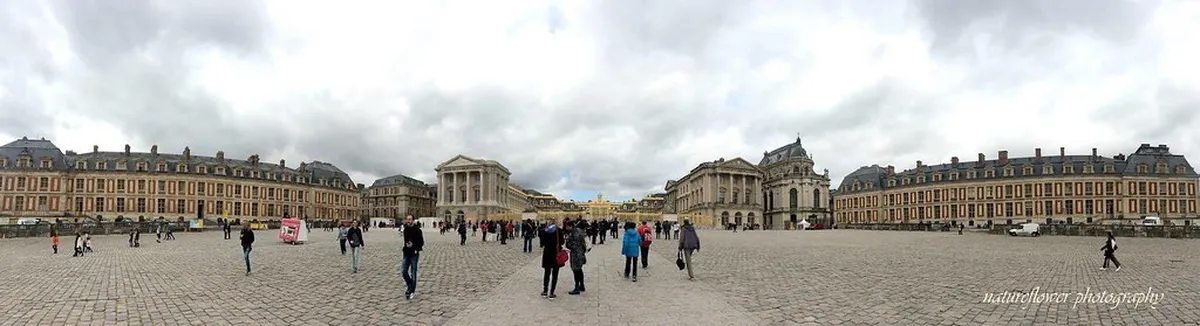
Later expansions were managed by Jules Hardouin-Mansart who added the massive north and south wings for the court. These additions created a long facade that stretches impressively across the landscape of the formal French gardens. The exterior uses local limestone which glows with a warm golden hue during the sunset hours in France. Heavy stone columns and arched windows provide a rhythmic pattern that defines the iconic look of the building.
The roofline features elaborate sculptures and gold-leaf details that catch the sunlight from many miles away. These decorative elements were designed to impress foreign dignitaries and show the incredible wealth of the French crown. Stone carvings of ancient gods and royal emblems cover the walls to tell stories of power and victory. This detailed masonry work required thousands of skilled craftsmen working for several decades to complete the project.
Inside the palace, the Baroque style continues with marble floors and painted ceilings that depict scenes from mythology. The use of light is essential to the architectural design of the main royal residence buildings. Large windows allow natural light to reflect off gilded surfaces and create a brilliant atmosphere in every room. Every corner of the structure serves a specific purpose in the daily life of the royal court.
Modern visitors should notice how the architecture transitions from the original brick lodge to the massive stone palace. The older sections use red brick with stone framing which provides a sharp contrast to the later additions. This mix of materials shows the organic growth of the estate over several different royal construction phases. It remains a prime example of how architecture can define the identity of a whole nation.
The Structural Magic of the Hall of Mirrors
The Hall of Mirrors is arguably the most famous room within the entire Versailles Palace architecture design. It measures seventy-three meters in length and features seventeen massive arched windows looking over the palace gardens. Directly opposite these windows are seventeen identical arches containing over three hundred individual glass mirror panels. This layout was a revolutionary engineering feat during the late seventeenth century when mirrors were extremely expensive.
Architect Jules Hardouin-Mansart designed this space to serve as a grand passageway for the royal family and guests. The mirrors capture the outdoor light and make the interior space feel much larger and more open. You can see key architectural features of Versailles Palace within this specific hall during your 2025 tour. The ceiling displays paintings by Charles Le Brun that celebrate the early successes of the Sun King.
Gilded bronze sculptures of children and gods hold up massive crystal chandeliers along the length of the hall. These lighting fixtures were designed to reflect in the mirrors and create a dazzling effect during evening balls. The parquet flooring uses high-quality oak arranged in intricate patterns to withstand the movement of hundreds of courtiers. Every element was carefully placed to ensure the room looked perfect from every possible viewing angle.
The hall also served as a strategic political space where the king could meet with his various ministers. Its width and height were calculated to provide excellent acoustics for private conversations and public royal announcements. The marble pilasters between the mirrors feature bronze capitals that represent the unique French artistic style of the era. This attention to detail ensured that the Hall of Mirrors remained the centerpiece of the royal palace.
Today, the hall remains the most photographed area of the estate due to its incredible symmetry and light. It costs nothing extra to enter once you have purchased your general admission ticket for the main palace. Expect significant crowds during the middle of the day in the peak summer travel months of July. Visiting early in the morning allows you to appreciate the architectural details without being blocked by other tourists.
The Private World of the Trianon Estates
The Trianon estates offer a more intimate look at Versailles Palace architecture away from the main public building. King Louis XIV built the Grand Trianon as a private retreat where he could escape from strict court life. This structure uses pink marble for its columns and features a unique open-air gallery in the center. The Grand Trianon architecture details showcase a lighter and more colorful side of royal design.
Further into the park sits the Petit Trianon which was designed for the mistress of King Louis XV. This building follows the Neoclassical style which focuses on simple geometric shapes and very clean architectural lines. It lacks the heavy gold decorations of the main palace and focuses on elegance and refined natural beauty. Marie Antoinette later used this space as her favorite private home within the vast royal estate grounds.
The surrounding gardens for the Trianons are less formal than the main palace gardens near the royal residence. They feature winding paths and small cottages that mimic the look of a traditional French rural village landscape. This contrast between the massive main palace and the smaller estates is a key part of the design. It shows the varied tastes of the different kings who lived at Versailles over the long centuries.
Walking between these buildings takes about twenty-five minutes from the main palace entrance through the garden paths. You can also take a small electric train that runs between the different locations for a small fee. This allows you to see the architectural changes as you move through the different sections of the park. The Trianon estates are often less crowded than the main palace and offer a peaceful atmosphere.
Architecturally, the Petit Trianon is considered one of the finest examples of the transition to the Neoclassical period. Its four facades are all slightly different to match the specific view from each side of the building. You can find more about Petit Trianon architectural styles in our detailed guide for history lovers. These buildings represent the evolution of French taste toward more modern and less cluttered design concepts.
The Role of the Royal Chapel and Opera
The Royal Chapel is a stunning two-story structure that stands out from the rest of the palace roofline. Its high vaulted ceiling and white marble floors create a sense of verticality and spiritual reaching toward heaven. The upper level was reserved for the royal family while the court stood on the ground floor below. This layout reinforced the social hierarchy that governed every aspect of life at the Versailles royal court.
Later in the history of the palace, the Royal Opera was built to host grand theatrical and musical performances. It was constructed almost entirely of wood that was painted to look like expensive colored marble for guests. This choice of material provided incredible acoustics that still impress modern musicians and opera fans in 2025. The stage equipment was revolutionary for its time and allowed for rapid scene changes during various royal shows.
The Opera can be transformed into a ballroom by raising the floor to the same level as the stage. This mechanical versatility is a hallmark of late Versailles Palace architecture and engineering during the reign of Louis XVI. Its blue and gold interior colors provide a royal atmosphere that is distinct from the red and gold palace. Seeing the interior of the Opera usually requires booking a specific guided tour of the private apartments.
The exterior of the Chapel features a series of tall windows and flying buttresses that hint at Gothic influences. These elements blend with the Baroque facade to create a unique religious space within the secular palace grounds. Large stone statues of the apostles sit along the roofline to guard the sacred space from the elements. It remains one of the most beautiful vertical elements in the otherwise horizontal palace layout.
Visitors often overlook these structures in favor of the Hall of Mirrors but they are equally significant designs. The Chapel is typically the first large room you see after passing through the main security check entrance. Take a moment to look up at the intricate ceiling frescoes that depict scenes from the Holy Bible. These details show that religion remained a central pillar of French royal identity and architectural expression.
Designing the Gardens and External Structures
The gardens of Versailles are an extension of the architecture and follow the same strict rules of symmetry. Landscape architect Andre Le Notre worked closely with the building architects to ensure a perfectly unified visual experience. The main axis of the garden aligns with the center of the palace and stretches toward the horizon. This design creates a sense of infinite power that the king wanted to project to all visitors.
Dozens of fountains are scattered throughout the gardens and serve as architectural focal points for different garden rooms. These fountains use complex hydraulic systems to push water high into the air during special musical shows. You can find famous Versailles monuments and architecture within these green spaces if you explore the hidden groves. Each fountain tells a story from ancient mythology through bronze and lead sculptures of gods and animals.
The Orangerie is another significant architectural feature located just below the south wing of the main palace building. It features a massive vaulted ceiling that keeps exotic citrus trees warm during the cold French winter months. The thick walls and southern exposure allow the building to maintain a stable temperature without using modern heating. This structure shows how royal architects solved practical problems with elegant and very durable masonry solutions.
Massive staircases connect the different levels of the garden and provide spectacular views of the palace facade from below. These stone steps are wide enough for entire groups of courtiers to walk together during royal garden parties. The use of terraces allows the viewer to see the entire garden layout from the palace windows above. This tiered design is essential for understanding the scale of the Versailles Palace architecture project.
If you enjoy capturing images of these structures, check out Versailles architecture photography tips before you arrive at the gates. The best time for photos is early morning when the sun hits the east facade of the building. The gardens offer endless angles to view the palace through the framing of trees and marble statues. Exploring the full extent of the gardens takes several hours of walking on gravel paths.
Frequently Asked Questions
What is the main architectural style of Versailles Palace?
The main style of the palace is French Baroque which focuses on symmetry and grand scales. This style uses heavy stone columns and gilded decorations to project royal power. Most of the structure was built during the reign of Louis XIV in the seventeenth century.
Who were the primary architects of the Palace of Versailles?
The project was led by Louis Le Vau and later by Jules Hardouin-Mansart for the king. Andre Le Notre was responsible for the architectural layout of the massive formal gardens. Charles Le Brun managed the interior design and the famous ceiling paintings throughout the palace.
Can you visit the architecture of the Trianon estates separately?
Yes, the Trianon estates have their own entrance and require a specific ticket for access. They are located about twenty-five minutes by foot from the main palace entrance gates. These buildings offer a more private and less crowded look at royal architectural history.
Are the gardens considered part of the Versailles Palace architecture?
Yes, the gardens were designed as an outdoor extension of the palace buildings and follow symmetry. The fountains and Orangerie are key structural elements that match the main Baroque style of the residence. They were planned together to create a unified royal experience for visitors.
Versailles Palace architecture remains a powerful testament to the artistic and political history of France. From the grand Hall of Mirrors to the quiet Petit Trianon, every building tells a unique story. Plan your 2025 trip early to ensure you have enough time to explore all these historic sites. You can find more hidden architectural gems in Versailles to make your visit truly special and memorable. This estate is not just a palace but a massive masterpiece of global architectural design.
Key Takeaways
- Book tickets in advance for 2025 to avoid long wait times.
- Visit the Hall of Mirrors early in the morning for photos.
- The Trianon estates offer a quieter look at royal architecture.
- The gardens are as architecturally significant as the palace itself.
- Use the small train to save time when visiting distant buildings.