
Petit Trianon Architectural Styles Versailles Guide
Discover the petit Trianon architectural styles Versailles in this 2025 guide. Learn about Neoclassical design and royal history. Visit Versailles today!
On this page
The Petit Trianon represents a major shift in French design history. It showcases the transition from heavy Baroque to light Neoclassical forms. Visitors in 2025 can still see this remarkable architectural harmony today. This guide explores the petit Trianon architectural styles Versailles for every traveler.
King Louis XV commissioned this building as a private sanctuary. It stands away from the main palace for peace and quiet. The architect designed it to be both simple and elegant. You will find it near the Grand Trianon within the royal gardens.
The Origins of Neoclassical Design
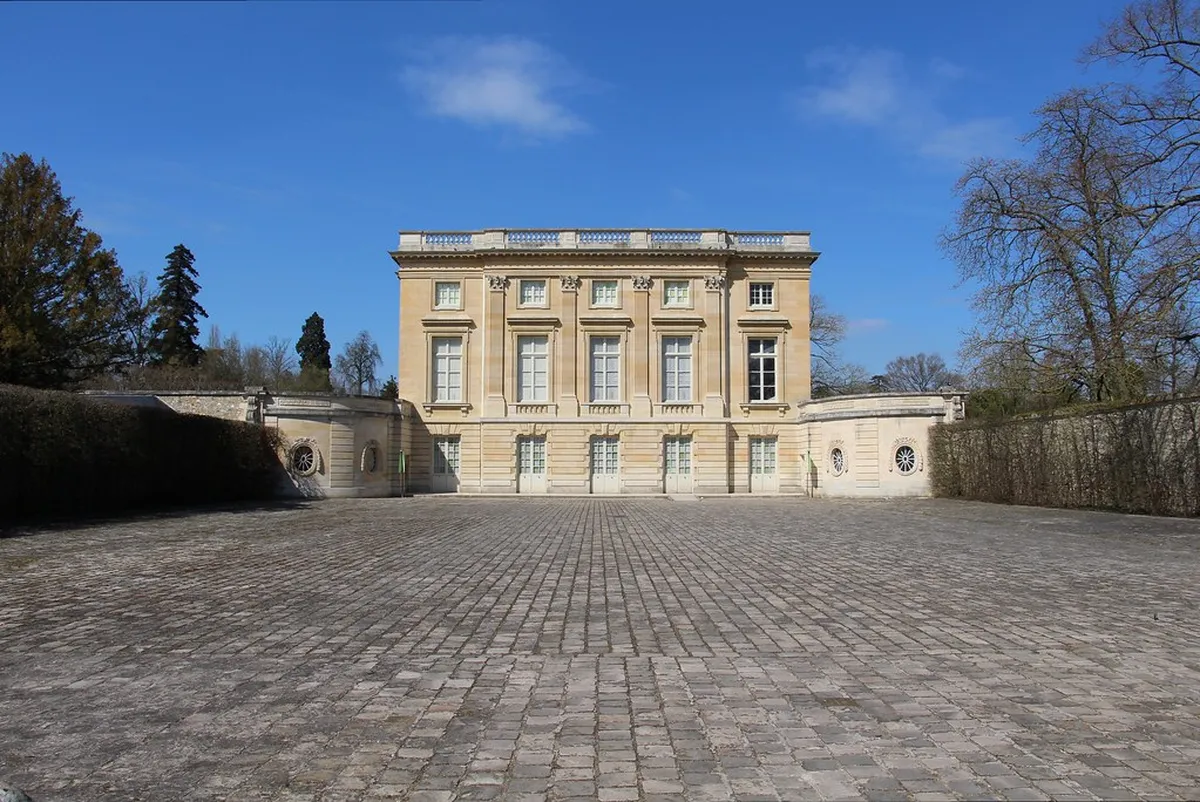
The Petit Trianon is a masterpiece of the early Neoclassical movement. This style looked back to ancient Greek and Roman traditions. It emphasizes straight lines rather than the curves of previous eras. You can see how Versailles Palace architecture began to change here.
During the 1760s, designers wanted a return to classic simplicity. They moved away from the complex and busy Rococo decorations. The Petit Trianon became the ultimate example of this new aesthetic. It focused on balance, symmetry, and very clear geometric proportions.
The building follows a strict square plan on all sides. This layout creates a sense of order and calm strength. Architects during this time valued logical shapes and mathematical precision. Every window and door aligns perfectly to create a unified look.
Stone and wood materials were used to show natural beauty. The light-colored stone catches the sun during the golden hour. It provides a soft glow that highlights the delicate carvings. This subtle approach was revolutionary for the French royal court.
Ange-Jacques Gabriel and His Vision
Ange-Jacques Gabriel was the lead architect for this royal project. He served as the Premier Architect to the King of France. Gabriel wanted to create a building that felt intimate and grand. He is one of the most famous architects of Versailles Palace history.
His work on the Petit Trianon started in 1762. The construction took six years to complete in total. Gabriel focused on the harmony between the building and nature. He ensured the palace did not overwhelm its garden setting.
Gabriel utilized Corinthian columns to add a touch of dignity. These columns appear on the main facades of the structure. They represent the classic orders of ancient Mediterranean architecture. His design choices influenced European buildings for many decades later.
The architect also integrated modern comforts for the royal family. He included hidden staircases and clever service areas for staff. These features allowed the royals to enjoy true private moments. Gabriel successfully blended luxury with functional living spaces for 1768.
Analyzing the Four Unique Facades
One unique feature is that each facade has a different look. The architect designed them to match the surrounding garden views. This variation adds visual interest as you walk around it. Each side offers a new perspective on the overall structure.
The west facade faces the French garden with tall columns. These columns support a grand pediment at the very top. It looks like a classic temple from the ancient world. This side is often considered the most formal entry point.
The south facade overlooks the courtyard and the main entrance. It features flat pilasters instead of free-standing columns. This design feels more grounded and solid to the viewer. It creates a welcoming feel for arriving guests and visitors.
- North Facade: Simplest design without any columns or pilasters.
- East Facade: Faces the botanical gardens with very clean lines.
- West Facade: Features the most grand Corinthian columns.
- South Facade: Serves as the primary entrance for the royal family.
The Transition from Rococo to Neoclassicism
This building marks the end of the ornate Rococo period. Previous styles focused on shells, flowers, and asymmetric curves. The Petit Trianon rejected these busy details for cleaner surfaces. It shares some traits with Grand Trianon architecture details Versailles but stays more modern.
Rococo was often seen as overly feminine and very busy. Neoclassicism brought a more masculine and structured feeling back. You can see this in the flat walls and corners. The decoration is limited to specific areas like the window frames.
Inside, the transition is even more visible to the eye. The wood panels feature Greek key patterns and laurel leaves. These motifs replaced the wild vines and gilded scrolls. The colors shifted to muted grays, whites, and soft greens.
This shift reflected a change in the French social mood. People wanted more logic and less excess in their surroundings. The Petit Trianon captured this desire perfectly during the 1770s. It remains a physical timeline of changing royal artistic tastes.
Interior Harmony and Royal Privacy
The interior layout emphasizes privacy above all other needs. Small rooms create a cozy atmosphere for the French queen. Marie Antoinette loved this space because it felt like home. She could escape the rigid rules of the main palace.
The grand staircase is a highlight of the interior design. It features a beautiful wrought iron railing with gold details. The stone steps feel light despite their heavy weight. This area connects the private apartments to the public salons.
Furniture was specially made to fit the Neoclassical rooms perfectly. Designers used mahogany wood and marble tops for many pieces. The fabrics often featured stripes and small floral patterns. These elements created a unified and very sophisticated living environment.
Large windows allow natural light to fill every single room. This creates a bright and airy feeling during the day. It also offers constant views of the lush green gardens. The architecture brings the outside world into the royal home.
Integrating the Garden Landscape
The Petit Trianon does not sit alone in the park. It is part of a larger landscape design project. The gardens were shaped to complement the Neoclassical building style. This creates a seamless flow between stone and green nature.
Marie Antoinette added the English-style gardens in the late 1770s. These gardens feature winding paths and many hidden streams. They contrast with the straight lines of the palace building. This mix of styles was very trendy in 2025 eyes.
Nearby structures like the Temple of Love add classic charm. These small buildings use the same architectural language as the Trianon. They serve as focal points within the vast garden landscape. Walking between them feels like a trip through history.
The Queen's Hamlet is the most famous garden addition. It features rustic cottages that look like a small village. This area shows a different side of the royal lifestyle. It balances the formal architecture with a more natural setting.
Frequently Asked Questions
What is the primary architectural style of the Petit Trianon?
The primary style is Neoclassical, which emerged in the mid-18th century. It focuses on Greek and Roman elements like columns and symmetry. This was a move away from the earlier Baroque and Rococo styles.
Who was the architect of the Petit Trianon?
Ange-Jacques Gabriel was the architect who designed this famous building. He was a master of the history of Versailles Palace architecture. He designed it for King Louis XV between 1762 and 1768.
How much does it cost to visit the Petit Trianon in 2025?
A ticket to the Estate of Trianon costs about 12 euros. This includes entry to the Petit Trianon and the Queen's Hamlet. You should check the official website for current opening hours.
Is the Petit Trianon different from the Grand Trianon?
Yes, they are two distinct buildings with different styles. The Grand Trianon is Baroque and uses pink marble widely. The Petit Trianon is Neoclassical and uses pale French limestone.
The Petit Trianon is a jewel of Neoclassical design in France. It offers a unique look at the private lives of royalty. Understanding the petit Trianon architectural styles Versailles enriches any visit to the estate. Plan your trip to Versailles in 2025 to see it yourself!
Key Takeaways
- The Petit Trianon is a prime example of early Neoclassical architecture.
- Architect Ange-Jacques Gabriel designed the four facades to be unique.
- The building represents a shift toward symmetry and simple geometric shapes.
- It served as a private retreat for Marie Antoinette and Louis XV.
- The estate includes the rustic Queen's Hamlet and English-style gardens.
Related reads: streetartly.com.