
Famous Architects of Versailles Palace Guide
Discover the famous architects of Versailles palace. Learn about the masters behind France's most iconic royal home. Plan your 2025 cultural tour now!
On this page
The Palace of Versailles stands as a magnificent example of French Baroque architecture near the city of Paris. King Louis XIV wanted a palace that would show the world his absolute power and royal wealth. Many famous architects of Versailles palace spent decades turning a simple hunting lodge into a global masterpiece. These creative minds shaped the history of European design for many generations after the palace was built.
Visitors in 2025 can still see the grand vision of these talented men across the massive royal estate. The project required perfect coordination between architects, landscape designers, and famous artists from across the French kingdom. Understanding these individuals helps you appreciate the tiny details found in every corner of the royal residence. Their combined efforts created a site that remains a symbol of national pride for all of France.
This guide explores the primary figures who designed the various sections of this legendary French royal monument. You will learn about the men who built the halls, planted the gardens, and decorated the golden rooms. Each person brought a unique skill that contributed to the overall harmony of the entire palace complex. Let us dive into the lives and works of the most famous architects of Versailles palace.
Louis Le Vau and the Early Expansion
Louis Le Vau was the first major architect hired by King Louis XIV for this massive royal project. He began the grand transformation of the original hunting lodge into a sprawling palace for the royal court. His most famous contribution was the design of the "Envelope" that surrounded the old brick buildings. This work established the core structure of the history of Versailles palace architecture during the 1660s.
Le Vau focused on creating a sense of balance and symmetry throughout the early stone palace walls. He used the classical style to give the building a formal and very impressive appearance from the gardens. His designs for the King and Queen's apartments showcased the luxury expected by the French royal family. These rooms featured high ceilings and large windows to let in plenty of natural French sunlight.
The architect worked closely with other experts to ensure the palace could hold thousands of noble guests. He had to solve many difficult engineering problems while building on the marshy ground near the local city. His success allowed the King to move his entire government from Paris to the countryside of Versailles. Today, the white stone facades he designed still catch the golden glow of the setting French sun.
Le Vau passed away before the palace reached its final size and most famous state of completion. However, his initial floor plans provided the essential foundation for all the famous architects who followed him. He proved that French architects could build grander structures than any other designers in the modern world. His legacy remains visible in the central parts of the palace that face the Marble Court.
Jules Hardouin-Mansart and the Hall of Mirrors
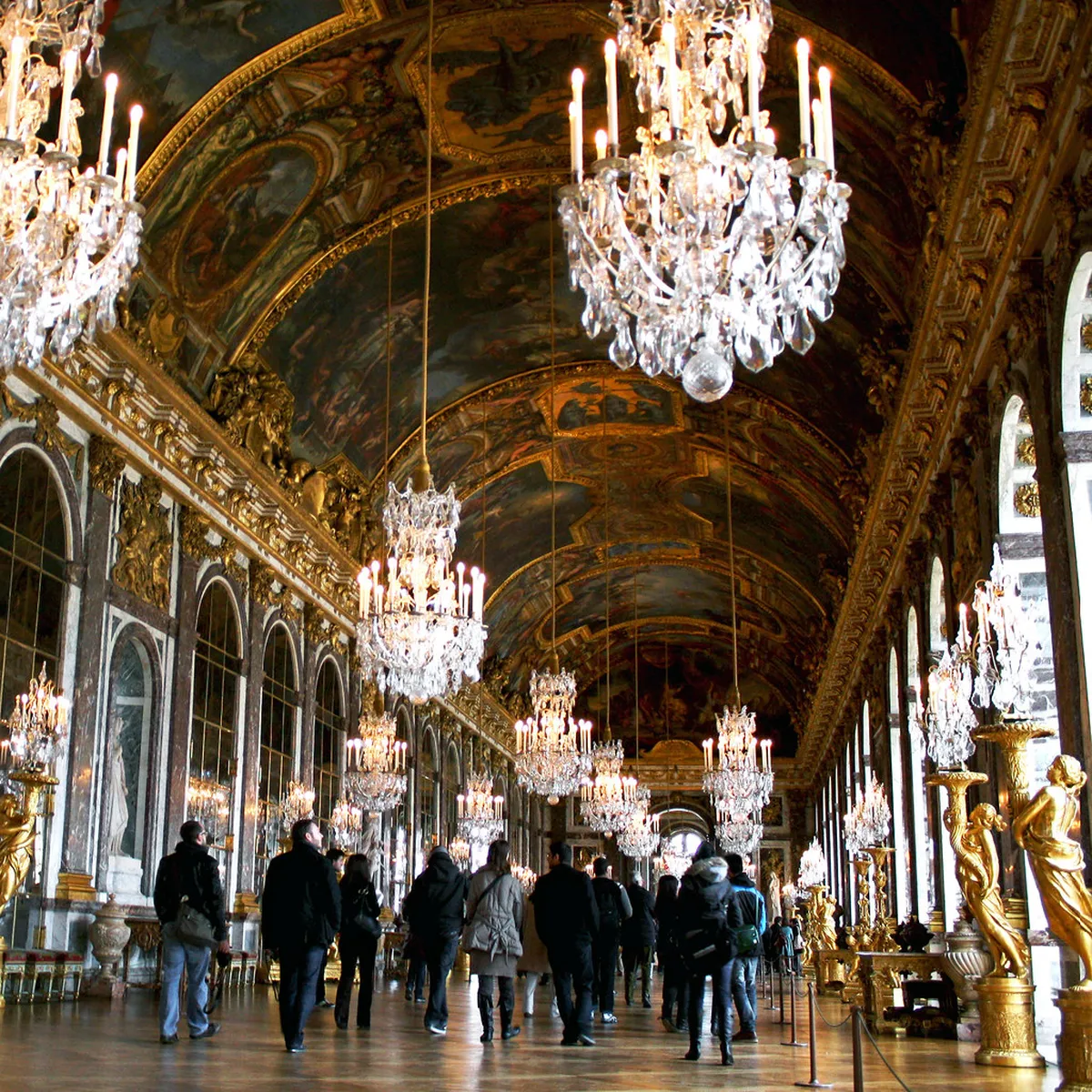
Jules Hardouin-Mansart took over the project in 1678 and became the King's most trusted royal architect. He is the genius behind the most key architectural features Versailles palace offers visitors today. His most famous creation is the Hall of Mirrors, which contains hundreds of high-quality glass panels. This long gallery served as a place for grand ceremonies and impressive royal meetings for many years.
Mansart also designed the massive North and South wings to provide more space for the growing royal court. These additions made the palace much larger and more imposing than any other royal residence in Europe. He managed thousands of workers at once to ensure the construction stayed on the King's tight schedule. His ability to lead such a huge project made him a legendary figure in French architectural history.
The Royal Chapel is another stunning example of Mansart's skill in blending different architectural styles together seamlessly. This building features a beautiful vaulted ceiling and a striking white marble floor for the royal family's prayers. It was one of the last major projects he completed before his death in the early eighteenth century. The chapel still stands as a testament to the religious devotion and wealth of the French monarchy.
In addition to the main palace, Mansart designed the Grand Trianon as a private retreat for the King. This smaller building features beautiful pink marble columns and large windows that look out onto the palace gardens. It offered the King a place to escape the strict rules of the court for a short time. Most visitors in 2025 find this building to be one of the most peaceful spots on site.
André Le Nôtre and the Royal Gardens
André Le Nôtre was the master landscape architect who designed the world-famous gardens surrounding the grand royal palace. He believed that nature should be ordered and perfectly symmetrical to reflect the power of the French King. His designs include long paths, shaped trees, and many beautiful fountains that delight visitors from all around. He spent many decades refining the layout of the groves and the massive Grand Canal at Versailles.
The gardens cover over 800 hectares of land and require constant care from a team of expert French gardeners. Le Nôtre used clever optical illusions to make the gardens appear even larger than they actually are. He moved huge amounts of earth to create flat terraces where the land was once very uneven. His work turned a swampy forest into one of the most beautiful parks in the entire world.
Water plays a major role in the garden designs created by this famous architect of Versailles palace. He designed a complex system of pipes to bring water from the river to the many royal fountains. The fountains often feature statues of Greek gods and mythical creatures made of bronze and fine lead. Watching the water shows is still a highlight for people visiting the palace grounds in the year 2025.
Le Nôtre worked in perfect harmony with the building architects to create a unified royal landscape for the King. The paths in the garden align perfectly with the windows and doors of the main palace structure. This design allows the King to look out and see his entire domain stretching into the far distance. His style of the French formal garden influenced royal parks across Europe for more than a century.
Charles Le Brun and Interior Design
Charles Le Brun served as the chief painter and interior designer for the entire Palace of Versailles project. He was responsible for the visual harmony inside every room, from the floors to the very high ceilings. He worked closely with the architects to ensure the decorations matched the grand scale of the stone buildings. His paintings often celebrate the military victories and the wise rule of King Louis XIV for all.
Le Brun managed the Manufacture des Gobelins, where skilled craftsmen created furniture, tapestries, and beautiful silver items. Every chair, table, and mirror was designed to be a work of art in its own right. He used expensive materials like gold, marble, and rare woods to create a truly royal atmosphere inside. This attention to detail is why the grand trianon architecture details versailles displays are so impressive.
The Ambassador's Staircase was one of his most incredible interior designs before it was sadly destroyed years later. It featured colorful marble and large paintings that made a huge impression on visitors arriving at the palace. Even today, his work in the State Apartments continues to amaze millions of tourists who walk through them. His artistic vision defined the look of the French court during the peak of the golden age.
Le Brun believed that every part of the palace should tell a story about the greatness of France. He chose specific colors and symbols to represent different themes like peace, war, and the power of light. His influence was so strong that he controlled almost every artistic decision made at Versailles for twenty years. No other artist had as much impact on the interior beauty of the royal residence as him.
Ange-Jacques Gabriel and the Petit Trianon
Ange-Jacques Gabriel was a famous architect who worked at Versailles during the reign of King Louis XV later on. He introduced a new style known as Neoclassicism, which used simpler lines and more balanced proportions for buildings. His most famous work on the royal estate is the Petit Trianon, located in the palace gardens. This building shows the shift away from the highly decorated Baroque style toward a more elegant look.
The Petit Trianon was designed to be a private home where the King could enjoy a quiet life. It features four different facades that each look unique depending on which side of the building you view. You can explore these petit trianon architectural styles versailles on your next trip. The interior rooms are smaller and feel more comfortable than the massive halls found in the main palace.
Gabriel also designed the Royal Opera House, which is one of the most beautiful wooden theaters in the world. He used clever painting techniques to make the wooden walls look like expensive marble to save the King money. The theater has excellent acoustics and is still used for special musical performances and grand royal events today. It was completed just in time for the wedding of the future King Louis XVI in 1770.
His work represents the final major stage of construction before the start of the French Revolution changed everything forever. Gabriel managed to modernize the palace while still respecting the original designs created by the earlier famous architects. His buildings are often considered the most refined and elegant structures on the entire royal grounds in Versailles. They offer a peaceful contrast to the heavy gold decorations found in the older parts of the palace.
Frequently Asked Questions
Who was the most famous architect of Versailles?
Jules Hardouin-Mansart is often considered the most famous architect because he designed the iconic Hall of Mirrors. He oversaw the largest expansion of the palace during the height of King Louis XIV's long reign. His work defined the grand French Baroque style that people associate with Versailles today. He also completed the Royal Chapel and the Grand Trianon during his time.
What architectural style is the Palace of Versailles?
The Palace of Versailles is the primary example of the French Baroque architectural style from the seventeenth century. This style uses grand scales, dramatic lighting, and very rich decorations to impress every single person who visits. It also includes Neoclassical elements in later buildings like the Petit Trianon designed by Ange-Jacques Gabriel. The mix of styles shows how French tastes changed over many decades.
Did the same person design the palace and the gardens?
No, different experts handled the buildings and the landscapes, but they worked together very closely for the King. Louis Le Vau and Jules Hardouin-Mansart were the primary building architects for the massive stone palace. André Le Nôtre was the genius responsible for designing the formal gardens and the large park area. They coordinated their plans to ensure the windows aligned perfectly with the long garden paths.
The famous architects of Versailles palace created a wonder of the world that still inspires many people today. From the grand halls of Mansart to the elegant gardens of Le Nôtre, every detail serves a royal purpose. You should plan a visit in 2025 to see these architectural masterpieces with your own eyes in France. The palace remains a powerful reminder of the artistic talent and ambition of the famous French monarchy.
Key Takeaways
- Louis Le Vau established the core structure of the palace during the first major expansion.
- Jules Hardouin-Mansart designed the famous Hall of Mirrors and the massive North and South wings.
- André Le Nôtre created the formal French gardens using perfect symmetry and grand water fountains.
- Ange-Jacques Gabriel introduced the Neoclassical style with the elegant Petit Trianon and the Royal Opera.
Related reads: streetartly.com, street art and architecture in versailles, versailles palace architecture.