
Annecy Architectural Styles Guide: French Gems
Explore the Annecy Architectural Styles Guide to see historic French design. Learn about old town gems and Savoyard styles in 2025 today! Visit now.
On this page
Exploring the city reveals a beautiful history through the Annecy Architectural Styles Guide for 2025. Annecy is a beautiful and historic city located within the heart of the French Alps. Visitors often call this place the Venice of the Alps because of the many canals. You will discover many centuries of French history in one single and beautiful place now.
The city features many different types of building designs for every visitor to enjoy. From medieval stone to modern glass, there is much for you to see here. Walking through the streets feels like a trip through time for every single traveler. Use this guide to plan your 2025 French adventure in this stunning alpine town.
Medieval Roots and Old Town Charm
The medieval period left a very lasting mark on the entire city landscape today. Narrow streets wind through the historic center of the old town for visitors to see. Stone bridges cross the canal to connect different neighborhoods throughout the ancient city center. These structures date back many hundreds of years to the start of the Middle Ages.
Arcaded walkways are a very famous feature of the old buildings in the city center. They protected shoppers from the rain and the hot sun many long centuries ago. You can still walk under these arches in the Annecy old town architecture today. The thick stone walls keep the interiors very cool during the hot summer months.
Most houses in the historic center use local limestone and very heavy timber frames. The roofs are built very steep to prevent snow buildup during the cold winter. Bright wooden shutters add a nice touch of color to the grey stone walls. These details define the iconic look of the old French alpine towns even today.
You will notice many small windows on the upper levels of the old houses. Glass was very expensive when these homes were first built in the distant past. Larger windows became much more common in later centuries as building technology finally improved. Look for these interesting changes as you walk the old and winding cobblestone paths.
Historic Gems of Annecy Architectural Styles Guide
The Palais de l'Isle is the most famous and photographed building in this town. This triangular stone castle sits in the middle of the flowing blue Thiou canal. It has served as a prison and a courthouse for the local people before. The thick stone walls show the incredible strength of the classic medieval building style.
This landmark is a perfect example of defensive architectural design in the local region. You can learn more about the Palais de l'Isle architecture on your visit. Its rounded towers provide a great contrast to the sharp corners of the base. Photographers love to capture this building during the beautiful golden hour of the day.
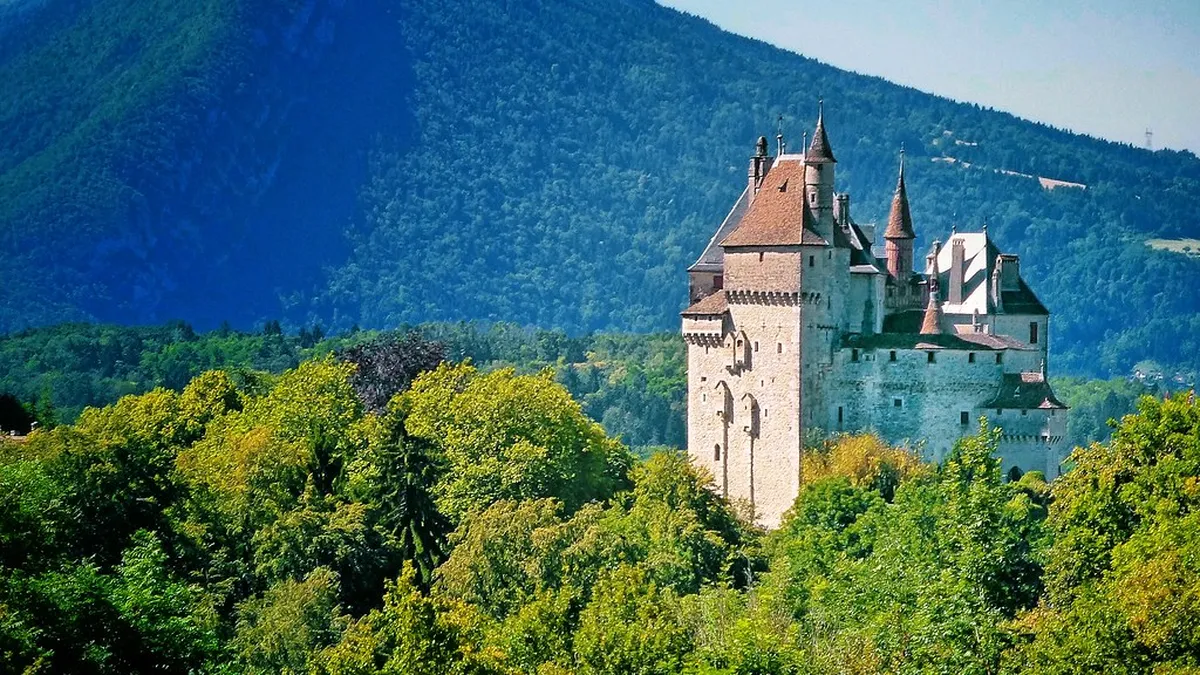
Another major site is the massive stone castle looking over the old city center. The Annecy castle architecture blends military and residential styles for all visitors. It was once the primary home of the powerful Counts of Geneva long ago. The tall towers were built for defense and to show the owner's high status.
Today the castle serves as a museum for the local history of the region. Visitors can walk through the large halls and see very old pieces of art. The view from the castle walls offers a panoramic scene of the entire city. It is a must-see stop for any architecture lover visiting the city in 2025.
Understanding Traditional Savoyard Architecture
The Savoy region has its own specific way of building houses and mountain barns. Wood and stone are the primary materials used in these very traditional alpine designs. Most houses feature wide wooden balconies to catch the warm mountain sun every day. You can identify traditional Savoyard architecture by these very unique and local features.
There are several key features that define this beautiful and historic alpine style of building. Natural materials and functional design are the most important parts of every local house.
- Wide wooden balconies were designed to capture the daily mountain sun for extra warmth.
- Heavy stone foundations were built to withstand the very cold and snowy winter conditions.
- Steeply pitched roofs were made from local slate to allow heavy snow to slide off.
- Decorative wooden shutters were painted in traditional colors to add extra charm and beauty.
Roofs are typically made of local and heavy slate called lauze in this region. This heavy material helps the house stay warm during the cold and long winter. The pitch of the roof allows heavy snow to slide off the house easily. This practical design has lasted for many hundreds of years in the French Alps.
You will often see large wooden beams on the exterior of these local buildings. These beams support the weight of the massive and thick stone walls built below. Some buildings also include decorative and detailed carvings in the dark wood exterior panels. This style reflects the deep connection between the local people and the high mountains.
Religious Buildings and Renaissance Influences
Churches in the city showcase several different and beautiful religious architectural styles for visitors. St. Maurice Church is a great example of the flamboyant Gothic style used here. It was built in the 15th century for the local Dominican religious order then. The interior features beautiful stained glass and very intricate stone carvings for all visitors.
The Cathedral of Saint-Pierre displays classic Renaissance elements from the early 16th century period. Its facade is simpler than the earlier and more ornate Gothic churches located nearby. You can explore Baroque and Renaissance buildings throughout the historic city center for yourself. These structures show how the local tastes changed over many different and long generations.
Inside these churches, you will find gold leaf and many marble architectural details today. The altars often depict famous scenes from the long local religious history found here. Tall spires reach toward the blue sky to guide the faithful to their prayer. These buildings remain active places of worship for the entire local community even today.
Renaissance architecture brought much more symmetry to the local city streets and city squares. Windows were placed in very even rows across the front of these new buildings. Arches became rounded instead of pointed like the older and more traditional Gothic ones. These details make the city look very balanced and elegant to all city visitors.
Transition to Modern Annecy Designs
Modern times have brought several new styles to the beautiful lakeside city center area. Architects now use much more glass and steel in their latest city design projects. These buildings aim to blend into the beautiful and natural landscape of Annecy today. You can see Annecy modern architecture near the edge of the blue lake.
Cultural centers like Bonlieu show the city's growth in the late 20th century period. This large complex houses a theater and a library for the local people here. Its design focuses on large open spaces and natural light for all city visitors. It serves as a busy hub for the modern local community and many tourists.
New residential buildings follow very strict rules to match the old town charm perfectly. They must use specific colors and materials to maintain the historic city look today. This ensures the city looks cohesive even with the addition of newer building structures. The mix of old and new styles makes the city very unique indeed today.
Sustainable building practices are now very important in the French Alps region even today. New homes use solar panels and high-quality insulation to save energy and winter costs. These green designs protect the lake and the surrounding fresh mountain air forever more. Architecture continues to evolve to meet the needs of the people of the tomorrow.
How History Shaped Local Building Periods
Many different eras have left their lasting mark on the city landscape even today. You can understand building historical periods by looking at the stone walls for yourself. Romanesque ruins still exist beneath some of the newer and taller stone buildings today. Each layer of the stone tells a story of a past and interesting time.
Fire was once a major factor in how the city was actually built then. Large fires in the past forced people to use much more local grey stone. Before these fires, many homes were made mostly of wood from the dark forest. Stone proved to be much safer for the very dense and crowded city center.
The city wall also dictated where people could build their homes and their shops. Most older houses are packed tightly together within the former city limit stone walls. Once the walls were removed, the city finally began to spread out very widely. This created the wide boulevards you see in the newer and modern city districts.
Walking tours are the best way to see these changes for every local traveler. Local guides can point out the small details you might miss by yourself today. Use of visual records will help to remember your favorite spots from the whole trip. The city is a living museum of French design history for everyone to enjoy.
Frequently Asked Questions
What is the most famous building in Annecy?
The Palais de l'Isle is the most famous and iconic structure in the city. It sits on a rocky island in the middle of the Thiou canal. You can see it on almost every postcard of the city you buy.
Why are the houses in Annecy so colorful and bright?
Many buildings are painted in bright pastel colors like yellow and soft pink. This reflects the historical Italian influence from the powerful House of Savoy in the past. These colors make the streets look very cheerful even on a grey day.
Can you visit the castle in Annecy during your 2025 trip?
Yes, the castle is open to the public as a very interesting history museum. It costs around 5.50 euros for an adult ticket during the year 2025. You should check the official website for current opening hours before you go.
When was the old town of Annecy actually first built?
Most of the old town buildings date from the 12th to 17th centuries. The area has been carefully preserved to keep its historic and ancient feel today. You will feel like you are stepping back in time during your walk.
Annecy offers a rich variety of architectural styles for every traveler to see here. From the medieval canals to the modern lakeside homes, there is history found everywhere. Use this Annecy Architectural Styles Guide to explore the city in late 2025 today. Enjoy your walk through this beautiful and historic French mountain destination during this year.
Key Takeaways
- Visit the Palais de l'Isle for iconic triangular medieval architecture.
- Look for traditional Savoyard roofs made of local heavy slate.
- Explore the old town arcades that once protected medieval shoppers.
- Notice the transition from Gothic to Renaissance styles in local churches.