
Palais de l'Isle Architecture Guide for 2025
Explore the stunning Palais de l'Isle Architecture in Annecy. Learn about this 12th-century monument and plan your 2025 visit today with our guide!
On this page
Annecy is famous for the stunning Palais de l'Isle Architecture located in its center. This ancient stone monument remains the most photographed site in the entire French Alpine region. Visitors travel from across the globe to see this unique medieval fortress today in 2025. It serves as a beautiful symbol of the rich history found in this old town.
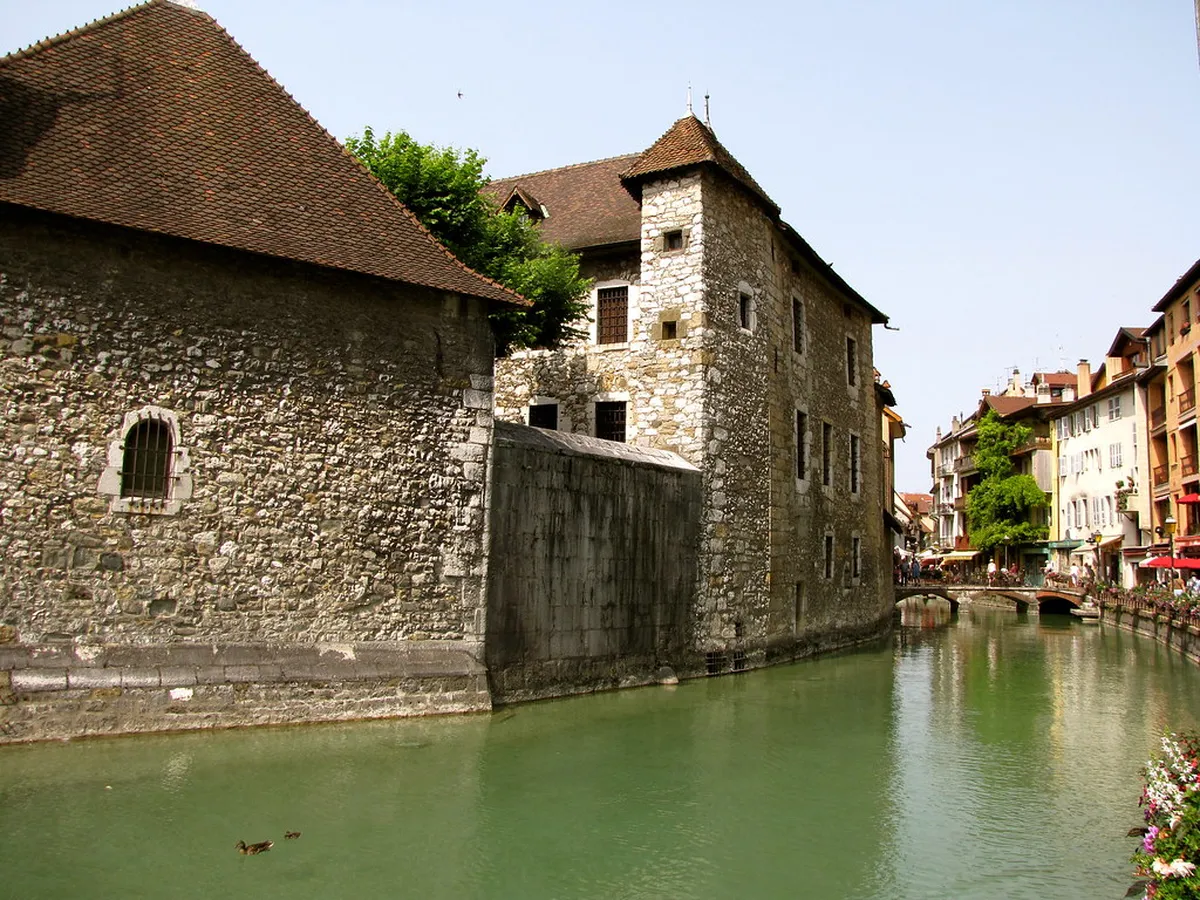
This historic building sits gracefully on a small rocky island in the Thiou canal. It looks like a stone ship floating on the clear blue water of the river. You can explore the Annecy old town architecture surrounding this iconic and ancient monument. Every stone in this fortress tells a story about the medieval past of France.
The structure has served many different purposes since its construction began in the 12th century. It has been a royal residence, a courthouse, and even a dark prison for criminals. Today, it stands as a museum that welcomes thousands of curious travelers every single year. You will find incredible details in the masonry and the ancient ironwork on the windows.
The Origins of Palais de l'Isle Architecture
The history of this building dates back to the early 12th century near the river. It was originally built as a small fortified house for the local Lords of Annecy. The structure expanded over the years to include defensive walls and several small interior rooms. This evolution created the complex layout that visitors see when they visit the museum today.
The building served as a mint for the local Counts of Geneva for many years. Gold and silver coins were produced within these thick stone walls during the Middle Ages. You can still see the evidence of this industrial past in the lower floor rooms. Read more Palais de l'Isle facts to understand its unique role in regional finance.
In the 14th century, the building transformed into a courthouse for the local government. Judges made important legal decisions within the cold stone halls for several hundred years. The architecture reflects this serious purpose through its heavy doors and very small window openings. The thick walls provided security for the important documents kept inside the main chambers.
Later, the building became a prison, which is why people call it the old jail. The damp cells and iron bars are still visible to tourists who enter the building. Prisoners were kept in small rooms just above the level of the canal water. This dark period of history is a significant part of the architectural narrative here.
The Iconic Ship Shape and Exterior Design
The most striking feature of the Palais de l'Isle Architecture is its unique triangular shape. It was built specifically to fit the natural contours of the small island it sits on. The sharp prow of the building faces the current of the rushing Thiou river. This design helps the structure withstand the constant pressure of the moving water over time.
The exterior walls are made from local limestone gathered from the surrounding Alpine mountains. These stones have weathered into a beautiful grey color that changes with the daily sunlight. You can see various styles of masonry that were used during different construction phases. Many layers of history are visible in the uneven texture of the outer stone facade.
The roof of the building features traditional slate tiles common in the Savoy region of France. These dark tiles create a sharp contrast against the light grey walls and blue water. Small chimneys and narrow dormer windows dot the roofline, adding to the medieval charm. This combination of materials makes the Palais de l'Isle a masterpiece of local alpine design.
Walking around the exterior allows you to see the heavy iron gratings on the windows. These bars remind visitors of the building's former use as a high-security prison for the city. The narrow bridges connecting the island to the mainland provide excellent views of the masonry. Take your time to admire the craftsmanship of the ancient stone masons who built it.
Exploring the Interior Architectural Details
Stepping inside the building reveals a maze of narrow hallways and steep stone staircases. The interior spaces are often cool and dark because of the very thick exterior walls. You will find a small chapel located in the heart of the central fortress structure. This sacred space features beautiful vaulted ceilings and simple religious carvings from the medieval era.
The prison cells provide a chilling look at the historical conditions for inmates in Annecy. These rooms are small and feature heavy wooden doors with tiny viewing slots for guards. You can see the inside Palais de l'Isle architecture details by visiting the museum rooms. The layout demonstrates how security was a primary concern for the architects during that time.
The courtroom area features larger windows that allow more natural light into the formal space. This room was designed to look impressive to those who came before the local judges. The wooden beams on the ceiling are original and show the strength of medieval carpentry. These architectural choices emphasize the authority and power of the legal system in old France.
Visitors can also explore the old kitchens and storage rooms located on the lower levels. These areas show the practical side of living on a small island in the river. Massive hearths were used for cooking and heating the building during the cold winter months. Every room serves as a window into the daily life of the past centuries.
Defensive Features of the Medieval Fortress
The Palais de l'Isle was designed to be a highly defensible position in the city. Its location in the middle of the river provided a natural moat for protection. Any attackers would have to cross the water to reach the heavy main entrance doors. This strategic advantage made it one of the most secure buildings in the entire region.
The narrow windows were designed to allow defenders to shoot arrows while remaining protected inside. These slots are wider on the inside to give the archers a better field of view. You can see how the walls become much thicker at the base of the building. This provides stability against the river and protection against heavy battering rams or tools.
The main gate was once protected by a heavy portcullis and thick wooden reinforced doors. Only a few people could enter at one time through the narrow passage into the courtyard. This design ensured that the building could be held by a very small number of soldiers. It is a classic example of medieval military engineering found in the heart of Annecy.
Comparing this to the Annecy Castle architecture shows different styles of local defense. While the castle sits on a hill, the Palais relies on the river for safety. Both structures highlight the importance of security in the history of this beautiful French city. You can visit both sites to see the variety in medieval building techniques today.
Photography Tips for the Palais de l'Isle
Capturing the perfect photo of the Palais de l'Isle Architecture requires some careful planning. The best angle is from the Perriere Bridge located just a few meters away. From here, you can see the sharp prow of the building and the river. This viewpoint is very popular, so arrive early in the morning to avoid the crowds.
The morning light hits the front of the building and reflects beautifully off the canal water. Sunset also provides a warm glow that makes the old stones look truly magical in photos. Check out our photography Annecy architecture guide for more expert tips and locations. Night photography is also wonderful as the building is illuminated by soft yellow spotlights.
Try to include the colorful houses of the old town in your background for more context. The contrast between the grey stone and the pastel walls creates a stunning visual composition. Use a wide-angle lens to capture the entire structure and the surrounding river banks. Reflections in the water can add a symmetric element to your architectural photography shots.
Winter offers a unique opportunity to photograph the building with snow on the slate roof. The white snow and blue water create a peaceful and serene atmosphere for your images. During spring, the flowers on the bridges add a splash of color to your foreground. No matter the season, this building remains a photogenic masterpiece for every visiting traveler.
Frequently Asked Questions
What is the best time to see Palais de l'Isle Architecture?
The best time to see the architecture is during the early morning hours in 2025. This allows you to avoid the large groups of tourists who arrive later. You will also get the best lighting for your architectural photographs at this time. Spring and fall offer the most pleasant weather for walking around the canals.
How much does it cost to enter the museum?
A standard adult ticket for the museum costs around 4 to 5 Euros. This price includes access to all the historic rooms and the current exhibitions. Children and students can often enter for a reduced price of about 2 Euros. It is an affordable way to learn about the history of Annecy.
Why is the Palais de l'Isle shaped like a ship?
The building has a ship-like shape to fit the natural rocky island in the river. The sharp triangular prow helps to split the current of the Thiou canal safely. This design protects the stone walls from the constant pressure of the flowing water. It is a perfect example of architecture adapting to its natural environment.
Can I visit the Palais de l'Isle inside?
Yes, you can visit the interior because the building now functions as a local museum. You can explore the old prison cells, the courtroom, and the historic chapel. The museum is open most days, but you should check the seasonal hours before visiting. It takes about one hour to see all the rooms inside.
The Palais de l'Isle Architecture remains a vital part of the heritage of Annecy. Its unique design and long history make it a must-see destination for every traveler. Whether you enjoy history, photography, or design, this monument will surely impress you. Plan your visit to this incredible stone ship in the heart of France today. You can find more Annecy architectural styles guide details to further enhance your trip.
Key Takeaways
- The building was constructed in the 12th century as a fortified house.
- Its unique triangular shape helps it withstand the river current.
- The Palais has served as a mint, courthouse, and prison.
- Local limestone and slate are the primary construction materials used.
- It is now a museum that is open to the public for tours.