
Explore Stunning Annecy Old Town Architecture
Discover the beauty of Annecy Old Town Architecture in 2025. Explore medieval canals, colorful houses, and historic sites with our expert travel guide today!
On this page
Annecy is famous worldwide as the Venice of the Alps due to its stunning turquoise water canals. The beautiful Annecy Old Town Architecture reflects a rich history that spans back to the Middle Ages. Visitors love exploring the winding cobblestone streets while admiring the well-preserved buildings along the Thiou River. In 2025, you can still find many medieval buildings in Annecy that tell fascinating stories.
Walking through the old town feels like traveling back in time to a much simpler alpine era. Every corner reveals a new architectural treasure that showcases the unique heritage of the historic Savoy region. The combination of water, stone, and color creates a visual experience unlike any other city in France. This guide will help you understand the history and design of these incredible and ancient structures.
The Iconic Palais de l'Isle Structure
The historic Palais de l'Isle is currently the most photographed spot in the entire French city. This unique structure was built on a small rocky island located in the middle of the canal. Its sharp triangular shape makes it look like a large stone ship floating on the water. Many travelers visit this spot first to capture the perfect photo of the ancient stone walls.
Construction of this famous building began during the 12th century for the local noble families of Annecy. Over the years, it served as a primary residence, a courthouse, and even a working prison. The thick stone walls and narrow windows were ideal for keeping prisoners securely inside the dark chambers. You can learn more about the Palais de l'Isle architecture during a guided tour.
Inside the building, the museum displays various artifacts from the history of the Haute-Savoie region. Visitors can explore the old courtrooms and see the original prison cells used in past centuries. The museum provides detailed information about how the building evolved through several different architectural phases. It remains a key example of medieval civil architecture in the heart of the city.
The exterior facade features classic gray stone masonry that has survived hundreds of years of river flow. Small iron-barred windows remind every visitor of the building's long and varied history as a local jail. During the evenings, beautiful lights illuminate the stone walls to create a magical reflection on the water. It is truly a masterpiece of historic design and engineering in the French Alps.
In 2025, the museum is open daily except for specific public holidays during the winter season. Adult tickets usually cost around seven euros, which includes access to all current historical exhibitions. It is best to arrive early in the morning to avoid the long queues of tourists. This building remains the heart and soul of the old city's unique architectural landscape.
Colorful Savoyard Houses and Stone Arcades
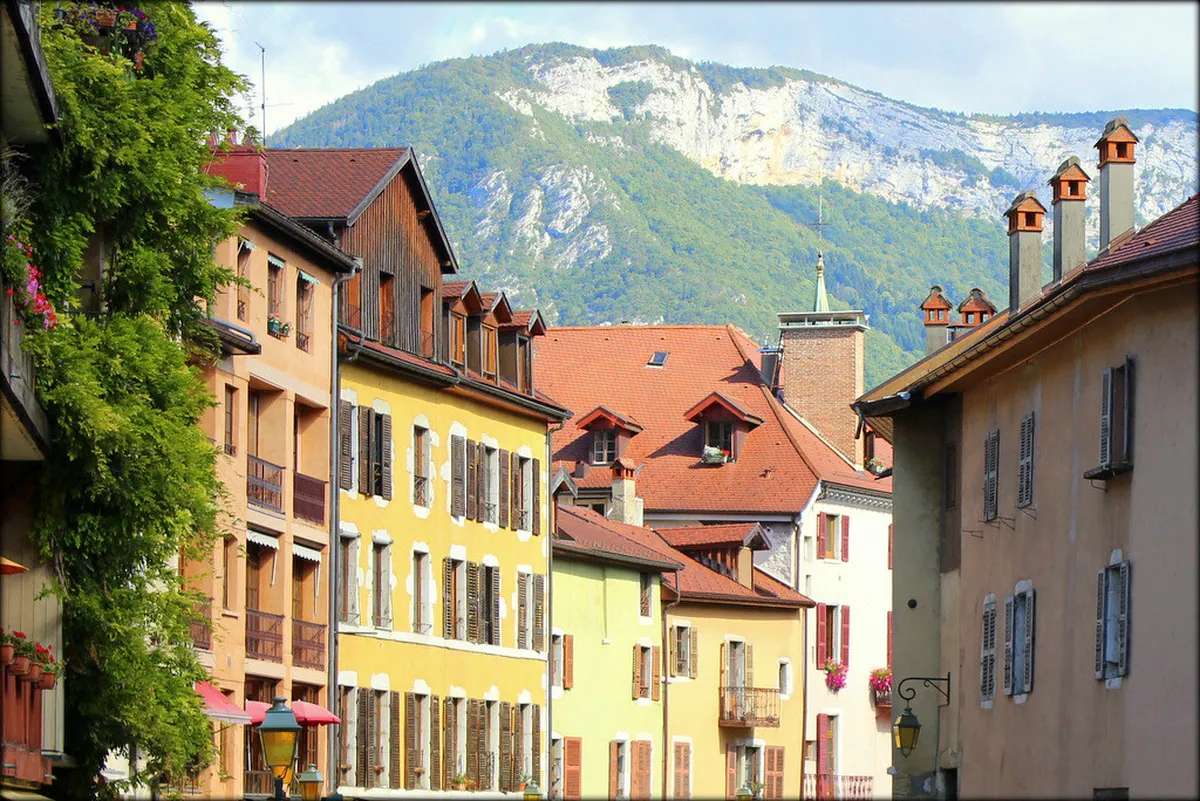
The narrow streets of Annecy are filled with many vibrant and colorful buildings from the past. Most of these structures feature a classic style that is very common in the Savoy region. You can find many examples of these historic houses in Annecy during your walk. Their pastel colors create a warm and inviting atmosphere for everyone who visits the old town.
One of the most functional features of these houses is the extensive network of stone arcades. These covered walkways were originally built to protect merchants and their goods from the mountain weather. Today, they allow tourists to browse local shops and cafes even when it is raining outside. The heavy stone pillars provide a strong foundation for the tall apartment buildings standing above them.
Many of the houses in the old town also feature beautiful hidden courtyards behind their main doors. These private spaces often contain ancient wells and decorative stone stairs used by residents for many centuries. Architects designed these areas to provide light and air to the dense urban living spaces. It is a wonderful experience to peek inside these quiet spots while exploring the busy streets.
The building materials used for these houses include local limestone and timber from the nearby forests. Thick walls were necessary to keep the heat inside during the very cold and snowy winters. You can see the craftsmanship in the decorative wooden shutters and the hand-carved stone door frames. These details show the pride that local builders took in their work during the Renaissance period.
Preservation efforts in 2025 ensure that these buildings maintain their historic look for future generations to enjoy. Strict rules prevent owners from making modern changes that would ruin the character of the old town. This commitment to heritage makes Annecy one of the best-preserved medieval cities in all of Europe. Every visitor can appreciate the hard work required to keep these stunning houses in such good condition.
Historic Churches of the Old Town
Annecy contains several impressive churches that define the local skyline and the history of the region. The Cathedral of Saint-Pierre is a significant building that dates back to the early 16th century. It was originally constructed as a chapel for a Franciscan priory before becoming a cathedral later on. You can find this beautiful church tucked away in a quiet corner of the old town. Discover more about the architectural styles guide to understand its unique design.
The interior of the cathedral features a mix of Gothic and Renaissance elements that are very interesting. High vaulted ceilings and intricate stone carvings demonstrate the religious importance of the building to the community. Visitors can admire the large organ and the beautiful stained glass windows that illuminate the main nave. The atmosphere inside is very peaceful and offers a break from the busy tourist streets outside.
Nearby, the Church of Saint-Maurice is the oldest church in the city, dating back to 1422. It was built in the flamboyant Gothic style with a large and spacious interior for the worshipers. The church contains many valuable paintings and statues that have been carefully preserved for over five hundred years. It remains an active place of worship and a central part of the local community today.
The architecture of these religious sites reflects the influence of the Catholic Church during the Reformation period. Many bishops from Geneva fled to Annecy during the 16th century to escape religious persecution at home. This led to the construction of grand buildings that served as important spiritual centers for the region. The stones used in these churches were often sourced from the same quarries as the castle.
In 2025, visitors are welcome to enter these churches for free during normal daily visiting hours. It is important to remain quiet and respectful while people are praying inside these sacred historical spaces. Many churches also host classical music concerts because the stone walls provide excellent acoustics for the performers. Exploring these buildings is a vital part of any architectural tour in this French city.
The Fortress Style of Chateau d'Annecy
The majestic Annecy Castle overlooks the old town from its high and rocky defensive position. This massive structure was once the primary residence for the powerful Counts of Geneva and Savoy. Its design reflects a perfect blend of a defensive fortress and an elegant royal palace. Many people enjoy walking up the hill to see the impressive stone walls and towers. Learn about the Annecy Castle architecture to appreciate its complex layout.
The oldest part of the castle is the Queen's Tower, which dates back to the 12th century. This tower features extremely thick walls that were built to resist attacks from heavy siege weapons. From the top of the tower, guards could see any approaching enemies from the lake or mountains. The military engineering used in this part of the castle is truly remarkable for its time.
During the 15th and 16th centuries, newer residential wings were added to provide more comfort for the dukes. These sections feature larger windows and decorative elements that were common during the French Renaissance period. The Logis Nemo and the Logis Perriere are two beautiful examples of these later architectural additions. They show how the castle evolved from a simple fort into a grand and luxurious palace.
Today, the castle functions as a public museum that showcases the history and art of the region. You can see a wide variety of exhibits, including furniture, paintings, and traditional Savoyard folk art. The museum also provides detailed information about the natural history of Lake Annecy and its surroundings. It is a great place to learn about the people who built this amazing city.
Entry to the castle costs approximately six euros for adults and offers incredible views of the city. The walk up the hill is quite steep but provides many opportunities for beautiful travel photography. You can see the red-tiled roofs of the old town and the blue water of the lake. It is one of the most important historical sites to visit during your trip in 2025.
Exploring the Hidden Alleys and Passages
Beyond the main streets, Annecy is full of narrow alleys and secret passages that are fun to explore. These small pathways were designed to allow residents to move quickly between the different parts of the city. Some of the alleys are so narrow that two people can barely walk side by side. They offer a more intimate look at the daily life of people in the medieval era.
Many of these passages connect the main canal-side streets with the higher parts of the old town. They often feature old stone steps and small archways that have been worn down by centuries of use. Walking through these alleys provides a sense of discovery as you find hidden cafes and artisan shops. Use a medieval architecture walking route to find the best secret paths.
Architects used these narrow spaces to maximize the available land within the protective city walls. Every square inch of space was valuable, leading to the creation of very dense urban housing blocks. You can see how the upper floors of the houses often overhang the streets to gain space. This design creates a unique and cozy atmosphere that is typical of many old European cities.
While exploring, look for the small stone gutters that were used to drain rainwater away from the buildings. These original drainage systems are still visible in many of the oldest streets and alleys today. The iron rings on the walls were once used for tying up horses and other animals. These small details provide a glimpse into the practical needs of the people living here long ago.
In 2025, these alleys remain some of the most charming and quiet parts of the entire old town. They are perfect for travelers who want to escape the large crowds on the main tourist paths. Take your time to wander without a map and see where these ancient passages might lead you. You will surely find something interesting and beautiful around every single stone corner.
Modern Preservation and 2025 Visiting Guide
Modern Annecy has done an excellent job of preserving its historic architecture while welcoming many thousands of tourists. The city uses advanced restoration techniques to ensure that the stone and wood structures remain safe and stable. You can see workers carefully repairing the ancient masonry using traditional methods and local materials. This dedication keeps the old town looking as authentic as possible for every single visitor.
The best time to visit the old town for architectural photography is early in the summer mornings. The soft light of the rising sun highlights the textures of the stone and the pastel colors. You will also find that the streets are much quieter before the local shops open for business. This allows you to capture the beauty of the buildings without many people in your photos.
Consider visiting during the winter months to see the architecture covered in a light dusting of white snow. The Christmas markets in December add a festive atmosphere to the historic squares and the covered stone arcades. The cold mountain air makes the warm glow from the windows look even more inviting and magical. Winter provides a completely different perspective on the design and character of this ancient alpine city.
Public transportation in Annecy is very efficient and makes it easy to reach the old town area. There are several parking garages located just a short walk away from the main pedestrian zone of the city. Using the local bus system is also a great way to save money and avoid traffic. Planning your transport in advance will make your visit in 2025 much more relaxing and enjoyable.
Finally, remember to respect the local residents who still live in these historic and beautiful buildings. Keep noise levels down when exploring the narrow alleys and private courtyards during the late evening hours. Supporting local businesses helps the city maintain the old town and keep its unique culture alive. Your visit contributes to the ongoing story of this incredible French architectural masterpiece in the Alps.
Frequently Asked Questions
What is the oldest building in Annecy?
The Palais de l'Isle is widely considered to be one of the oldest buildings in the city. Its construction began in the 12th century on a small island in the canal. It has served many different purposes throughout its very long and storied history.
Why are the houses in the Old Town so colorful?
The colors reflect the traditional Savoyard style which uses lime-based washes in various shades of pastel. This aesthetic choice helps protect the buildings from the harsh mountain weather while adding beauty. Many of these colors have been maintained for hundreds of years to preserve the city's charm.
Can you visit the inside of the Annecy Castle?
Yes, the Annecy Castle is open to the public as a museum for a small fee. Visitors can explore the historic rooms, see art exhibits, and enjoy views from the towers. It is a great way to see how the dukes lived in the past.
Is the Old Town of Annecy pedestrian-friendly?
Most of the old town area is reserved for pedestrians only, making it very easy to walk. The streets are mostly flat, although the cobblestones can be a bit uneven for some travelers. Wearing comfortable shoes will make your architectural tour much more pleasant in 2025.
How much time do I need to see the architecture?
Most visitors spend about three to four hours exploring the main architectural sites of the old town. This gives you enough time to walk the canals, visit the castle, and see the churches. You might want to stay longer to enjoy a meal in the historic arcades.
Annecy's Old Town architecture offers a unique and magical glimpse into the history of the French Alps. From the floating prison to the hilltop castle, every stone tells a fascinating story of the past. Ensure you take plenty of photos and enjoy the photography of Annecy architecture during your visit. Plan your trip for 2025 to experience the beauty and charm of this incredible city for yourself. The Venice of the Alps is waiting to show you its ancient secrets and stunning views.
Key Takeaways
- Visit the Palais de l'Isle to see the most famous medieval prison in France.
- Explore the stone arcades to discover traditional Savoyard merchant architecture and local shops.
- Walk up to the Annecy Castle for the best panoramic views of the lake and town.
Related reads: streetartly.com, street art and architecture in annecy.