
Annecy Medieval Architecture Walking Route Guide
Explore history with our Annecy medieval architecture walking route guide. Discover hidden gems in the Venice of the Alps. Start your tour today!
On this page
Annecy is a city where every stone tells a story of the ancient past. It is often called the Venice of the Alps for its beautiful canals. This charming city offers a rich history visible in its ancient stone buildings. Our Annecy medieval architecture walking route guide helps you explore these stunning sites easily. Prepare to walk through narrow streets filled with centuries of French heritage. This guide covers the best spots to visit in 2025. You will see incredible Annecy Old Town architecture along the way. Every corner offers a new perspective on European history. Wear comfortable shoes for this exciting journey back in time.
Starting at the Iconic Palais de l’Isle
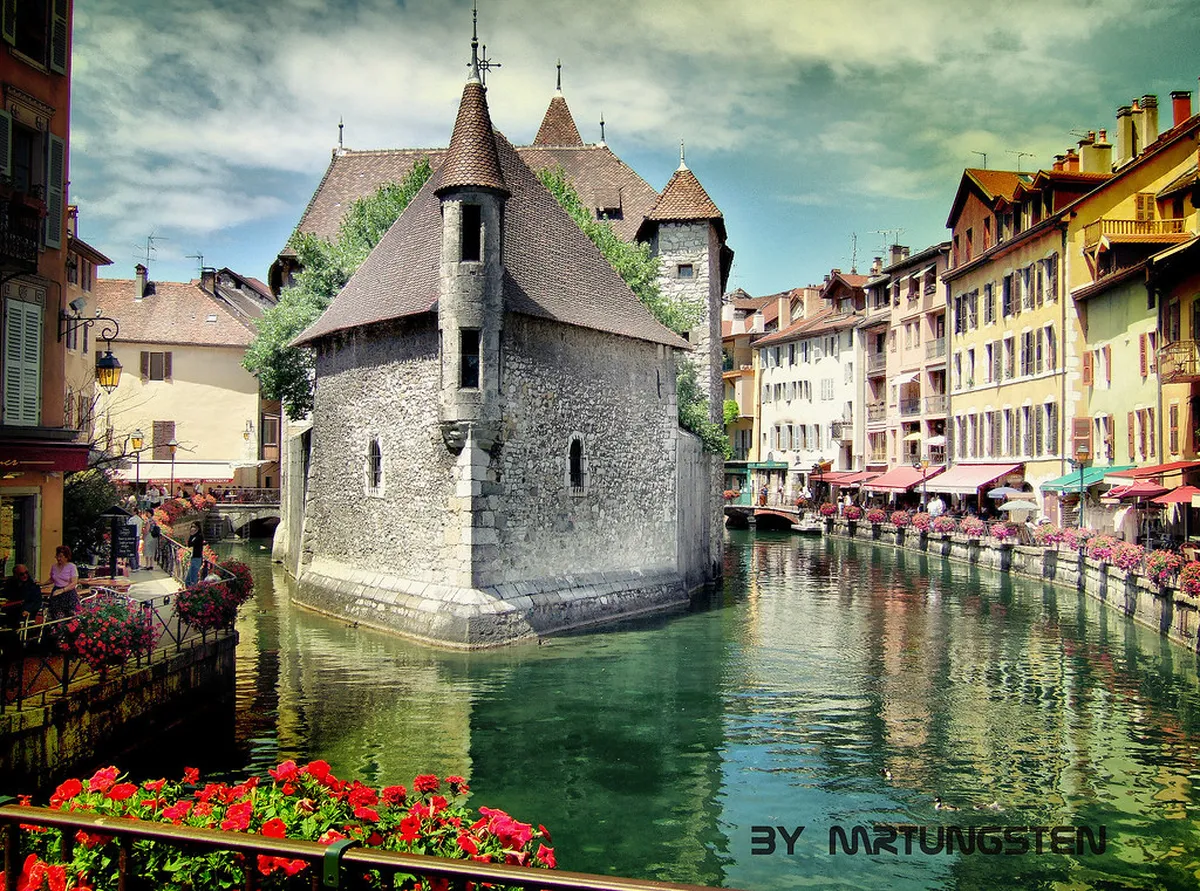
The Palais de l'Isle is the most photographed building in all of Annecy. It sits on a small rocky island in the middle of the canal. The building dates back to the 12th century. It has served as a prison, a courthouse, and a mint over the years. Its unique triangular shape resembles the prow of a great stone ship. The thick walls and narrow windows highlight its former role as a fortress. You can view the historic prison cells for a small fee of five euros.
Visiting the Palais de l’Isle architecture is essential for any history lover. The site opens daily at ten in the morning during the peak season. Its location in the Thiou canal makes it a perfect starting point for your walk. Take photos from the Perriere bridge for the best possible angle of the structure. The light hits the stone beautifully during the late afternoon hours. It is a true masterpiece of medieval construction and design.
The interior of the palace contains several small museum exhibits. These displays explain how the city developed during the Middle Ages. You can see ancient maps and artifacts found near the lake. The courtyard provides a quiet space away from the busy street crowds. It costs roughly four euros for students to enter the building. Allow at least forty-five minutes to explore the inside thoroughly. The stone staircases are steep, so please watch your step carefully.
Surrounding the palace are many small cafes and artisan shops. These buildings feature traditional pastel colors and wooden shutters. Many of these structures have stood for over five hundred years. They represent the classic look of a French alpine town from long ago. Notice the heavy timber beams supporting the upper floors of the shops. This area remains the heart of the social scene in Annecy today. It is a great place to stop for a quick coffee break.
Wandering the Arcades of Rue Sainte-Claire
Rue Sainte-Claire is the main artery of the medieval old town. This street is famous for its vaulted stone arcades and historic houses. The arches provided shelter for market traders in the past. Today, they house local boutiques and traditional French restaurants. You can feel the history as you walk under the heavy stone ceilings. Each archway has a slightly different shape and size. These medieval buildings are remarkably well-preserved for modern visitors to enjoy.
The houses along this street belonged to wealthy merchants in the 16th century. Look for the colorful facades that line both sides of the road. Many buildings feature beautiful wrought iron balconies and flower boxes. These flowers add a splash of color to the grey stone. In 2025, the city plans to add more hanging gardens here. This will make the walking route even more scenic for travelers. It is a fantastic spot for holiday photography.
Stop at number 18 to see a particularly grand doorway. This entrance features intricate carvings from the late Renaissance period. The wooden doors are thick and reinforced with heavy iron bolts. Such details show the wealth of the original owners of the house. You might also notice small stone gargoyles perched on the rooflines. These figures were meant to direct rainwater away from the walls. They add a touch of mystery to the street’s atmosphere.
During the market days, this street becomes very lively and crowded. Local farmers sell fresh cheese and cured meats under the arches. The smell of fresh bread fills the air every Tuesday and Friday. It is best to visit early in the morning to avoid crowds. Most shops open their doors by nine in the morning. You can find unique handmade souvenirs in these small stalls. Supporting local artists is a great way to help the community.
Climbing to the Grand Chateau d'Annecy
The Chateau d'Annecy overlooks the entire city from its high hill. This castle was once the residence of the Counts of Geneva. It features a mix of defensive towers and elegant living quarters. The Annecy Castle architecture shows how styles changed over centuries. You can see rugged stone walls next to large palace windows. The walk up the hill takes about ten minutes from the center. It is a bit steep but the views are worth it.
The Queen's Tower is the oldest part of the castle complex. It was built in the 12th century with massive stone blocks. Its walls are over four meters thick at the base. This tower was designed to withstand long sieges from enemy armies. Today, it houses interesting exhibits about local lake ecology and history. You can learn about the prehistoric villages that sat near the water. The museum entry costs about seven euros for an adult ticket.
The castle courtyard offers a panoramic view of the red-tiled roofs. From here, you can see the crystal-clear water of Lake Annecy. The mountains rise sharply in the background behind the city. It is one of the most beautiful views in all of France. Take a moment to sit on the stone benches and enjoy. The air is fresh and the scenery is truly peaceful. It is a highlight of any walking tour.
Inside the castle, you will find grand fireplaces and painted ceilings. These rooms hosted royal guests and noble families for many years. The wooden floors creak with every step you take in the halls. Many rooms have been restored to their former glory for visitors. You can see how the lords of the manor lived. The castle is open from ten until six during the summer months. It is closed on certain public holidays in 2025.
Crossing the Historic Bridges of the Thiou
The Thiou River is one of the shortest rivers in Europe. It flows directly from the lake through the middle of the city. Many stone bridges cross this narrow waterway in the old town. These bridges connected different neighborhoods during the medieval era. They were essential for the movement of goods and people. Each bridge offers a different view of the surrounding historic houses. The water flows quickly and remains very clear year-round.
The Pont des Amours is a famous iron bridge nearby. While not medieval, it is a key part of the local walking route. It offers a stunning view of the lake and the mountains. Local legends say that couples who kiss here will stay together forever. Many tourists stop here to take romantic photos during their tour. The bridge leads directly into the vast European Gardens. This park is a great place for a relaxing stroll.
Look for the old washhouses located along the river banks. These stone steps allowed people to wash clothes in the flowing water. You can still see the iron rings used to tie up small boats. The river once powered several mills located within the city walls. These mills produced flour and paper for the local population. It was the industrial heart of the medieval city for centuries. The sound of rushing water is very relaxing.
The bridges are decorated with thousands of flowers during the summer. Bright red and pink geraniums hang from the stone railings. This tradition makes Annecy one of the most floral cities in France. The city gardeners work hard to maintain these displays every day. In 2025, new sustainable watering systems will be installed here. This helps keep the flowers healthy while saving precious water. It is a beautiful example of modern care for history.
The Defensive Gates of Porte Perriere
Porte Perriere was once the main southern entrance to the city. It is a massive stone gatehouse that protected the town from invaders. The heavy stone archway still stands tall at the end of the street. It features slots where a heavy wooden portcullis once hung. Guards would stand on the upper floors to watch for approaching visitors. This gate was the first thing travelers saw when arriving from Italy. It served as a symbol of the city's power.
The walls surrounding the gate are several centuries old. They were built using stones taken directly from the nearby mountains. You can see the rough texture of the hand-carved blocks. Small windows allowed archers to fire at any potential attackers. Today, the gate is a quiet passage for pedestrians and cyclists. It marks the edge of the historic pedestrian zone. It is a great place to start your ascent to the castle.
Nearby, you can find small plaques explaining the gate's history. These signs are written in both French and English for visitors. They describe the various battles that took place near these walls. The gatehouse has survived many fires and wars over the years. It stands as a testament to the strength of medieval engineering. Walking through the arch feels like entering another century. The echoes of footsteps sound different against the old stone.
In the evenings, the gate is illuminated by soft yellow lights. This creates a magical atmosphere for a late-night walk. The shadows dance across the weathered surface of the stone walls. It is much quieter at night than during the busy day. You can really appreciate the scale of the fortification in the dark. Many local ghost stories feature this ancient part of the town. It is a must-see stop on your evening itinerary.
Gothic Style at the Church of Saint Maurice
The Church of Saint Maurice is the oldest church in Annecy. It was built in the 15th century in the flamboyant Gothic style. The church features a stunning vaulted ceiling and large stained-glass windows. These windows tell stories from the Bible in vibrant colors. The interior is very tall and narrow, which is typical of Gothic design. It served as a place of worship for the local craftsmen. The atmosphere inside is very calm and respectful.
Notice the intricate stone carvings around the main altar area. These details were carved by hand hundreds of years ago. The church houses several important paintings from the 15th and 16th centuries. One famous mural shows the funeral of a local nobleman. It is a rare example of medieval art in the region. Entry to the church is free for all visitors. Please remember to remain quiet while people are praying inside.
The bell tower of the church can be heard throughout the town. It rings every hour to keep time for the residents. The tower has a distinct pointed shape that dominates the skyline. You can see it from almost anywhere in the old town. It serves as a helpful landmark if you get lost. The square in front of the church is a popular meeting spot. It often hosts small art markets during the weekend.
Outside, the church features a beautiful stone facade with arched doorways. Look for the small statues of saints tucked into the wall niches. These figures have watched over the city for many generations. Some show signs of wear from the alpine weather and wind. This adds to the authentic feel of the historic site. The church is a centerpiece of the Annecy medieval architecture walking route guide. It is a perfect place for quiet reflection.
Frequently Asked Questions
How long does it take to walk the Annecy medieval route?
The main walking route takes about two to three hours. This includes time for taking photos and reading history plaques. You might want extra time to visit the castle museum. The total distance is roughly two kilometers within the old town.
Is the Annecy old town walking route accessible for everyone?
The old town has many flat streets with smooth stone paving. However, the path to the castle is quite steep and difficult. Some narrow alleys have uneven steps that might be tricky. Most main sites are easy to reach for people with average mobility.
What is the best time of day to start the walking tour?
Starting at nine in the morning is highly recommended for visitors. You will avoid the large tour groups that arrive by noon. The morning light is also perfect for taking high-quality photos. Early hours offer a more peaceful experience in the narrow streets.
Annecy is a treasure of history and architecture waiting for you. This Annecy medieval architecture walking route guide ensures you see every highlight. From the island palace to the hilltop castle, the city is amazing. Plan your visit in 2025 to see the beautifully preserved stone streets. Do not forget to bring your camera for the stunning canal views. We hope you enjoy your journey through this historic French gem. For more tips, check out our guide on historic houses in Annecy.
Key Takeaways
- Start your tour early at Palais de l’Isle to avoid large crowds.
- Wear comfortable walking shoes for the steep climb to the castle.
- Visit on a Tuesday or Friday to experience the traditional local market.
- Bring five to ten euros for entry fees to the main museums.
Related reads: streetartly.com, street art and architecture in annecy, best street art annecy.