
Architecture Insights for Your Annecy Castle Visit
Discover top Annecy Castle architecture insights for your 2025 visit. Explore historic French design and plan your trip with our expert guide to this landmark today!
On this page
The historic Annecy Castle stands high above the winding streets of the old alpine city center. This ancient fortress offers visitors a unique look into the medieval past of the Savoie region. Exploring the site provides many valuable Visit Annecy Castle architecture insights for history lovers visiting France. You will see how the building changed from a fortress into a beautiful and grand residence. The castle serves as a powerful symbol of the city and its long and complex history.
Visitors can walk through grand halls that once housed the powerful Counts of Geneva during the medieval period. The building represents a blend of defensive military needs and the elegant lifestyle of the local nobility. You will find that the stone walls tell a story of power, survival, and artistic growth. This guide will help you understand the most important design features before you start your trip. Prepare to discover the architectural secrets hidden within this famous French monument overlooking the blue lake.
Evolution of Alpine Castle Design Over Time
The castle design evolved significantly between the twelfth and sixteenth centuries to meet changing political needs. Early structures focused purely on defense because the region faced constant threats from many different rival groups. You can see the shift from rough military walls to the elegant carvings of the renaissance period. This architectural journey provides some of the best Annecy Castle architecture details found in all of France. The site truly showcases the transition from a dark fortress to a light and open palace.
Architects added the Logis Perrière in the fifteenth century to provide more space for the growing court. This section features a massive square tower that dominates the skyline of the modern city of Annecy. It served as both a residence and a high vantage point for spotting incoming enemies from afar. The construction uses local stone that has survived the harsh mountain winters for over five hundred years. You will notice the expert craftsmanship in the masonry work throughout this specific part of the site.
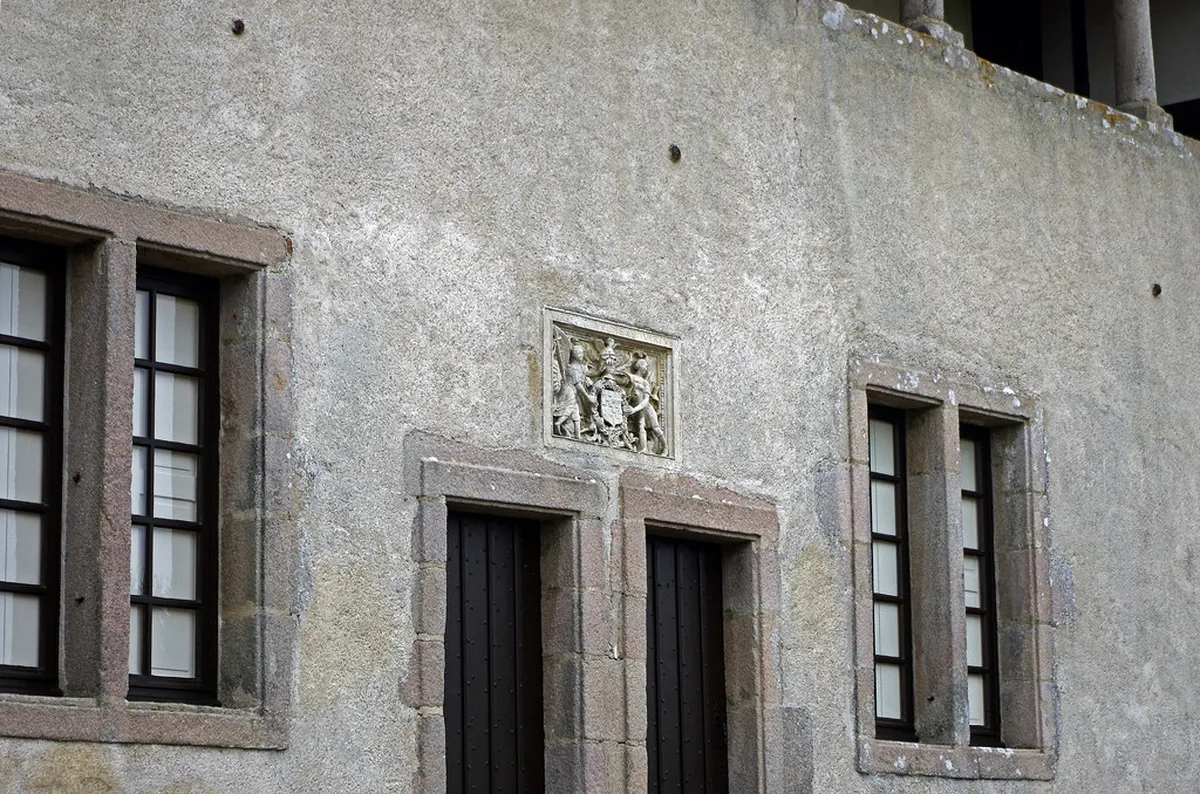
During the sixteenth century, the Logis Nemours was built to bring modern comfort to the ancient stone castle. This wing features beautiful mullioned windows that allow plenty of natural light to enter the grand interior rooms. It reflects the influence of the Italian Renaissance which was moving through the French alpine regions at that time. These castle features highlight the desire for luxury among the wealthy families who lived here. The combination of styles makes the castle a unique museum of architectural history for every visitor.
The castle also faced several fires that forced the owners to rebuild and modernize the interior spaces regularly. Each rebuilding phase added a new layer of design that reflected the popular trends of that specific era. You can see these layers in the varied heights of the ceilings and the different stone textures. The courtyard connects these different styles into a single cohesive space for visitors to explore and enjoy. Understanding these changes will make your walk through the halls much more interesting and very meaningful.
Key Defensive Structures and Ancient Towers
The Queen's Tower is the oldest standing structure within the castle walls and dates to the twelfth century. Its walls are over four meters thick at the base to prevent any damage from heavy siege engines. This tower served as the final point of defense for the inhabitants during times of violent local conflict. You can still see the original defensive slits used by archers to protect the entrance of the fortress. The height of the tower provided a clear view of the lake and the surrounding mountain passes.
The Saint-Paul Tower stands as another important military feature that protected the northern side of the grand complex. It shows the traditional round design that became popular for resisting the impact of early gunpowder and cannons. Engineers built these towers to withstand high pressure and to offer a wide range of defensive fire. The strategic placement of these towers allowed the guards to see anyone approaching the main city gates below. These structures are essential for anyone seeking deep Visit Annecy Castle architecture insights during their personal tour.
The outer curtain walls connect these towers and create a protected space for the residents and their staff. These walls were once topped with wooden galleries that allowed soldiers to move quickly between the different towers. Although the galleries are gone, the stone foundations remain as a testament to the strength of the fort. You can walk along parts of the perimeter to experience the scale of this massive mountain defense system. The views from the ramparts offer a stunning perspective of the historic city and the water.
Inside the defensive perimeter, the castle also features a deep well that provided water during long enemy sieges. Access to fresh water was vital for survival when the castle was cut off from the main town. The well is a marvel of medieval engineering and reaches deep into the rocky ground beneath the castle. It reminds us of the practical challenges people faced while living in a high mountain fortress long ago. Every stone in the defensive wall was placed with careful thought for the safety of the residents.
Best Architecture Insights for Your Annecy Castle Visit
Focusing on the windows will give you great Visit Annecy Castle architecture insights regarding the wealth of owners. The transition from small arrow slits to large decorative windows shows the arrival of peace in the region. You should look for the detailed stone carvings around the frames of the Logis Nemours wing windows. These decorations were meant to impress visitors and show off the high status of the noble residents. The symmetry of these windows is a hallmark of the sophisticated design styles of the late middle ages.
The grand fireplaces inside the living quarters are another architectural highlight that you must not miss during your tour. These massive structures were necessary for heating the large stone rooms during the freezing winter months in Savoie. Many of the fireplaces feature intricate carvings that represent the coats of arms of the local noble families. They served as the central focus of social life and the primary source of warmth for the court. The size of these hearths reflects the scale of the rooms they were designed to keep warm.
The ceiling designs vary between the different wings and reflect the various periods of construction throughout the castle history. Some rooms feature heavy wooden beams while others have elegant stone vaults that support the weight of the floors. These structural choices were both practical and decorative for the people who built this massive alpine monument. You can see how the builders used local materials like timber and limestone to create these lasting structures. Taking time to look up will reveal many beautiful details that most casual tourists often overlook.
The grand staircase is a masterpiece of late medieval design that connects the different levels of the residential wings. It was built to allow for a graceful entrance into the main reception rooms of the powerful counts. The wide steps and high ceilings make the staircase feel open and very grand for such an old building. It serves as a perfect example of how the castle moved away from purely military and defensive functions. This area is perfect for observing the flow of the building and its many internal connections.
Interior Design and Artistic Elements
The castle interiors now house a museum that displays many pieces of regional art and historic local furniture. You will find that the rooms are decorated with items that match the era of the architecture around them. This creates an immersive experience that helps you imagine what life was like for the ancient ruling families. The museum also showcases modern art exhibits that provide a sharp contrast to the old stone walls and ceilings. This mix of old and new is a common theme found throughout the Old Town buildings today.
The wooden paneling in some of the smaller rooms was added to provide extra insulation against the cold mountain air. These panels often feature delicate carvings of local plants and animals that are native to the high Alps region. They show the skill of the local woodworkers who contributed to the beauty of the castle over many years. You can feel the change in atmosphere when moving from the cold stone halls into the warm paneled rooms. These details offer a more intimate look at the private lives of the people who lived here.
Wall paintings and frescoes have been discovered and restored in several sections of the castle over the last few decades. these artworks depict scenes of daily life, hunting parties, and religious themes that were important to the nobility. The colors remain vibrant in some areas despite the passage of many centuries and several large destructive fires. They provide a visual record of the fashion and the social customs of the medieval and renaissance periods. Observing these paintings is a highlight for anyone interested in the artistic history of the French Savoie.
The flooring throughout the castle uses a variety of materials including stone tiles, wooden planks, and ancient fired clay. Each type of flooring was chosen based on the function of the room and the status of its users. The kitchen areas feature durable stone that could withstand the heat and the heavy use of the cooking staff. In contrast, the private bedrooms often use warmer wood to make the space feel more comfortable and very cozy. These practical choices are an important part of the overall architectural story of this famous site.
Planning Your Architectural Tour in 2025
Planning your trip for the year 2025 requires some basic knowledge about the opening times and the ticket prices. The castle is usually open every day except for some major public holidays and specific maintenance days in winter. Adult tickets currently cost five euros and sixty cents which is a great value for such a site. You should check the official website for any changes to the schedule before you begin your walk uphill. Arriving early in the morning will help you avoid the largest groups of tourists and school children.
The climb from the lake to the castle entrance is quite steep and takes about fifteen minutes for most people. You should wear comfortable shoes as the old cobblestone paths can be very slippery when it rains or snows. There are several spots along the way where you can stop to take photos of the beautiful city below. This walk is part of the experience and allows you to see the castle from many different angles. The effort is rewarded with some of the best views in the entire region of Haute-Savoie.
If you enjoy taking pictures, you should bring a wide-angle lens to capture the massive towers and the courtyards. Using professional photography tips will help you get the best shots of the stone textures and the light. The best lighting occurs during the late afternoon when the sun hits the western walls of the main building. You will be able to capture the golden glow of the stone against the blue sky of the Alps. Remember to respect the rules regarding tripod use and flash photography inside the museum galleries.
The castle museum also offers guided tours that provide even more technical details about the construction and the restoration work. These tours are often available in several languages including English and French for the convenience of international visitors. You will learn about the specific types of stone used and the challenges of modernizing an ancient protected monument. The guides are very knowledgeable and can answer specific questions about the Visit Annecy Castle architecture insights mentioned earlier. This is the best way to ensure you do not miss any of the hidden details.
Frequently Asked Questions
What are the best Visit Annecy Castle architecture insights for first-time visitors?
First-time visitors should focus on the transition between the medieval defensive towers and the more elegant renaissance living wings. You can see this change clearly when moving from the thick walls of the Queen's Tower to the windows of Logis Nemours. Look for the different stone textures that indicate the various centuries of construction and rebuilding after the fires.
How much does it cost to enter Annecy Castle in 2025?
The entry fee for adults is approximately five euros and sixty cents for the 2025 season. There are discounted rates available for students, children, and large groups who book their visit in advance. It is a very affordable way to explore a major piece of French history and enjoy great views.
Is the architecture of Annecy Castle accessible for everyone?
The castle is located on a steep hill which can be difficult for visitors who have mobility issues or heavy strollers. Many of the interior rooms have uneven stone floors and narrow stairs that are original to the medieval design. You should plan for a slow pace and wear sturdy shoes to safely navigate the historic site and courtyards.
Can I take professional photos of the castle architecture?
Visitors are allowed to take photos for personal use but must follow the rules regarding flash and tripods inside the museum. The best time for exterior photography is during the late afternoon when the sun highlights the details of the stone. Professional commercial shoots usually require special permission from the city authorities well in advance of the visit.
Annecy Castle is a must-visit destination for anyone who loves history and the beauty of alpine architecture in France. You will leave with a deeper understanding of how the region developed over hundreds of years of change. The mix of military strength and residential elegance makes this monument a truly unique place to explore today. Plan your visit for 2025 to experience the magic of this stone fortress for yourself and your family. Do not forget to bring your camera to capture the stunning views of the city and the lake.
Key Takeaways
- Observe the transition from medieval defensive towers to elegant Renaissance living quarters.
- The Queen's Tower is the oldest part of the castle with walls over four meters thick.
- Adult entry costs around 5.60 Euros and the climb to the castle takes 15 minutes.
- Late afternoon provides the best natural lighting for architectural photography of the stone walls.
Related reads: streetartly.com, street art and architecture in annecy, annecy castle interior design exploration.