
Château d'Annecy Architectural Features History Guide
Explore the Château d'Annecy architectural features history. Plan your 2025 visit to see this medieval fortress with our expert guide and tips today!
On this page
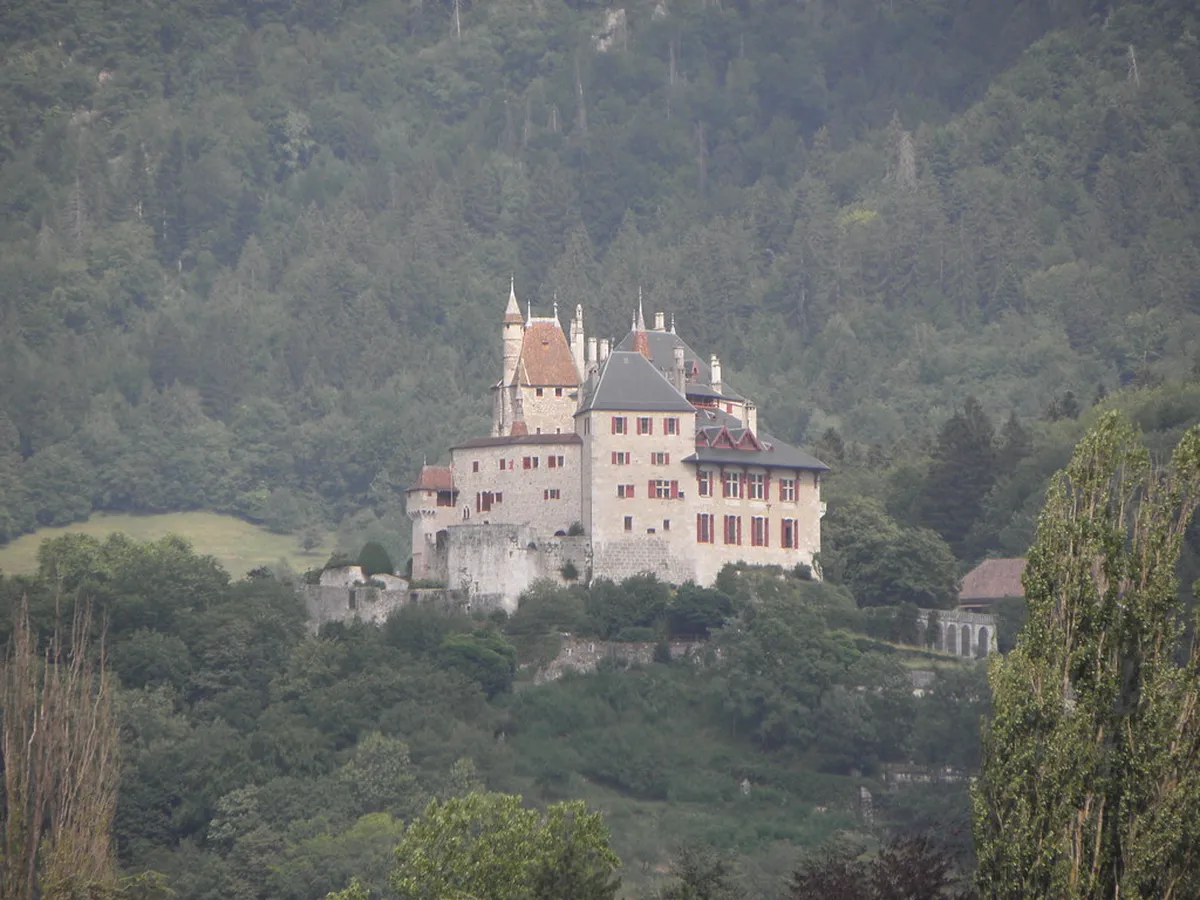
The Château d'Annecy architectural features history offers a unique glimpse into the past of the Savoie region. This medieval castle sits on a rocky hill overlooking the beautiful old town and the blue lake. It was once the primary home of the powerful and wealthy Counts of Geneva for many years. Visitors in 2025 can explore many centuries of diverse building styles within this massive hilltop fortress. The site combines military defense with the elegant residential styles of the French Renaissance period quite beautifully.
The Evolution of Annecy Castle Architecture
The history of Annecy Castle Architecture began during the twelfth century as a simple wooden fortress. Builders later replaced the wood with stone to create a more permanent and secure defensive structure for rulers. Each new century brought different architectural changes that reflected the growing power of the ruling Savoy family. The castle served as a defensive stronghold before becoming a grand residence for noble families and guests.
Construction projects continued throughout the thirteenth and fourteenth centuries to expand the size of the inner courtyard. Masorry techniques improved during this time to allow for taller towers and much thicker perimeter defense walls. These medieval layers provide a strong foundation for the more decorative elements added during later historical periods. You can still see the original stone work at the base of the most ancient structures today.
During the fifteenth century the castle became a center for courtly life and refined artistic expression in France. The counts wanted their home to show off their immense wealth and high social status to all visitors. They hired skilled craftsmen to build more comfortable living spaces with larger windows and beautiful interior decorations. This shift from defense to comfort marked a significant turning point in the long history of construction.
Modern restoration efforts have preserved these distinct phases so that tourists can appreciate the complex heritage of Savoie. The building now houses a museum that showcases local history and regional art from the past centuries. Walking through the gates feels like stepping back in time to explore the various lives of nobles. It remains one of the most important historical landmarks in the entire Haute-Savoie department of France.
Key Château d'Annecy Architectural Features History
The Château d'Annecy architectural features history is best represented by the massive Queen's Tower located in the center. This square tower dates back to the twelfth century and features walls that are over four meters thick. It served as a final refuge for the inhabitants during times of war or heavy enemy siege. The tower stands as a symbol of the castle's enduring strength against the passage of many years.
Another notable feature is the Perrière Tower which offers spectacular views of the town and the lake nearby. This structure was built in the fifteenth century to house the administrative offices and the local royal treasury. Its design includes unique masonry patterns that distinguish it from the older and more rugged medieval defensive sections. The tower integrates perfectly with the surrounding residential wings that were added during the late Middle Ages.
The castle also features several large courtyards that allowed for the movement of soldiers and horses during daily operations. These open spaces provided light and air to the surrounding buildings while maintaining a secure environment for residents. You can observe the transition between different stone types used by builders across several hundred years of construction. The central courtyard serves as the main hub for visitors exploring the museum galleries in 2025.
Architects also included decorative chimneys and high gables that reflect the influence of the Northern Renaissance style in Europe. These elegant details contrast sharply with the plain and functional stone walls of the earlier medieval military fortifications. Such variety makes the site a perfect place to study the development of French castle design over time. You should bring a camera to capture the intricate details of the exterior stone carvings today.
Defensive Elements and Medieval Fortifications
The early fortifications were designed to withstand long sieges from rival families competing for control of the region. Massive curtain walls connect the various towers to create a continuous defensive loop around the entire hilltop site. Small openings known as arrow slits allowed archers to defend the castle while remaining protected behind thick stone. These functional elements are essential parts of the visit Annecy castle architecture insights for history fans.
The main gatehouse featured a heavy portcullis and a drawbridge to control access into the inner sanctum of power. Guards could monitor the steep path leading up from the Annecy old town architecture below from their high vantage points. This strategic position made the castle almost impossible to capture during the many conflicts of the Middle Ages. The natural slope of the hill provided an additional layer of protection against heavy siege equipment and infantry.
Builders utilized local limestone to construct the walls which gave the fortress a light and very distinctive grey appearance. The stones were carefully cut and fitted together without mortar in some of the most ancient wall sections. This traditional masonry style has survived for hundreds of years despite the harsh alpine weather and the wind. It demonstrates the high level of skill possessed by the medieval stonemasons who worked on this massive project.
Deep cellars and storage rooms were carved directly into the bedrock to hold food and water for the garrison. These subterranean spaces remained cool throughout the summer and provided safety for supplies during the cold winter months. Today these areas are sometimes open for special tours that explain the logistical challenges of medieval castle life. Understanding these defensive features helps visitors appreciate the true scale of the historical engineering involved here.
Renaissance Transformations and Residential Wings
The Nemours Wing is perhaps the most beautiful example of Renaissance architecture found within the entire castle complex today. It was built in the sixteenth century to provide a luxurious residence for the Duke of Genevois-Nemours and family. The design features large mullioned windows that allow plenty of sunlight to enter the grand ceremonial reception halls. This wing represents the peak of artistic achievement at the castle during the height of the French Renaissance.
Inside the residential wings you can find massive stone fireplaces that are decorated with intricate coats of arms. These fireplaces were necessary to heat the large rooms during the snowy winters common in the French Alps. The ceilings often feature exposed wooden beams that are painted with colorful patterns and traditional regional floral designs. These interior details provide a warm contrast to the cold and grey stone of the exterior defensive walls.
The Logis Vieux and the Logis Nemours represent two different eras of residential life for the ruling Savoy counts. While the older wing focuses on basic comfort the newer wing emphasizes grandeur and the display of wealth. You can see how the floor plans became more complex to allow for private apartments and guest rooms. This evolution reflects the changing social norms of the French nobility as they moved toward more modern living.
The transition between these buildings is managed by elegant staircases that were designed to be both functional and impressive. These stairs allowed the noble family to move between floors without having to enter the busy public courtyards below. Many of these residential areas now house permanent museum exhibitions about the ecology of the nearby Lake Annecy. Visiting these wings is a highlights of any trip to this historic monument in the year 2025.
Visiting the Castle and Palais de l'Isle
A visit to the castle is often paired with a tour of the famous Palais de l'Isle architecture nearby. This former prison sits in the middle of a canal and is another iconic symbol of the city. Both buildings showcase the unique heritage of Savoie and the importance of architecture in the local history. You can buy a combined ticket to see both sites and save money on your 2025 travel budget.
The walk up to the castle from the old town is steep but offers many beautiful photo opportunities. You will pass through narrow cobblestone streets that have remained unchanged for hundreds of years of local history. The climb takes about ten minutes for most visitors and leads directly to the main entrance and ticket office. Be sure to wear comfortable shoes for walking on the uneven stone surfaces throughout the entire castle site.
The museum inside the castle is open every day except for some major national holidays and special events. Adult tickets usually cost around seven euros but there are discounts available for students and large family groups. You should allow at least two hours to see all the galleries and the various outdoor defensive towers. The views from the terrace are especially beautiful during the late afternoon when the sun hits the lake.
Guided tours are available in several languages to help you understand the complex history of the various building phases. These tours provide expert insights into the lives of the people who lived and worked within these stone walls. You can also find a small gift shop near the exit that sells local crafts and history books. Planning your visit in advance will ensure you have the best experience at this incredible French landmark.
Frequently Asked Questions
How old is the Château d'Annecy today?
The oldest parts of the castle date back to the twelfth century. The Queen's Tower is the most ancient structure remaining on the site. Most of the residential wings were added between the fourteenth and sixteenth centuries by the counts.
What are the main architectural styles seen at the castle?
The castle features a mix of medieval defensive architecture and elegant Renaissance residential styles. You can see thick stone walls from the Middle Ages alongside large windows from the later periods. This blend makes the building unique among other fortresses in the French Alps.
What is the ticket price for the castle in 2025?
Adult tickets currently cost seven euros for entry to the museum and the castle grounds. Discounts are available for children and students who bring a valid identification card. It is a good idea to check the official website for any price updates before you visit.
Are there guided tours available for the architecture?
Yes the castle offers guided tours that focus on the architectural history and the various building phases. These tours are led by experts who can explain the defensive features and the decorative elements. Check the daily schedule at the entrance to find the next available tour time.
The Château d'Annecy architectural features history is a fascinating subject for any traveler visiting France in 2025. This fortress stands as a testament to the power and the artistic taste of the Counts of Geneva. From medieval towers to Renaissance palaces the site offers a complete look at centuries of historical development. Plan your visit today to explore these incredible stone walls and enjoy the best views in Annecy. You will leave with a much deeper appreciation for the rich heritage of this beautiful alpine city.
Key Takeaways
- The Queen's Tower is the oldest part of the castle dating to the 12th century.
- The Nemours Wing showcases beautiful French Renaissance style and decorative carvings.
- Combined tickets are available for both the Castle and the Palais de l'Isle.
- Expect to spend at least two hours exploring the various towers and museum galleries.
Related reads: streetartly.com, street art and architecture in annecy, annecy castle interior design exploration.