
Photography Avignon Architecture: A Complete Guide
Discover expert tips for photography Avignon architecture in 2025. Capture stunning historical buildings and hidden gems. Plan your photo tour now!
On this page
Avignon, a UNESCO World Heritage site, offers incredible photographic opportunities. Its rich history is carved into every stone and archway. Mastering photography Avignon architecture allows you to capture its unique charm. This guide provides essential tips for stunning shots in 2025.
You will learn about iconic landmarks and optimal lighting conditions. We cover camera settings and unique compositional approaches. Prepare to unlock Avignon's visual storytelling through your lens. Let's explore how to best photograph this historic French city.
Capturing Avignon's Diverse Architectural Styles
Avignon's buildings showcase centuries of architectural evolution. Romanesque and Gothic styles dominate the old city. Later periods introduced Renaissance and Baroque elements. Understanding these styles enhances your photographic approach.
Focus on the intricate details of each era. Romanesque features include rounded arches and robust structures. Gothic architecture boasts pointed arches and soaring spires. Look for these distinguishing characteristics in your shots.
The city's ancient ramparts are a prime example of medieval strength. The defensive walls offer compelling textures and perspectives. They provide a strong visual contrast to softer inner city views. Consider their imposing scale in your compositions.
Many structures reflect the city's papal history. The blend of religious and secular designs is fascinating. Explore the nuanced differences between public and private buildings. Each tells a unique story of Avignon's past.
Iconic Avignon Landmarks for Your Lens
The Palais des Papes stands as Avignon's most famous landmark. This monumental Gothic palace demands attention. Plan to spend several hours exploring its vast courtyards and chapels. Early morning light enhances its dramatic facade.
The Pont Saint-Bénézet, or Pont d'Avignon, offers unique perspectives. Photograph its remaining arches against the Rhône River. Capture reflections during calm water conditions. The bridge provides a sense of romantic history.
Avignon Cathedral, Notre Dame des Doms, sits beside the Papal Palace. Its Romanesque bell tower is a distinct feature. Frame it with the palace or against the sky. The interior also provides stunning photographic details.
Explore smaller, less crowded gems too. The Rue des Teinturiers boasts ancient water wheels. This charming street offers picturesque, rustic scenes. Look for beautiful old houses and quaint courtyards. Discover more about famous Avignon buildings for your photography.
Best Lighting and Times for Avignon Photos
Golden hour is photographers' favorite time for good reason. The soft, warm light reduces harsh shadows. Capture the Palais des Papes bathed in this beautiful glow. Early mornings often have fewer tourists.
Sunset creates dramatic silhouettes and vibrant skies. Position yourself to capture the Pont d'Avignon against a colorful backdrop. The city walls also look stunning at dusk. Experiment with long exposures for smooth water effects.
Overcast days offer diffused light, perfect for details. This soft light prevents blown-out highlights. It reveals the subtle textures of old stone walls. Architectural details become more prominent without strong shadows.
Consider photographing Avignon at night for a different mood. Illuminated buildings offer a magical atmosphere. Use a tripod for sharp, low-light images. Capture the city's quiet beauty after dark.
Essential Photography Tips for Avignon Architecture
Composition is key when photographing large structures. Use leading lines to draw the viewer's eye. Look for repeating patterns and interesting textures. Frame your shots carefully to avoid distractions.
Utilize a wide-angle lens for grand facades and interiors. This helps capture the full scale of Avignon's architecture. A telephoto lens can isolate intricate details. Pack both options for versatility.
Shoot in RAW format for maximum editing flexibility. This preserves more image data than JPEGs. You will have greater control over exposure and color. Adjustments are much easier in post-processing.
Pay attention to your camera settings. Use a low ISO to minimize noise. A smaller aperture (f/8 to f/11) ensures sharpness throughout the frame. Shutter speed should be fast enough to avoid blur when handheld. Explore more tips for photographing Avignon buildings effectively.
Finding Unique Angles and Hidden Details
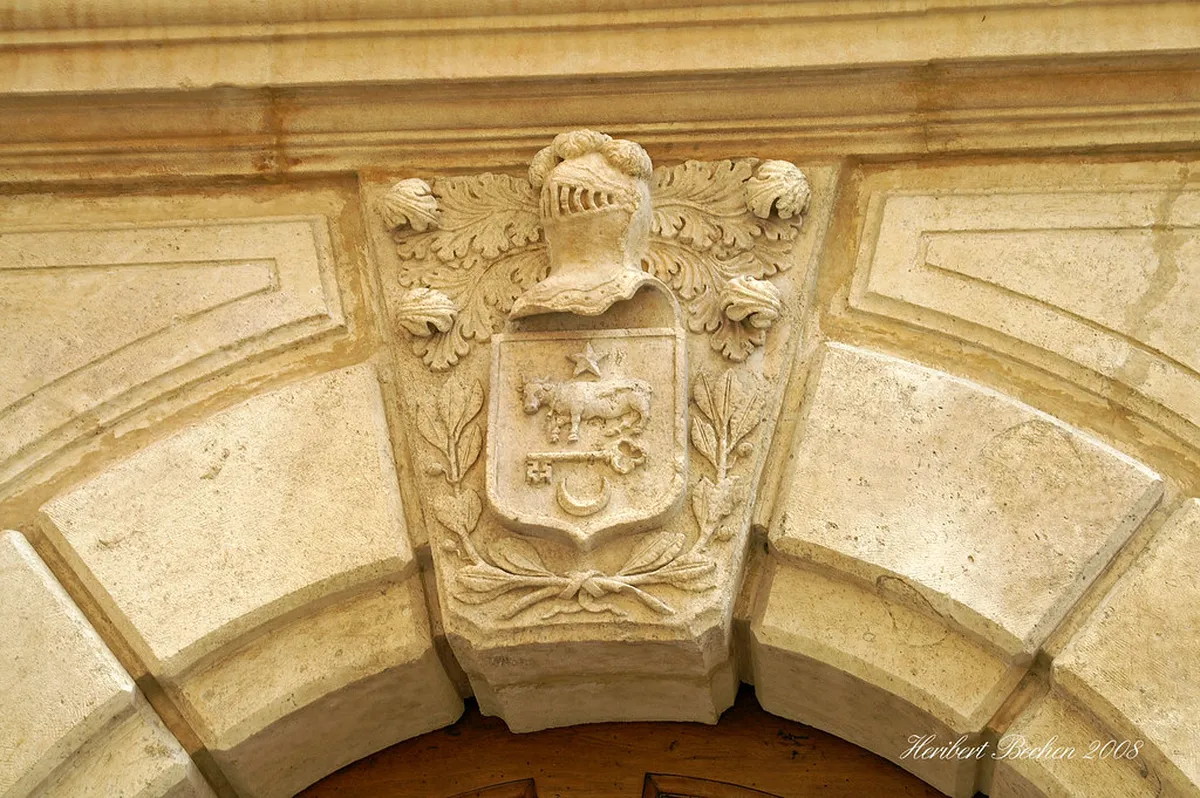
Beyond the main attractions, explore Avignon's side streets. You will discover charming doorways and wrought-iron balconies. These often overlooked details add character to your portfolio. Look for unique perspectives and personal stories.
Elevate your perspective by seeking higher vantage points. The Rocher des Doms garden offers panoramic views. From here, you can photograph the Palais and the river. It's a fantastic spot for cityscape shots.
Don't forget to look up at the ceilings and archways. Many religious buildings feature incredible frescoes. Churches like St-Didier or St-Pierre hold rich decorative elements. Capture the artistry above you.
Incorporate local life into your architectural shots. A cyclist passing an old wall adds human interest. People sitting in a cafe give a sense of place. This creates more dynamic and relatable images. Consider an Avignon architectural tour for insider access.
Frequently Asked Questions
What camera gear is best for Avignon architectural photography?
A versatile setup includes a DSLR or mirrorless camera. Bring a wide-angle lens (16-35mm equivalent) for grand scenes. A standard zoom (24-70mm) covers most situations. A travel tripod is invaluable for low-light shots and sharp details.
Consider a polarizing filter for reducing reflections. Graduated neutral density filters balance bright skies. Don't forget extra batteries and memory cards. A comfortable camera bag is essential for exploring Avignon's streets in 2025.
Are there any photography restrictions in Avignon's historical sites?
Most outdoor areas in Avignon are open for photography. Flash photography might be restricted inside certain buildings. Always check signs or ask staff if unsure. Tripods might also be limited in crowded indoor spaces.
Respect privacy when photographing people. Be mindful of cultural norms. Some religious sites may ask for no photography during services. Always follow local guidelines and regulations.
How can I capture the scale of Avignon's old city walls?
To emphasize the scale, include a human element in your frame. A person walking near the wall provides context. Use a wide-angle lens to encompass more of the structure. Get low to the ground for a more imposing view.
Shoot from a slight distance to show the wall's full sweep. Look for sections where the wall meets other structures. This helps illustrate its integration into the city. Consider taking an Avignon historical architecture walking tour to find the best spots.
Avignon's architectural beauty awaits your photographic vision. From the Papal Palace to hidden alleyways, opportunities abound. Focus on composition, light, and unique details for memorable images. Your journey through its history will be visually rewarding in 2025.
Practice these tips to elevate your photography Avignon architecture. Explore, observe, and capture the spirit of this magnificent city. We hope this guide helps you create stunning Avignon masterpieces. Happy shooting!
Key Takeaways
- Plan your photography around golden hour and blue hour for best light.
- Use a wide-angle lens for grand facades and a telephoto for intricate details.
- Explore beyond main landmarks to discover charming, less-crowded photographic gems.
- Master composition using leading lines and capturing unique architectural textures.
- Always check for photography restrictions, especially inside historical buildings.