
Map of Beaune Historical Buildings: 2025 Guide
Use our map of Beaune historical buildings to find iconic sites. Plan your 2025 walking tour with ease and expertise. Start your journey here!
On this page
Welcome to the heart of Burgundy wine country in beautiful France. This guide helps you find the best map of Beaune historical buildings for your 2025 trip. You will discover stunning Gothic architecture and ancient cobblestone streets in the city center. Start your adventure at the main square to see the famous colorful tiled roofs immediately. This small town offers a wealth of history around every corner for curious travelers.
Beaune remains a top destination for those who love art and old world charm. Navigating the town requires a clear plan to see all the major architectural sites. Many buildings date back to the Middle Ages and the Renaissance periods. Our guide provides the details you need for an unforgettable walking experience. Prepare to explore one of the most preserved towns in all of Europe.
The Iconic Hospices de Beaune Architecture
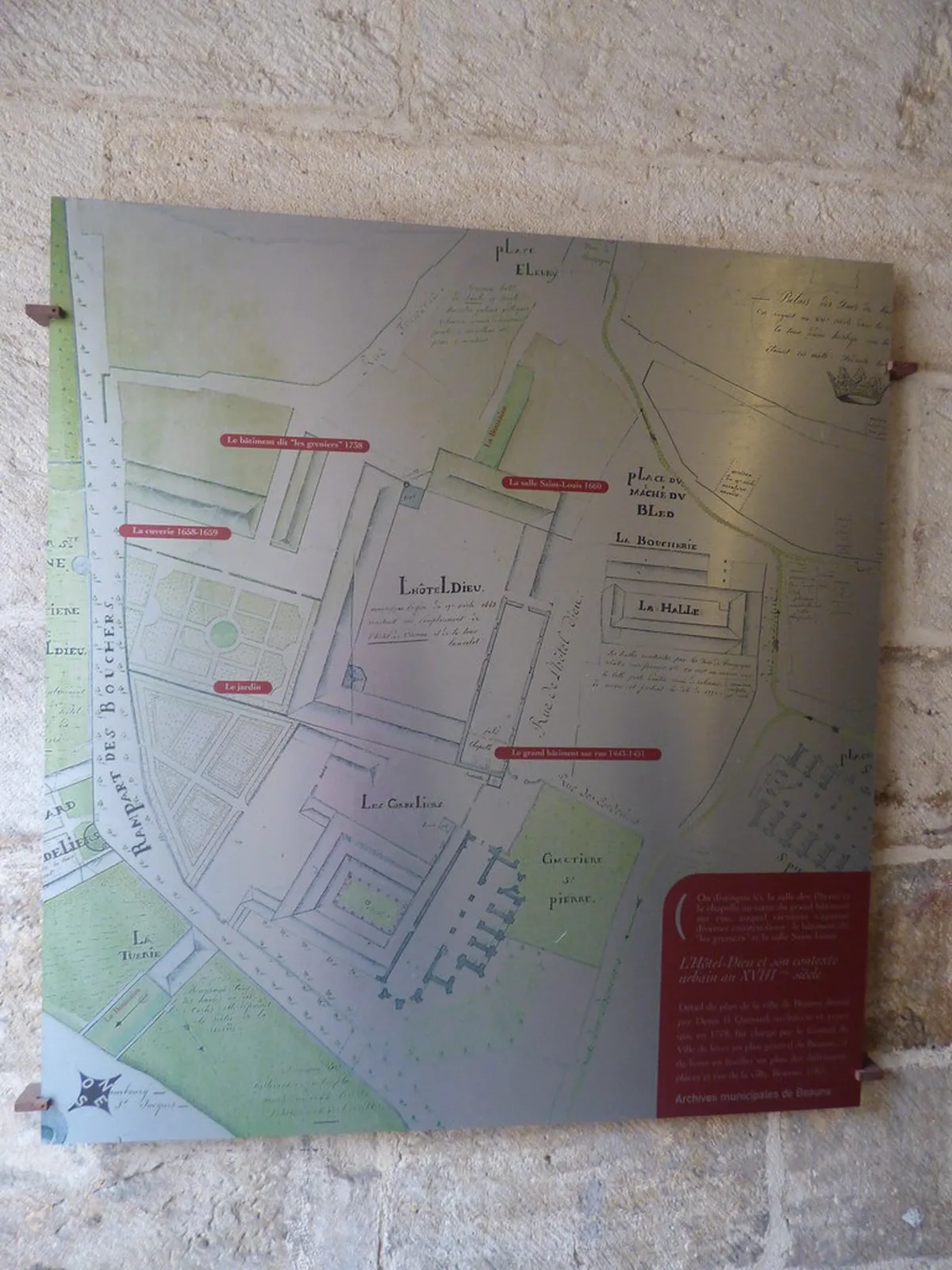
The Hospices de Beaune remains the most famous landmark in the entire city. It was founded in 1443 as a hospital for the poor and the sick. Look for the vibrant geometric patterns on the glazed roof tiles from the courtyard. This site is a masterpiece of the Flamboyant Gothic style from the 15th century.
You can find this building easily on any hospices de beaune architecture map. Entry fees for adults are usually around 12 Euros per person in 2025. Visit early in the morning to avoid the largest crowds during the summer. The museum inside tells a rich story of local medical and social history.
The central courtyard provides the best view of the unique architecture and colors. Use your camera to capture the intricate wood carvings on the balcony rails. Audio guides are available in several languages for visitors at the main entrance. Spend at least one hour exploring the grand halls and the ancient pharmacy.
The Great Hall of the Poor is the most impressive room in the complex. It features a stunning vaulted ceiling shaped like the hull of a ship. You can see the original beds used by patients hundreds of years ago. The chapel at the end of the hall still contains original religious art.
The Last Judgment altarpiece is another must-see treasure located inside the museum. This famous work by Rogier van der Weyden is kept in a climate-controlled room. It shows the incredible detail and skill of artists from that historical period. Be sure to check the closing times before you start your visit.
Medieval Gems on Your Walking Tour Beaune Architecture
Beaune is surrounded by impressive medieval stone walls and sturdy defensive towers. These ramparts offer a scenic path for your walking tour Beaune architecture experience. You can walk along most of the old city perimeter for free today. The views of the vineyards from the walls are truly beautiful and unique.
Stop by the Tour des Dames to see historic fortifications from the past. This tower protected the city during many ancient conflicts over the centuries. You will find several bastions still standing strong in the modern day. Most of these sites are free to view from the outside paths.
The Porte Marie-de-Bourgogne serves as a grand entrance to the historical center. It is a perfect spot to start your mapping journey through the city. Many local paths connect these sites in a circular loop around the town. Follow the signs for the Rempart walk to stay on the right track.
The city walls are nearly two kilometers long in their total distance. You can complete the full walk in about one hour at a slow pace. Several parks are located right next to the stone walls for resting. Many trees provide shade during the hot summer months in Burgundy.
Look for the old wash houses located near the small river channels. These stone structures were used by local people for centuries to clean clothes. They represent the daily life of historical residents in this medieval town. These spots are great for photography due to their rustic and aged appearance.
Using a Map of Beaune Historical Buildings
Finding hidden gems requires a detailed Beaune historical architecture guide. Many private mansions wait behind heavy wooden doors in the town center. You will see ornate stonework and elegant arched windows from the Renaissance. Keep your eyes open for small details on the old stone walls.
Some courtyards are open to the public during the daylight hours in town. Respect the privacy of local residents while you explore these quiet spaces. These areas offer a break from the busy tourist spots on the main streets. You can find stone wells and spiral staircases tucked away in corners.
The Maison du Colombier is a great example of history near the church. This 16th-century house features a unique corner turret and beautiful stone walls. It is now a popular spot for wine and food for travelers. Add this stop to your personal travel itinerary for a great photo.
A map of Beaune historical buildings helps you find the Hotel de Ville. This building was once an Ursuline convent before it became the town hall. It features a large gate and a very impressive stone facade. The gardens in front are perfect for a short rest during the day.
The Clock Tower is another essential stop on your navigational route today. This structure dates back to the 14th century and served as a watchtower. It stands tall over the surrounding shops and small local cafes. You can easily spot it from many different points in the city.
The Notre-Dame Basilica and Religious Heritage
The Collegiale Notre-Dame is a major historical site located in central Beaune. It features a mix of Romanesque and Gothic styles from different eras. The church was built between the 12th and 15th centuries for the people. It houses famous 15th-century tapestries that show the life of the Virgin.
Admission to the basilica is usually free for everyone to enjoy during the day. You can attend organ recitals during the summer months in the afternoon. Look for the Romanesque portal on the western facade of the building. The interior offers a peaceful atmosphere for reflection and quiet study.
The cloister area provides a glimpse into the ancient monastic life of the city. Only parts of the original stone cloister remain for visitors to see today. It is located just behind the main church building in a quiet spot. This site is a key stop on any architectural map you use.
Check the schedule for the tapestry displays as they are very delicate. These artworks are over five hundred years old and require special care. The colors remain surprisingly bright and tell a very detailed story. Most visitors spend about thirty minutes inside the main church area.
The square around the basilica is often full of flowers in the spring. You can find several small shops selling local crafts and religious items. This area feels very traditional and has not changed much over time. It is a central point for many different walking routes in town.
Planning Your Architectural Walking Route
Start your walk at the Place de la Halle for easy navigation. This central square is near the main tourism office of the city. You can pick up physical maps at that location for a small fee. Most major landmarks are within five minutes of each other on foot.
Wear comfortable shoes for the uneven cobblestone paths throughout the old town. Many streets are pedestrian-only zones during the busy summer weekends. This makes navigating the historical center very safe for families and groups. Check the weather before you begin your outdoor tour of the buildings.
Use digital tools to supplement your paper maps while you are walking. Pin the Beaune self-guided architectural walking routes on your phone. This ensures you do not miss any small alleys or hidden squares. The city is small enough to explore fully in one single day.
Many buildings have small plaques that explain their history in French and English. These markers provide context for the architecture you see in the streets. You can learn about the famous people who lived in these houses. Take your time to read them as you walk along the route.
The best time for photography is during the golden hour in the evening. The stone walls glow with a warm orange light at sunset. This makes the historical buildings look even more magical for your photos. Plan to finish your walk near a nice local wine bar.
Modern Elements and Preservation in 2025
Beaune works very hard to preserve its rich history for future generations. New laws protect the facades of old buildings from modern changes. You will see very few modern signs or bright lights in town. This keeps the medieval charm alive for every visitor to enjoy.
In 2025, the city plans to create even more pedestrian-only zones. These changes make walking tours even easier and safer to enjoy. Renovations continue on several private mansions throughout this calendar year. You might see some scaffolding on a few older stone structures.
Local museums now offer digital maps for modern travelers to use easily. You can scan QR codes at many historical sites for more facts. This provides instant information about the building's origin and its owners. Technology helps bridge the gap between the past and the present.
The city also focuses on sustainable tourism to protect the local environment. Recycling bins are placed discreetly near the major historical sites in town. Public transport options are available to reach the city from nearby Dijon. These efforts ensure the city remains beautiful for many years to come.
Visit the Wine Museum located in the former palace of the Dukes. This building shows how architecture and industry worked together in the past. It is a great example of the timber-framed houses in Burgundy. The museum is a highlights of any historical map of the town.
Frequently Asked Questions
Where can I find a map of Beaune historical buildings?
You can find a physical map at the Beaune Tourism Office. It is located near the Hospices de Beaune in the town center. Many hotels also provide free paper maps for their guests. Online digital guides are available for your smartphone to use easily.
Are the historical buildings in Beaune free to visit?
Many buildings like the Basilica and the ramparts are free to visit. However, the Hospices de Beaune requires a paid ticket for entry. Prices are usually around 12 Euros for adults in 2025. Private mansions can only be viewed from the street level for free.
How long does a Beaune architecture walking tour take?
A basic walking tour usually takes about two to three hours. This allows time to see the main sites and take photos. If you visit museums, plan for a full day in the city. The town is very compact and easy to navigate on foot.
What is the most famous building to see in Beaune?
The Hospices de Beaune is the most famous building in the city. It is known for its incredible roof of colorful glazed tiles. This site represents the height of 15th-century architecture in the region. It is a primary stop for every traveler in Burgundy.
Exploring Beaune is like stepping back in time to the Middle Ages. Use a detailed map of Beaune historical buildings to find every hidden gem. The town offers a perfect mix of art, history, and beautiful scenery. Plan your 2025 trip today to see these architectural wonders in person. Do not forget to book your museum tickets in advance for the best experience.
Key Takeaways
- Visit the Hospices de Beaune for the famous colorful tiled roofs.
- Walk the medieval ramparts for a free view of the city.
- Wear comfortable shoes for the historical cobblestone streets in town.
- Use digital and paper maps to find hidden Renaissance courtyards.
- Check museum hours and ticket prices before you start your tour.
Related reads: streetartly.com, street art and architecture in beaune, best free walking tours beaune.