
Explore the Ancient Besançon Roman Ruins in 2025
Discover the best Besançon Roman ruins with our 2025 guide. Learn about history and find hidden sites today. Explore Roman France now!
On this page
Besançon is a historic city tucked in a loop of the Doubs River. It was once a major Roman center known as Vesontio. Today you can still find many Besançon Roman ruins scattered through the streets. These ancient sites offer a deep look into the past glory of Rome.
Visiting these ruins is like stepping back two thousand years in time. The city blends modern life with these old stone structures perfectly. You will see grand arches and tall columns standing near modern shops. This guide helps you find the most important Roman ruins sites in the city.
Discovering the Magnificent Porte Noire Arch
The Porte Noire is the most famous of the Besançon Roman ruins today. This triumphal arch dates back to the second century AD. It was built during the reign of Emperor Marcus Aurelius. The arch stands nearly sixteen meters tall in the city center.
You can find this monument right next to the Saint-Jean Cathedral. The stone has darkened naturally over many centuries of exposure. Local experts have carefully cleaned and restored the intricate carvings recently. It remains a powerful symbol of Roman power in eastern France.
The carvings on the arch depict many mythological and military scenes. You can see images of Roman gods and ancient battle victories. These details tell stories of the people who lived here long ago. For more history, check out the Roman arch history details online before your trip.
Visitors can walk under the arch at any time for free. It is a public monument located on a quiet stone street. Take your time to look at the fine relief work closely. The arch serves as a grand entrance to the older parts of town.
Photographers love this site because of the dramatic lighting at sunset. The surrounding 18th-century buildings provide a beautiful contrast to the Roman stone. It is a must-see stop for anyone visiting Besançon in 2025. This arch truly connects the ancient world to the modern city.
Exploring the Columns of Square Castan
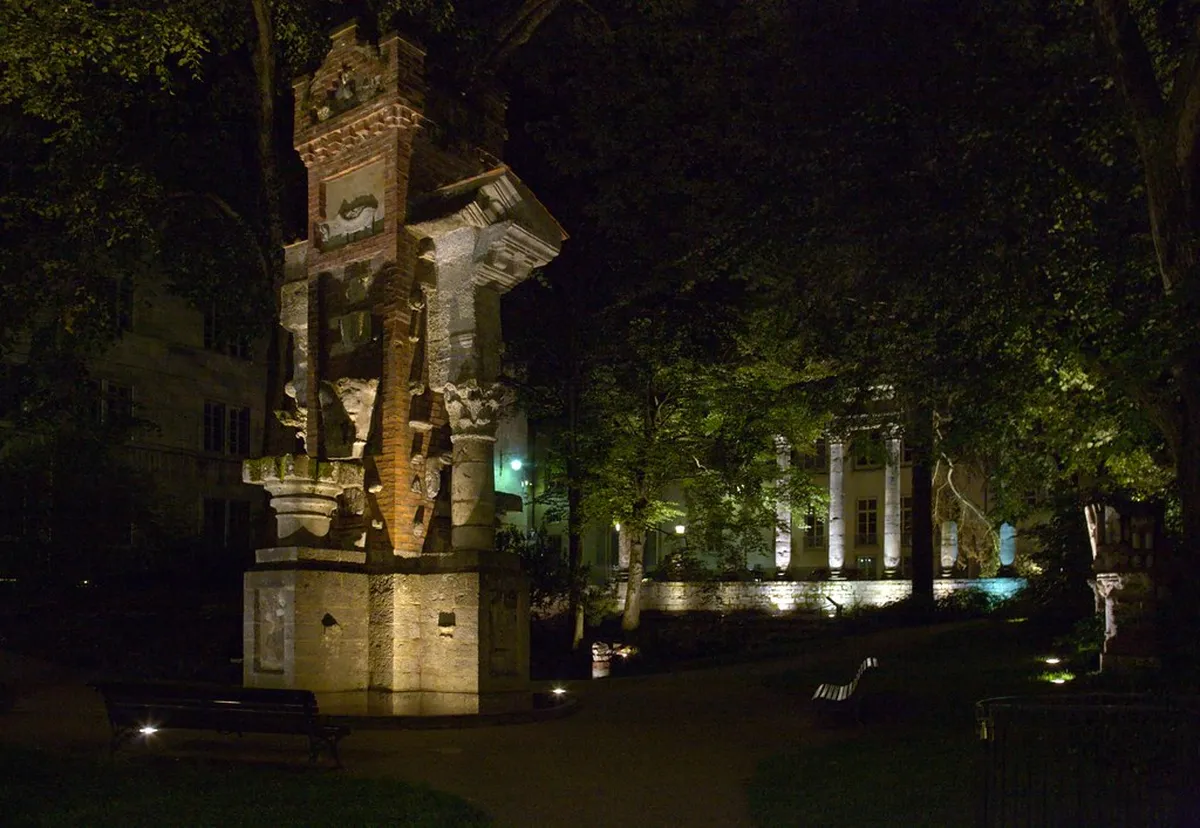
Square Castan is an open-air archaeological park located near the cathedral. It contains eight beautiful Corinthian columns from an ancient semi-circular building. Historians believe these columns were part of a grand water fountain or theater. The site was rediscovered in the nineteenth century during urban work.
The park is filled with lush green trees and shaded walking paths. It offers a peaceful place to rest while exploring the historic center. You can see the ruins from the sidewalk or enter the park. The ruins sit slightly below the current street level of the city.
Many Besançon Roman ruins were reused in later historic buildings nearby. You can see old Roman stones in the walls of local houses. This recycling of materials was very common in the Middle Ages. It makes the whole neighborhood feel like a living museum.
Information signs in the park explain the layout of the ancient structures. You can learn about the different phases of construction at this site. The columns still look impressive despite the passage of time. They remind us of the architectural skill of Roman engineers.
Admission to Square Castan is free for all visitors throughout the year. It is a great spot for a morning walk in 2025. The park is well-maintained and very clean for families to enjoy. It is one of the most scenic spots in the entire city.
Roman Artifacts in the Archaeological Museum
The Musée des Beaux-Arts et d'Archéologie holds many Roman treasures. It is the oldest public museum in France, founded in 1694. The ground floor is dedicated to the ancient history of the region. You will find incredible mosaics that once decorated local Roman villas.
One of the highlights is the large mosaic of Neptune. It features vibrant colors and very detailed tile work from ancient times. You can also see collections of Roman pottery, glass, and bronze tools. These items show how people lived their daily lives in Vesontio.
The museum provides context for the outdoor Besançon Roman ruins you see. Seeing the small artifacts helps you imagine the city as it once was. The museum is located in a stunning building in the city center. It is a perfect rainy-day activity for history lovers visiting in 2025.
Tickets for the museum are affordable at around eight Euros per adult. Students and seniors can often get discounts on their entry price. The museum is open most days except for major public holidays. It is located just a short walk from the main shopping streets.
You should allow at least two hours to see the archaeological section. Use an audio guide to hear stories about the most famous pieces. The displays are well-lit and easy to navigate for all ages. It is a key part of any walking tour of Besançon architecture today.
The Ancient Engineering of the Roman Aqueduct
Roman cities required a constant supply of fresh water for public baths. Engineers built a long aqueduct to bring water from the Arcier springs. It stretched for over twelve kilometers across the rugged French landscape. Parts of this massive structure are still visible in the countryside today.
In the city, you can find traces of the water distribution system. Some stone channels were found during modern construction projects in the center. These remains show the advanced planning used by the Roman administrators. They prioritized clean water for every citizen in the bustling city.
If you like hiking, you can follow the path of the old aqueduct. Several sections are marked with signs for tourists to follow easily. You will see how the Romans used gravity to move water. This is a great way to see the natural beauty of the region.
The springs at Arcier still provide water to the city of Besançon. This is a rare example of ancient infrastructure still serving a modern purpose. It highlights the lasting legacy of the Roman presence in this area. You can find these sites using an ancient Roman ruins map of the area.
Exploring the aqueduct takes you away from the busy city crowds. It offers a quiet look at the scale of Roman engineering projects. Many of these sites are hidden in the woods or near small villages. Wear comfortable shoes if you plan to visit these outlying ruins.
Hidden Roman Traces in Besancon Streets
Not all Besançon Roman ruins are large monuments like the Porte Noire. Many small fragments are hidden in plain sight across the town. You might see a Roman pillar used as a corner stone. Some private cellars in the city still have original Roman walls.
Archaeologists often find new ruins when they dig for modern building foundations. Recent work near the river revealed parts of an ancient quay system. These discoveries help experts map the original layout of the Roman city. It is a constantly evolving field of study in the region.
Look for bronze plaques on the ground that mark ancient Roman sites. These markers help guide you through the winding streets of the old town. You can find many hidden architectural gems if you look closely at the walls. Every corner seems to hold a small piece of the past.
The Roman theater was once located on the slopes of the Citadel hill. Some of its foundations are still preserved under modern residential buildings today. You cannot see all of it, but the street layout follows its shape. This influence on urban design is very interesting for history fans.
Local tour guides offer specialized walks focused only on the Roman period. These tours can take you into areas not usually open to the public. You might get to see hidden basements or private courtyards with ruins. Booking a guide is a great way to learn deep secrets.
Planning Your Roman History Tour in 2025
Besançon is very easy to reach by train from Paris or Lyon. The high-speed TGV train makes it a perfect weekend trip destination. Once you arrive, the historic center is easy to explore on foot. Most of the Besançon Roman ruins are within a small area.
Wear comfortable walking shoes since many streets are paved with old cobblestones. The best time to visit is from May to September for good weather. You can enjoy the outdoor ruins and the riverside walks in the sunshine. Some sites may have limited hours during the colder winter months.
While exploring Roman sites, do not miss the Vauban Citadel architecture on the hill. It is a UNESCO World Heritage site and offers great city views. You can see how the city defense evolved from Roman times to the 1600s. The walk up to the citadel is steep but very rewarding.
There are many charming cafes located near the Porte Noire for a break. You can sip coffee while looking at the ancient Roman carvings. Local bakeries sell a delicious cake called Galette Comtoise that you must try. The local food is just as rich as the local history.
Make sure to check the city's official tourism website for 2025 events. They often hold Roman-themed festivals or special night tours in the summer. These events bring the ancient history of the city to life for everyone. Besançon is a city that truly cherishes its long and diverse past.
Frequently Asked Questions
Are the Roman ruins in Besançon free to visit?
Yes, most outdoor sites like the Porte Noire and Square Castan are free. You can view them at any time of the day or night. Only the indoor museum requires a paid ticket for entry.
How long does it take to see the Roman sites?
You can see the main city center ruins in about two to three hours. If you visit the museum, plan for a half-day trip. Hiking to the aqueduct will require a full day of exploring.
Where is the best place to start a Roman tour?
The best starting point is the Porte Noire next to the cathedral. From there, you can easily walk to Square Castan and the museum. This route covers the most important Besançon Roman ruins in one walk.
Are the Roman ruins accessible for people with mobility issues?
Most outdoor ruins are visible from flat public sidewalks in the city. Square Castan has some steps, but the columns are visible from the street. The museum has elevators and is fully accessible for all visitors.
Besançon offers a unique look at the ancient Roman history of France. From the grand Porte Noire to the quiet columns of Square Castan, there is much to see. Plan your visit in 2025 to enjoy these incredible Besançon Roman ruins in person. You will leave with a deep appreciation for the city's long and fascinating story. Explore the city today and discover the magic of the Roman past.
Key Takeaways
- Visit the Porte Noire to see detailed second-century Roman carvings.
- Explore Square Castan for a peaceful look at ancient Corinthian columns.
- Check out the Archaeological Museum for stunning Roman mosaics and artifacts.
- Follow the ancient aqueduct trail for a mix of history and nature.
- The city center is walkable and most Roman sites are free to view.