
Discover Vauban Citadel Architecture Besançon
Explore the Vauban Citadel architecture Besançon offers. See historic military design and planning tips for your 2025 visit to France. Read more.
On this page
The Vauban Citadel architecture Besançon offers is a true masterpiece of 17th-century engineering. This massive fortress sits high above the historic city in eastern France. It represents the height of military design under King Louis XIV. You will find incredible views of the Doubs river from the walls.
Sébastien Le Prestre de Vauban designed this iconic site to defend the French border. It is now a UNESCO World Heritage site and a top destination for travelers in 2025. The site covers eleven hectares and dominates the local skyline perfectly. It serves as a great example of city architecture today.
Visitors can spend hours exploring the different levels of this limestone fortress. The complex includes museums, walking paths, and a unique animal park. You will experience a blend of history and nature in one place. Every corner of the site reveals a new secret about ancient warfare.
The Engineering Genius of Vauban
Vauban was the most famous military engineer of the French monarchy. He used the steep terrain of the city to create a defensive masterpiece. The layout follows a sophisticated plan that minimized weak spots in the defense. You can see how he matched the walls to the natural slopes.
The Citadel uses a series of bastions and curtains to protect the interior. These thick stone walls could withstand heavy artillery fire for many weeks. The geometric precision of the design remains visible from the air today. Learning about the fortress history adds depth to your visit.
The limestone used in the construction came from local quarries near the site. This stone gives the fortress its distinct gray and yellow hues. Builders spent years cutting these stones to fit the strict engineering plans. The result is a structure that has lasted for over three centuries.
Modern architects still study the proportions used by Vauban in his work. He balanced utility with a sense of royal grandeur for the King. This balance makes the site beautiful as well as highly functional. It stands as a testament to French ingenuity during the Golden Age.
Walking along the ramparts allows you to see these details up close. Notice how the corners of the walls create wide viewing angles for soldiers. This design allowed defenders to cover every possible approach to the gates. It was nearly impossible for enemies to enter without being spotted.
Structural Features of the Main Ramparts
The ramparts of the Citadel are its most striking visual feature. They stretch for hundreds of meters around the top of the rocky hill. These walls are several meters thick to stop cannonballs effectively. You can walk the entire perimeter to see the architectural significance yourself.
There are three main fronts of defense protecting the landward side. Each front includes deep ditches and high stone walls for maximum security. These layers forced attackers to clear multiple hurdles before reaching the center. It is a classic example of defense in depth for that era.
The King's Front is the most decorative part of the defensive circuit. It features classical carvings and grand entrances for visiting officers and royalty. You will see the royal sun emblem carved into the central stone. This decoration showed the power of the French crown to all visitors.
Watchtowers sit at the corners of the bastions for better visibility. These small stone structures protected sentries from rain and enemy sniper fire. They provide excellent spots for photography during your visit in 2025. The views of the Jura mountains from these towers are truly breathtaking.
Maintaining these walls requires constant care from local historical experts. They use traditional methods to repair the limestone and mortar every year. This preservation ensures that the structure remains safe for thousands of annual tourists. You can see the original craftsmanship in every layer of stone.
Inside the Gates of the Fortress
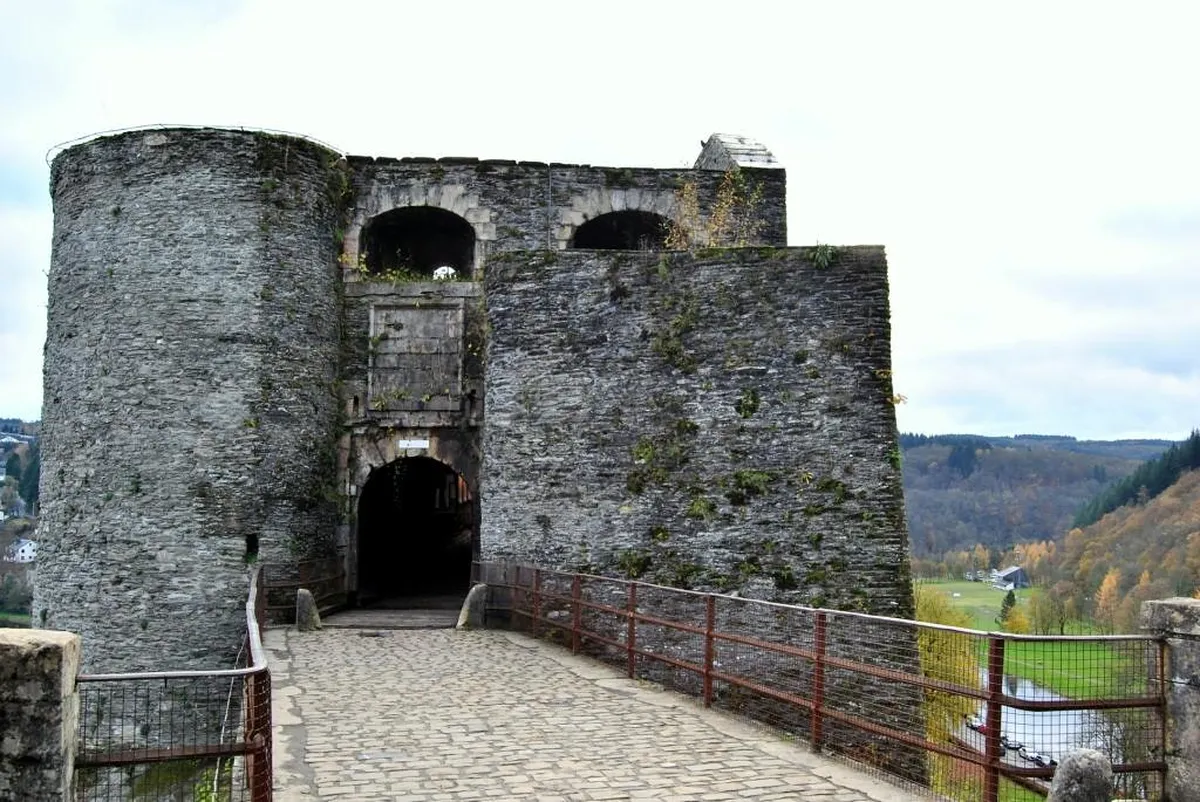
Passing through the main gate feels like stepping back in time. The entrance features a heavy wooden door and a complex bridge system. You can examine the interior details of the gatehouse upon entry. It served as the primary control point for all traffic.
The interior courtyard is large enough to hold an entire army regiment. It contains barracks, storehouses, and a beautiful chapel for the soldiers. These buildings follow the same strict architectural style as the outer walls. They show the daily life of the men who lived here.
The Saint-Etienne Chapel is a highlight of the inner fortress area. It features a simple but elegant design suited for a military setting. Visitors can go inside to see the high vaulted ceilings and stone floors. It provided a place of peace within the busy military compound.
You will also find the deep well that provided water during sieges. Digging this well through solid rock was a massive engineering feat. It reached the level of the river far below the mountain peak. This water source was vital for the survival of the garrison.
The barracks have been converted into modern museums for the public. You can visit the Museum of Resistance and Deportation inside these walls. This museum offers a moving look at French history during World War II. It adds another layer of meaning to this historic military site.
Unique Defensive Elements and Geometry
Vauban used advanced mathematics to calculate the angles of every wall. This ensured that there were no blind spots for the defenders. If an enemy reached the wall, they would be caught in crossfire. This mathematical approach revolutionized how forts were built across Europe.
The outworks include half-moons and counter-guards that sit outside the main walls. These structures were designed to delay the enemy as long as possible. They are now covered in lush green grass and walking paths. They provide a beautiful contrast to the harsh gray stone of the fort.
Underground galleries also played a role in the defense of the Citadel. Soldiers could move safely between different bastions without being seen from above. Some of these tunnels are open to the public during guided tours. They offer a cool escape from the summer heat in France.
The location of the Citadel allows for a panoramic view of the city. You can see many other historic buildings from the top of the ramparts. This height was essential for spotting enemy movements in the valley. It remains the best vantage point in the entire region today.
Architecture enthusiasts will appreciate the clean lines of the masonry work. The stones are fitted together with incredible precision without using much mortar. This dry-stone technique helped the walls flex slightly during temperature changes. It is one reason why the walls are still standing today.
The Citadel as a UNESCO World Heritage Site
In 2008, UNESCO recognized the site for its outstanding universal value. It is part of a group of twelve major Vauban sites in France. This status brings international funding and protection to the historic fortress. It ensures that future generations can learn from this engineering marvel.
The site serves as a museum of military architecture for the world. You can take a walking tour to see all the key features. Informational signs provide details in several languages for international visitors. It is an educational experience for people of all ages.
Conservation efforts focus on keeping the site authentic to its 17th-century roots. Experts use historical documents to guide all renovation and repair projects. This attention to detail makes the Citadel a living history book. You can see the progression of building techniques over the decades.
The Citadel also hosts cultural events and art exhibitions throughout the year. These events bring modern life to the ancient stone structures. You might see a concert or an outdoor play during your summer visit. It is a vibrant part of the local community in Besançon.
Visitors can access the site by walking or taking a shuttle bus. The climb from the city center is steep but very rewarding. Wear comfortable shoes for the uneven stone paths throughout the complex. The experience of walking these halls is truly worth the effort.
Frequently Asked Questions
How much does it cost to visit the Citadel in 2025?
The standard adult ticket costs approximately 12 to 15 Euros. This price includes access to the ramparts and most on-site museums. Children and students can often get a discounted entry rate. Check the official website for current group rates and seasonal deals.
How long should I spend exploring the architecture?
You should plan to spend at least three to four hours. This gives you enough time to walk the walls and visit museums. Many visitors stay for the whole day to see the zoo. There are cafes on-site where you can stop for a quick lunch.
Is the Vauban Citadel accessible for people with mobility issues?
Some areas of the Citadel are difficult to access due to steep hills. However, the main courtyards and several museums are wheelchair friendly. A shuttle bus can take you from the city to the entrance. Staff members are available to help you find the easiest routes.
The Vauban Citadel architecture Besançon offers is a highlight of any trip to France. Its mix of military history and beautiful design creates a unique atmosphere. You will leave with a deep respect for the engineers of the past. Plan your visit for 2025 and discover this stone giant for yourself.
Key Takeaways
- Visit the ramparts for 360-degree views of the Doubs River.
- Wear sturdy walking shoes to navigate the uneven stone paths safely.
- Allow at least half a day to see the museums and architecture.
- Check the weather before you go as most paths are outdoors.