
Street Art and Architecture in Besançon
Discover the best street art and architecture in Besançon. Explore 2025 murals and historic Vauban sites. Plan your French urban art walking tour today!
On this page
Besançon is a hidden gem in eastern France that perfectly blends its ancient history with very vibrant modern art. The city of Besançon sits inside a dramatic loop of the scenic and winding Doubs river in eastern France. Visitors often come here to see the incredible mix of street art and architecture in Besançon throughout the year. This city offers a unique visual journey from Roman ruins to massive colorful murals on every street corner. You will find that the local limestone buildings provide a perfect canvas for many talented international urban artists.
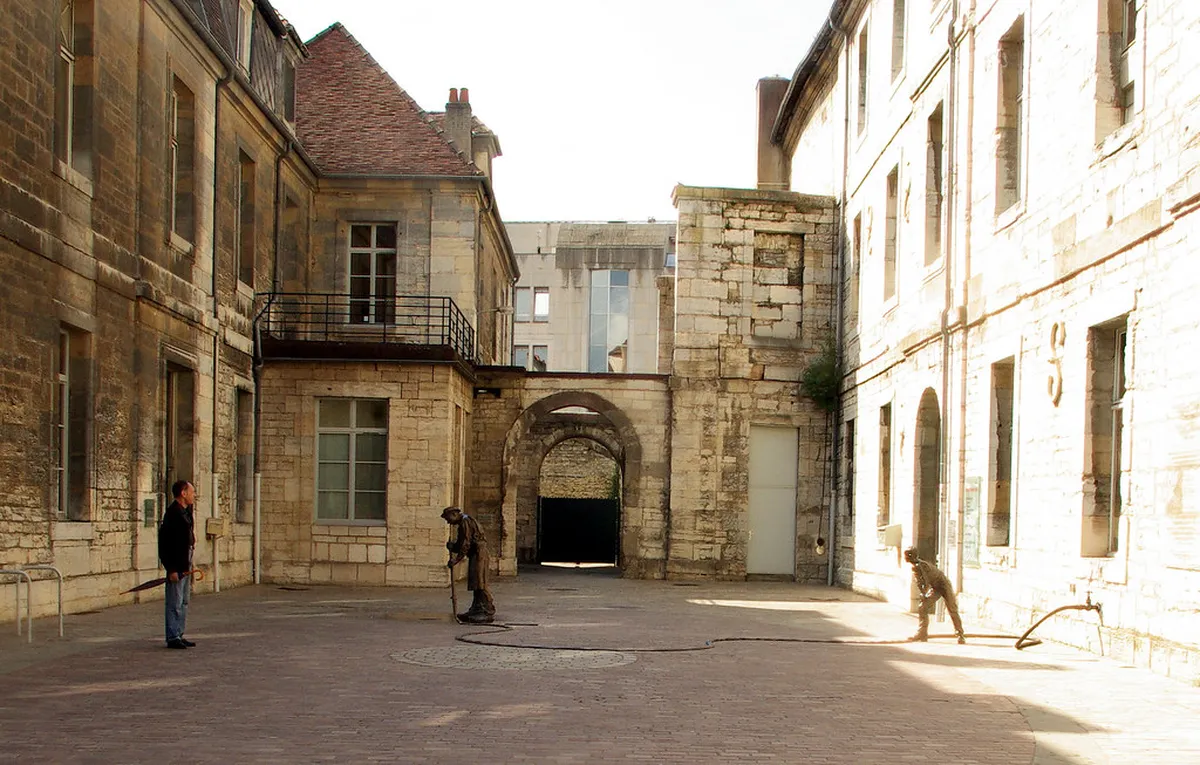
The city has been designated as a UNESCO World Heritage site because of its incredible seventeenth century defensive fortifications. However, the modern creative energy is just as impressive as the ancient walls built by the famous architect Vauban. You can find many historic buildings in Besançon that now feature bold and contemporary street art pieces. This contrast creates a dynamic atmosphere that makes the city feel like a living museum for every curious traveler. Exploring these streets in 2025 will reveal many new artistic surprises tucked away in very quiet courtyards.
Whether you love classical history or modern urban culture, this French city has something special to offer every visitor. You should spend at least two full days wandering through the narrow alleys to appreciate the local creative spirit. Many neighborhoods have undergone a transformation thanks to the annual Bien Urbain festival which celebrates different forms of art. Preparing for your visit requires understanding both the deep historical roots and the fast growing local street art scene. Let us dive into the best places to see these architectural and artistic treasures in this beautiful city.
Vauban's Lasting Architectural Legacy
The Citadel of Besançon stands high above the river as a true masterpiece of military and defensive engineering work. This massive fortress was designed by the famous architect Vauban during the late seventeenth century for King Louis XIV. You can explore the thick stone walls and enjoy panoramic views of the rooftops from the high rampart walks. Visitors should check out the Vauban Citadel architecture in Besançon to learn more about this impressive UNESCO World Heritage site. The site is open daily from 9:00 AM to 6:00 PM and costs approximately 12 euros for adults.
Inside the fortress walls, you will find three different museums that explain the local history and the natural world. The architecture features complex gates, tunnels, and bastions that were nearly impossible for any ancient enemy to conquer successfully. Each building within the Citadel was constructed using the characteristic blue and grey limestone found in the local region. These stones give the entire city a unified and elegant appearance that changes color depending on the daily light. You will notice how the sunlight reflects off the surfaces during the golden hour in the late summer afternoon.
The city walls extend down from the hilltop to protect the entire loop of the beautiful and historic river. You can walk along these fortifications for several kilometers while enjoying the fresh air and the scenic river views. Many of the old guard towers have been preserved and now serve as interesting landmarks for modern city hikers. These structures represent a time when Besançon was one of the most important strategic locations in all of France. The sheer scale of the masonry work is a testament to the skill of workers from centuries ago.
Modern life now flows through these historic gates as residents and tourists move between the old and new districts. You will see students from the local university gathering near the ancient walls to study or to enjoy lunch. The architecture provides a sense of permanence and stability that defines the character of this very proud French city. Many cultural events are held within the fortress grounds during the summer months to celebrate the local heritage. It is the perfect starting point for anyone who wants to understand the physical layout of the urban landscape.
Getting to the Citadel is easy if you take the local Ginko bus or choose the steep walking path. The walk takes about twenty minutes from the city center but offers many great photo opportunities along the way. Be sure to wear comfortable shoes because the stone paths can be quite uneven and slippery after the rain. Once you reach the top, the layout of the city below becomes much easier to understand and navigate. This view highlights why the architectural placement of the city was so vital for its long term survival.
Ancient Roman Ruins in Modern Besançon
Besançon was known as Vesontio during the Roman era and many ancient ruins still stand in the city today. The most famous structure is the Porte Noire which is a decorated triumphal arch built during the second century. This arch stands near the cathedral and features intricate carvings of ancient gods and various important Roman military scenes. You can see the Besançon Roman arch history in detail by visiting the Square Castan located just a few steps away. The arch has survived for centuries and remains a powerful symbol of the deep roots of the local community.
Square Castan contains the remains of an ancient semi-circular theater and several Corinthian columns from a lost Roman temple. This archaeological park is a quiet place where you can sit and imagine what the city looked like long ago. The park is free to enter and offers a peaceful escape from the busy streets of the modern center. You will find that the Roman stones have been integrated into many of the nearby houses and garden walls. This blending of eras is a common theme that defines the street art and architecture in Besançon today.
Archaeologists continue to find new artifacts beneath the city streets whenever a new construction project begins in the center. Many of these finds are displayed in the local Museum of Fine Arts and Archaeology for the public to see. The museum is located in a beautiful nineteenth century building that was once a covered market for local farmers. It is the oldest public museum in France and holds an incredible collection of ancient mosaics and bronze statues. Visiting this museum helps you connect the dots between the Roman past and the vibrant present of the city.
The Roman theater once held thousands of spectators who came to watch various performances and important public gatherings or events. Today, only a small portion of the original seating remains visible above the ground for visitors to explore now. You can see how the city has grown around these ancient sites without destroying the history that makes it unique. It is fascinating to see modern graffiti located just a few meters away from stones carved nearly two thousand years ago. This proximity highlights the ongoing evolution of human expression within the same urban space over many long centuries.
Walking between these Roman sites is a great way to explore the heart of the historic district called La Boucle. Each turn reveals a new detail like a hidden column or an old Latin inscription on a stone wall. The local tourism office provides maps that highlight all the major Roman landmarks for those who want a guide. You should take your time to look closely at the weathered details of the stone carvings in the park. These ancient ruins provide the foundational layers for the street art and architecture in Besançon that we admire today.
The Vibrant World of Besançon Murals
The street art scene in Besançon has exploded in popularity thanks to the creative work of the Bien Urbain festival. This annual event invites artists from all over the world to create massive murals on the walls of the city. These artworks range from abstract patterns to realistic portraits that cover the sides of tall apartment buildings and schools. You can find many of the best Besançon murals by exploring the neighborhoods just outside the historic central loop of the river. These pieces bring color and modern energy to areas that were once considered very quiet or even quite dull.
One of the most famous murals features a giant hand that appears to be drawing on the building itself. This piece was created by a well known artist and has become a landmark for locals and tourists alike. Many of the murals are designed to interact with the specific architecture and environment of the surrounding urban street. For example, some artists use the windows and pipes of a building to become part of their creative design. This clever approach shows a deep respect for the existing structures while adding a fresh layer of modern meaning.
You will find that the street art and architecture in Besançon often share the same color palette of grey. Many artists choose to work with muted tones to complement the natural limestone of the historic buildings in the area. This creates a sophisticated look that is different from the bright and neon street art found in other cities. However, some walls feature bursts of vibrant blue and yellow that stand out against the cloudy skies of winter. These colors can brighten your mood even on the coldest and most grey days in eastern France during January.
The street art is not limited to large walls as you can also find small stickers and stencil art. These tiny pieces are often hidden in alleys or on the back of street signs for careful observers to find. Exploring these details is like going on a treasure hunt through the different layers of the city's modern culture. You might find a small ceramic mosaic or a clever political poem written in a very small font size. These small gestures prove that art is a fundamental part of daily life for the people living here.
To see the newest pieces, you should check the interactive Besançon street art map for 2025 before you start your walk. The map is updated regularly by local enthusiasts who track every new addition to the walls of the city. You can use your smartphone to navigate between the most impressive sites without getting lost in the winding streets. Many of the best murals are located in the Battant district which is just across the bridge from center. This area has a very bohemian vibe and is home to many artists and small creative workshops today.
Art Deco Styles in the City Center
While the city is famous for its older buildings, it also features some stunning examples of Art Deco architectural design. This style became popular in the early twentieth century and added a new modern flair to the historic city streets. You can spot these buildings by their geometric shapes, decorative ironwork, and unique floral patterns carved into the stone. Many of the key Art Deco buildings in Besançon are located near the main shopping streets and the local theater. They represent a period of growth and modern optimism that occurred between the two major world wars of history.
The Post Office building is one of the most prominent examples of this style with its grand and imposing facade. It features elegant lines and decorative details that make it stand out from the surrounding classical limestone structures nearby. You should also look for the old cinema buildings which often feature classic Art Deco signage and colorful tilework. These structures remind us of a time when going to the movies was a very grand and social event. The interiors of some of these buildings still retain their original lamps and beautiful ornate plaster ceilings from 1930.
Art Deco in this city often incorporates local symbols like the clock making heritage for which the region is famous. You might see small carvings of gears or clock faces integrated into the decorative panels of the residential apartment blocks. This connection to local industry makes the architecture feel very personal and unique to the history of the town. Many of these buildings have been carefully restored to preserve their original beauty for future generations to enjoy today. They provide a bridge between the very old stone walls and the very modern murals found on the streets.
A walk through the city center will reveal many small Art Deco details if you look up above the shops. Look for the balconies with intricate metal railings that feature sunburst patterns or very stylized geometric shapes and lines. These details add a touch of glamour and sophistication to the everyday urban environment of the busy French streets. It is worth taking a moment to appreciate the craftsmanship that went into every small part of these modern buildings. The architects of this era wanted to create a style that felt fast, functional, and very beautiful too.
Some of the most interesting Art Deco spots are tucked away in the quieter residential streets of the La Boucle. You can find small villas and apartment houses that look like they belong in a classic movie from the 1920s. These buildings often have beautiful gardens and colorful stained glass windows that catch the light in the early morning. Exploring these areas gives you a deeper appreciation for the architectural diversity that exists within this relatively small city. It is a wonderful contrast to the heavy stone fortifications that dominate the skyline of the historic hilltop.
How to Plan Your 2025 Walking Tour
Planning a successful walking tour to see the street art and architecture in Besançon requires a bit of early preparation. Start your journey at the Tourist Office located near the bridge to get the most recent maps and brochures. They can provide information about any special exhibitions or new murals that have been painted in the last month. You should definitely consider booking a Besançon architecture walking tour to hear stories from a local expert. A guide can point out hidden details that you might otherwise miss while walking on your own through the city.
The best route starts in the historic loop and slowly moves outward toward the more modern neighborhoods of the town. You will pass the major Roman sites and the cathedral before heading toward the river and the massive stone walls. Be sure to cross the bridge into the Battant district to see the more experimental and edgy street art. This area is full of small cafes where you can stop for a coffee and watch the local world. The total walking distance for a comprehensive tour is about five to seven kilometers depending on your chosen path.
To capture the best images of the murals, you should read these photography tips for Besançon street art before you head out. Light is very important because the narrow streets can be quite dark even during a very bright and sunny day. The best time for photos is usually in the early morning or the late afternoon when the shadows are soft. Try to include some of the historic architecture in your street art photos to show the contrast between styles. This creates a more interesting visual story that highlights the unique character of this very artistic French city.
You should also check the weather forecast because the region can be quite rainy during the spring and the autumn. Bring a small umbrella and wear waterproof shoes so that you can keep exploring even if it starts to drizzle. Many of the murals look even more vibrant when the wet pavement reflects the colors of the painted walls. If the weather is too bad, you can spend your time inside the many museums and historic churches. Most of the major landmarks are located within walking distance of each other in the very compact city center.
Don't forget to pack some snacks and a bottle of water for your long walk through the various neighborhoods. There are many public fountains throughout the city where you can refill your bottle with fresh and clean local water. You will also find many bakeries selling the local specialty which is a delicious butter cake called Galette Comtoise. Eating a slice of this cake while sitting in a historic square is the perfect way to recharge. Taking breaks will help you stay energized as you discover the street art and architecture in Besançon all day.
Creative Neighborhoods Beyond the Loop
While the center is beautiful, the neighborhoods outside the river loop offer a more authentic and local creative experience. Districts like Planoise have become famous for their large scale murals that cover entire blocks of social housing buildings. These projects were designed to bring beauty and a sense of pride to the residents of these modern areas. You can see how art can transform a functional space into something that is truly inspiring and very colorful. To reach these areas, you can take the modern tramway which is a fast and very convenient way to travel.
In these outer districts, you will find that the street art often tells stories about the local community and its history. Some murals celebrate the diverse backgrounds of the people who live in the neighborhood today through bright and bold portraits. Other pieces focus on environmental themes or local legends that have been passed down through many generations of families. You might even see a guided Besançon graffiti tour taking place in these more industrial and modern parts of the city. These tours often feature artists who can explain the techniques and the messages behind the large scale works.
The architecture in these neighborhoods is a mix of mid-century modernism and contemporary designs that focus on glass and steel. This provides a very different backdrop for the street art compared to the ancient limestone walls of the old center. You will see how the urban landscape changes as you move away from the historic heart of the town. This diversity of styles is what makes Besançon such an interesting place for anyone who loves modern urban planning. It shows that a city can respect its past while also embracing the future of art and design.
Many local artists have their studios in these outer neighborhoods where the rent is more affordable than in the center. You can sometimes visit these creative spaces during open studio events that are held once or twice a year. This is a great chance to meet the people who are shaping the future of the local art scene. You might see them working on small paintings or preparing for the next big mural festival in the summer. These interactions add a personal layer to your visit and help you understand the hard work behind the art.
Exploring these less touristy areas will give you a more complete picture of what life is like in Besançon today. You will find local markets, small parks, and community gardens where people gather to socialize and enjoy the fresh air. The street art here is not just for decoration but is a part of the social fabric of the neighborhood. It invites conversation and encourages people to look at their everyday environment in a new and more creative way. Make sure to include at least one of these outer districts in your 2025 travel itinerary for the city.
Frequently Asked Questions
What is the best time of year to see street art and architecture in Besançon?
The best time to visit is during the late spring or early summer months from May to July. This is when the Bien Urbain festival usually takes place and many new murals are being painted. The weather is pleasant for walking through the streets and the days are long and very bright. You will have plenty of natural light for taking great photos of the architecture and the colorful street art.
Are there any free maps available for the street art locations?
Yes, the local tourist office provides a free basic map that highlights the major historical sites and some murals. However, for a more detailed and up-to-date list, you should use the digital maps provided by the festival. You can also join a guided Besançon graffiti tour to see the newest hidden pieces. These resources will help you find the most impressive artworks without wasting any of your valuable travel time.
How much time do I need to see the main architectural sites?
You should plan to spend at least one full day exploring the historic center and the Vauban Citadel. This will give you enough time to climb the hills and visit the various museums inside the fortress. If you want to see the street art in the outer neighborhoods, add a second day to your trip. This allows for a more relaxed pace and plenty of time for coffee breaks in the beautiful squares.
Is Besançon safe for walking alone while looking for street art?
Besançon is generally a very safe city for tourists to explore on foot both day and night. The historic center is very walkable and most of the street art is located in well-populated public areas. Like any city, you should stay aware of your surroundings and keep your belongings secure while you walk. The residents are usually very friendly and happy to help you find your way if you get lost.
Besançon is a remarkable city that offers a unique blend of ancient history and modern creative expression for every traveler. From the massive stone walls of the Citadel to the colorful murals of Planoise, there is always something to see. You can spend your days discovering Roman ruins and your evenings admiring the latest urban art in a cafe. This city proves that history and modernity can live together in a beautiful and very harmonious way today. We hope this guide helps you plan an unforgettable trip to see the street art and architecture in Besançon in 2025.
If you want to dive deeper into the local culture, consider booking a specialized tour or visiting during a festival. There are so many historic buildings in Besançon that hide fascinating stories and beautiful modern secrets. Take your time to walk slowly and look at the small details that make this city so special. Whether you are an art lover or a history buff, you will leave with many wonderful memories. Start packing your bags and get ready to explore one of the most creative cities in eastern France.
Key Takeaways
- Visit the Vauban Citadel for the best views of the historic architecture and the Doubs river.
- Use the interactive 2025 street art map to find hidden murals in the Battant and Planoise districts.
- Wear comfortable walking shoes to navigate the uneven stone paths of the Roman archaeological sites.
- Try the local Galette Comtoise pastry while resting in one of the many historic Art Deco squares.
Related reads: besancon roman ruins, art deco architecture besancon.