
Vauban Citadel Fortification History Besançon Guide
Discover the rich Vauban Citadel fortification history in Besançon. Plan your 2025 visit to this UNESCO site with our expert guide and tips today!
On this page
Besançon hosts one of France's most impressive and historically significant military landmarks for visitors today. The Vauban Citadel fortification history in Besançon began during the middle of the late seventeenth century. This stone masterpiece remains a powerful symbol of French military engineering and royal power in Europe. It attracts thousands of curious visitors who want to explore its grand history and tall walls.
Sébastien Le Prestre de Vauban designed this massive fortress on a very strategic mountain site in 1674. He chose a high location surrounded by the natural and winding loop of the river Doubs. The fort effectively protected the city from potential eastern invaders for several long and difficult centuries. It serves as a prime example of Vauban Citadel architecture Besançon for students today.
The Origins and Construction of the Fortress
Initial construction began in 1668 while the city was still under ancient Spanish rule and influence. However, French royal forces captured the city shortly after the work had first started in the region. Vauban took full control of the entire project in 1674 for the powerful King Louis XIV. He redesigned the site to withstand the power of modern heavy artillery fire and intense sieges.
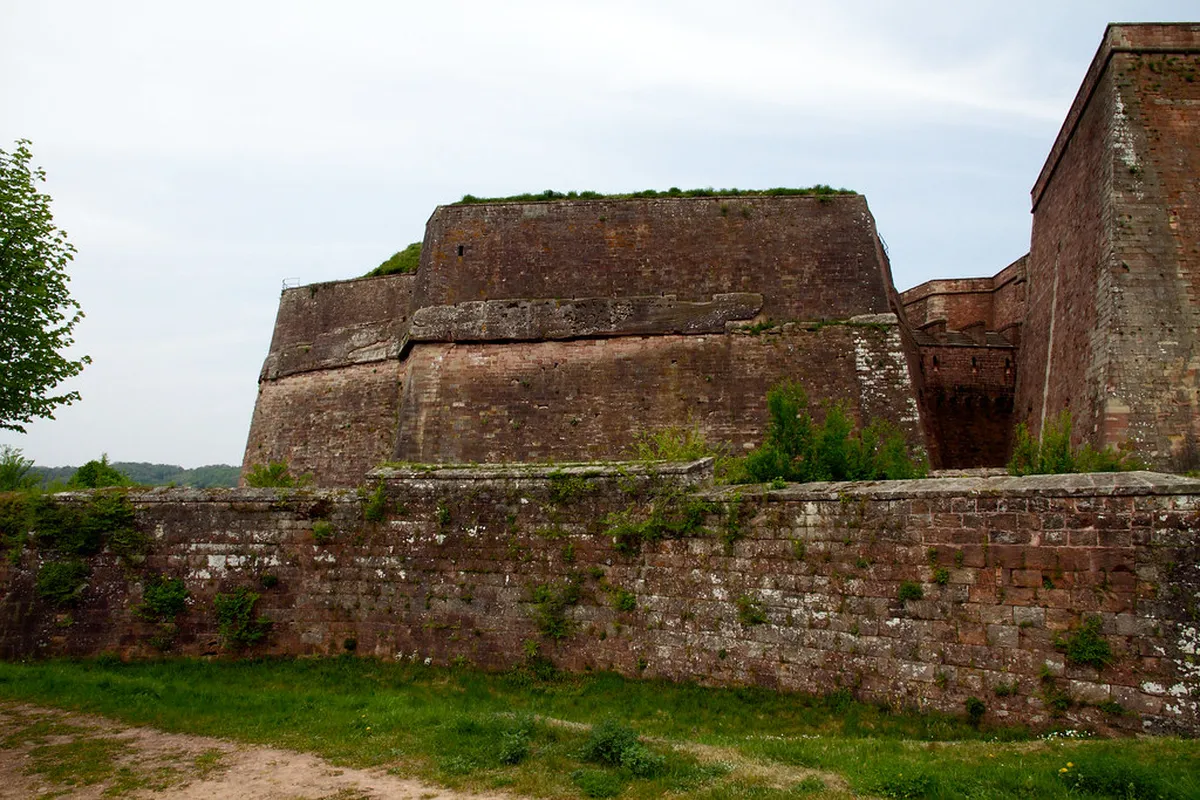
The fortress covers eleven hectares of rugged and rocky ground high above the busy town center. Local workers carved massive limestone blocks directly from the nearby mountain terrain itself with great skill. Thousands of laborers spent many decades completing these thick and imposing defensive walls for the French crown. This ambitious project cost the French kingdom a truly massive and staggering fortune during the construction phase.
King Louis XIV visited the construction site multiple times to inspect the ongoing progress and quality. He was famously impressed by the incredible scale and quality of the heavy stone masonry work. The walls stand over 100 meters above the roofs of the old city buildings located below. They offer a very clear view of the surrounding green hills and the flowing river Doubs.
Vauban integrated the fort into the city’s existing defenses with great precision and military engineering skill. He linked the high citadel to the urban walls perfectly to create total security for the residents. This created a complete defensive ring around the entire historic center of the city of Besançon. You can see this clever layout on a walking tour Besançon architecture this year.
Military Strategy and Defensive Features
The citadel features three main lines of defense to stop any advancing enemy forces or armies. Each level provided a safe fallback position for the defending soldiers and their commanding officers. Vauban utilized the natural loop of the river Doubs to enhance his clever defensive military design. This unique geography made the site almost impossible for enemies to besiege or capture by force.
Thick ramparts protected the interior buildings from heavy cannon fire and direct military assault during battles. These massive walls were built using durable local limestone blocks and very strong stone mortar. Deep dry moats separated the different sections of the fort to slow down any potential intruders. These features define the classic Vauban style of defense seen throughout many historic regions of France.
The King's Bastion and the Queen's Bastion are key highlights of the engineering design within the fort. These massive stone structures once housed heavy cannons and large stores of black gunpowder for the army. Soldiers used narrow slits in the rock to fire upon any advancing enemy troops during a siege. Modern visitors can still explore these dark and atmospheric stone chambers with an expert local guide.
Vauban also included a complex system of deep underground tunnels for the many garrisoned French troops. These secret passages allowed soldiers to move safely during a heavy and dangerous enemy artillery siege. They also served as cool storage areas for essential gunpowder and many other vital military supplies. This strategic design shows incredible foresight and planning for the late 17th century in Western Europe.
The Vauban Citadel Fortification History in Besançon
After its completion, the fort served various important military purposes for the French army for many years. It acted as a large barracks for thousands of brave French soldiers throughout the eighteenth century. It also functioned as a secure state prison for several long and dark centuries of French history. Many famous political prisoners were held within these thick and cold stone walls during that time.
During the World Wars, the citadel saw significant action and served as a fortress for various armies. German forces occupied the historic site during the early years of World War II in the region. It later became a site of resistance and ultimate sacrifice for many brave local French people. A museum on-site now honors those fallen heroes who fought for French freedom and national liberty.
In 2008, UNESCO recognized its global cultural value as a significant world heritage site in Europe. It joined the list of major Vauban sites located across the beautiful country of modern France. This status highlights the Vauban Citadel fortification history in Besançon for a wide international travel audience. It remains a point of deep pride for the local people of Besançon and the region.
Today, the site hosts several diverse museums and fascinating exhibitions for the general public and tourists. Visitors can learn about regional history and natural sciences within the walls of the ancient fort. The fort also serves as a beautiful public park for residents and tourists to enjoy together. It has transitioned from a war machine to a vibrant center for local culture and tourism.
The Museums Inside the Citadel Walls
The Museum of Resistance and Deportation is very moving for every visitor who enters the exhibit. It documents the local struggle and bravery during the difficult Second World War years in France. Visitors can see personal letters and many historical artifacts from the brave local resistance fighters. The exhibits tell powerful stories of bravery and great personal loss in the city of Besançon.
Another unique area for you to explore is the Comtois Museum of Life and regional traditions. It showcases the local traditions and the daily life of the historic region of Franche-Comté. You will see old wooden tools, traditional costumes, and many domestic household items from the past. It provides a fascinating look into the lives of common people and workers through the centuries.
The Natural History Museum attracts many families with young children every single year to the citadel. It features a modern aquarium and a small zoo area with various animals and rare species. Kids love seeing the diverse animals living within the ancient stone fortress walls of the citadel. This creates a fun and educational atmosphere for all ages to enjoy together during their visit.
These museums are all included in your general admission ticket for the 2025 travel season in France. You can spend several hours exploring these indoor galleries and learning many new things about history. They offer a great escape if the weather turns cold or rainy during your afternoon in Besançon. Plan your time carefully to see every interesting museum section located inside the massive fort.
Practical Tips for Visiting the Citadel in 2025
Plan to spend at least half a day exploring this massive and historic site in Besançon. The site is open daily from 9:00 AM to 6:00 PM throughout the entire year. Admission for adults costs approximately 11 to 13 Euros during the peak travel season in summer. Check for updated prices on their official website before you start your trip to the city.
Wear comfortable walking shoes for the steep paved paths and many old stone stairs you will climb. You will climb many stairs to reach the high rampart walks and spectacular scenic viewpoints. The views from the top are truly worth the physical effort you will put into the climb. You can see the Besançon historic buildings from the high walls and defensive bastions.
Use the convenient public shuttle bus that runs from the city center to the fort entrance regularly. Parking near the main entrance is very limited and often full during the busy summer months. The bus runs every 20 minutes during the peak tourist season in the historic city center. It is a cheap and easy way to travel to the citadel without any stress.
Bring a quality camera to capture the stunning mountain scenery and old stone walls of the fort. The golden hour offers the best light for capturing the textures of the ancient stone work. You might also find interesting street art and architecture in Besançon nearby. The contrast between old and new is amazing for modern photographers and art lovers.
Architectural Elements of Vauban's Design
Vauban used the bastion system to eliminate all dangerous dead zones in the overall defensive plan. This allowed defenders to cover every single inch of the outer wall area with their weapons. Cannons could fire in multiple directions from a single strategic point on the high wall. This design revolutionized siege warfare during the middle of the 17th century across all of Europe.
The Front Saint-Etienne is the most fortified section within the entire citadel complex in the city. It faces the mountain side where enemies would most likely launch a heavy ground attack. Multiple deep ditches and high walls create a massive and intimidating defensive barrier for any army. It remains one of the best-preserved military structures in all of modern Europe today.
The main entrance is the beautiful Saint-Etienne gatehouse located on the lower level of the fort. It features ornate stone carvings and heavy wooden doors for both security and architectural style. This gate served as the primary checkpoint for all people entering the fort in the past. It represents the grandeur and power of the historic French royal army during that period.
Vauban focused on modern functionality as much as he did on aesthetic beauty and visual symmetry. The symmetry of the various buildings is visually very pleasing to the eye for every visitor. Even the soldier barracks were built to provide adequate natural light and good air ventilation. These small details make the citadel a true and lasting work of art for architects.
Frequently Asked Questions
Why is the Vauban Citadel in Besançon famous?
It is a UNESCO World Heritage site representing military genius and late 17th-century engineering. Vauban designed it to be a perfect defensive fortress using the natural landscape of France. It remains a stunning example of royal power and strategic planning from that era.
How much does it cost to visit in 2025?
Adult tickets usually cost around 11 to 13 Euros for a full day of exploration. This price includes access to the ramparts and all on-site museums for every visitor. Children and students often receive discounted rates when they present a valid identity card.
Is the citadel accessible for people with disabilities?
Some areas are difficult due to steep cobblestone paths and many old stone stairs. However, an elevator provides access to several museum levels for those who need it. Contact the staff in advance to arrange for specific assistance during your visit.
Can you see the whole city from the ramparts?
Yes, the high walls offer a 360-degree panoramic view of the entire city and river. You can see the historic rooftops and the Jura mountains clearly from the top. It is the best photography spot in Besançon for capturing the surrounding natural landscape.
Besançon's citadel is a testament to timeless military engineering and royal French power in history. Its massive stone walls tell stories of power, war, and eventual lasting peace for everyone. Make sure to include this historic site in your next France travel itinerary for 2025. Explore more visiting Vauban Citadel architectural significance to plan your amazing trip today.
Key Takeaways
- Wear comfortable shoes for the steep and rocky climb to the walls.
- Visit early in the morning to avoid the largest tourist crowds.
- Use the local shuttle bus for the most convenient transport option.
- Allow at least four hours to see all museums and views.
Related reads: streetartly.com, inside vauban citadel architectural details.