
The Vauban Citadel Architectural Significance
Understand the Vauban Citadel architectural significance in Besançon. Our 2025 guide covers history, engineering, and essential travel tips for your visit.
On this page
The Vauban Citadel in Besançon stands as a magnificent testament to 17th-century military engineering and classical French design. This massive fortress occupies a strategic location on a rocky hill overlooking the historic loop of the river. When visiting Vauban Citadel architectural significance becomes clear through its massive stone walls and complex geometric patterns. It covers nearly twelve hectares of rocky ground above the Doubs river loop in eastern France.
Sébastien Le Prestre de Vauban designed this site to protect the eastern borders of the French kingdom under Louis XIV. The structure represents the peak of modern fortification techniques used during the late 17th and early 18th centuries. Visitors today can explore the vast ramparts and deep moats that once served as an impenetrable barrier for invaders. It remains one of the most visited historical landmarks in the beautiful Franche-Comté region of France.
You will find that the Vauban Citadel architecture Besançon offers a unique look into historical military life and defense. The site blends natural landscape features with man-made structures to create a perfectly balanced defensive system for the city. Engineers consider this site a masterpiece because it adapted so well to the difficult terrain of the hill. It provides a stunning visual landscape that combines raw nature with disciplined architectural order and strength.
This guide will help you understand why this landmark gained UNESCO World Heritage status for its global importance. We will explore the technical details and the aesthetic beauty that define this famous landmark in the year 2025. Prepare to discover the secrets of the walls and the stories of the people who built them long ago. Your journey through this fortress will reveal the true genius of one of history's greatest military engineers.
The Masterwork of Sébastien Le Prestre de Vauban
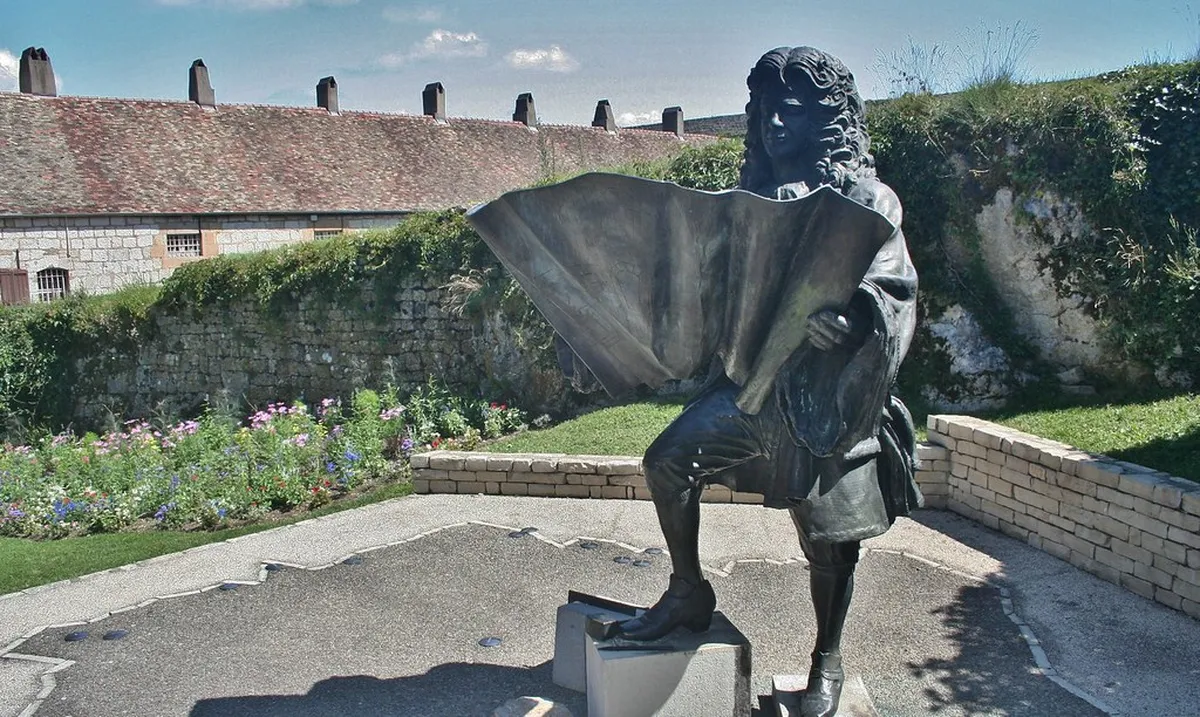
Sébastien Le Prestre de Vauban was the primary military engineer for King Louis XIV during his long, powerful reign. He revolutionized the way European nations built their defenses by introducing scientific principles into the construction of stone fortresses. His work at Besançon is often cited as his finest achievement because of the site's challenging geography. He managed to turn a rugged limestone ridge into a sophisticated system of defense and observation.
The engineer focused on creating cross-fire zones that left no room for enemies to hide during an active assault. Each wall and tower served a specific purpose within the larger network of the massive Citadel's outer defensive shell. You can observe how the inside Vauban Citadel architectural details highlight the efficiency of his planning and execution. The layout allowed a small number of soldiers to defend the entire city against much larger enemy forces.
Vauban also prioritized the living conditions of the soldiers who resided within these thick stone walls for many years. He designed barracks, bakeries, and wells to ensure the fortress could survive long sieges without outside help or supplies. This practical approach to engineering ensured the Citadel remained functional and effective for several centuries after its initial construction. Today, these buildings house museums and exhibits that showcase the rich history of the entire Franche-Comté region.
The construction process required the labor of thousands of workers and vast amounts of local limestone for the walls. Workers moved massive stones up the steep hillside to create the towering ramparts that we see standing today. This effort demonstrated the immense wealth and power of the French crown during the late 17th century period. It stands as a monument to the organizational skills and technical knowledge of the engineers of that golden era.
As you walk through the main gates, take a moment to admire the decorative elements on the stone facades. Even in military structures, Vauban included classical French aesthetic touches to represent the prestige of the reigning French monarch. These details show that the Citadel was not just a weapon but also a symbol of royal authority. It remains a striking example of how utility and beauty can coexist within a single architectural project.
Understanding the Bastioned System and Geometric Design
The core of the Vauban Citadel architectural significance lies in the clever use of the bastioned system of defense. This system uses pentagonal shapes that project from the main walls to provide multiple angles for defensive fire. These bastions eliminated the traditional blind spots found in older medieval castles with simple round or square towers. It allowed the defenders to cover every inch of the ditch below with muskets and heavy bronze cannons.
The geometry of the fortress is perfectly symmetrical when viewed from above or from the surrounding mountain peaks nearby. Each angle was calculated with mathematical precision to maximize the defensive capabilities of the stone and earthwork structures. The thick walls were designed to absorb the impact of incoming cannon fire without crumbling or losing their shape. This transition from vertical medieval walls to sloped modern ramparts was a major shift in global architectural history.
Walking along the ramparts allows you to see the intricate layout of the various curtain walls and secondary defenses. The design forces attackers to move through a series of "killing zones" where they are exposed to fire. You can learn more about these defensive layers by taking a walking tour Besançon architecture that focuses on military sites. These tours explain the complex terminology used by 17th-century engineers to describe their defensive works.
The use of local stone provides a consistent color and texture that helps the fortress blend into the hill. This choice was both practical and aesthetic as it saved money on transport while creating a unified visual appearance. The limestone has weathered beautifully over the centuries, giving the walls a soft grey hue that changes with light. It creates a powerful contrast against the green forests and the blue waters of the river winding below.
Vauban also used dry moats and hidden passages to move troops quickly between different sections of the large fortress. These features allowed the defenders to react to threats in real-time without being seen by the enemy outside. The complexity of these underground networks is just as impressive as the visible walls above the ground level. Exploring these areas gives visitors a deeper appreciation for the technical skill involved in the original construction process.
Key Structures to Visit Inside the Besançon Citadel
The King's Tower is one of the most prominent features you will see when exploring the high ramparts. This tower offers a strategic view of the city and the surrounding Jura mountains in the far distance. It served as an observation post and a command center for the officers in charge of the defense. The stone masonry here is particularly fine and shows the high level of craftsmanship required for royal projects.
The Queen's Tower sits on the opposite side and provides a similar vantage point over the southern valley areas. Between these towers, you will find the main courtyard, which served as a parade ground for the local garrison. Today, this space is often used for cultural events, festivals, and educational programs for students and tourists alike. It is a great place to stop and admire the scale of the surrounding stone buildings and walls.
Another essential site is the Saint-Etienne Chapel, which Vauban built to replace an older cathedral destroyed during the construction. The chapel features a simple but elegant design that matches the military character of the rest of the site. It served the spiritual needs of the soldiers and their families who lived within the protected fortress walls. You can find many Besançon historic buildings inside the Citadel that have been carefully restored for modern use.
The Citadel also houses several unique museums, including the Museum of the Resistance and Deportation for interested historical visitors. These exhibits provide context for how the fortress was used during much later conflicts in the 20th century. It reminds us that architectural significance is often layered with the memories of different eras and political regimes. The site has evolved from a royal stronghold into a place of reflection and learning for all people.
Do not miss the chance to see the massive wells that provided water to the garrison during long sieges. These engineering feats reach deep into the rock to access the natural water table of the limestone hill below. They were essential for survival and demonstrate the total self-sufficiency that Vauban aimed to achieve with his designs. The sheer depth of these wells is a testament to the determination of the builders and engineers.
Essential Tips for Your 2025 Visit to Besançon
Planning your visit in 2025 requires some basic knowledge about the site's operating hours and general seasonal weather patterns. The Citadel is open every day of the year except for Christmas Day and New Year's Day holidays. In the summer months, the site stays open until 7:00 PM to take advantage of the long daylight. Winter hours are shorter, usually closing around 5:00 PM when the sun begins to set behind the mountains.
Adult tickets currently cost approximately 11 euros, which includes access to all the museums and the scenic rampart walks. We recommend purchasing your tickets online in advance to avoid long queues during the busy summer tourist season. Families can benefit from discounted rates and special activities designed for children to learn about history and nature. Check the official website for the latest pricing updates and special event schedules for the 2025 season.
- Wear comfortable shoes because the paths are made of old stone and can be quite steep in places.
- Bring water and sunscreen if you plan to walk the entire perimeter of the ramparts during the afternoon.
- Allow at least three hours to see the main architectural features and the primary museum exhibits inside.
- Use the public shuttle from the city center if you want to avoid a very long and uphill walk.
The Citadel is located at 99 Rue des Fusillés de la Résistance in the city of Besançon, France. You can reach the site easily by car, but parking is limited near the main entrance during peak times. Using the Ginko shuttle bus is the most convenient way to reach the top of the mountain quickly. This service runs frequently from the downtown area and stops right at the main gate of the fortress.
Photography enthusiasts should visit during the "golden hour" just before sunset for the best light on the stone walls. The views of the river loop and the old town rooftops are spectacular from the high bastion viewpoints. Capture the contrast between the rigid military lines and the organic flow of the surrounding natural landscape features. It is a perfect place to practice architectural photography while enjoying the fresh air and stunning French views.
Frequently Asked Questions
What is the primary architectural significance of the Vauban Citadel?
The primary significance lies in its perfect execution of the bastioned system of military defense and engineering. Vauban used geometric precision to eliminate blind spots and adapt the fortress to the rugged mountain terrain. This design represents the height of 17th-century fortification technology and influenced military architecture across the entire world.
How long does it take to tour the entire Citadel in 2025?
You should plan to spend at least three to four hours to explore the site fully and comfortably. This time allows you to walk the ramparts, visit the various museums, and admire the unique architectural details. If you are a history enthusiast, you might want to stay longer to read all the exhibit panels.
Is the Besançon Citadel accessible for visitors with limited mobility?
The site offers some accessibility, but the historic stone paths can be quite challenging and steep for some visitors. A specialized shuttle service is available to transport people with disabilities between the different levels of the fortress. It is best to contact the visitor center in advance to arrange for specific assistance during your trip.
Why is the Vauban Citadel a UNESCO World Heritage site?
It is part of a collective UNESCO listing that recognizes the best examples of Vauban's revolutionary military defensive work. The Besançon site is considered one of the most complete and well-preserved examples of his engineering genius. Its preservation helps future generations understand the evolution of modern military architecture and European history over time.
The Vauban Citadel architectural significance makes it a must-visit destination for anyone traveling through eastern France in 2025. This fortress offers a rare combination of historical depth, engineering brilliance, and breathtaking natural beauty for all guests. Whether you are a history buff or a casual traveler, the scale of this project will impress you. Plan your trip today and experience the power of Vauban's vision firsthand in the heart of Besançon. Do not forget to explore the other Besançon historic buildings while you are visiting this charming French city.
Key Takeaways
- The Citadel is a masterpiece of 17th-century military engineering designed by the famous engineer Vauban.
- It features a unique bastioned system that utilizes complex geometric shapes for maximum defensive capability.
- Visitors should allow at least three hours to explore the ramparts, towers, and several internal museums.
Related reads: streetartly.com, street art and architecture in besancon, vauban citadel fortification history besancon.